
Especificaciones y análisis del Nissan Qashqai
Power
106HP
Torque
240Nm
Consumption
5.2l/100
Emissions
139g/km
0-100 km/h
12.2s
Top Speed
174km/h
Weight
1482kg
Price
21,400€
Technical summary
Gasóleo
Manual 6v
FWD
5 / 5 doors
352 L
65 L
78 kW
Current
Technical specifications
Engine
Capacities
Detailed analysis of the Nissan Qashqai 4x2 1.5 dCi Acenta · 106 CV (2009-2010)
General description
The 2007 Nissan Qashqai 4x2 1.5 dCi Acenta, a pioneer in the crossover segment, arrived to redefine what we expected from a family car. With its combination of SUV aesthetics and the practicality of a passenger car, this model quickly became a benchmark, offering a fresh and exciting alternative to traditional vehicles. Its 106 hp diesel engine promised efficiency and adequate performance for everyday use, marking the beginning of an era where versatility and style merged.
Driving experience
Behind the wheel of the Qashqai 1.5 dCi, the feeling is one of control and comfort. The suspension, McPherson type at the front and deformable parallelogram at the rear, absorbs road irregularities with ease, providing a smooth ride. Although its 106 hp does not make it a speed demon, the torque delivery of 240 Nm at 2000 rpm is sufficient to move with agility in urban traffic and maintain stable cruising speeds on the highway. The steering, although not the most communicative, fulfills its function, and the 6-speed manual gearbox allows the engine to be used efficiently. It is a car that invites relaxed driving, without great sporting pretensions, but with the assurance of reaching your destination in comfort.
Design and aesthetics
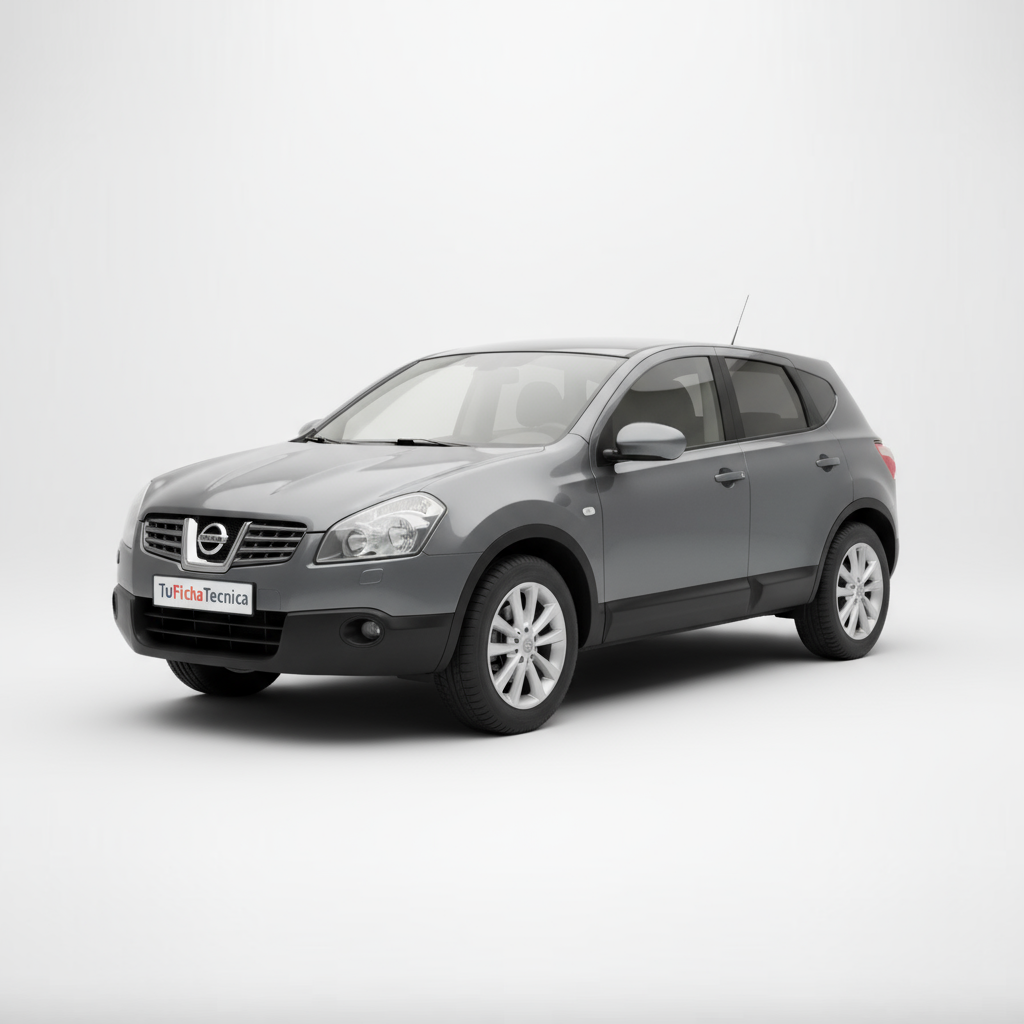
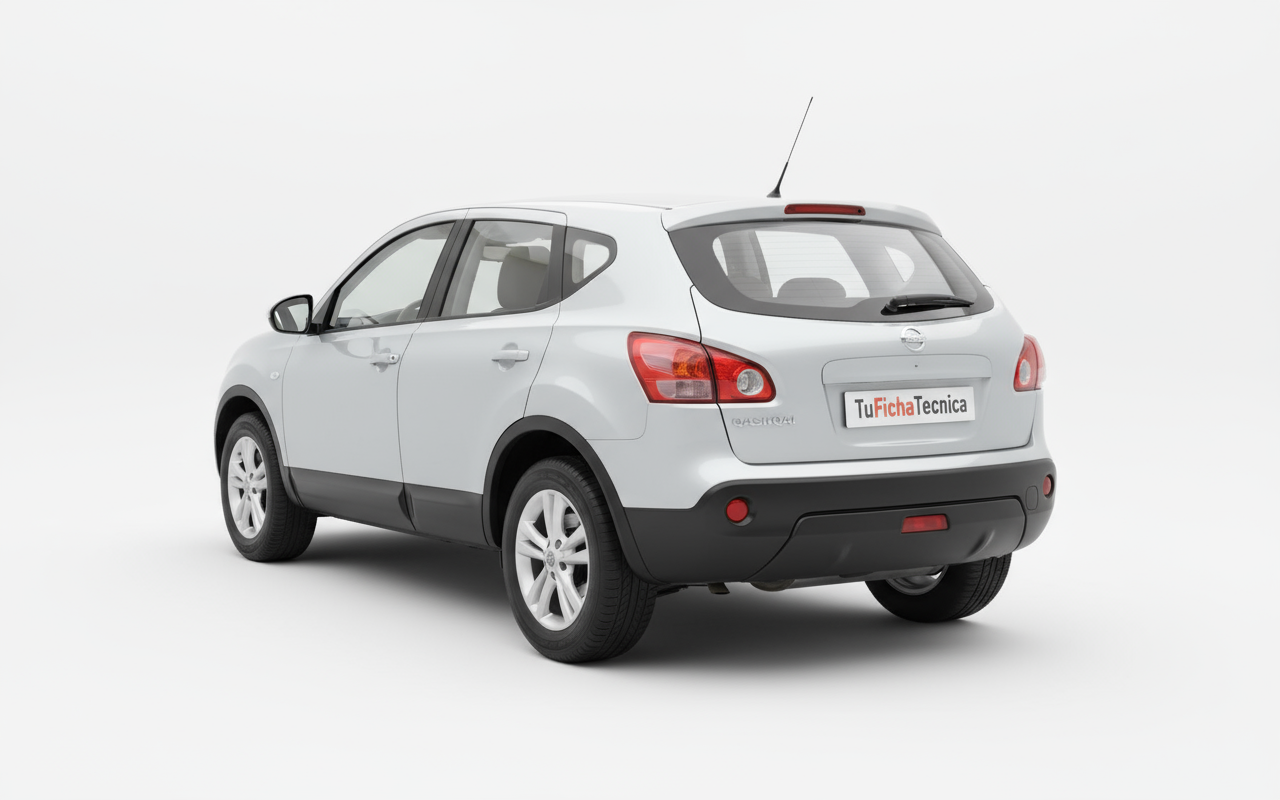
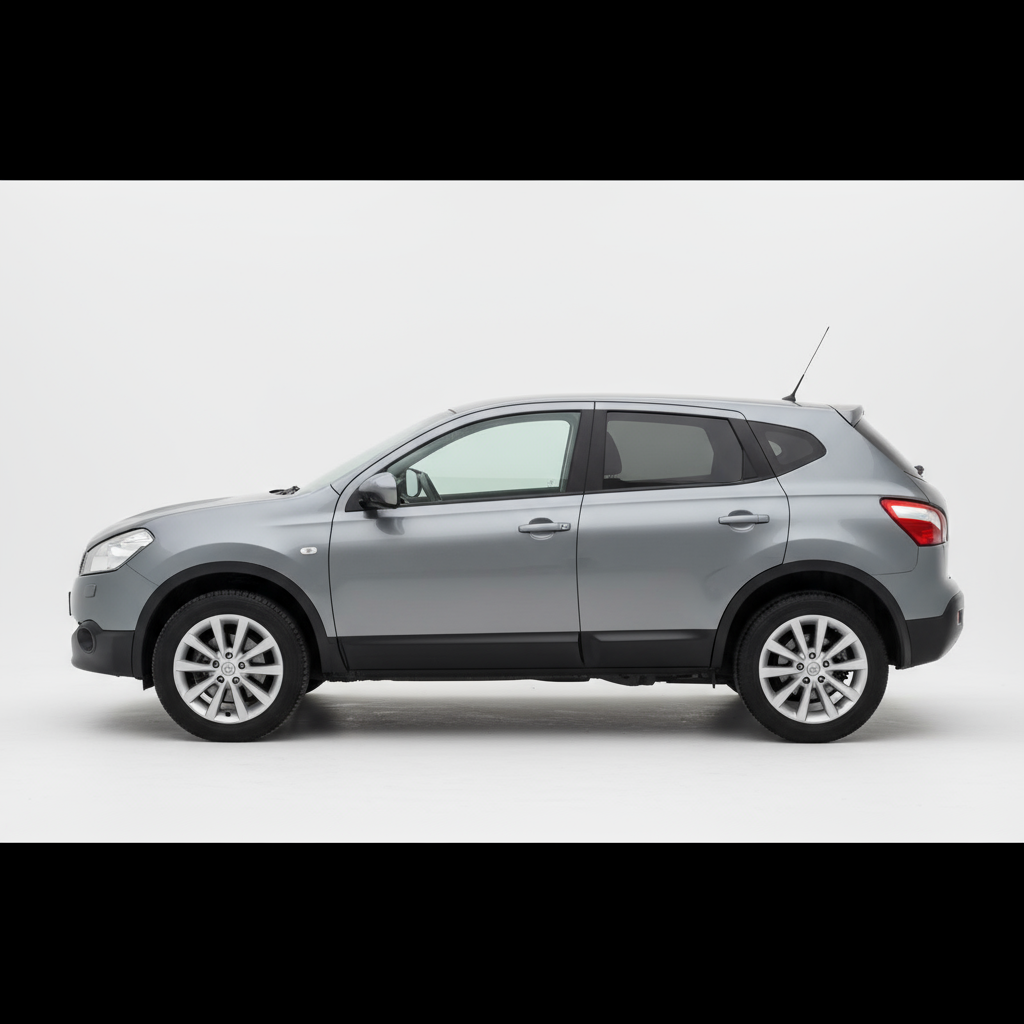
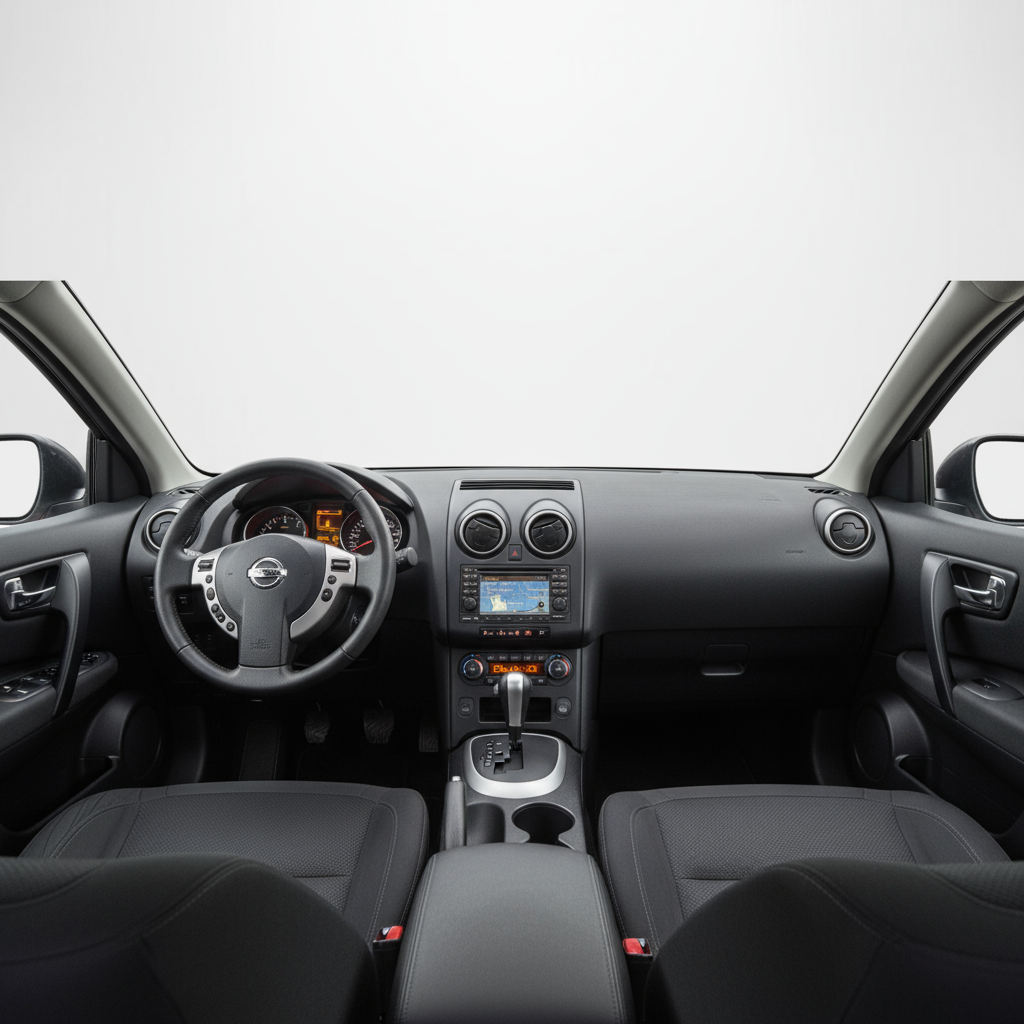
The design of the 2007 Nissan Qashqai was, without a doubt, one of its strong points. It broke molds with its robust and elevated aesthetic, but without falling into the aggressiveness of a pure SUV. Its fluid lines and compact silhouette gave it a modern and attractive presence. The 17-inch wheels with 215/60 R17 tires complemented its adventurous image. Inside, functionality prevailed, with a well-organized dashboard and materials that, without being luxurious, conveyed solidity. The body height (1606 mm) facilitated access and offered an elevated driving position, highly valued by many drivers.
Technology and features
In its Acenta version, the 2007 Qashqai offered technology focused on comfort and safety. The 1.5 dCi engine, with common rail direct injection, variable geometry turbo, and intercooler, was an example of diesel efficiency of the time, achieving a combined consumption of 5.2 l/100km. Although it did not have the latest innovations in connectivity or driving assistants that we see today, it did have essential elements such as ventilated front disc brakes and rear discs, and a well-calibrated suspension for good dynamic behavior. Its environmental label B reflected its commitment to efficiency at the time.
Competition
When the Nissan Qashqai burst onto the market, it faced diverse competition. Its main rivals were models such as the Hyundai Tucson, the Kia Sportage, or the Toyota RAV4, which offered similar compact SUV proposals. However, the Qashqai stood out by offering an approach closer to a passenger car, with more refined driving and a more urban design, which allowed it to attract an audience looking for something different from traditional SUVs or conventional compacts. Its success laid the groundwork for the proliferation of crossovers in the following years.
Conclusion
The 2007 Nissan Qashqai 4x2 1.5 dCi Acenta was a car that marked a before and after. Its urban crossover proposal, combining the aesthetics of an SUV with the agility of a compact, made it a resounding success. It offered a very successful balance between comfort, efficiency, and an attractive design, all at a competitive price. Although its performance was not breathtaking, its diesel engine more than met the needs for daily use and family trips. It was a vehicle that knew how to connect with the needs of a new generation of drivers, consolidating Nissan as a key player in the crossover segment.