
Especificaciones y análisis del Nissan Primera
Power
116HP
Torque
163Nm
Consumption
7.4l/100
Emissions
-g/km
0-100 km/h
11.9s
Top Speed
188km/h
Weight
1368kg
Price
20,500€
Technical summary
Gasolina
Manual 5v
FWD
5 / 4 doors
450 L
62 L
85 kW
Current
Technical specifications
Engine
Capacities
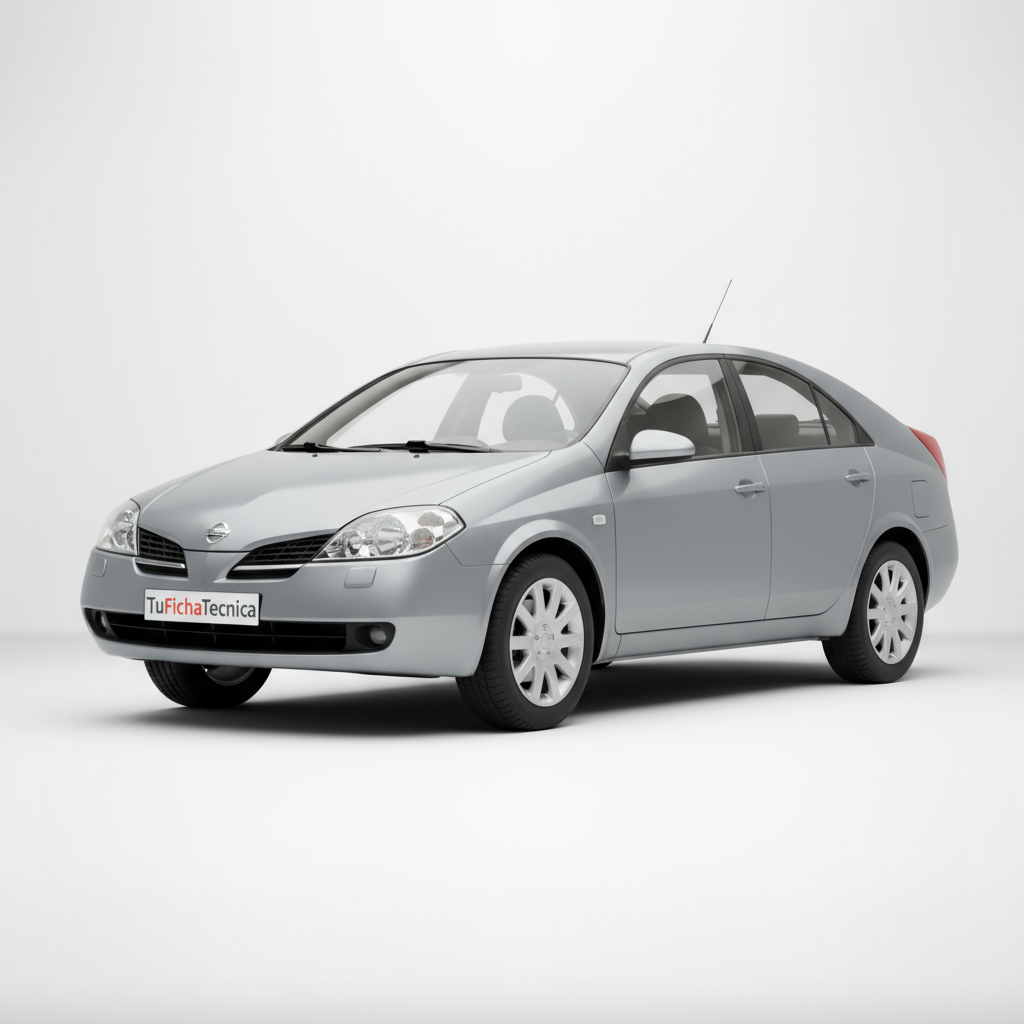
Detailed analysis of the Nissan Primera 4p 1.8 Visia · 116 CV (2004)
General description
The 2002 Nissan Primera, in its 4-door 1.8 Visia version, was presented as a sedan with aspirations of comfort and functionality. With a 1.8-liter gasoline engine and 116 HP, it sought to offer a balance between performance and efficiency for everyday use. Its design, although not revolutionary, tried to project an image of solidity and modernity for its time.
Driving experience
Behind the wheel of the Primera 1.8 Visia, the general feeling was one of smoothness and predictability. The 116 HP engine, although not outstanding for its explosiveness, delivered power linearly, suitable for calm driving in the city and on the highway. The power-assisted, speed-sensitive steering contributed to a comfortable driving experience, albeit without great sporting pretensions. The comfort-oriented suspension absorbed road irregularities well, making journeys more pleasant. However, in more demanding driving situations, some body roll could be perceived. Acceleration from 0 to 100 km/h in 11.9 seconds and a top speed of 188 km/h placed it in the average of its segment, without great fanfare but meeting expectations.
Design and aesthetics
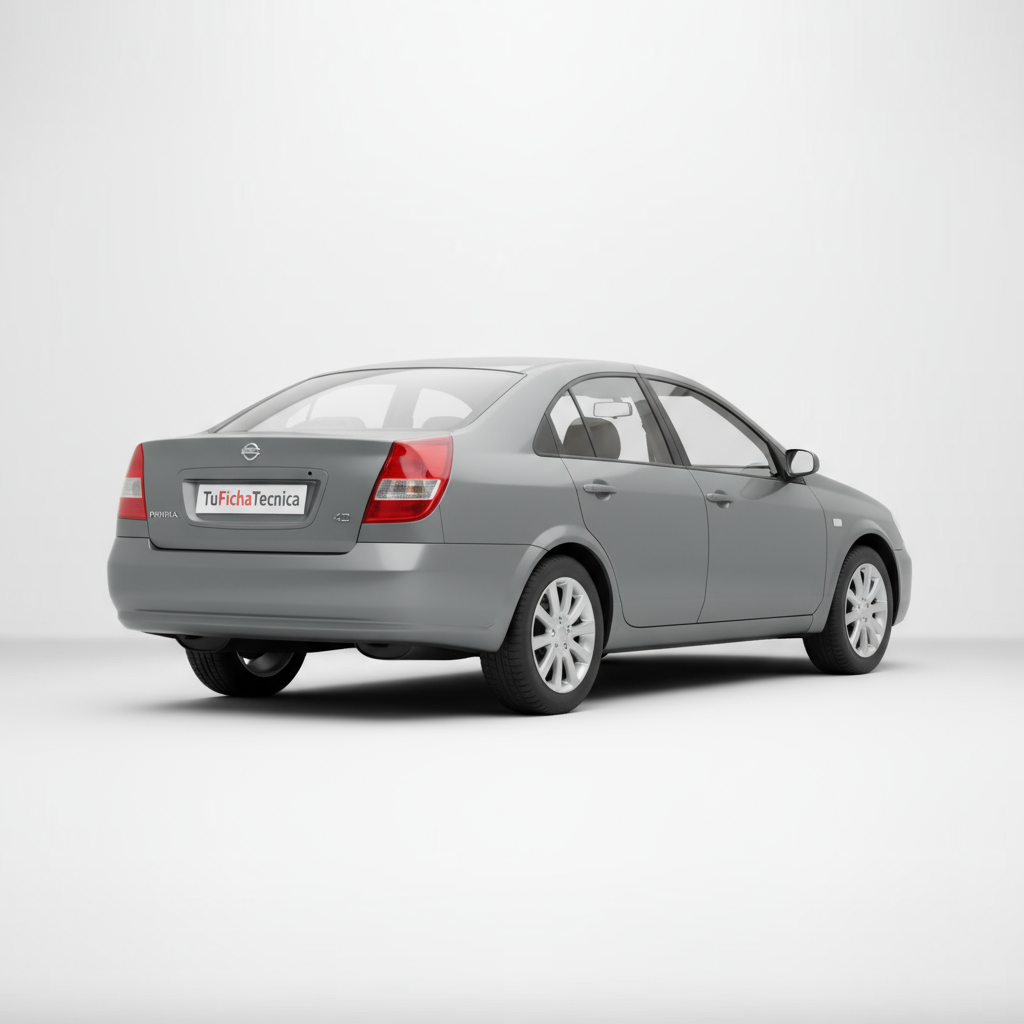
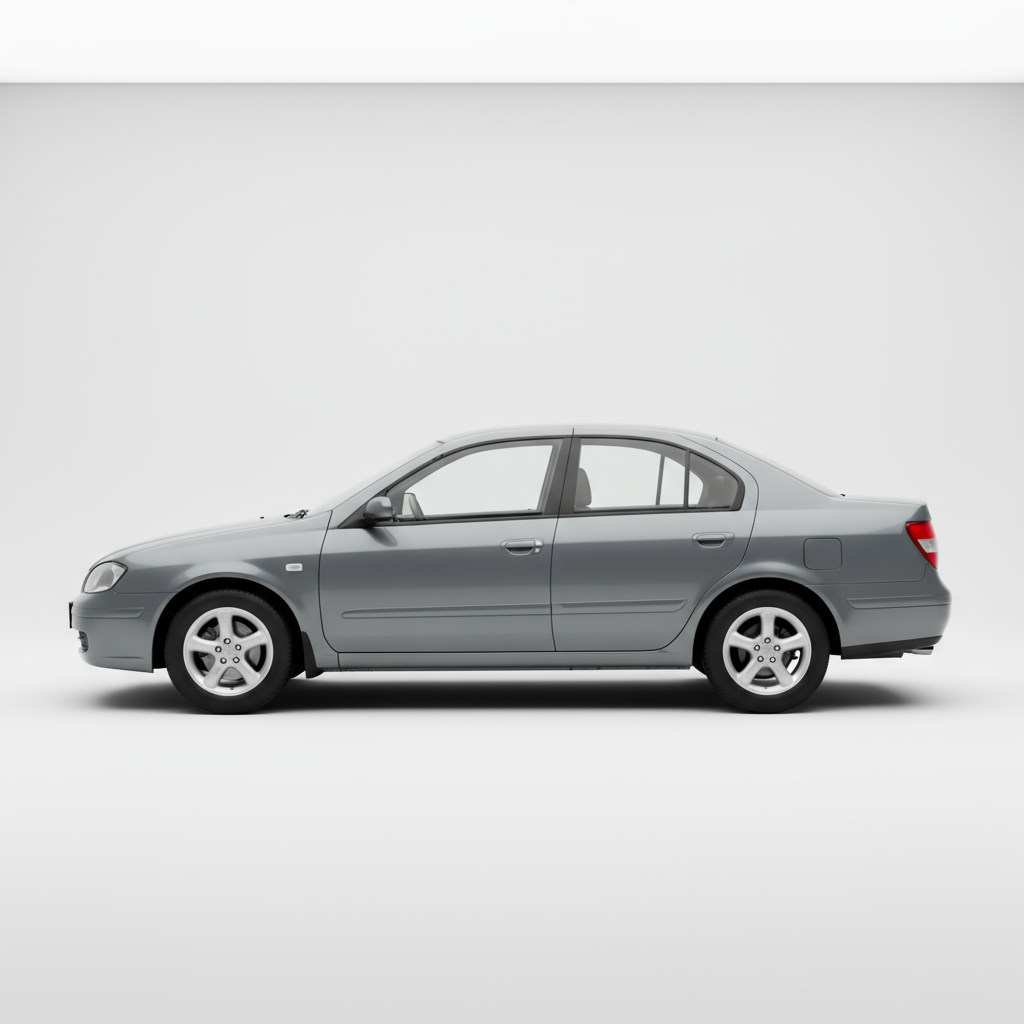
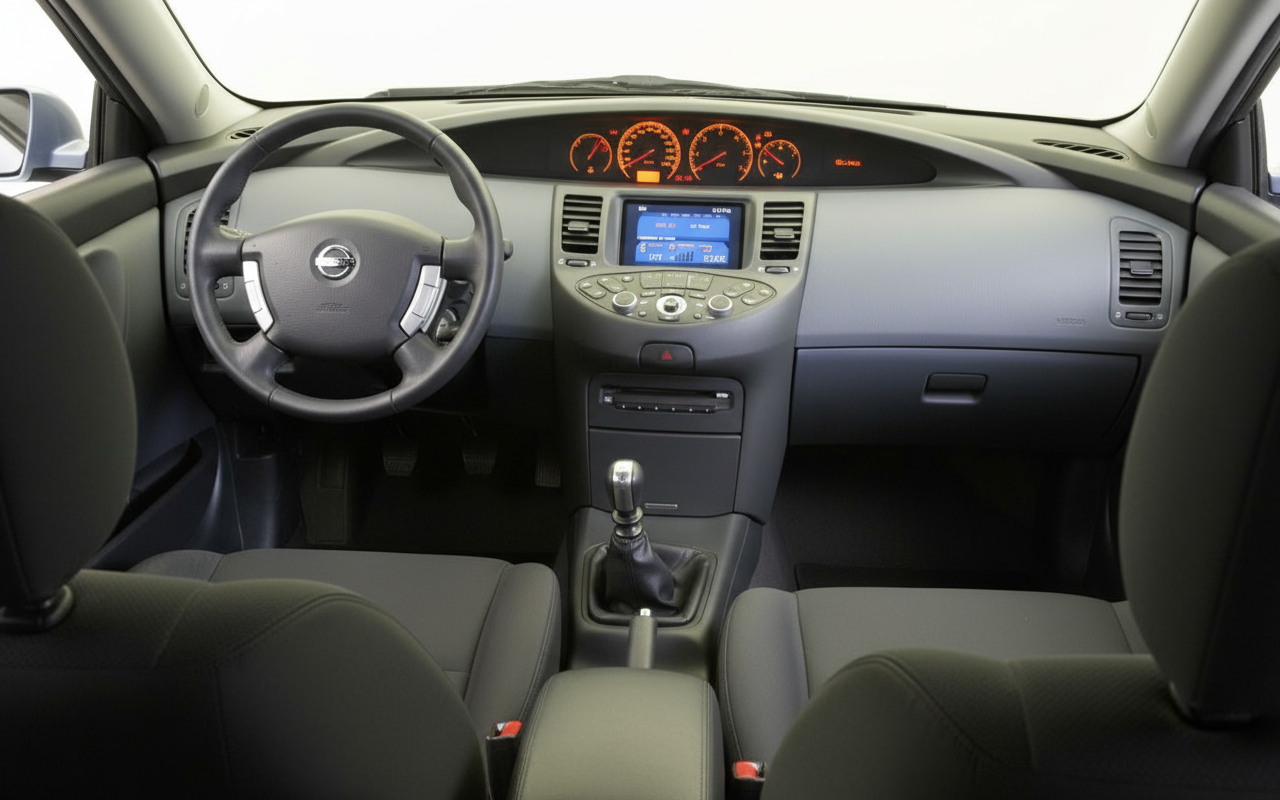
The exterior design of the 2002 Nissan Primera was characterized by sober and functional lines. The 4-door body offered a classic sedan silhouette, with an aesthetic that prioritized aerodynamics and habitability. The generously sized headlights integrated harmoniously with the grille, while the rear maintained a clean and orderly image. Inside, the cabin was designed to be spacious and practical, with an intuitive control layout. The materials, although not luxurious, were of good quality and conveyed a sense of durability. Attention to detail was manifested in elements such as the steering wheel and seats, designed to offer comfort on long journeys.
Technology and features
In the technology section, the 2002 Nissan Primera 1.8 Visia incorporated elements that, for its time, were considered modern and functional. The 1.8-liter engine with indirect injection and variable intake sought to optimize consumption and response. The 5-speed manual transmission was a standard at the time, offering direct control over power delivery. In terms of safety, it had ventilated disc brakes on the front axle and solid discs on the rear, complemented by braking assistance systems. Rack-and-pinion steering with speed-sensitive assistance improved maneuverability. Although it did not have the latest innovations in connectivity or driving assistance systems that we see today, it offered what was necessary for a safe and comfortable driving experience.
Competition
In the competitive mid-size sedan segment, the Nissan Primera 1.8 Visia faced tough rivals such as the Ford Mondeo, Opel Vectra, Volkswagen Passat, and Toyota Avensis. Each of them offered their own strengths, whether in design, equipment, or driving dynamics. The Primera sought to differentiate itself by its reliability, ride comfort, and an attractive price-quality ratio, although it sometimes lagged behind in terms of brand image or the dynamism offered by some of its European competitors.
Conclusion
The 2002 Nissan Primera 4-door 1.8 Visia was an honest and functional car, designed for those looking for a reliable and comfortable sedan for everyday use. It did not pretend to be the fastest or the most luxurious, but a practical and efficient travel companion. Its 116 HP engine offered adequate performance, and its interior and exterior design prioritized habitability and sobriety. Although it did not stand out for its sportiness, its ride comfort and proven reliability made it a sensible option for families and professionals who valued durability and economy of use. A car that, without great fanfare, fulfilled its purpose satisfactorily.