
Especificaciones y análisis del Nissan Juke
Power
117HP
Torque
158Nm
Consumption
6l/100
Emissions
139g/km
0-100 km/h
11.1s
Top Speed
178km/h
Weight
1247kg
Price
17,850€
Technical summary
Gasolina
Manual 5v
FWD
5 / 5 doors
251 L
46 L
86 kW
Current
Technical specifications
Engine
Capacities
Detailed analysis of the Nissan Juke Tekna Sport 1.6i 117 CV 4X2 (2011-2012)
General description
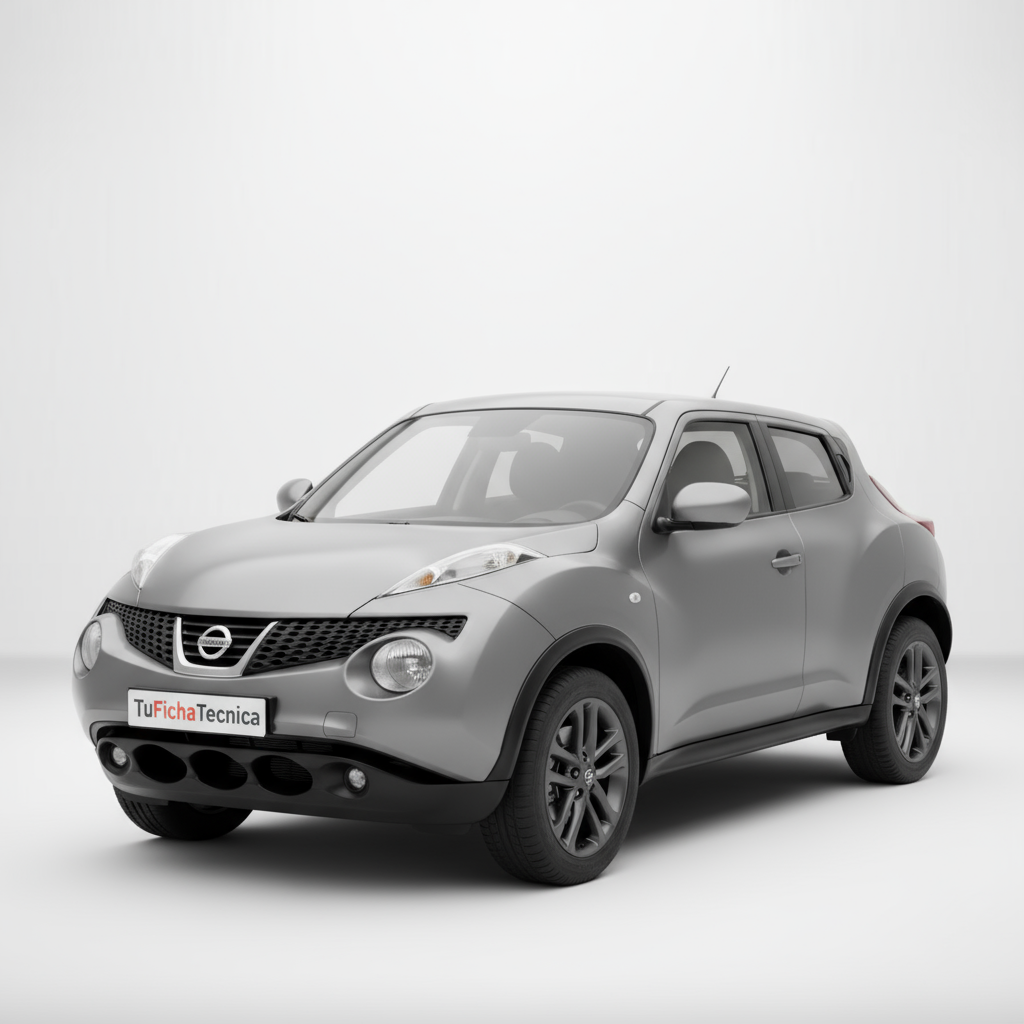
The 2010 Nissan Juke burst onto the market as a bold and different proposition, a compact crossover that challenged the aesthetic conventions of its time. With its polarizing design, it sought to capture the attention of those who longed for more than just a simple car, offering a mix of SUV style and compact agility. This Tekna Sport version, with its 117 hp 1.6i engine and front-wheel drive, promised a dynamic driving experience and comprehensive equipment for its segment.
Driving experience
Behind the wheel of the 117 hp Juke 1.6i, the sensation is one of agility and responsiveness. The gasoline engine, while not a powerhouse, proves willing and allows for easy movement in urban traffic and on the highway. The speed-sensitive electric power steering offers good feel and facilitates maneuvers. The suspension, McPherson type at the front and torsion beam at the rear, seeks a balance between comfort and firmness, absorbing road irregularities without sacrificing stability. The 5-speed manual gearbox is precise and contributes to an entertaining drive, although a sixth gear is sometimes missed for long journeys and to reduce consumption. Overall, the Juke offers a fun and agile driving experience, ideal for those looking for a car with character.
Design and aesthetics
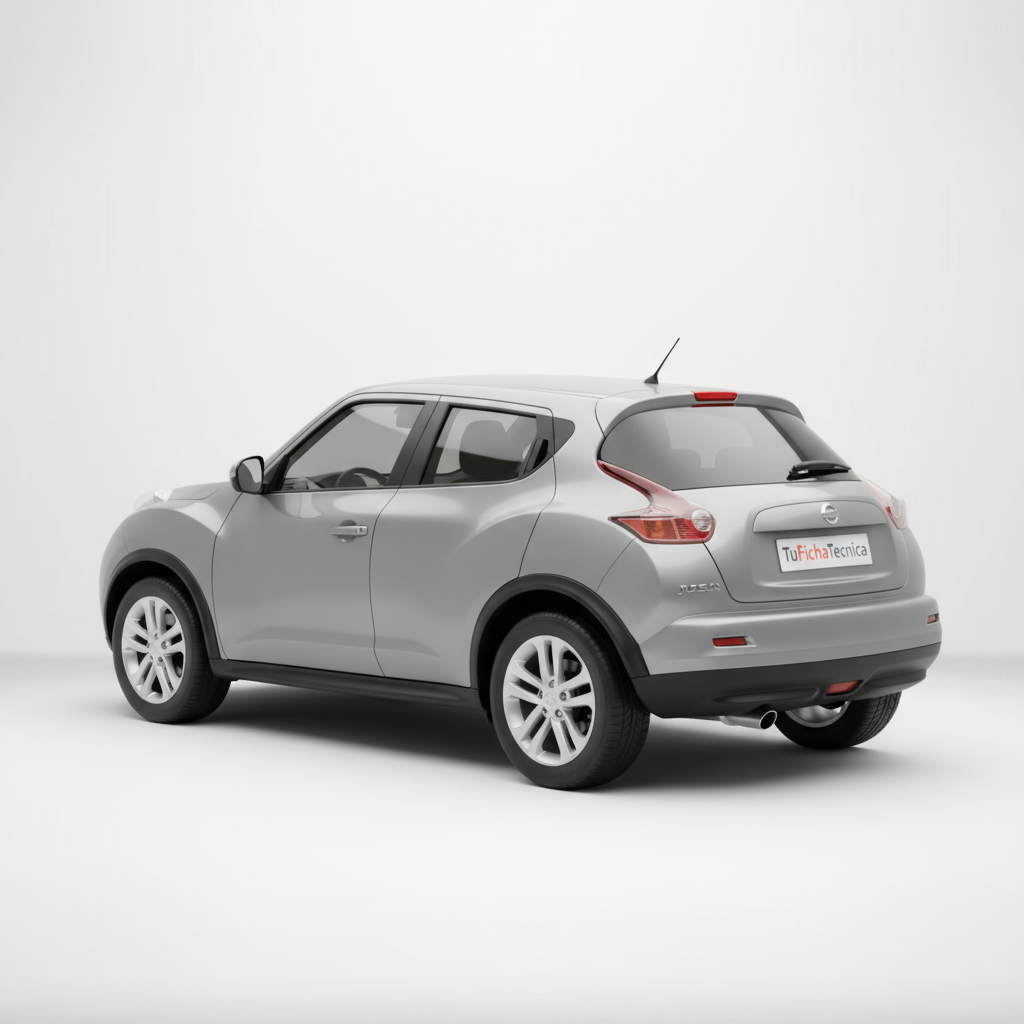
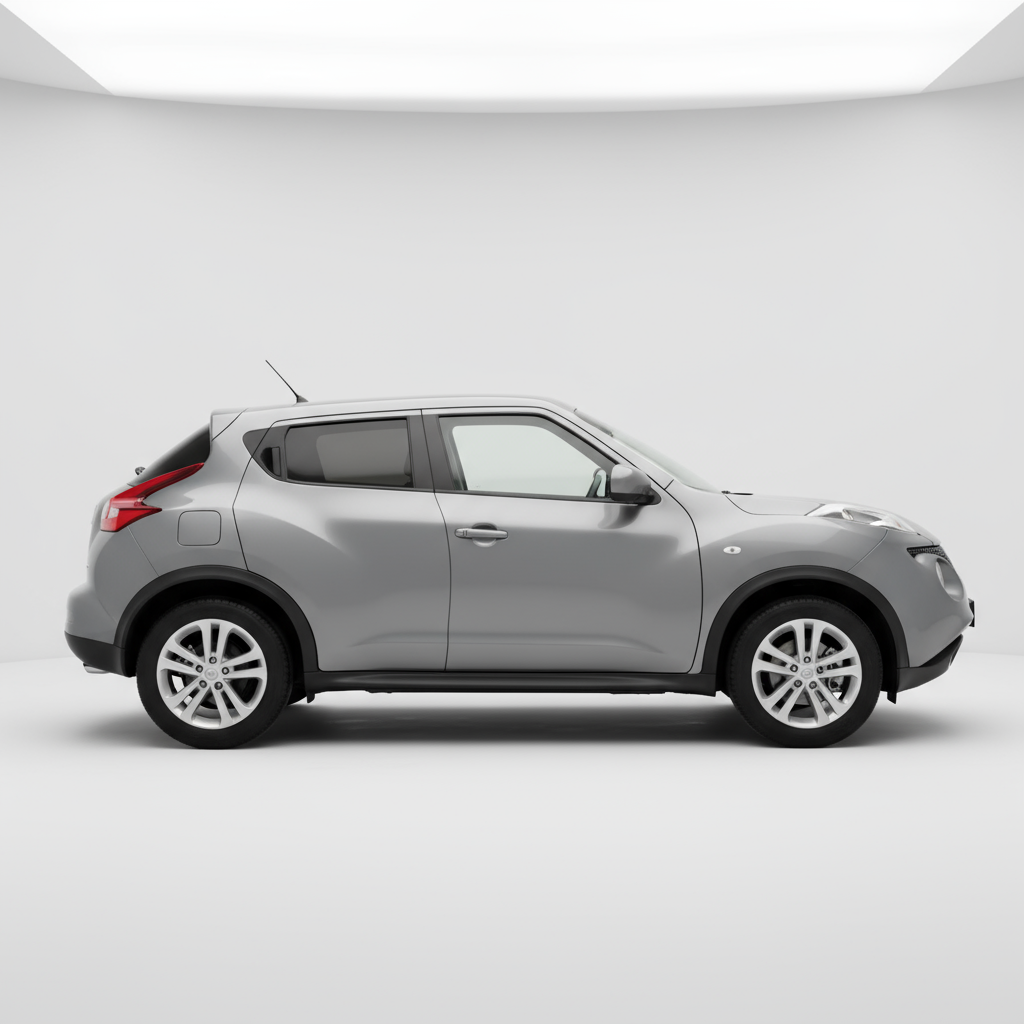
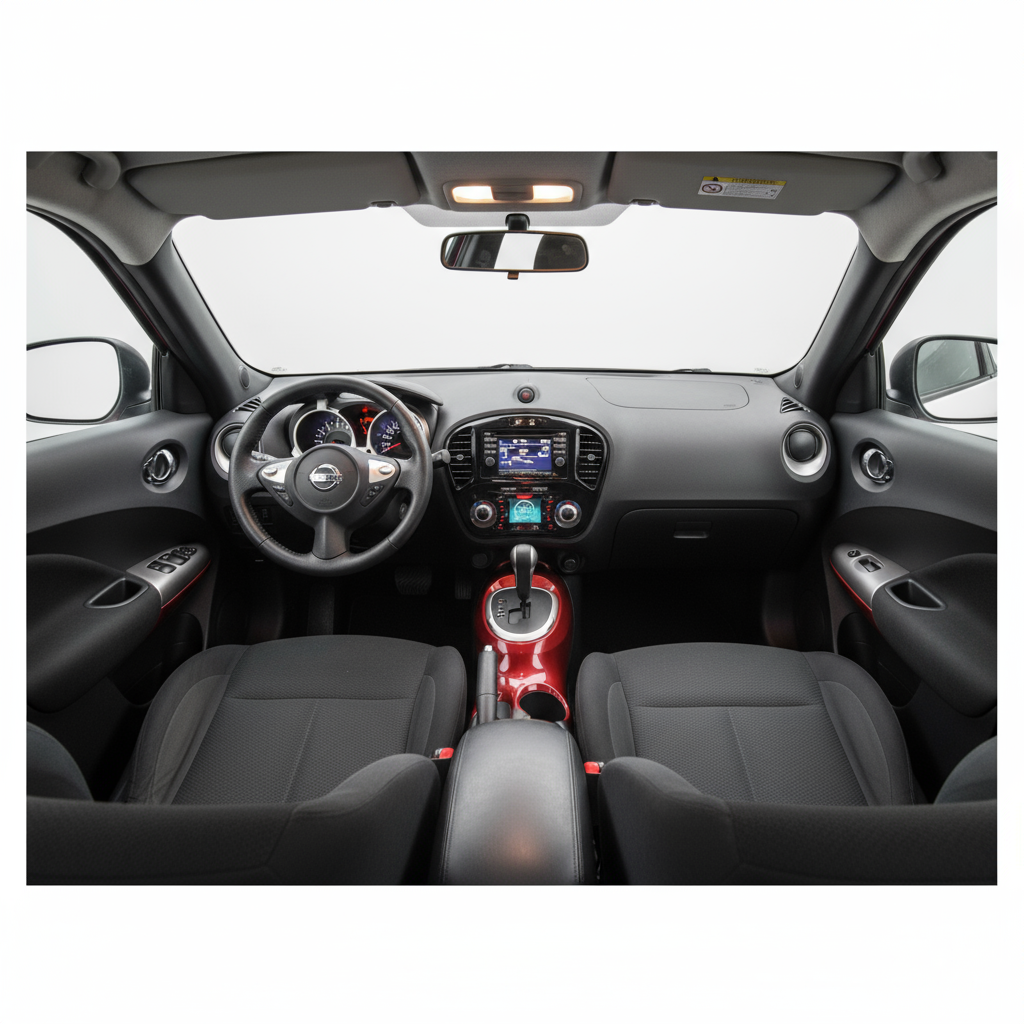
The design is, without a doubt, the most distinctive feature of the Nissan Juke. Its bold and unconventional lines made it stand out from the very beginning. With a 5-door body that simulates a coupe thanks to hidden rear door handles, the Juke presents a robust and sporty aesthetic. The front headlights, divided into three levels, give it a unique look, while the pronounced wheel arches and high ground clearance reinforce its SUV image. The interior, although more conventional than the exterior, maintains a touch of originality with the center console inspired by a motorcycle fuel tank. The materials, while not luxurious, fulfill their function and the overall design is functional and youthful. It's a car you either love or hate, but it never leaves anyone indifferent.
Technology and features
In terms of technology, the 2010 Nissan Juke, in its Tekna Sport version, offered quite complete equipment for its time. It featured indirect gasoline injection and an aluminum engine that sought to optimize performance and efficiency. The speed-sensitive electric power steering was a plus in terms of comfort and handling. Although it did not have the latest innovations in connectivity or driving assistants that we see today, it did include elements such as air conditioning, power windows, and a sound system that made life on board more pleasant. Its technological focus was more on mechanics and driving experience than on the digitalization of the cabin.
Competition
The 2010 Nissan Juke faced growing competition in the compact crossover segment. Its main rivals included models such as the MINI Countryman, which offered premium styling and a fun drive, albeit at a higher price. It also competed with the Skoda Yeti, known for its practicality and versatility, and the Mitsubishi ASX, which opted for a more traditional SUV approach. Other contenders could be the Dacia Duster, with its low-cost proposal, or even some elevated compacts like the Volkswagen Golf Plus. The Juke differentiated itself from all of them by its radical design and its commitment to personalization, seeking a market niche that valued originality above all else.
Conclusion
The 2010 Nissan Juke 1.6i 4x2 Tekna Sport was a car that marked a before and after in the compact crossover segment. Its bold design and unique personality made it a polarizing, but undeniably charismatic vehicle. It offered agile and fun driving, comprehensive equipment, and an aesthetic that broke molds. Although its interior space and trunk were not the most generous in its category, its charm lay in its ability to excite and differentiate itself. It was a risky bet by Nissan that, in the end, proved to be a success, paving the way for a new generation of crossovers with their own personality. It is a car for those who seek more than just a simple means of transport, for those who value originality and fun behind the wheel.