
Especificaciones y análisis del Nissan Juke
Power
117HP
Torque
158Nm
Consumption
6l/100
Emissions
139g/km
0-100 km/h
11.1s
Top Speed
178km/h
Weight
1247kg
Price
19,850€
Technical summary
Gasolina
Manual 5v
FWD
5 / 5 doors
251 L
46 L
86 kW
Current
Technical specifications
Engine
Capacities
Detailed analysis of the Nissan Juke Tekna Premium 17" 1.6i 117 CV 4X2 (2012-2013)
General description
The 2010 Nissan Juke, in its Tekna Premium 1.6i 117 hp version, burst onto the market as a bold and different proposition. This compact crossover, with its groundbreaking aesthetic, sought to conquer those who shied away from the conventional, offering a fresh and personality-filled alternative in a booming segment. Its 1.6-liter 117 hp gasoline engine, combined with a 5-speed manual gearbox and front-wheel drive, promised an agile and efficient driving experience for everyday use.
Driving experience
Behind the wheel of the Juke, the sensation is one of agility and dynamism. Its 117 hp, while not making it a sports car, are sufficient to move it with ease in urban environments and on the road. The speed-sensitive electric power steering offers good response, facilitating maneuvers. The suspension, McPherson type at the front and torsion beam with trailing arm at the rear, seeks a balance between comfort and stability, although it can sometimes feel a bit firm. Acceleration from 0 to 100 km/h in 11.1 seconds and a top speed of 178 km/h place it in the average for its category, offering adequate performance for most drivers. The combined consumption of 6 l/100km is reasonable for a gasoline engine of this power.
Design and aesthetics
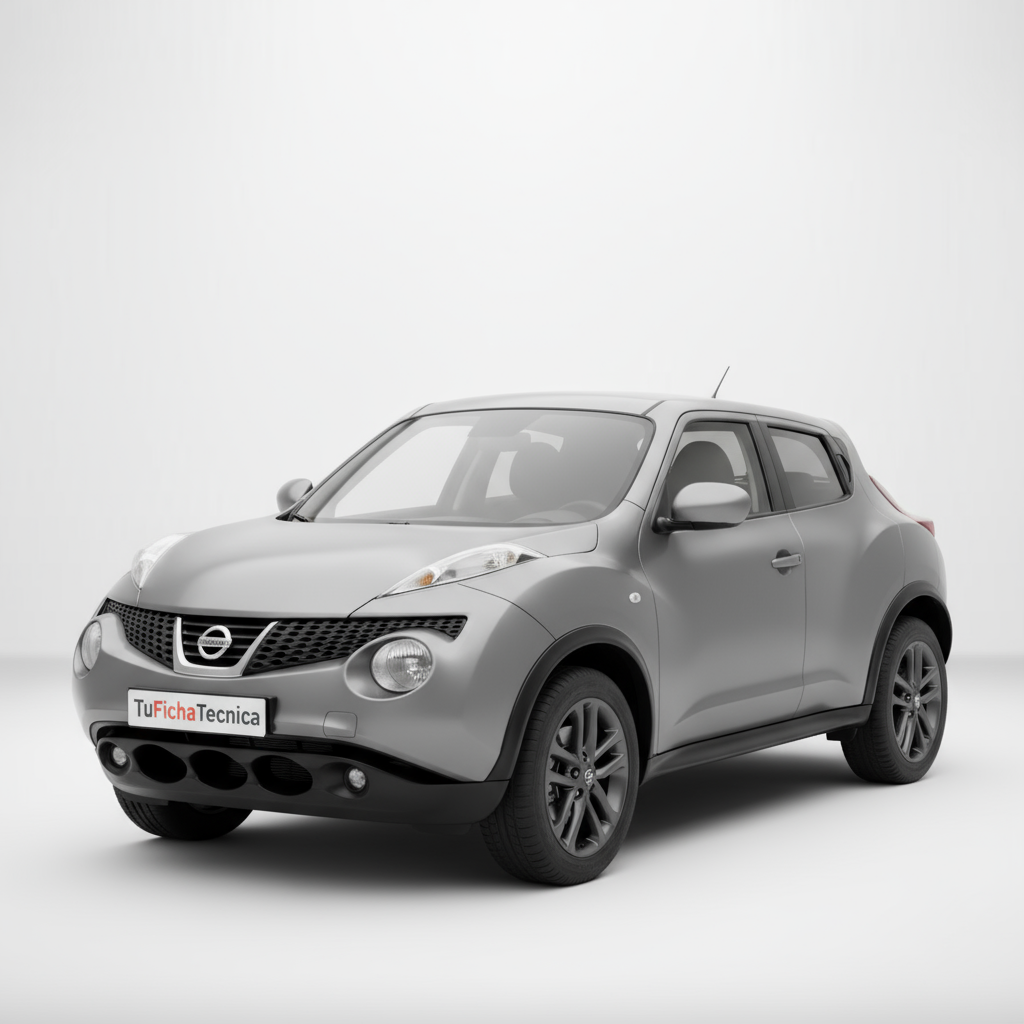
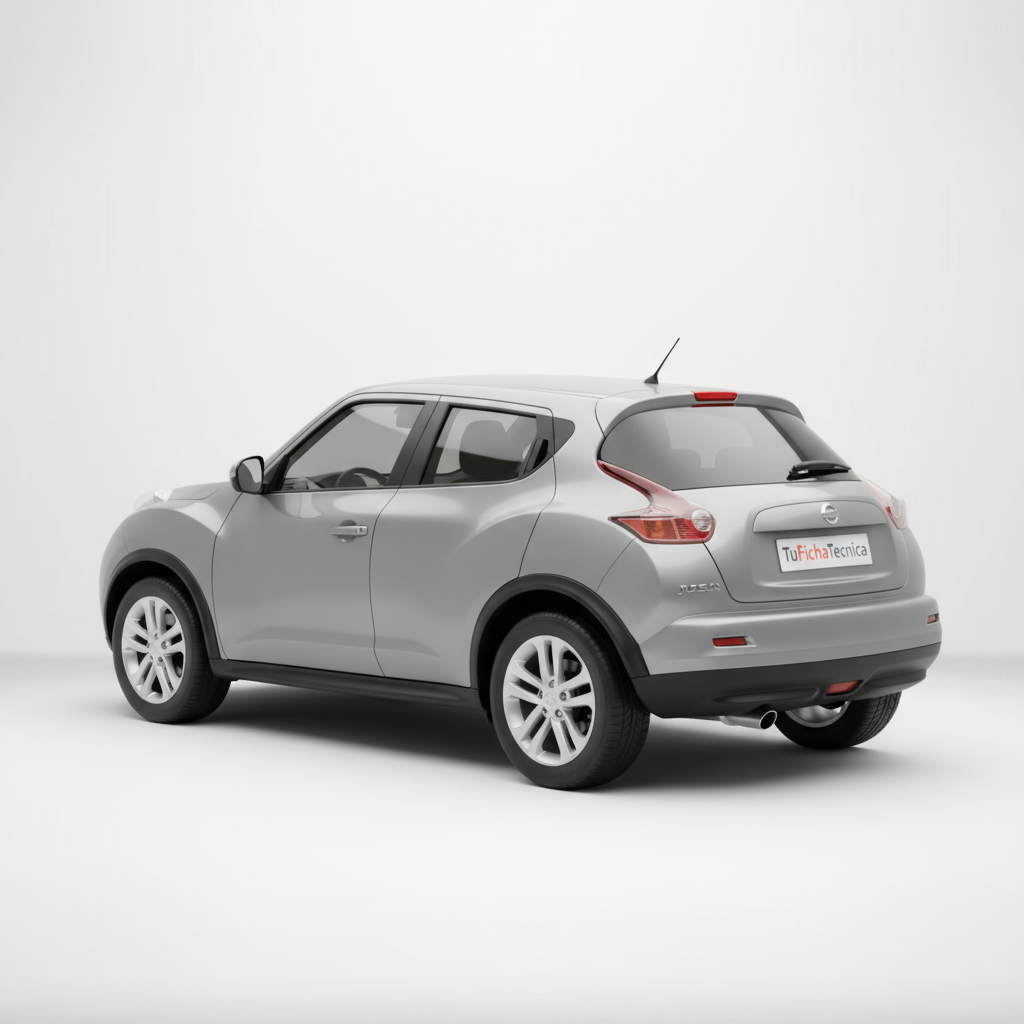
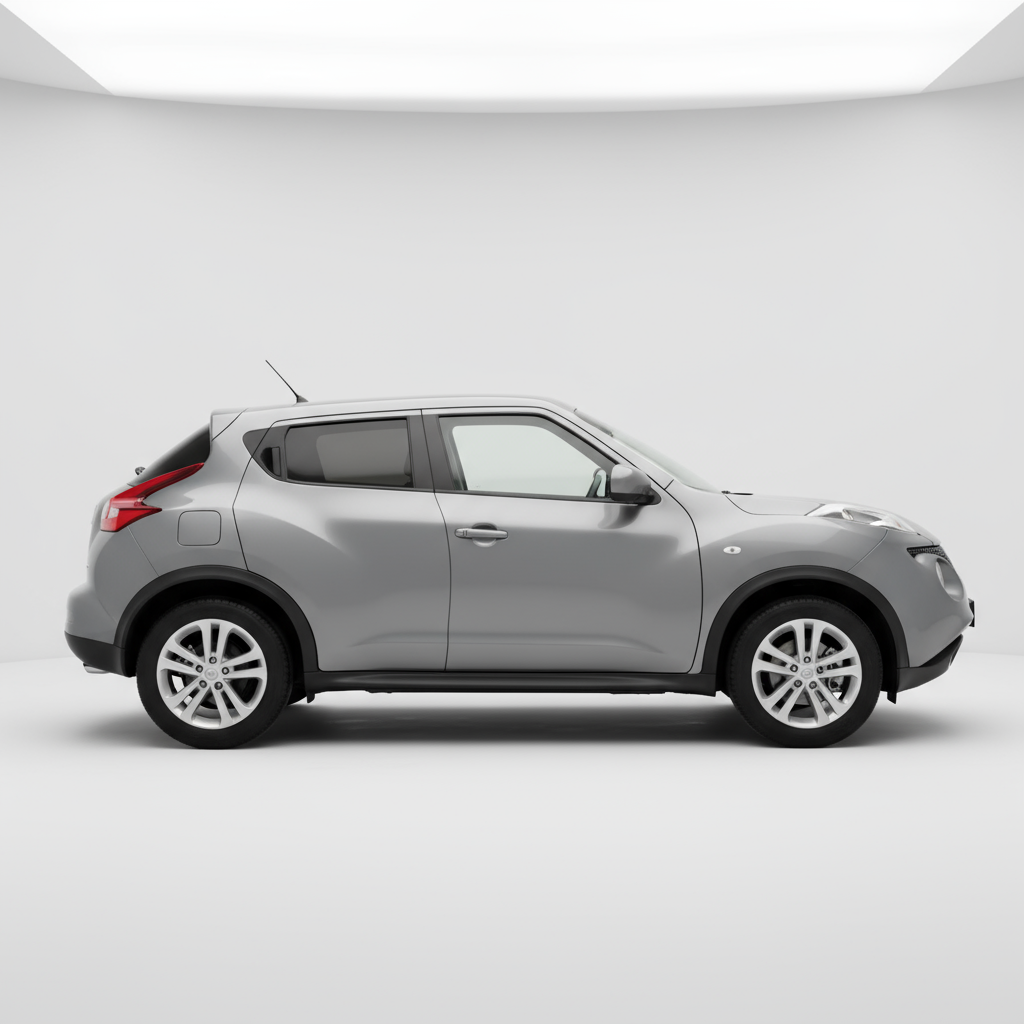
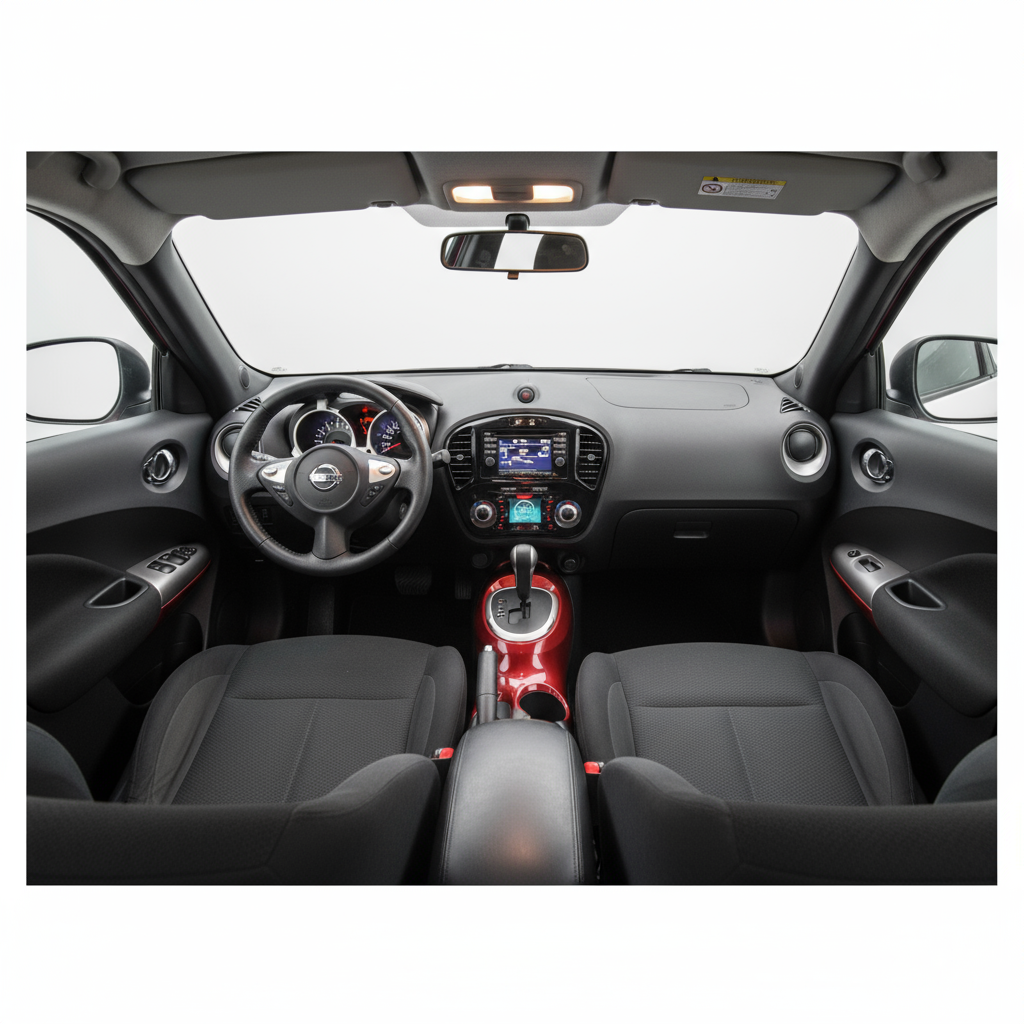
The design is, without a doubt, the most distinctive point of the Nissan Juke. Its bold lines and 'crossover coupé' aesthetic make it unmistakable. The split headlights, with the position lights at the top and the main headlights integrated into the bumper, give it a unique look. The compact silhouette, with a length of 4135 mm, a width of 1765 mm, and a height of 1570 mm, along with its marked wheel arches and 17-inch wheels, reinforce its robust and sporty character. The interior, although more conventional than the exterior, features a dashboard with fluid shapes and a center console inspired by a motorcycle fuel tank, adding a touch of originality. However, the 251-liter trunk may be somewhat limited for some needs.
Technology and features
In terms of technology, the 2010 Nissan Juke Tekna Premium offered comprehensive equipment for its time. It featured indirect gasoline injection and an aluminum engine block and cylinder head. The speed-sensitive electric power steering improved the driving experience. In the safety section, it had ventilated front disc brakes and rear discs, ensuring good braking capability. Although it did not incorporate the latest innovations in connectivity or driving assistants that we see today, its equipment was up to expectations in its segment at that time.
Competition
In the competitive compact crossover segment, the Nissan Juke faced rivals such as the MINI Countryman, the Skoda Yeti, or the Mitsubishi ASX. Each with its own strengths, the Juke stood out for its avant-garde design and its more youthful and carefree approach. While some rivals offered more interior space or a more traditional aesthetic, the Juke opted for differentiation and personality, seeking an audience that valued originality above all else.
Conclusion
The 2010 Nissan Juke Tekna Premium 1.6i 117 hp was a car that left no one indifferent. Its polarizing design was its greatest asset and, at the same time, its greatest challenge. For those looking for a vehicle with character, agile in the city, and with a touch of adventure, the Juke was a very attractive option. Its gasoline engine offered a good balance between performance and consumption, and its equipment was adequate for the time. Although the trunk space and rear habitability were not its strong points, its unique personality made it a sales success and a benchmark in the compact crossover segment. It is a car that, even today, still turns heads and evokes emotions.