
Especificaciones y análisis del Nissan Juke
Power
117HP
Torque
158Nm
Consumption
6.3l/100
Emissions
145g/km
0-100 km/h
11.5s
Top Speed
170km/h
Weight
1288kg
Price
19,950€
Technical summary
Gasolina
Automático Múltiplesv
FWD
5 / 5 doors
251 L
46 L
86 kW
Current
Technical specifications
Engine
Capacities
Detailed analysis of the Nissan Juke Tekna Premium 1.6i 117 CV 4X2 Xtronic CVT (2010-2012)
General description
The 2010 Nissan Juke burst onto the market as a bold and different proposition, a compact crossover that challenged conventions with its groundbreaking aesthetic. With its 1.6-liter, 117 hp gasoline engine, paired with an Xtronic CVT automatic transmission, it promised an agile and comfortable urban driving experience, ideal for those looking to stand out in the asphalt jungle. Its price of 19,950 euros positioned it as an attractive option within its segment, offering a balance between style, functionality, and a touch of eccentricity.
Driving experience
Behind the wheel of the Juke, the feeling is one of agility and ease. The speed-sensitive electric power steering offers precise response that facilitates city maneuvers. The McPherson strut front suspension and torsion beam rear suspension, while simple, fulfills its function by absorbing road irregularities without sacrificing too much comfort. The 117 hp engine, while not an abundance of power, proves sufficient for daily use, and the CVT transmission, although it can generate a monotonous sound during strong accelerations, contributes to a smooth and jerk-free ride. Acceleration from 0 to 100 km/h in 11.5 seconds and a top speed of 170 km/h place it in the average of its category, without sporting pretensions, but with the ability to perform with ease.
Design and aesthetics
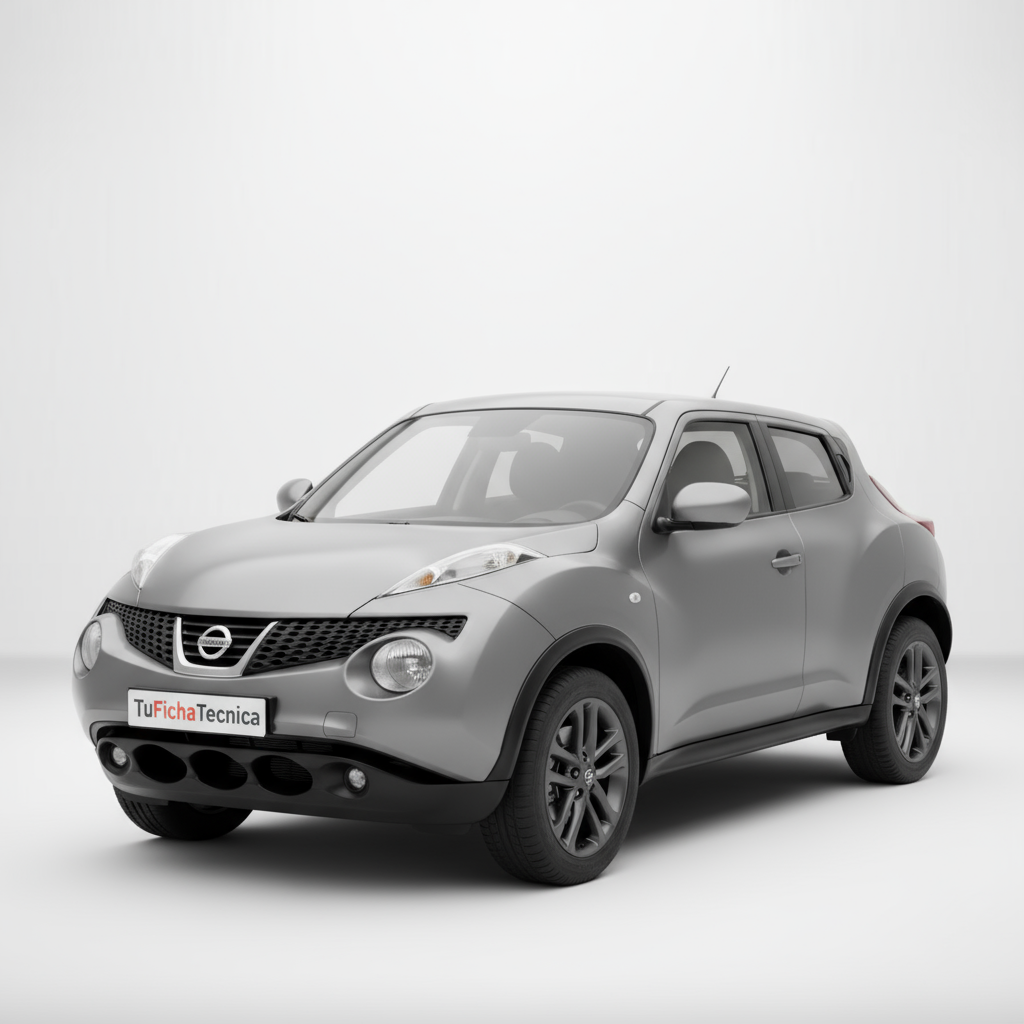
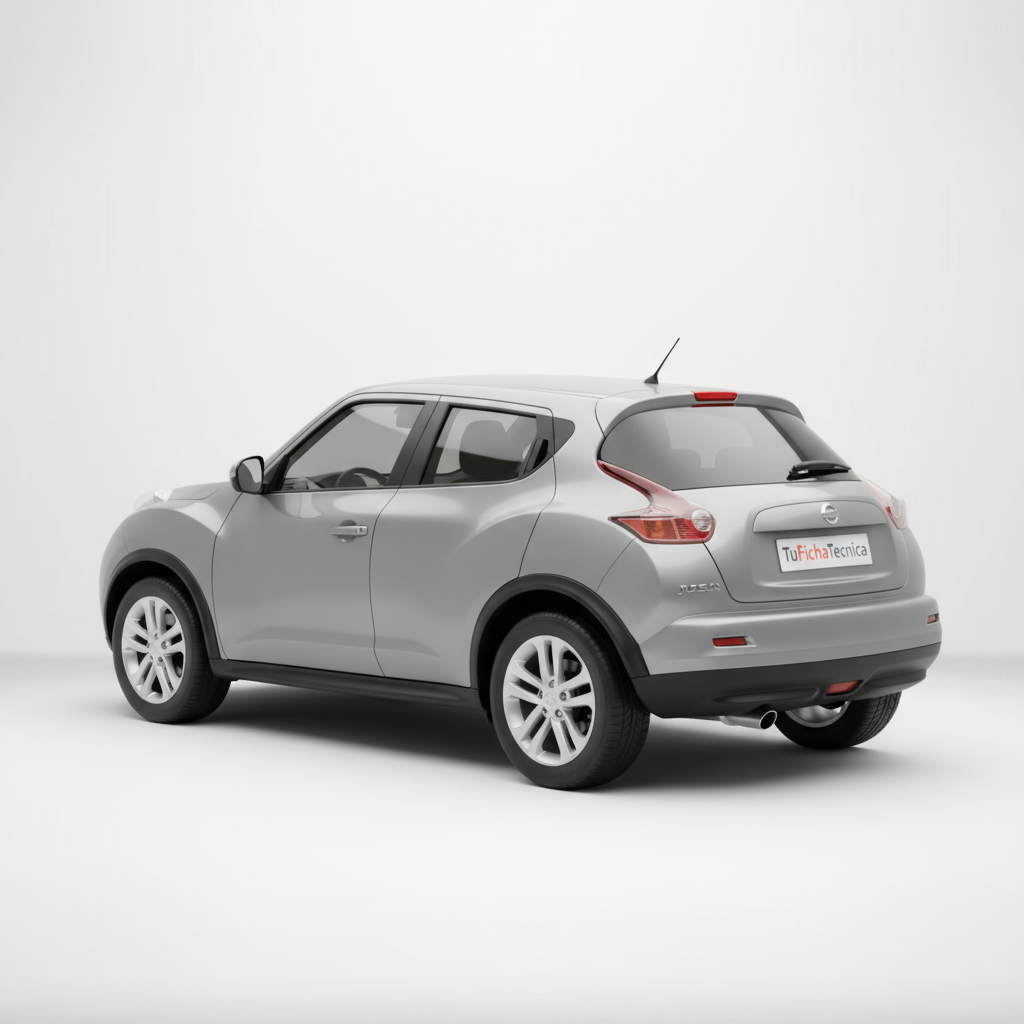
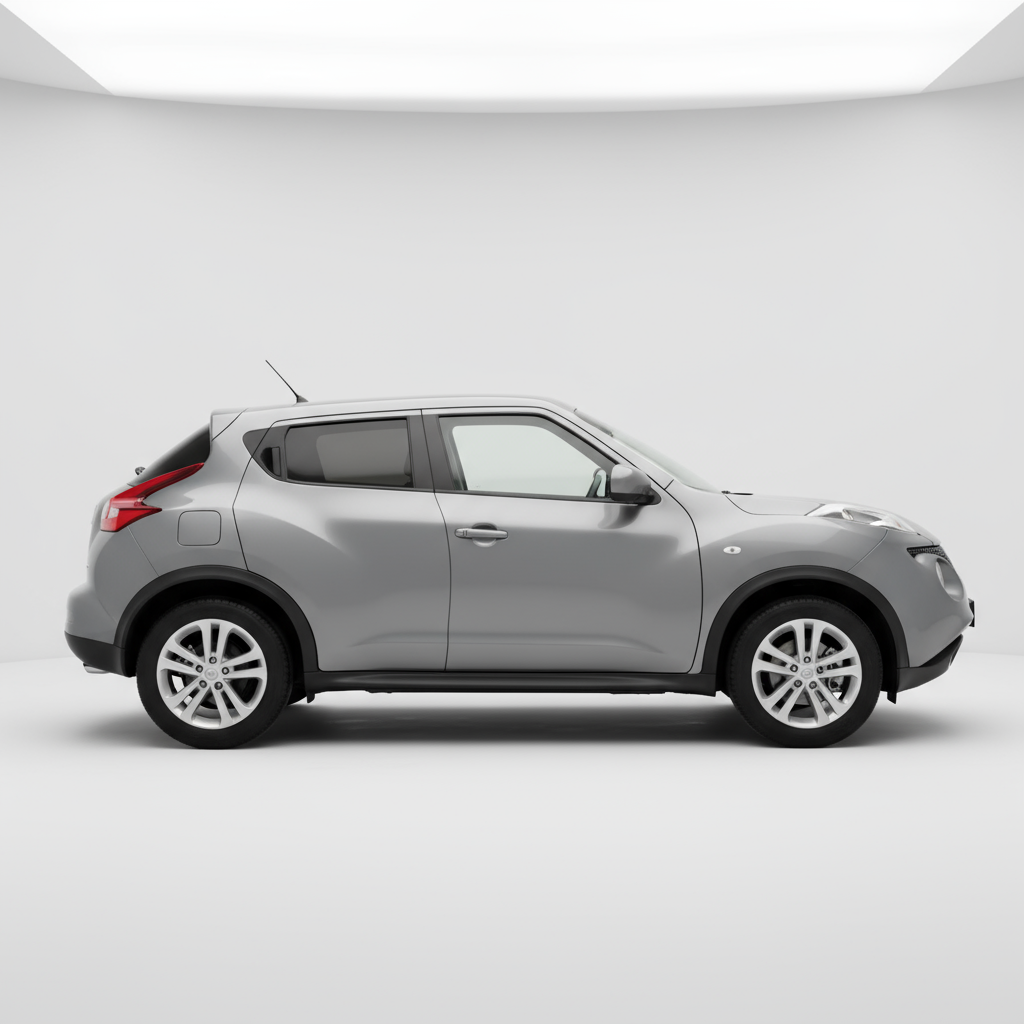
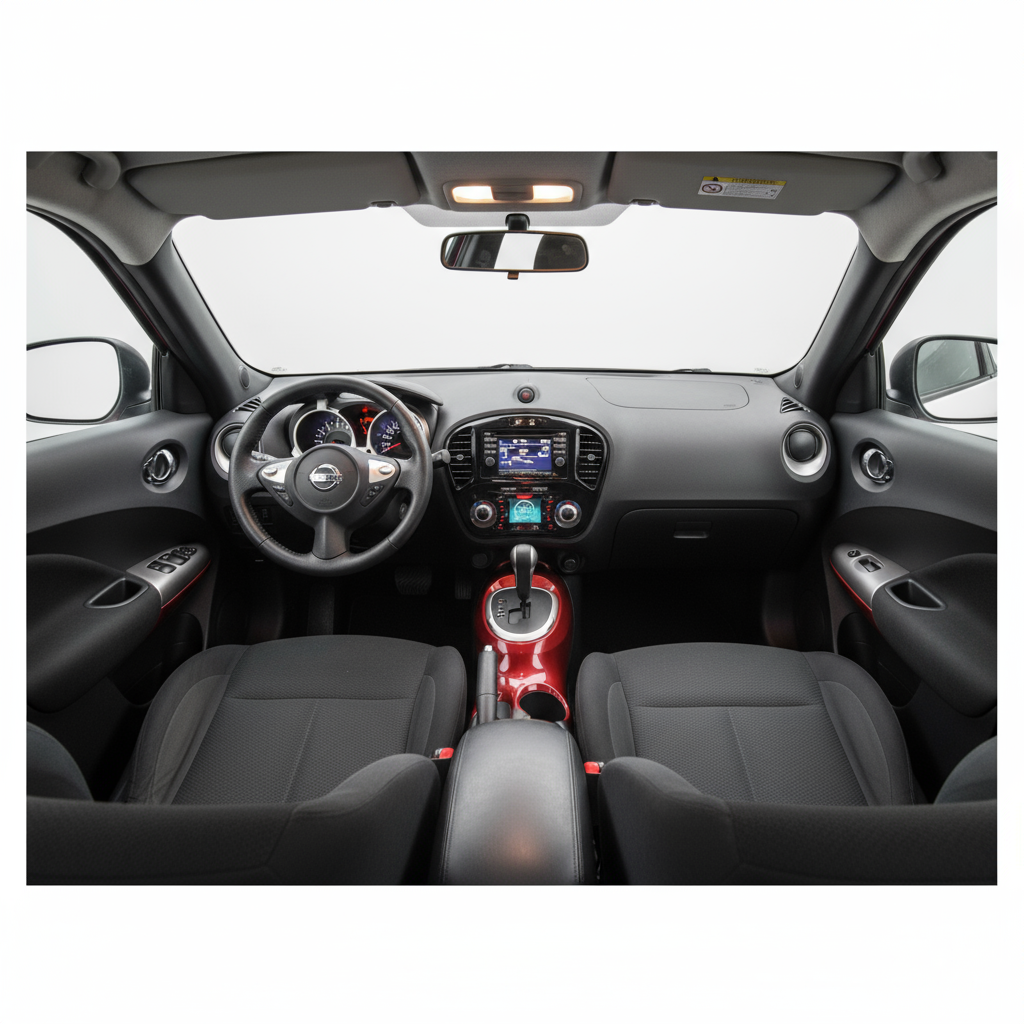
The design is, without a doubt, the most distinctive point of the Nissan Juke. Its bold lines and 'crossover coupé' aesthetic made it unmistakable. The split headlights, with the position lights at the top and the main headlights integrated into the bumper, gave it a unique look. The five-door body, with hidden rear door handles, contributed to that coupé image. Inside, the design was also original, with a center console inspired by a motorcycle fuel tank, which added a youthful and casual touch. Despite its compact dimensions (4135 mm long, 1765 mm wide, and 1570 mm high), it offered a functional cabin, although the 251-liter trunk could be somewhat limited for some needs.
Technology and features
In terms of technology, the 2010 Nissan Juke, in its Tekna Premium version, offered comprehensive equipment for its time. It featured indirect gasoline injection, a braking system with ventilated front discs and rear discs, and electric power steering. The Xtronic CVT automatic transmission, although not the most advanced, provided smooth and efficient driving. In terms of safety, it included the usual systems of the era. Its combined consumption of 6.3 l/100km and CO2 emissions of 145 g/km placed it in the Euro 5 category, with an environmental label C, reflecting a commitment to efficiency for its time.
Competition
At the time of its launch, the Nissan Juke faced growing competition in the compact crossover segment. Its main rivals included models such as the MINI Countryman, which offered a more premium and customizable approach, the Skoda Yeti, with a more practical and robust proposal, and the Dacia Duster, which competed on price. Each of them offered a different personality and approach, but the Juke stood out for its radical design and its commitment to differentiation, attracting an audience looking for more than just a car.
Conclusion
The 2010 Nissan Juke was a car that left no one indifferent. Its polarizing design was its greatest strength and, for some, its greatest weakness. However, it managed to create a market niche and attract those looking for a vehicle with personality and a touch of originality. It offered pleasant and efficient driving for the urban environment, comprehensive equipment, and mechanical reliability that made it a sensible option for everyday use. Despite some limitations in trunk space, its overall proposal was solid and attractive for a young and modern audience that valued aesthetics and differentiation.