
Especificaciones y análisis del Nissan Juke
Power
110HP
Torque
240Nm
Consumption
4.9l/100
Emissions
129g/km
0-100 km/h
11.2s
Top Speed
175km/h
Weight
1395kg
Price
17,650€
Technical summary
Gasóleo
Manual 6v
FWD
5 / 5 doors
251 L
46 L
81 kW
Current
Technical specifications
Engine
Capacities
Detailed analysis of the Nissan Juke Visia 1.5 dCi 110 CV 4X2 (2010-2012)
General description
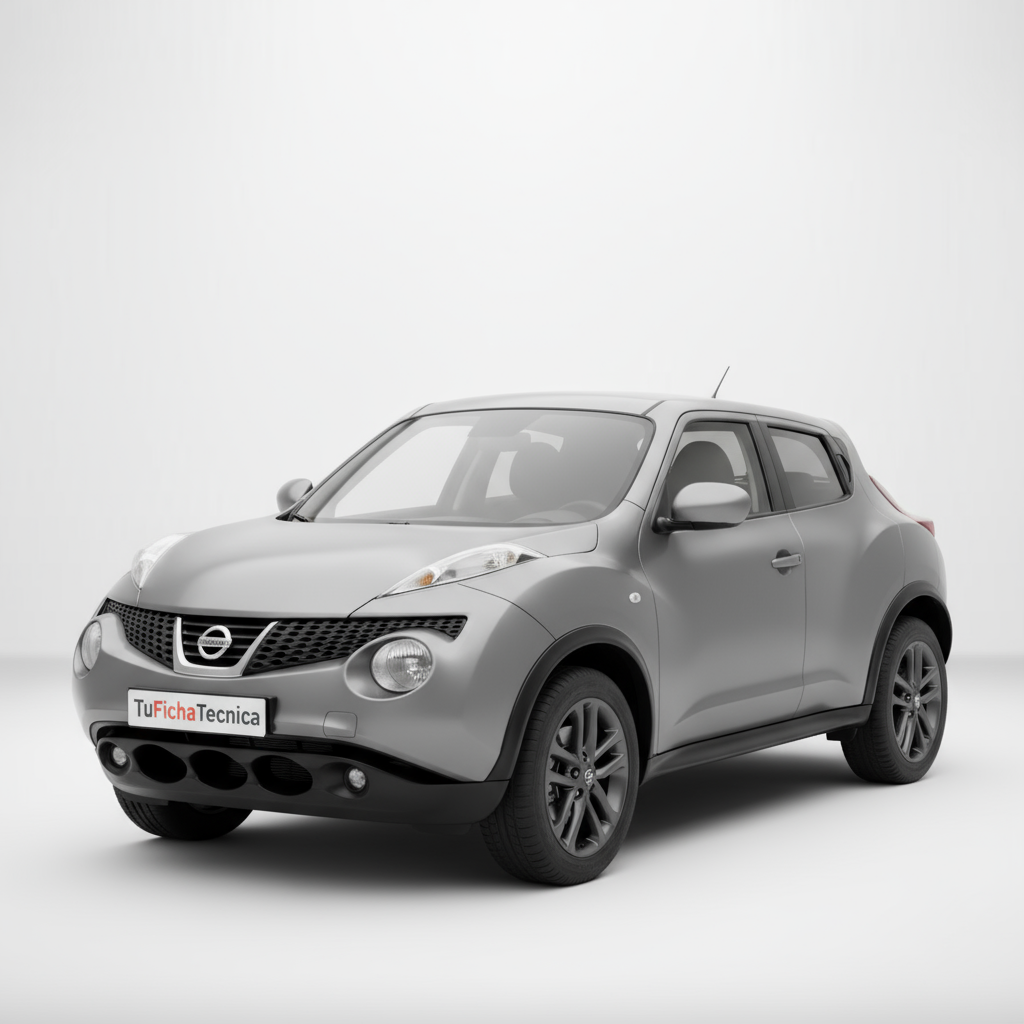
The 2010 Nissan Juke burst onto the market as a bold and different proposition, a compact crossover that challenged conventions with its groundbreaking aesthetics. This model, in its Visia 1.5 dCi 110 HP version, promised efficiency and a touch of distinction in the segment, seeking to capture those who wanted more than just a functional car.
Driving experience
Behind the wheel of the Juke 1.5 dCi, the feeling is one of agility in the urban environment, where its compact size and electric power steering facilitate maneuvers. The 110 HP diesel engine, although not an outpouring of power, offers 240 Nm of torque at low revolutions, which translates into adequate response for daily use and overtaking with some solvency. The suspension, McPherson type at the front and torsion beam at the rear, seeks a balance between comfort and body roll containment, although on more demanding roads it may show its limitations. The six-speed manual gearbox is precise and contributes to optimizing consumption, which is one of its strong points. The elevated driving position provides good visibility, although the small rear window can hinder vision in some situations.
Design and aesthetics
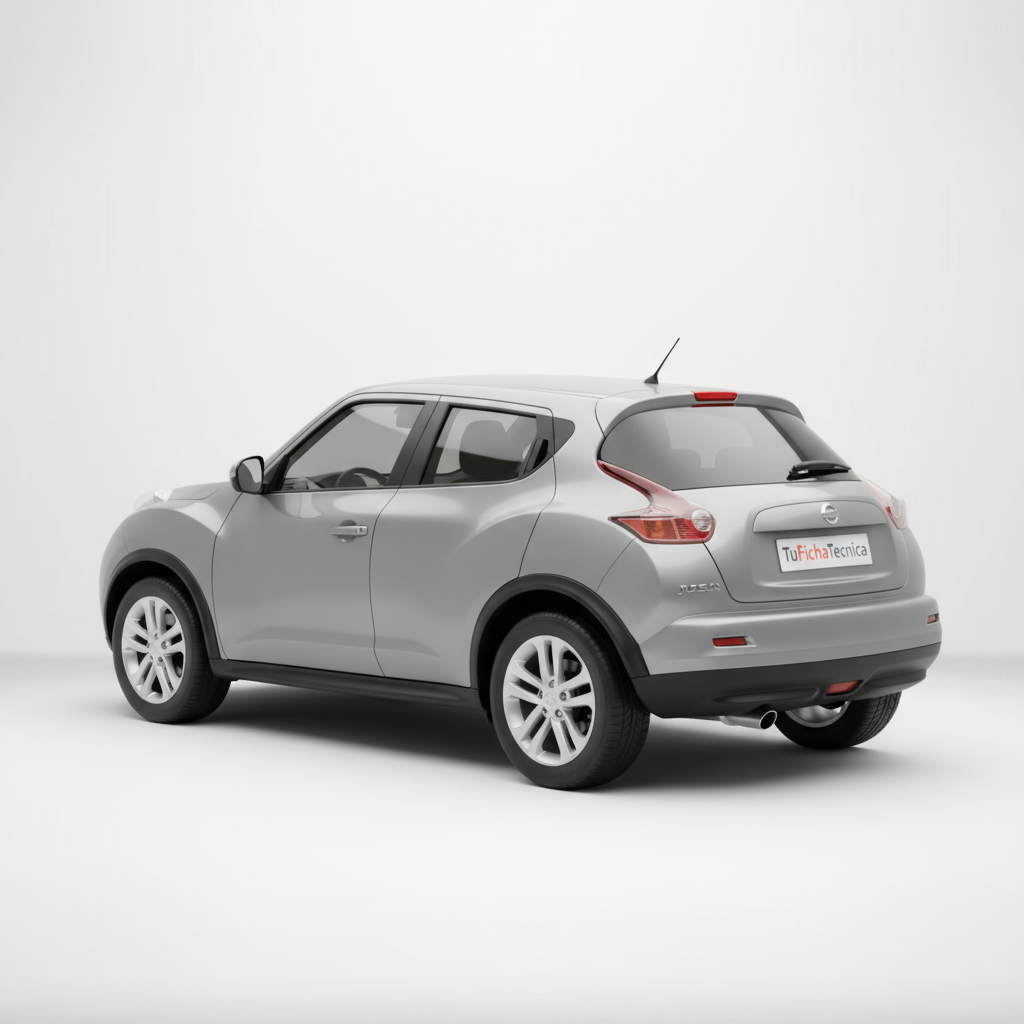
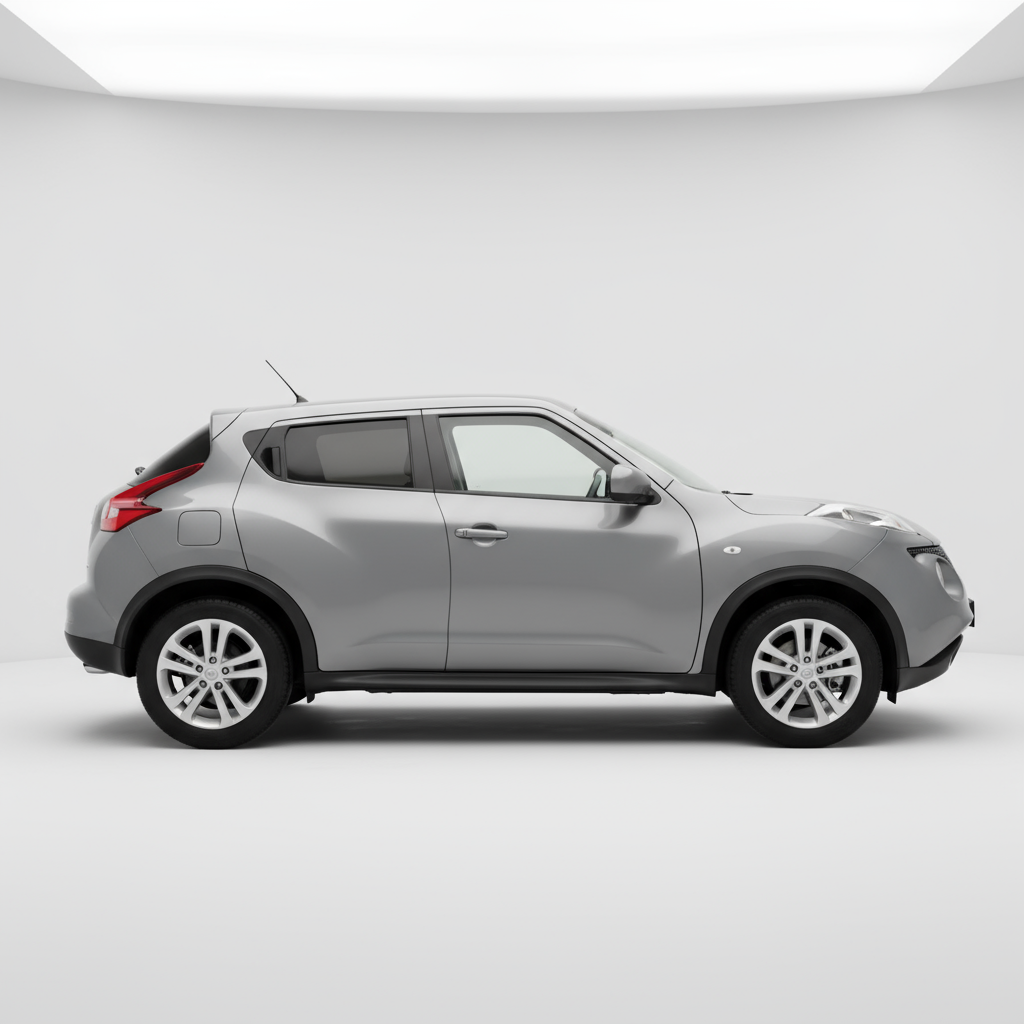
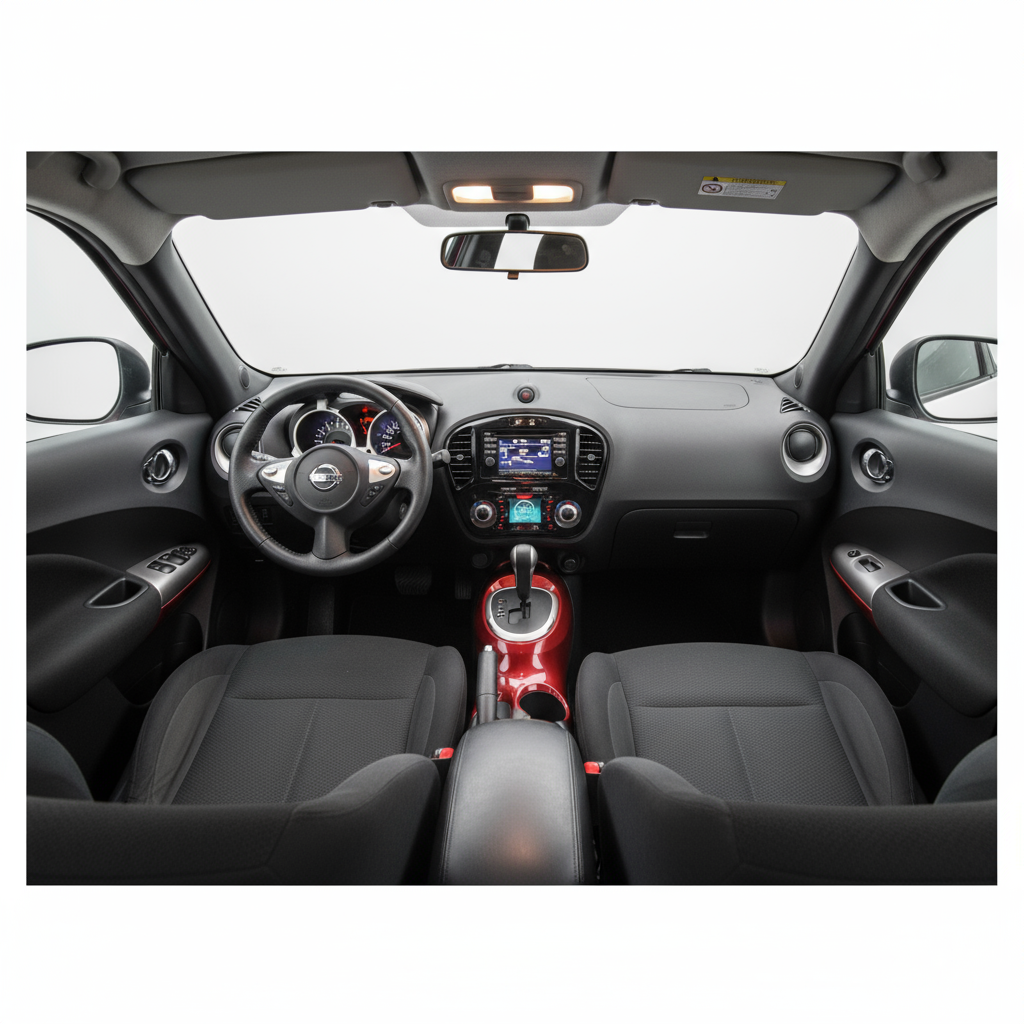
Design is, without a doubt, the most distinctive and polarizing feature of the 2010 Nissan Juke. With its divided headlights, a prominent grille, and muscular lines that give it a robust and almost futuristic appearance, the Juke does not go unnoticed. The rear door handles integrated into the window frame give it a coupé look, accentuating its sporty character. Inside, the design is more conventional but with details that seek originality, such as the center console inspired by a motorcycle fuel tank. The materials are adequate for the segment, with a combination of hard plastics and some softer-touch surfaces. The habitability is suitable for four occupants, although the rear seats may be a bit tight for tall adults on long journeys. The trunk, with 251 liters, is sufficient for daily use, but does not stand out for its capacity.
Technology and features
In terms of technology, the 2010 Nissan Juke Visia 1.5 dCi offered the essentials for its time. It featured a common rail direct injection system, variable geometry turbo, and intercooler to optimize the performance of the diesel engine. Speed-sensitive electric power steering improved the driving experience. In the safety section, it included ventilated front disc brakes and rear discs, as well as the active and passive safety systems expected in a vehicle of its category. Although it did not incorporate the latest innovations in connectivity or driving assistance that we see today, it met the expectations of a car in its segment and year.
Competition
In the competitive compact crossover segment, the 2010 Nissan Juke faced rivals such as the Skoda Yeti, the Mitsubishi ASX, or the Dacia Duster. Each with its own strengths, the Juke stood out mainly for its bold design and its more youthful approach. While the Yeti offered greater practicality and a more sober design, the ASX opted for a more robust image and the Duster for a more adjusted price. The Juke sought a market niche for those who valued aesthetics and differentiation above other attributes.
Conclusion
The 2010 Nissan Juke Visia 1.5 dCi was a car that left no one indifferent. Its groundbreaking design was its greatest asset and its main point of debate. It offered an efficient diesel engine and adequate dynamic behavior for daily use, with contained consumption that made it attractive for those seeking economy. Although its rear habitability and trunk capacity were not its strongest points, its unique personality and agility in the city made it an interesting option for an audience looking to break away from the conventional. It was a pioneer in the urban crossover segment, paving the way for future generations of vehicles with a more emotional approach.