
Especificaciones y análisis del Nissan Juke
Power
110HP
Torque
260Nm
Consumption
4.2l/100
Emissions
109g/km
0-100 km/h
11.2s
Top Speed
175km/h
Weight
1370kg
Price
19,450€
Technical summary
Gasóleo
Manual 6v
FWD
5 / 5 doors
251 L
46 L
81 kW
Current
Technical specifications
Engine
Capacities
Detailed analysis of the Nissan Juke Acenta 1.5 dCi 110 CV Stop&Start 4X2 (2013)
General description
The 2010 Nissan Juke burst onto the market as a bold and different proposition, a compact crossover that challenged conventions with its groundbreaking aesthetic. This model, in its Acenta 1.5 dCi 110 HP version with Stop&Start and 4x2 traction, was presented as an interesting option for those looking for a vehicle with personality and efficiency.
Driving experience
Behind the wheel of the Juke, the sensation is one of agility and dynamism. Its 110 HP diesel engine, although not an abundance of power, offers adequate response for daily use and very contained consumption. The electric and speed-sensitive power steering provides a good connection with the road, while the suspension, McPherson type at the front and trailing arm with torsional element at the rear, filters out irregularities without sacrificing a touch of firmness that encourages agile driving. The six-speed manual gearbox is precise and contributes to a pleasant driving experience. The elevated driving position offers good visibility, although the peculiar shape of the bodywork may require a brief period of adaptation to get used to its dimensions.
Design and aesthetics
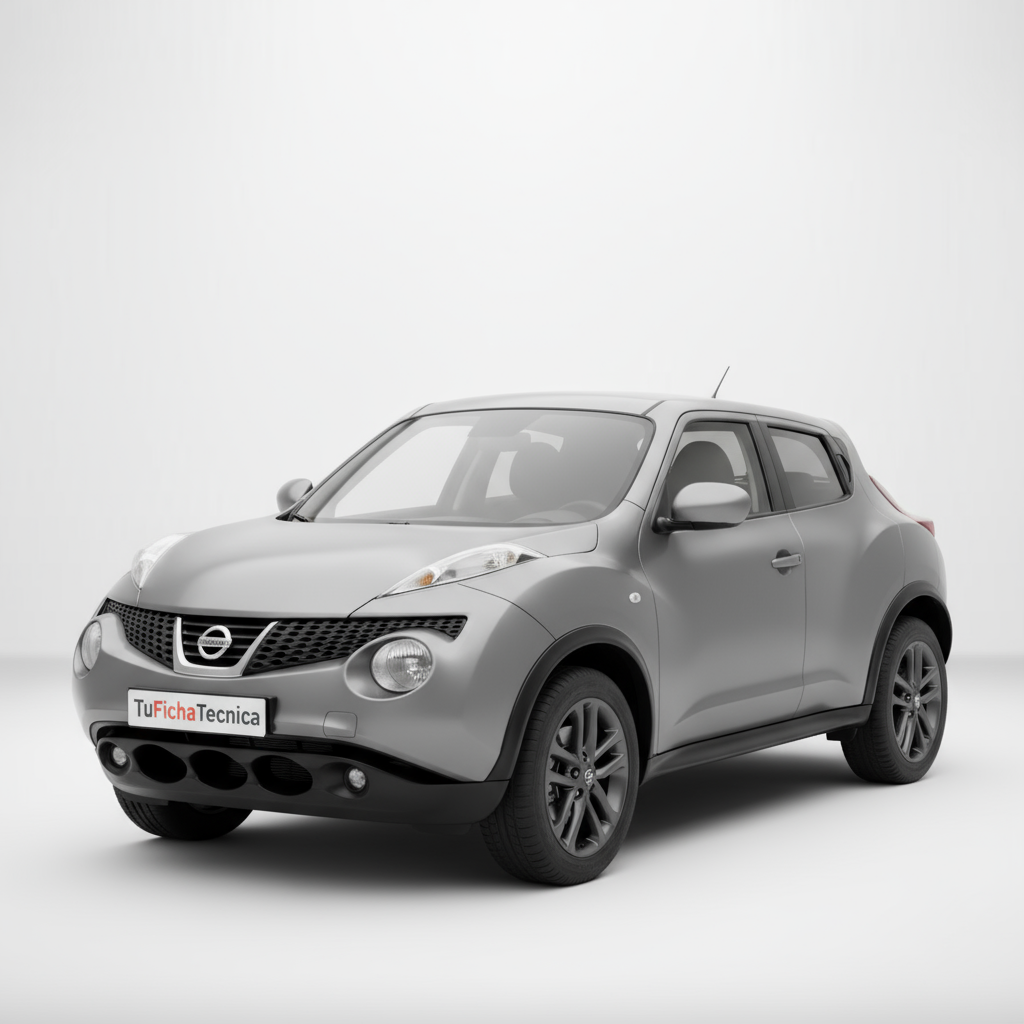
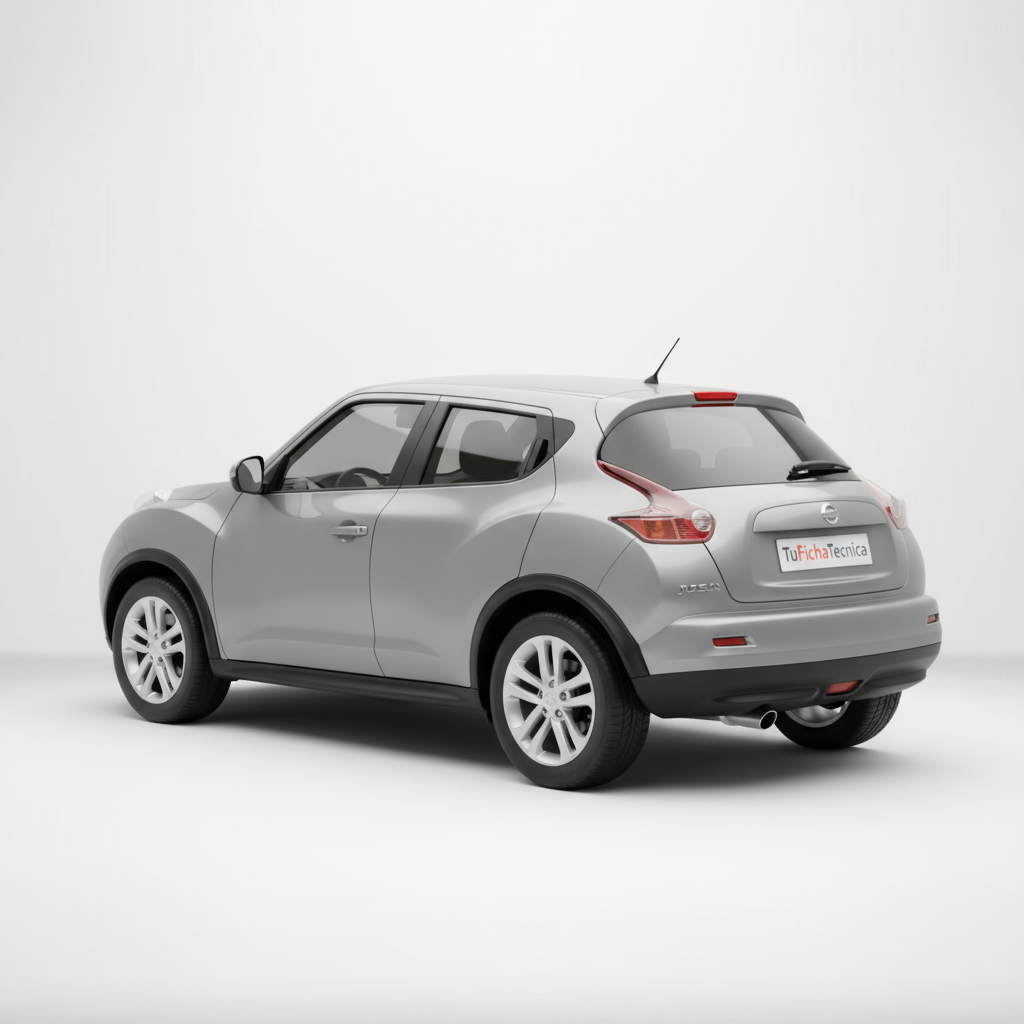
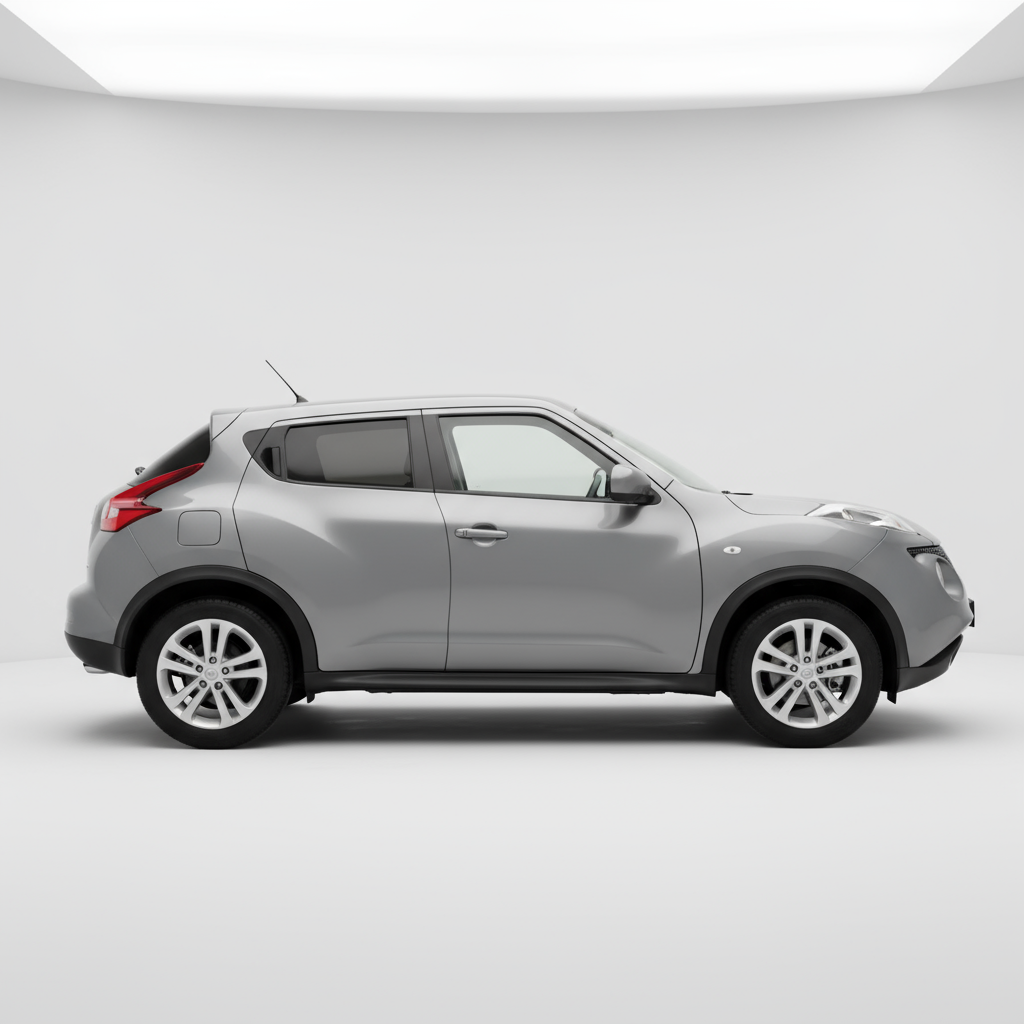
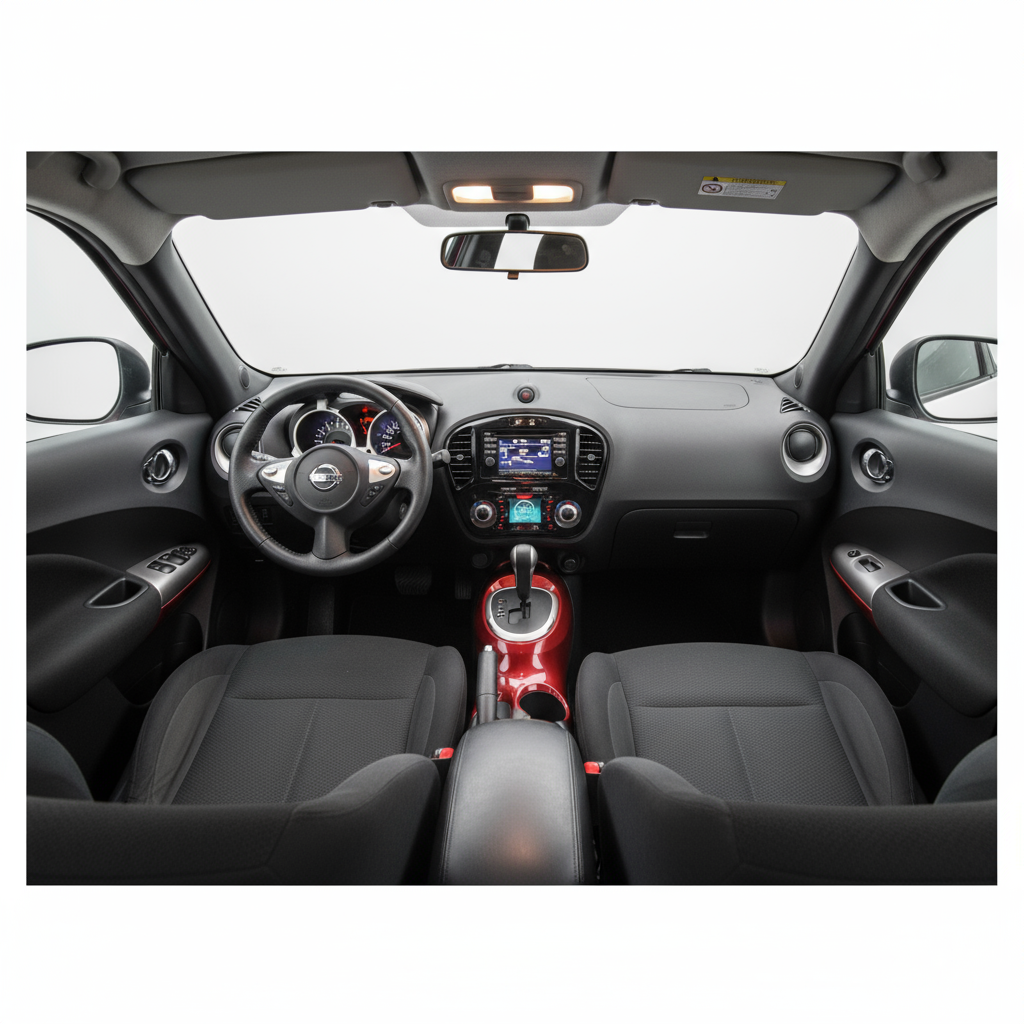
The design is, without a doubt, the most distinctive point of the Nissan Juke. Its bold lines and elevated coupe aesthetic made it stand out from the very beginning. The divided front headlights, with the position lights at the top and the main headlights integrated into the bumper, give it a unique look. The rear, with its taillights inspired by the 370Z, and the marked wheel arches, reinforce its sporty and robust character. Inside, the design is no less original, with a center console inspired by a motorcycle fuel tank, which adds a touch of color and personality. The materials, although not luxurious, fulfill their function and the whole conveys a sense of solidity.
Technology and features
In terms of technology, the 2010 Nissan Juke, in this Acenta version, offered the essentials for the time. The 110 HP 1.5 dCi engine incorporated common rail direct injection, variable geometry turbo, and intercooler, which guaranteed good efficiency and adequate performance. The inclusion of the Stop&Start system contributed to reducing fuel consumption and emissions in urban environments. The electric and speed-sensitive power steering improved maneuverability and the feeling of control. In the safety section, it had ventilated disc brakes at the front and solid discs at the rear, ensuring effective braking. Although it did not stand out for a profusion of advanced driving assistance systems, its equipment was competitive for its segment and year.
Competition
When the Nissan Juke arrived on the market, it faced a compact crossover segment that was just beginning to emerge. Its main rivals were models such as the MINI Countryman, which offered a more premium approach and a retro design, or the Skoda Yeti, with a more practical and functional proposal. It also competed with more traditional SUVs such as the Dacia Duster, which opted for a more adjusted price, or even with elevated compacts such as the Citroën C4 Cactus in its initial versions. The Juke differentiated itself from all of them by its radical design and its more youthful and carefree approach, seeking an audience that valued originality above all else.
Conclusion
The 2010 Nissan Juke, especially in this diesel configuration, was a car that left no one indifferent. Its polarizing design was its greatest strength and, at the same time, its greatest weakness, attracting those who sought something different and alienating the more conservative. It offered an interesting balance between efficiency, thanks to its dCi engine and the Stop&Start system, and agile dynamic behavior. It was an ideal vehicle for the city and occasional getaways, with a compact size that facilitated parking and an elevated driving position that provided safety. In short, the Juke was a pioneer in its segment, a car with character that set trends and showed that automotive design could be innovative.