
Especificaciones y análisis del Nissan Juke
Power
110HP
Torque
240Nm
Consumption
5.1l/100
Emissions
134g/km
0-100 km/h
11.2s
Top Speed
175km/h
Weight
1360kg
Price
17,950€
Technical summary
Gasóleo
Manual 6v
FWD
5 / 5 doors
251 L
46 L
81 kW
Current
Technical specifications
Engine
Capacities
Detailed analysis of the Nissan Juke 1.5 dCi 4X2 Visia · 110 CV (2010-2011)
General description
The 2010 Nissan Juke 1.5 dCi 4X2 Visia burst onto the market as a bold and different proposition, challenging the conventions of compact SUVs. With its groundbreaking aesthetics and an efficient diesel engine, it sought to win over those who longed for a car with personality and a touch of urban adventure. Its price of €17,950 positioned it as an attractive option for those looking to stand out without sacrificing running costs.
Driving experience
Behind the wheel of the Juke 1.5 dCi, the sensation is one of agility and responsiveness. Its 110 HP, delivered by a 1461 cc engine, feel energetic, especially in the mid-range of revolutions, thanks to a torque of 240 Nm available from 1750 rpm. The speed-sensitive electric power steering offers a good connection with the road, making every turn precise and fun. The suspension, McPherson type at the front and torsion beam with trailing arm at the rear, achieves a balance between comfort and firmness, absorbing road irregularities without sacrificing a secure footing. Although its top speed of 175 km/h and an acceleration from 0 to 100 km/h in 11.2 seconds do not make it a sports car, its dynamic behavior is more than sufficient for daily use and occasional getaways. The combined consumption of 5.1 l/100km is a plus for the wallet.
Design and aesthetics
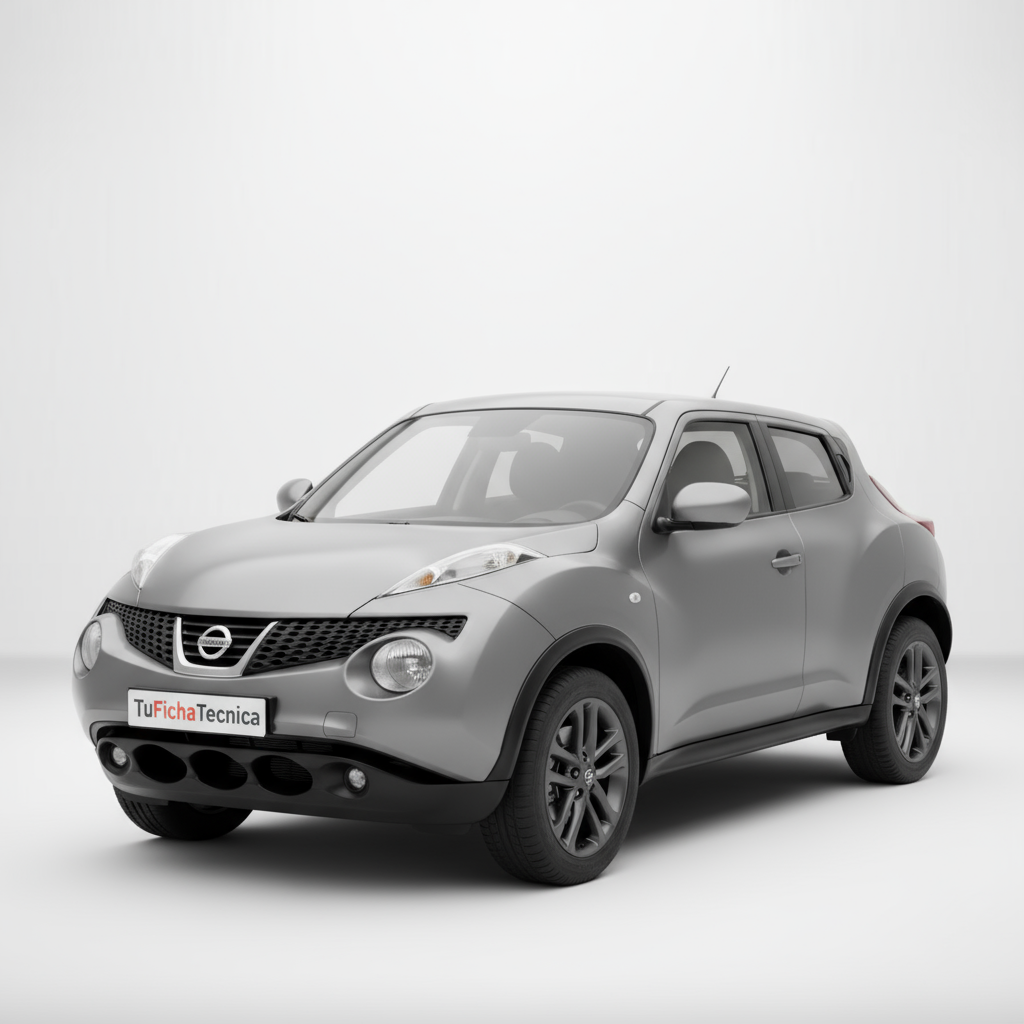
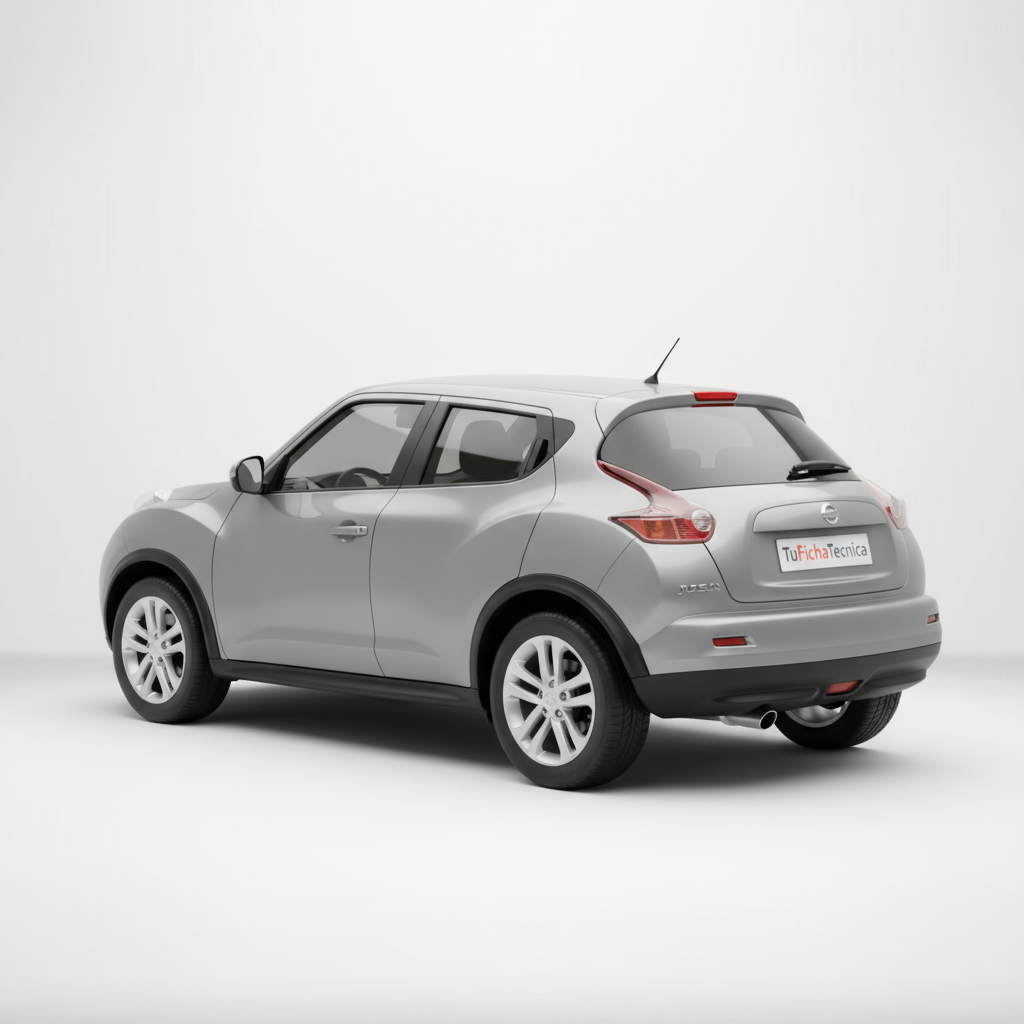
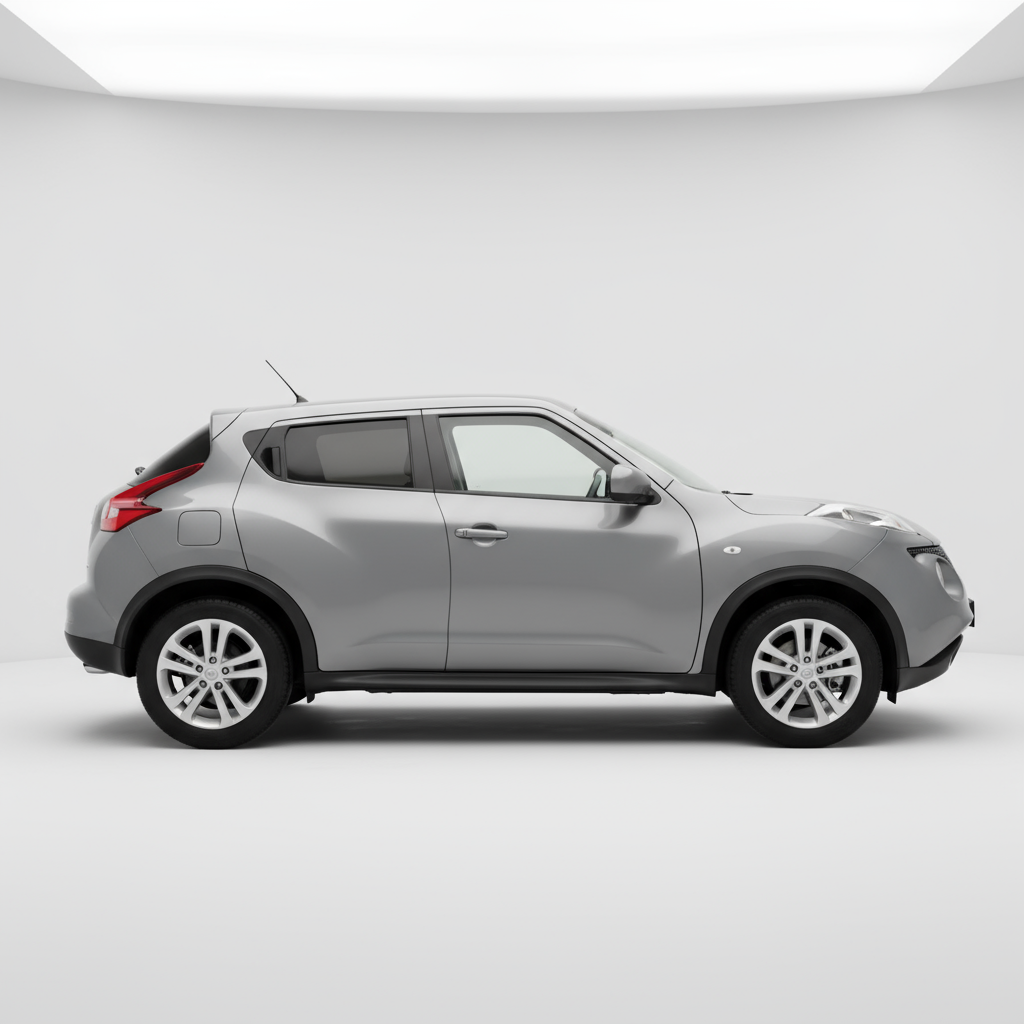
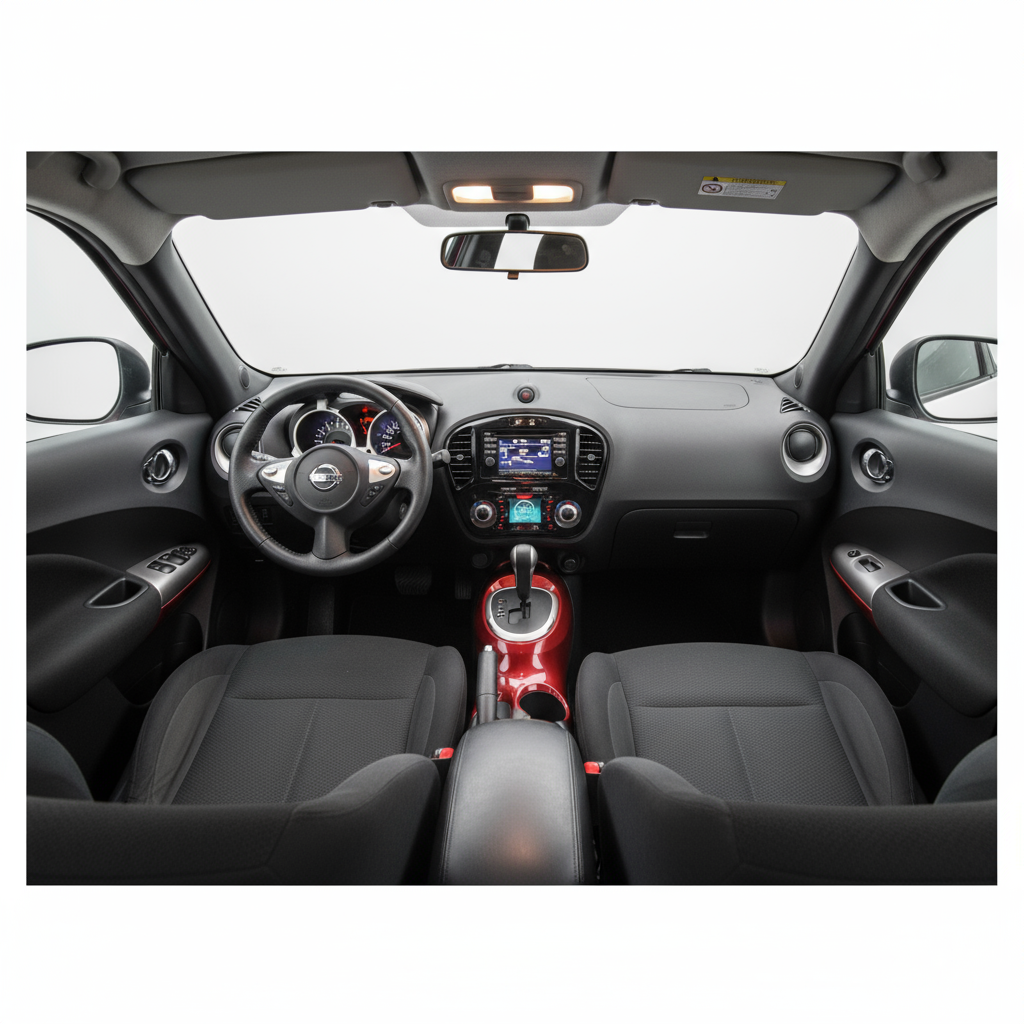
The design of the Nissan Juke is, without a doubt, its strongest calling card. With its 4135 mm length, 1765 mm width, and 1570 mm height, its proportions are compact but muscular. The bold lines, the elevated headlights integrated into the hood, and the coupé silhouette with hidden rear door handles give it an unmistakable appearance. It is a car that does not go unnoticed, designed to stand out in the urban jungle. The interior, although more conventional than the exterior, maintains a youthful touch with details such as the center console inspired by a motorcycle fuel tank. Despite its 5 doors and 5 seats, the 251-liter trunk may be a bit tight for long trips, but it is adequate for daily use.
Technology and features
In the technology section, the 2010 Juke 1.5 dCi Visia offered the essentials for its time. Its direct injection common rail diesel engine, turbo with variable geometry and intercooler, was an example of efficiency. The 6-speed manual transmission allowed precise control over power delivery. Although it lacked advanced driving assistance systems that are common today, its electric power steering and ventilated front disc brakes and rear disc brakes ensured safe and controlled driving. The absence of a Stop&Start system in this version is a detail to consider, although its consumption was already quite contained.
Competition
At the time of its launch, the Nissan Juke faced an emerging segment of compact SUVs and crossovers. Its main rivals included models such as the Skoda Yeti, with a more practical and robust approach, or the Mini Countryman, which opted for a retro design and a sportier driving experience. It also competed with higher versions of utility vehicles such as the Renault Captur (although this arrived a little later) or the Peugeot 2008. The Juke differentiated itself from all of them by its radical design and its commitment to originality, seeking an audience that valued aesthetics above all else.
Conclusion
The 2010 Nissan Juke 1.5 dCi 4X2 Visia was a car that marked a before and after in its segment. Its polarizing design, you either loved it or hated it, was its greatest strength and its greatest weakness. However, beneath that bold skin, lay a competent vehicle, with an efficient diesel engine and pleasant dynamic behavior. It was the perfect choice for those looking for a car with character, that broke away from the conventional and offered a fun and economical driving experience. Despite some limitations in interior space and trunk, its value proposition was clear: style, efficiency, and a touch of rebellion.