
Especificaciones y análisis del Nissan Almera
Power
90HP
Torque
128Nm
Consumption
6.6l/100
Emissions
-g/km
0-100 km/h
13.8s
Top Speed
173km/h
Weight
1210kg
Price
14,520€
Technical summary
Gasolina
Manual 5v
FWD
5 / 4 doors
460 L
60 L
66 kW
Current
Technical specifications
Engine
Capacities
Detailed analysis of the Nissan Almera 1.5 Comfort 4p AA ABS · 90 CV (2000-2002)
General description
The 2000 Nissan Almera, in its 1.5 Comfort 4-door version, presented itself as a sensible and functional option in the compact segment. With a 90 hp gasoline engine and a 5-speed manual transmission, this vehicle was designed to offer reliable and economical transportation, without great sporting pretensions, but with the promise of durability that characterized the Japanese brand at that time. Its focus was clearly on practicality and everyday comfort, seeking to satisfy the needs of families or individuals who valued efficiency and robustness.
Driving experience
Behind the wheel of the Almera 1.5 Comfort, the sensations were of predictable and uneventful driving. The 90 hp of its 1.5-liter engine offered an adequate response for urban circulation and interurban journeys, although it did not stand out for dazzling acceleration, reaching 100 km/h in 13.8 seconds. The suspension, McPherson type at the front and rigid axle at the rear, was configured to absorb road irregularities, providing a comfortable ride. The rack-and-pinion steering, although lacking the precision of more modern systems, fulfilled its function, making the car feel manageable and easy to control. In general, it was a car that conveyed confidence and safety, ideal for those looking for a quiet and uncomplicated travel companion.
Design and aesthetics
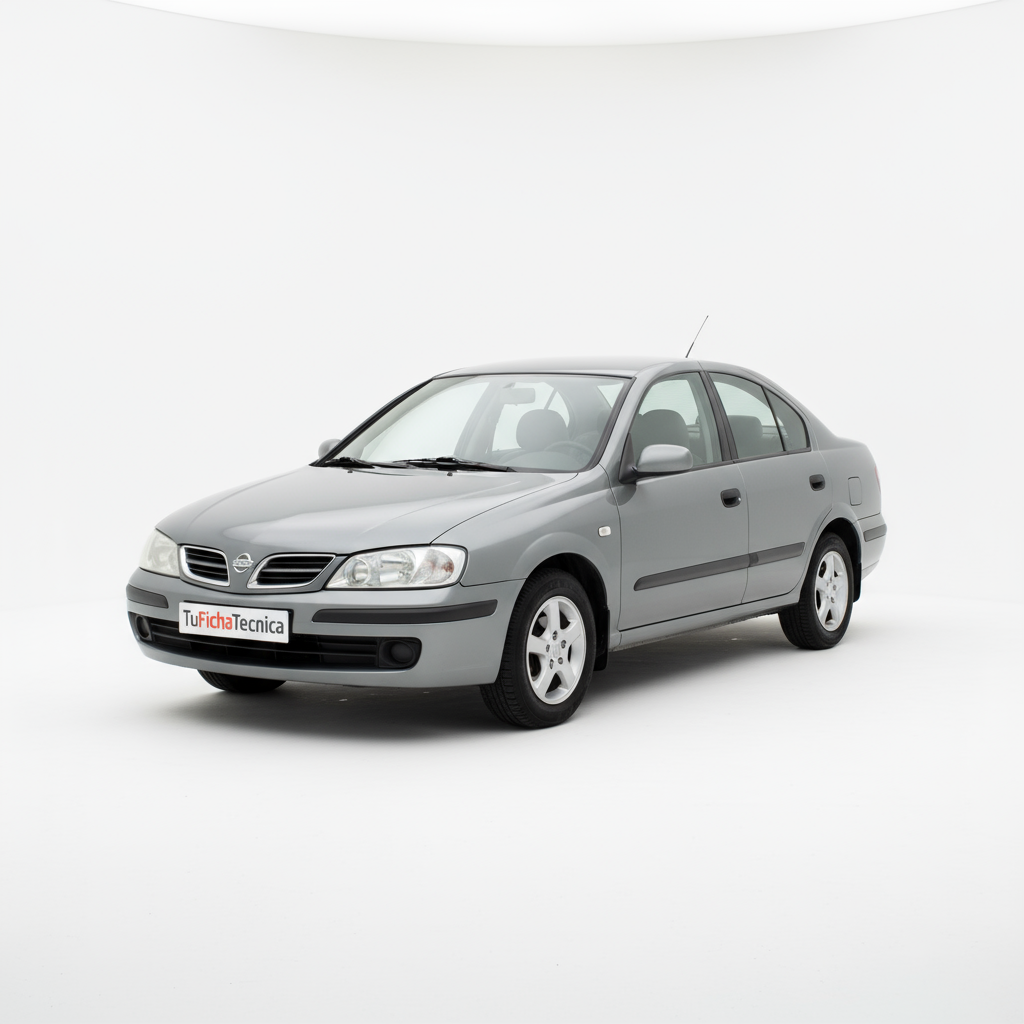
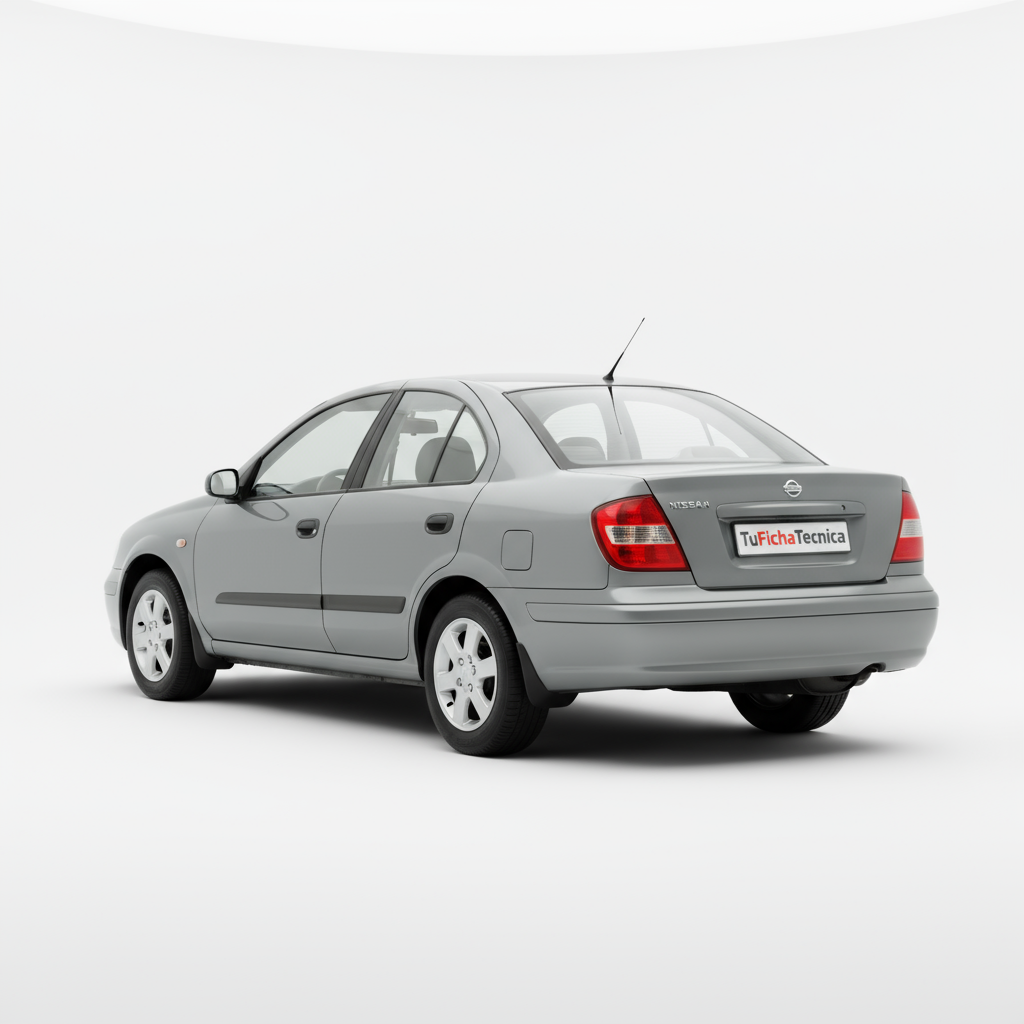
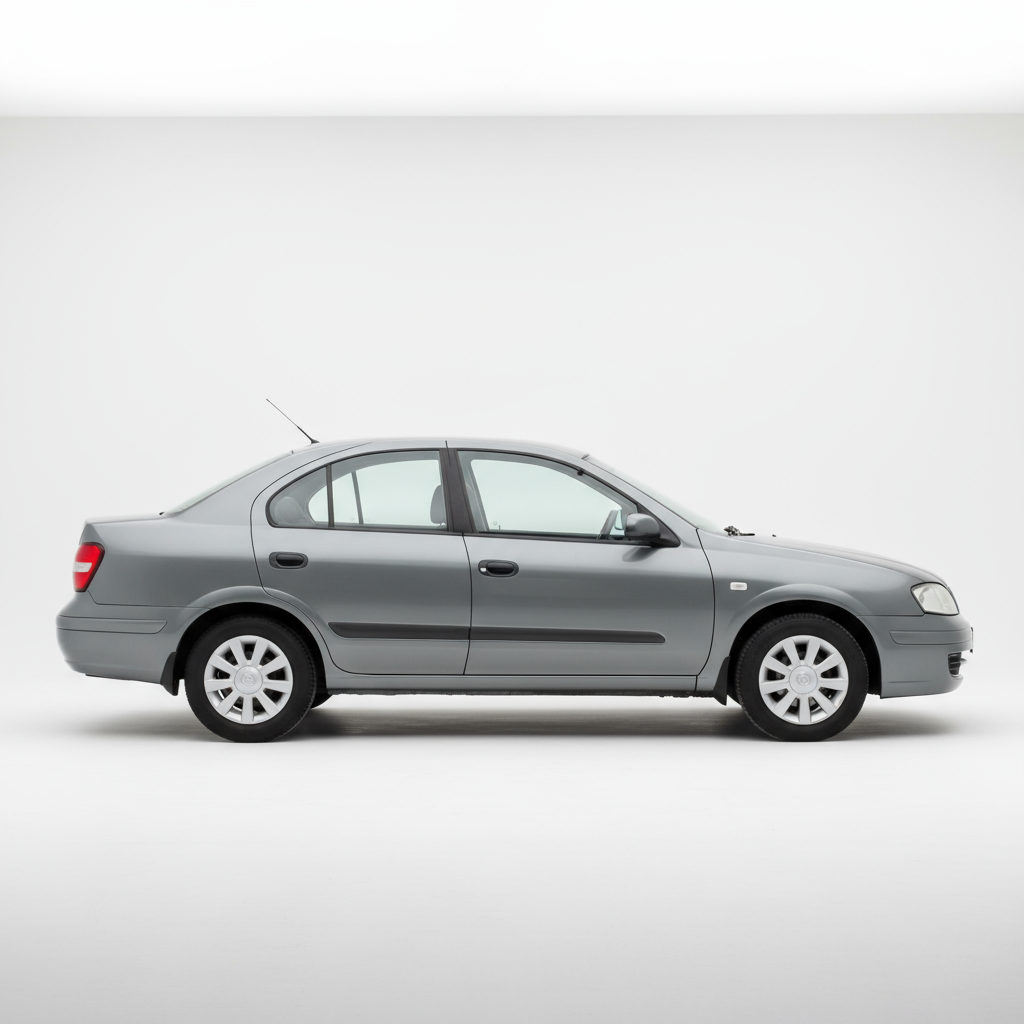
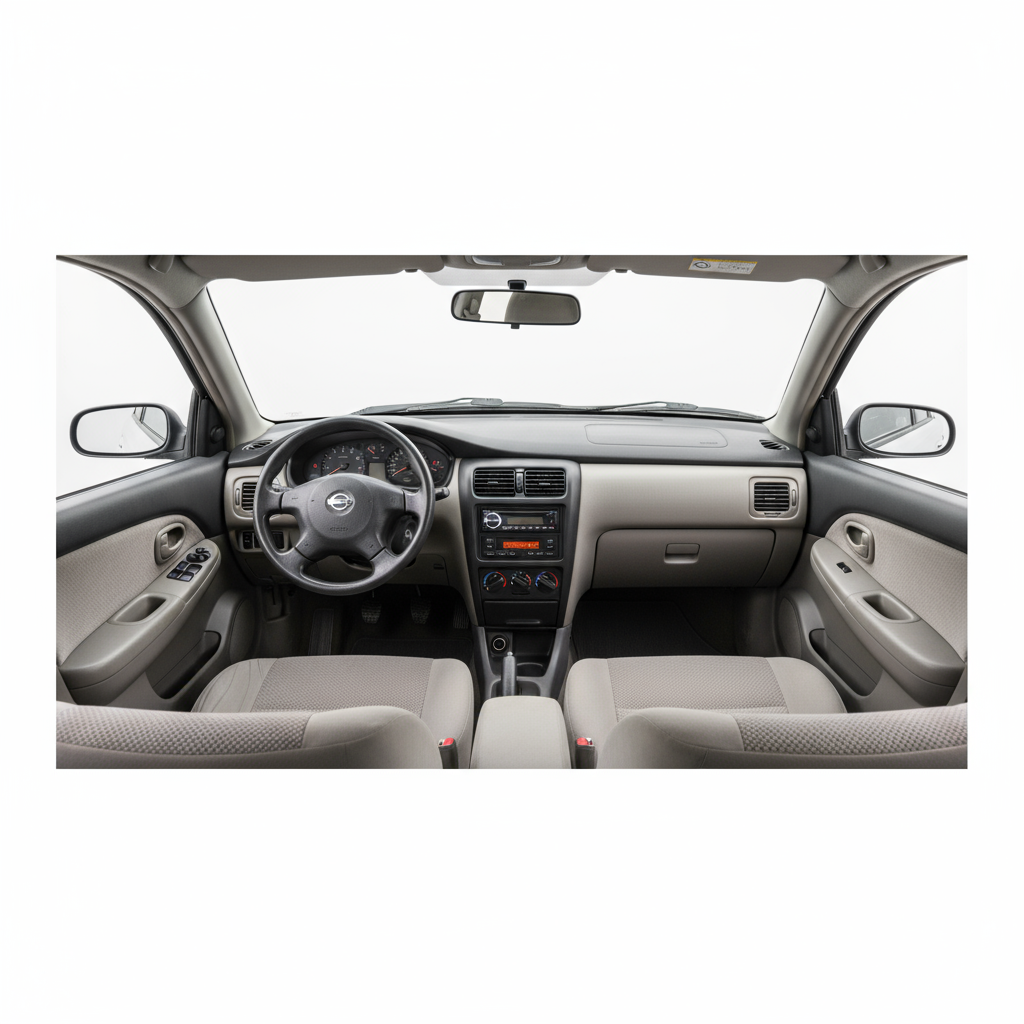
The design of the 2000 Nissan Almera was a reflection of functionality and sobriety. Its lines were clean and discreet, without elements that sought to attract excessive attention. The 4-door body, with a length of 4425 mm, a width of 1695 mm, and a height of 1445 mm, offered a balanced and proportionate appearance. The front featured generously sized headlights and a simple grille, while the rear maintained the same design philosophy, with taillights that integrated harmoniously into the whole. The interior, although not notable for luxury, was well organized and offered good habitability for its five occupants, with a 460-liter trunk that was very practical for daily luggage or family trips. It was a design that prioritized utility and durability over avant-garde aesthetics.
Technology and features
In 2000, the Nissan Almera 1.5 Comfort incorporated technology that, although not cutting-edge, was effective and reliable. Its 1498 cc gasoline engine, with indirect injection and 4 valves per cylinder, offered a power of 90 hp at 5600 rpm and a torque of 128 Nm at 2800 rpm. The 5-speed manual transmission was robust and smooth-operating. In terms of safety, it had ventilated disc brakes at the front and discs at the rear, complemented by ABS, which provided safe braking. The suspension, with a McPherson scheme at the front and a rigid axle at the rear, sought a balance between comfort and stability. Although it lacked the electronic sophistications of current cars, its technology was oriented towards reliability and simple maintenance, which made it a practical option for many drivers.
Competition
In its segment, the 2000 Nissan Almera 1.5 Comfort faced solid competition. Its main rivals included models such as the Opel Astra, the Ford Focus, the Volkswagen Golf, the Toyota Corolla, and the Honda Civic. All of them offered similar proposals in terms of size and engines, seeking a balance between performance, consumption, and habitability. The Almera stood out for its reputation for reliability and its focus on practicality, although it perhaps did not offer the same driving dynamism as some of its European competitors or the brand image of other Japanese cars. Its price of €14,520 positioned it competitively in the market, attracting those looking for a no-frills car with a good history of durability.
Conclusion
The 2000 Nissan Almera 1.5 Comfort was a car that more than fulfilled its purpose: to offer reliable, comfortable, and economical transportation. Although it did not stand out for its groundbreaking design or its sporty performance, its mechanical solidity, its habitability, and its low combined consumption of 6.6 l/100km made it a very attractive option for everyday use. It was an honest car, without artifice, that earned the trust of its owners for its durability and ease of maintenance. A car that, despite the years, remains a testament to Japanese engineering focused on functionality and resistance.