
Especificaciones y análisis del Mitsubishi Space Wagon
Power
150HP
Torque
225Nm
Consumption
9.3l/100
Emissions
-g/km
0-100 km/h
10.7s
Top Speed
190km/h
Weight
1510kg
Price
22,529€
Technical summary
Gasolina
Manual 5v
FWD
7 / - doors
240 L
63 L
110 kW
Current
Technical specifications
Engine
Capacities
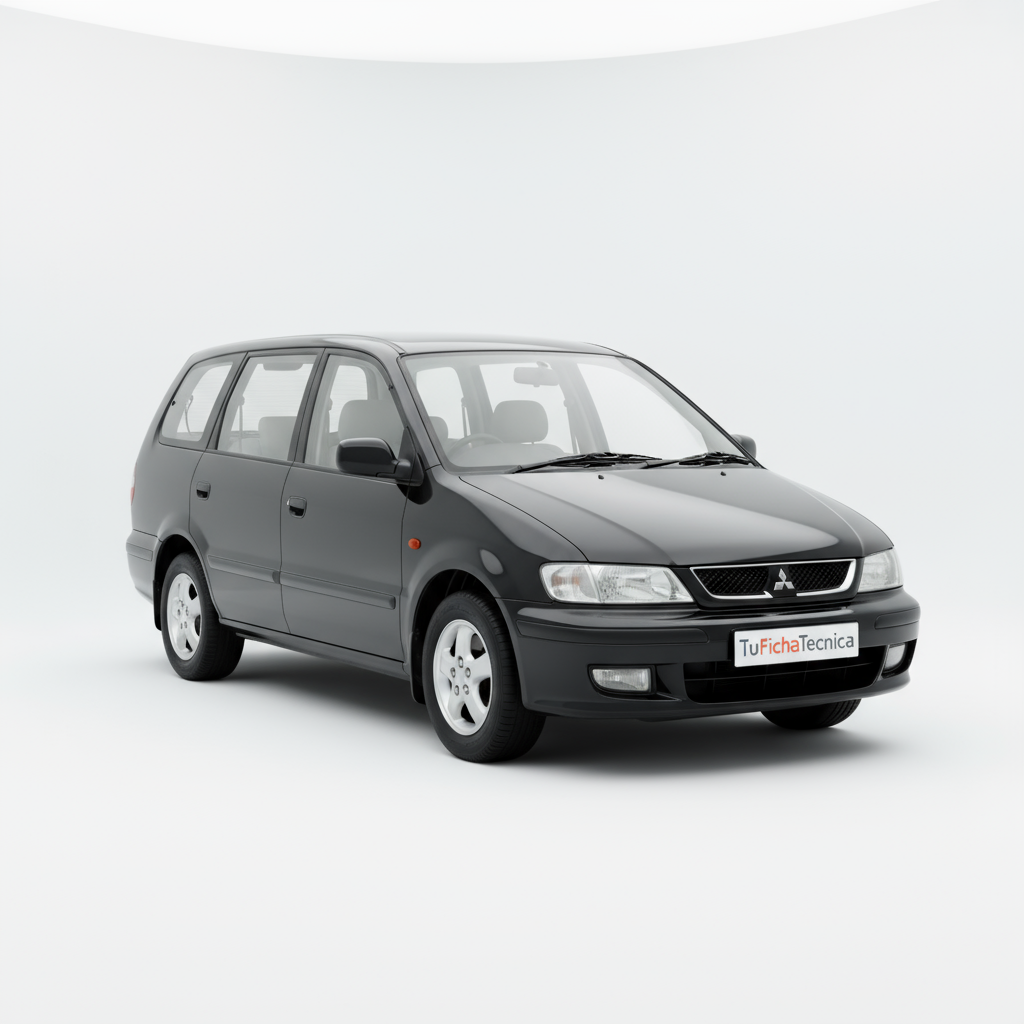
Detailed analysis of the Mitsubishi Space Wagon 2.4 GDI GLX (7 plazas) · 150 CV (2000-2001)
General description
The 1999 Mitsubishi Space Wagon, in its 2.4 GDI GLX 7-seater version, is presented as a family minivan that sought to offer space and versatility at a time when this segment was beginning to consolidate. With a 150 HP gasoline engine and front-wheel drive, it promised adequate performance for daily use and family trips, standing out for its seven-seat configuration that made it ideal for large families or for those who needed flexibility in transportation.
Driving experience
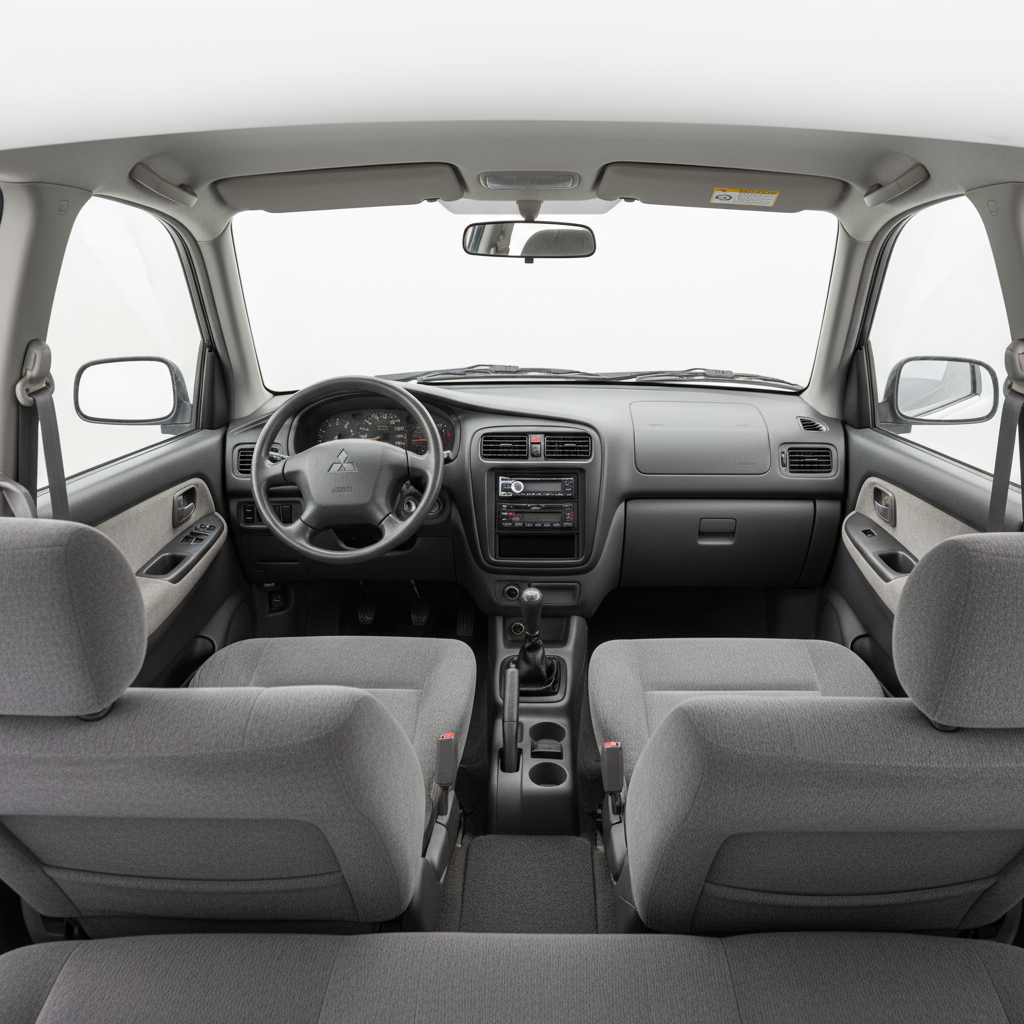
Behind the wheel of the Space Wagon, the feeling is one of spaciousness and comfort. Its 150 HP engine, although not an overabundance of power, moves the vehicle competently, allowing for relaxed driving on the highway and adequate response in the city. The McPherson-type suspension on the front axle filters road irregularities well, contributing to a pleasant journey. The rack-and-pinion steering, although without variable assistance, offers predictable feel. It is not a car for sporty thrills, but for enjoying tranquility and space on every journey.
Design and aesthetics
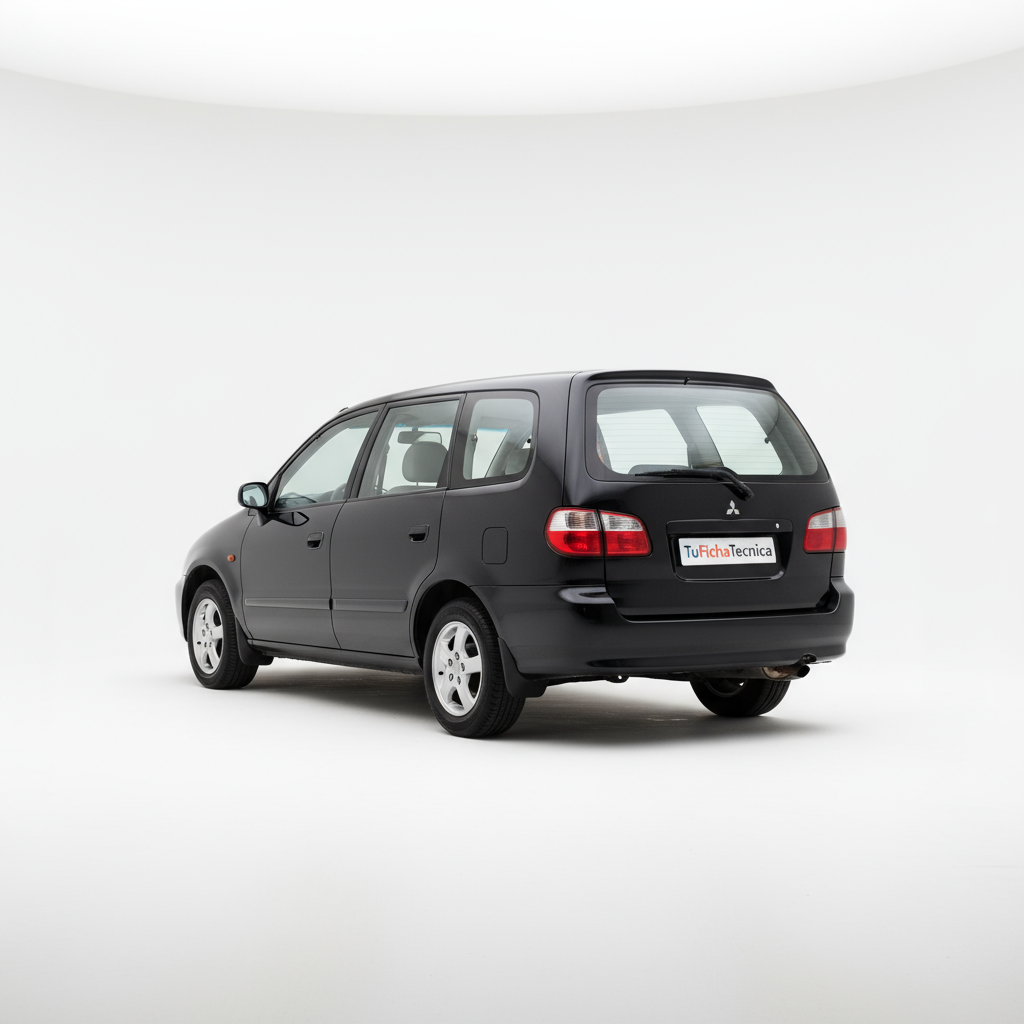
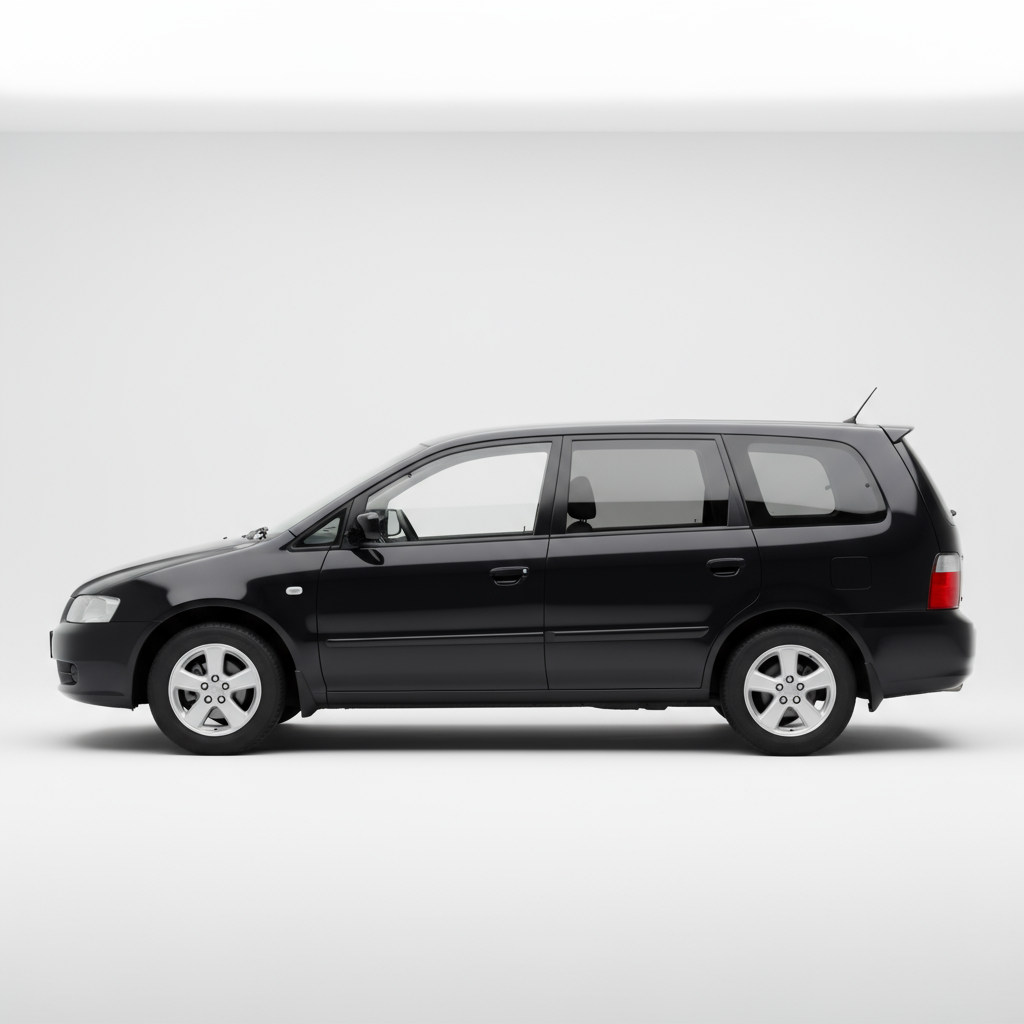
The design of the 1999 Mitsubishi Space Wagon is functional and sober, typical of minivans of its era. Its lines are clean and its silhouette, although not seeking spectacularity, is designed to maximize interior space. At 4.60 meters long and 1.77 meters wide, its presence is robust. The large glass surfaces contribute to good visibility and a sense of luminosity in the cabin. Exterior details, such as the 15-inch wheels, complement its practical and family aesthetic.
Technology and features
In terms of technology, the 1999 Space Wagon incorporated practical solutions for its time. Its 2.4 GDI (Gasoline Direct Injection) engine was an example of the pursuit of efficiency, offering direct gasoline injection that improved performance and consumption. The 5-speed manual transmission was the standard option, reliable and proven. In terms of safety, it featured ventilated front disc brakes and rear discs, adequate equipment for the era. Although it did not have modern driving aids, its technology focused on mechanical reliability and functionality.
Competition
In its segment, the Mitsubishi Space Wagon competed with other popular minivans of the era, such as the Renault Espace, the Chrysler Voyager, or the Ford Galaxy. Compared to them, the Space Wagon offered a solid proposal, standing out for its GDI engine and its 7-seater configuration, which made it very competitive in terms of space and versatility. Its mechanical reliability, characteristic of the brand, was also a point in its favor compared to some of its European contenders.
Conclusion
The 1999 Mitsubishi Space Wagon 2.4 GDI GLX is a minivan that, despite the passage of time, remains a testament to Japanese engineering focused on functionality and durability. It offers generous interior space, a capable engine, and comfortable driving, ideal for families looking for a practical and reliable vehicle. Its timeless design and focus on comfort make it an interesting option for those who value versatility and robustness in a family car.