

Especificaciones y análisis del Mitsubishi Outlander
Power
203HP
Torque
195Nm
Consumption
1.9l/100
Emissions
44g/km
0-100 km/h
11s
Top Speed
170km/h
Weight
1885kg
Price
40,500€
Technical summary
Híbrido Enchufable
Automático 1v
AWD
5 / 5 doors
498 L
45 L
149 kW
Current
Technical specifications
Engine
Capacities
Detailed analysis of the Mitsubishi Outlander PHEV Kaiteki · 203 CV (2014)
General description
The 2013 Mitsubishi Outlander PHEV presents itself as a pioneer, an SUV that defies conventions by combining the versatility of an all-terrain vehicle with the efficiency of a plug-in hybrid. Priced at 40,500 euros, this model not only aims to be a family vehicle but also a statement of intent towards a more sustainable future, offering a unique driving experience and an electric range that promises to change the way we understand daily commutes.
Driving experience
Behind the wheel of the Outlander PHEV, the sensation is one of surprising smoothness and silence, especially in electric mode. The transition between the electric and gasoline engines is almost imperceptible, contributing to a relaxed and comfortable driving experience. The 0 to 100 km/h acceleration in 11 seconds is not blistering, but sufficient for daily use, and the top speed of 170 km/h allows for long journeys with confidence. All-wheel drive (AWD) provides additional safety in various conditions, while the electric power steering offers adequate response, albeit without sporty pretensions. It's a car that invites calm and enjoyment of the journey, rather than seeking strong emotions.
Design and aesthetics
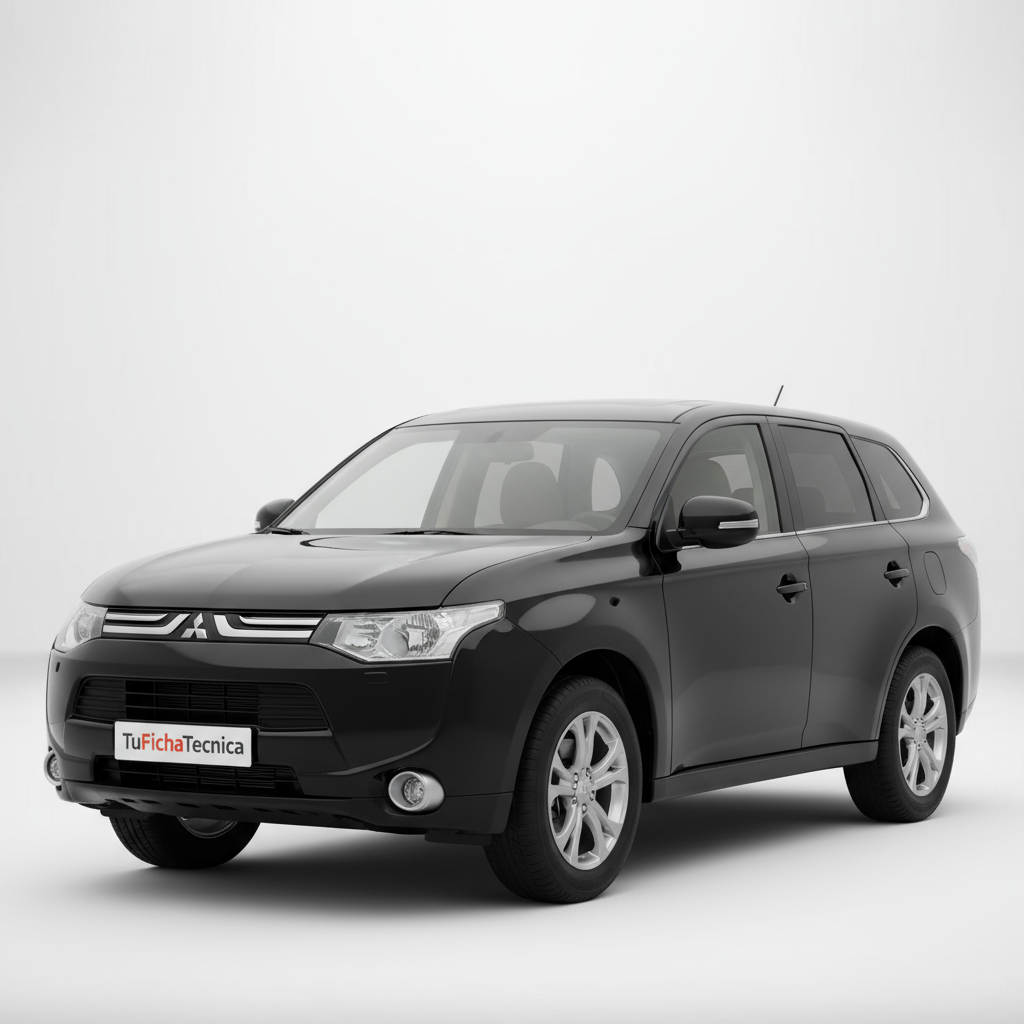
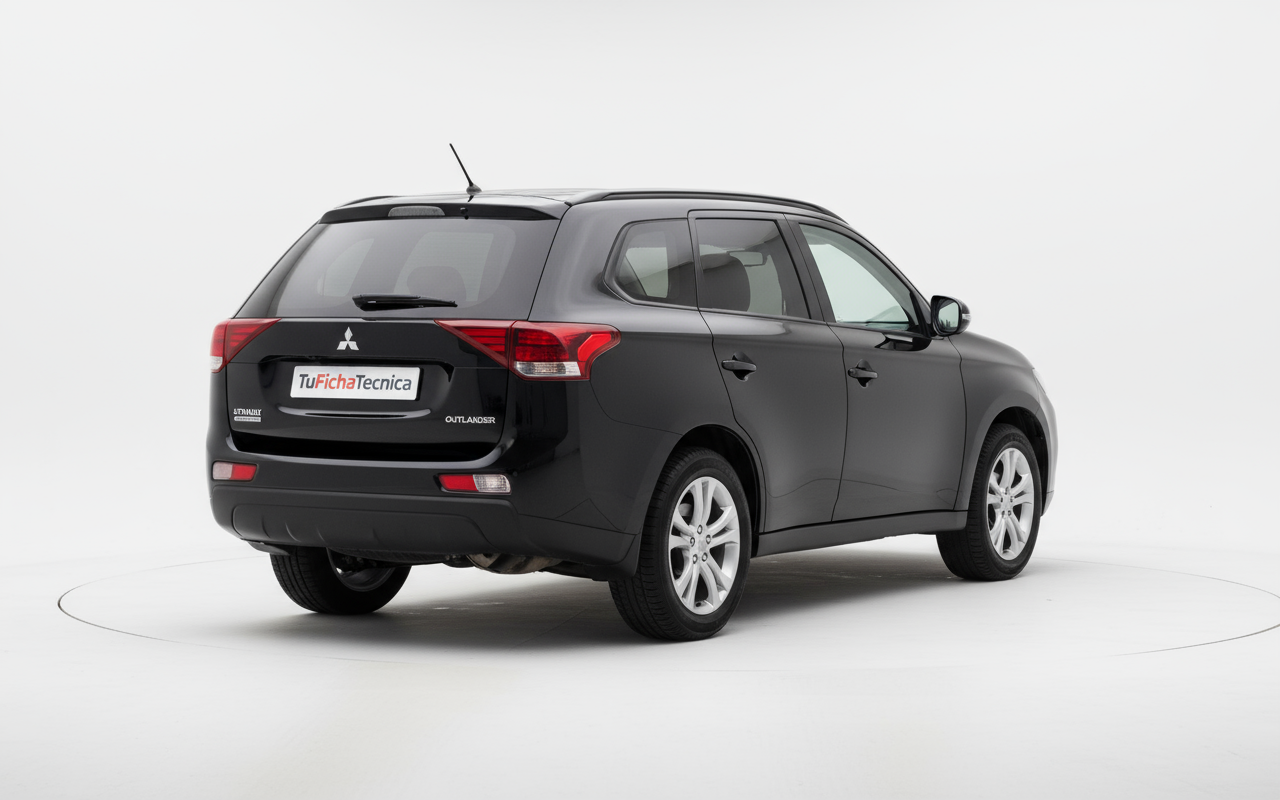
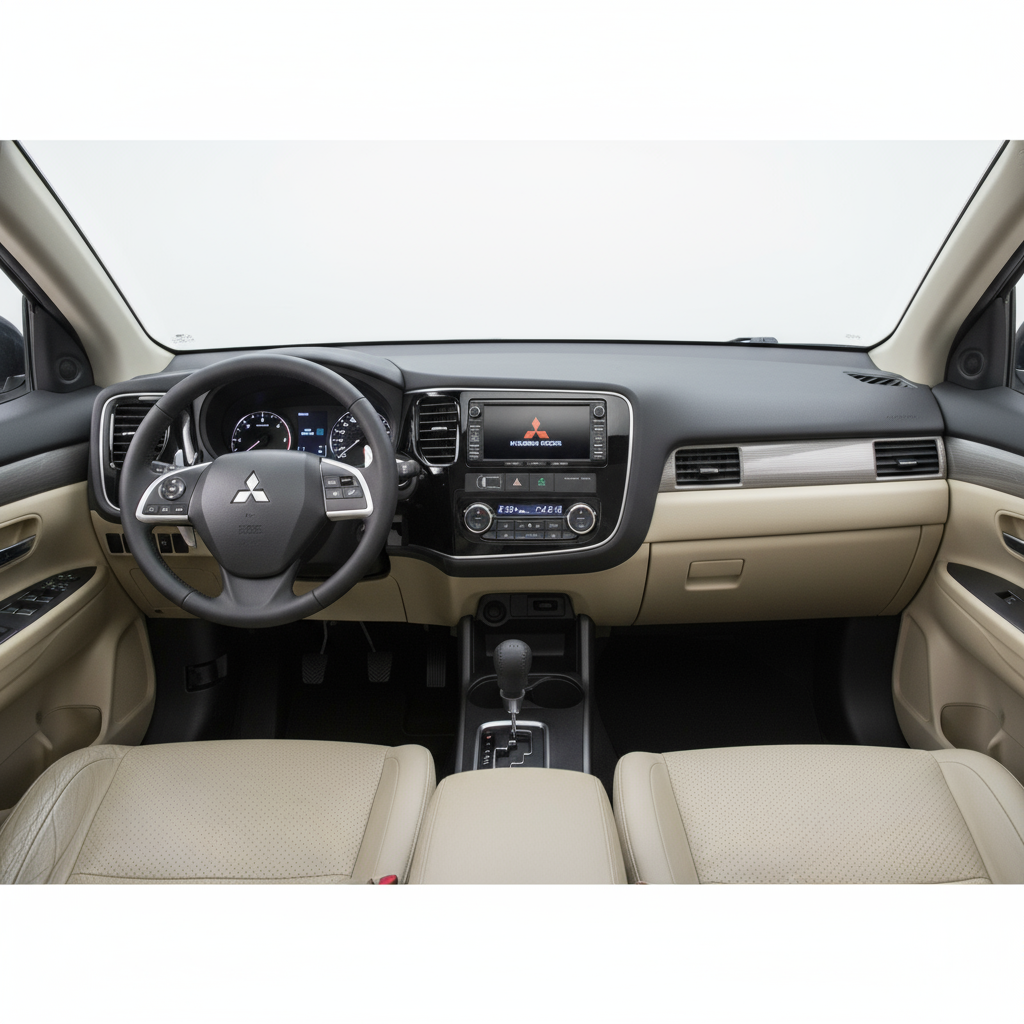
The design of the 2013 Mitsubishi Outlander PHEV is robust and functional, with lines that denote its SUV character. Its 4655 mm length, 1800 mm width, and 1680 mm height give it an imposing presence on the road. Although it is not a design that seeks extravagance, its aesthetic is consistent with its purpose: a practical family vehicle. The 18-inch wheels and 225/55 R18 tires give it a firm stance and a solid appearance. The interior, with five seats and a 498-liter trunk, is designed for comfort and versatility, albeit without great luxuries, prioritizing functionality.
Technology and features
The true gem of the Outlander PHEV lies in its advanced plug-in hybrid technology. It combines a 1998 cc, 82 hp gasoline engine with two electric motors that, together, offer a total output of 203 hp. The 12 kWh capacity battery (8.4 kWh usable) allows for an electric range of 52 km according to the NEDC cycle, which grants it the coveted '0 emissions' label from the DGT. The single-speed automatic transmission and intelligent all-wheel drive efficiently manage power. In addition, it features a ventilated disc brake system at the front and disc at the rear, and a McPherson front suspension and deformable parallelogram rear, which ensure a good balance between comfort and stability. AC charging capacity allows for a full recharge in 5 hours, facilitating its daily use in electric mode.
Competition
At the time of its launch, the Mitsubishi Outlander PHEV faced a nascent market for plug-in hybrid SUVs. Its main rivals could include models such as the Toyota RAV4 Hybrid (although not plug-in at the time) or the Volvo XC60 Plug-in Hybrid, although the latter was in a higher price segment. Its value proposition lay in being one of the first accessible plug-in SUVs, offering a unique combination of space, all-wheel drive, and electric efficiency that few could match in its price range.
Conclusion
The 2013 Mitsubishi Outlander PHEV is a vehicle that marked a before and after in the SUV segment. Its commitment to plug-in hybrid technology made it a benchmark for efficiency and sustainability, without sacrificing the versatility and space expected of an all-terrain vehicle. Although its design is more functional than passionate and its performance is not breathtaking, its driving comfort, electric range, and '0 emissions' label make it a very attractive option for those looking for a family car that is economical in daily use and environmentally friendly. It is a car that, despite its age, remains relevant for its innovative proposal and its ability to adapt to the needs of more conscious mobility.