
Especificaciones y análisis del Mitsubishi L200
Power
136HP
Torque
314Nm
Consumption
8.1l/100
Emissions
215g/km
0-100 km/h
15s
Top Speed
167km/h
Weight
1935kg
Price
27,425€
Technical summary
Gasóleo
Manual 5v
AWD
5 / 4 doors
- L
75 L
100 kW
Current
Technical specifications
Engine
Capacities
Detailed analysis of the Mitsubishi L200 Double Cab 2.5 DI-D Challenge · 136 CV (2010-2012)
General description
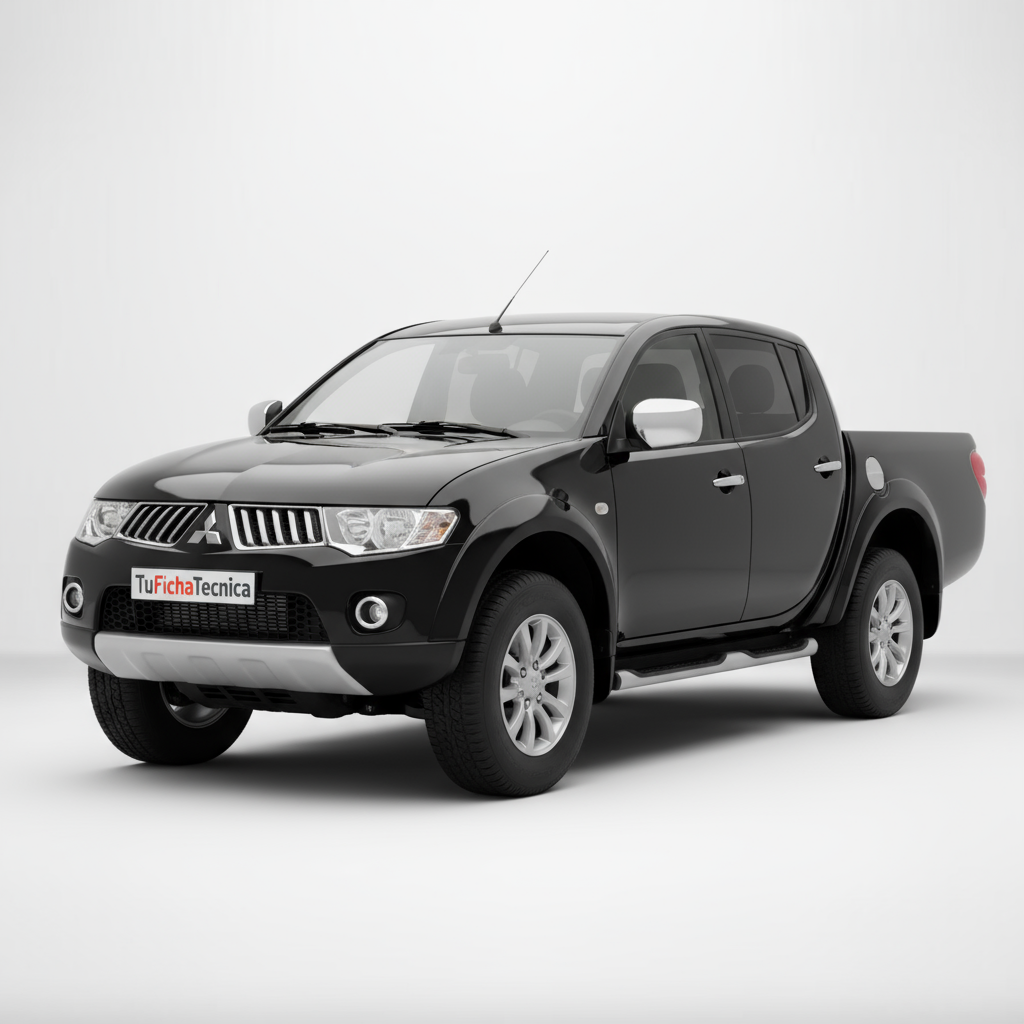
The 2010 Mitsubishi L200 Double Cab, with its 2.5 Diesel 136 HP engine, presents itself as a robust and versatile vehicle, designed for those seeking a combination of cargo capacity and passenger comfort. This pick-up, with all-wheel drive and a 5-speed manual gearbox, is a reliable companion for both hard work and off-road adventures, offering a solid proposition in the commercial and recreational vehicle segment.
Driving experience
Behind the wheel of the L200, the feeling is one of dominance and robustness. Its 136 HP diesel engine, while not an abundance of power, delivers 314 Nm of torque at 2000 rpm, allowing it to effortlessly move its almost two tons of weight. Acceleration from 0 to 100 km/h in 15 seconds and a top speed of 167 km/h do not make it a sprinter, but it is a vehicle capable of maintaining comfortable cruising speeds. The suspension, with a deformable parallelogram at the front and a rigid axle at the rear, is designed to withstand loads and difficult terrain, which translates into a firm ride, although not without a certain harshness on bumpy roads. The hydraulic steering, although precise, requires noticeable effort, especially in low-speed maneuvers. In short, it is a car that conveys confidence and capability, ideal for those who value functionality over sporty agility.
Design and aesthetics
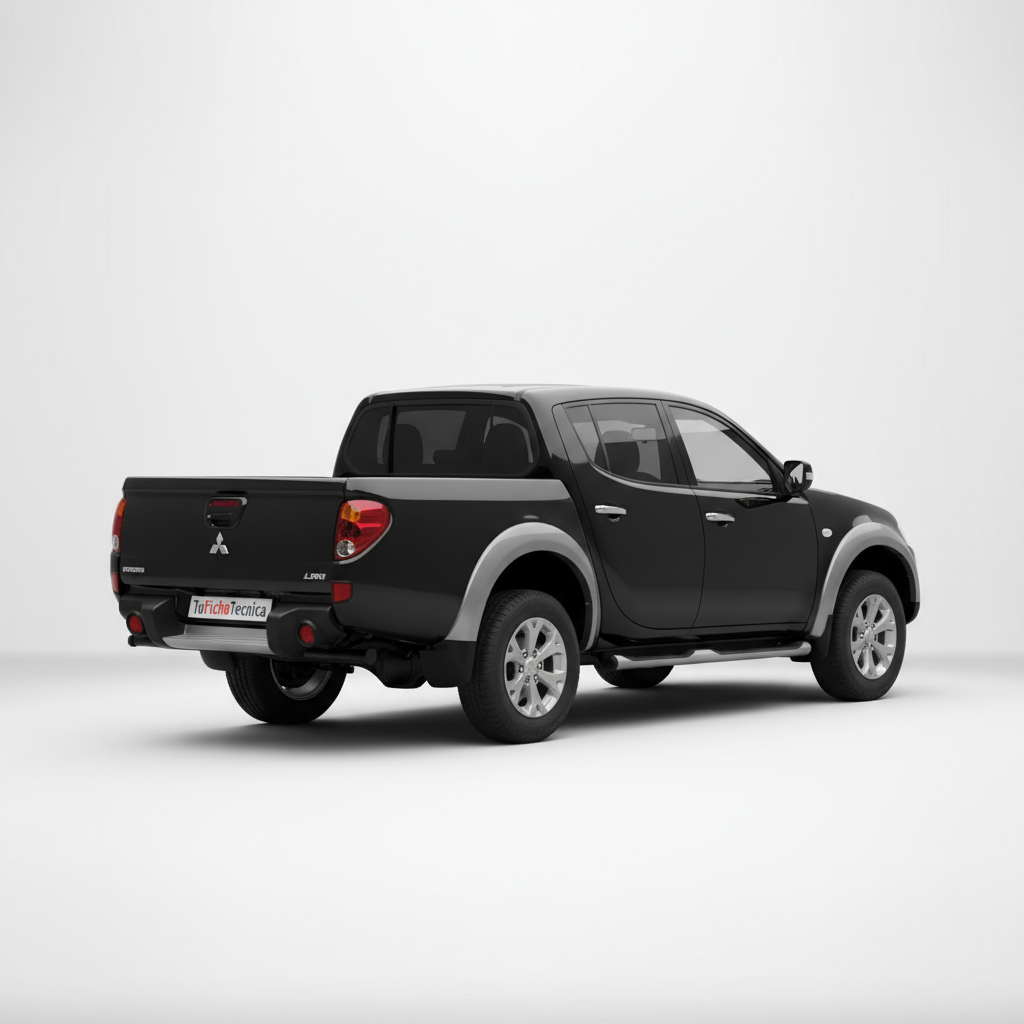
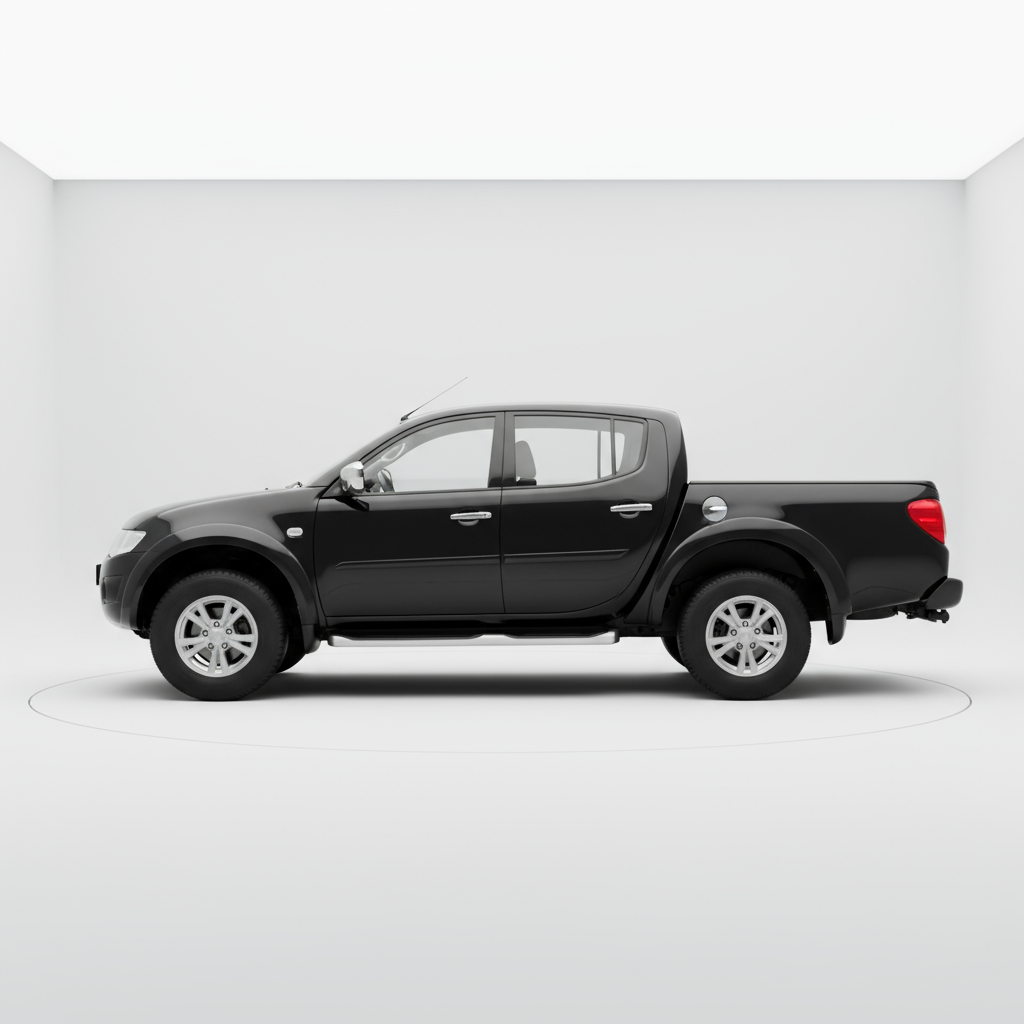
The design of the 2010 Mitsubishi L200 Double Cab is unmistakably that of a pick-up, with lines that denote strength and practicality. Its double cab body offers space for five occupants, combining the functionality of a cargo vehicle with the versatility of a passenger car. The dimensions, with 5185 mm in length and 1750 mm in width, give it an imposing presence. The aesthetic details are sober and functional, without great fanfare, prioritizing durability and resistance. The overall image is that of a vehicle prepared to face any challenge, with an aesthetic that has aged gracefully, maintaining its appeal for an audience looking for a car with character and purpose.
Technology and features
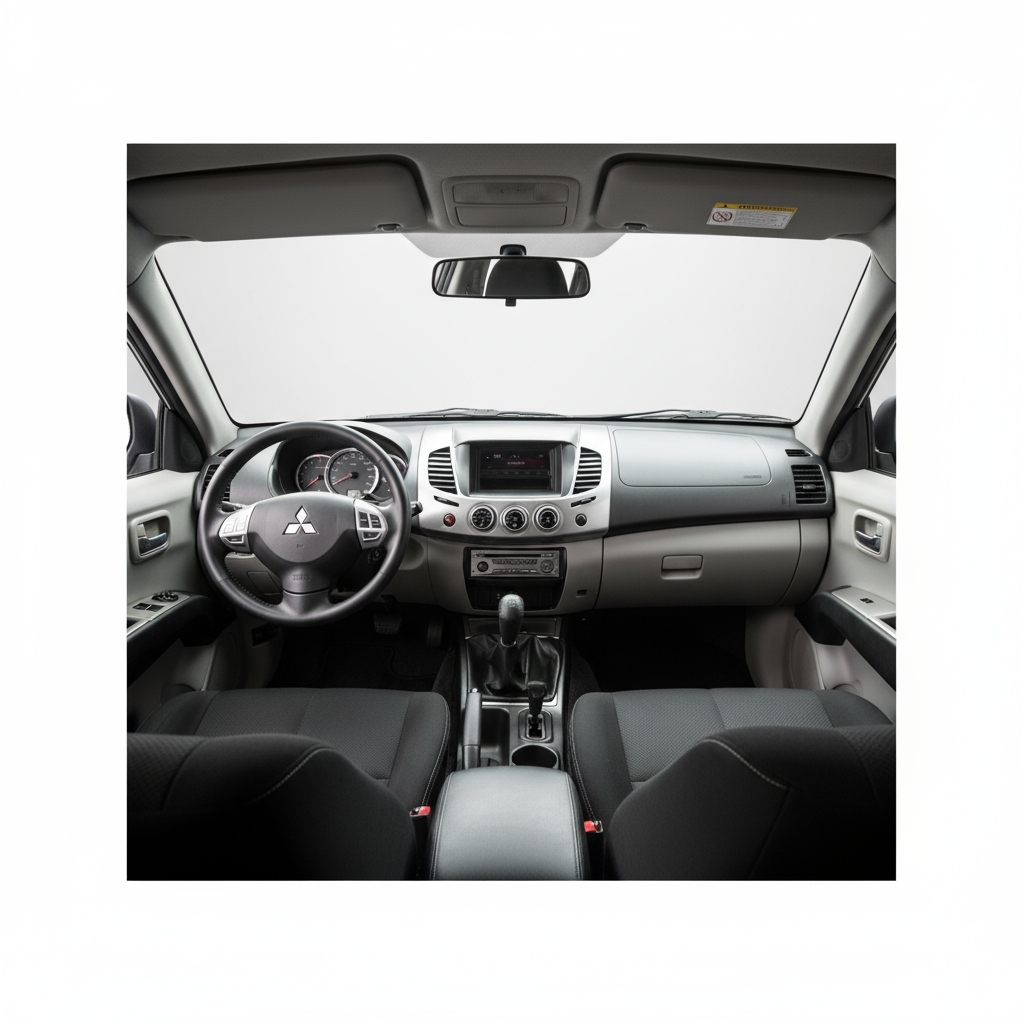
In terms of technology, the 2010 L200 focuses on mechanical reliability and functionality. Its 2.5 DI-D common rail direct injection engine, turbo and intercooler, is a proven and efficient powerplant, complying with Euro 5 regulations. All-wheel drive (AWD) is one of its great assets, offering remarkable off-road capability. The 5-speed manual transmission is robust and precise, although it lacks the sophistication of modern automatic gearboxes. In terms of comfort, it has the essentials for the time, without great luxuries, but with everything necessary for daily and professional use. The technology of this L200 is that of a vehicle that prioritizes durability and efficiency in demanding environments, rather than digital avant-garde.
Competition
In the pick-up market of its time, the Mitsubishi L200 faced competitors such as the Toyota Hilux, Nissan Navara, Ford Ranger, and Isuzu D-Max. Each with its own strengths, the L200 was distinguished by its balance between cargo capacity, off-road capabilities, and a distinctive design. While some rivals could offer more powerful engines or more refined interiors, the L200 has always been valued for its robustness and reliability, consolidating itself as a highly respected option in the segment.
Conclusion
The 2010 Mitsubishi L200 Double Cab 2.5 DI-D Challenge is a vehicle that more than fulfills its purpose. It is an honest pick-up, without pretensions of luxury, but with a work capacity and reliability that make it stand out. Its diesel engine, all-wheel drive, and robust construction make it an ideal tool for professionals and adventurers. Although its combined consumption of 8.1 l/100km and its CO2 emissions of 215 g/km are figures of its time, its durability and versatility compensate for these aspects. It is a car for those looking for a tireless companion, capable of taking you anywhere and with any load, without complaining.