
Especificaciones y análisis del Mitsubishi L200
Power
99HP
Torque
240Nm
Consumption
-l/100
Emissions
-g/km
0-100 km/h
-s
Top Speed
142km/h
Weight
1735kg
Price
20,963€
Technical summary
Gasóleo
Manual 5v
AWD
5 / - doors
- L
75 L
73 kW
Current
Technical specifications
Engine
Capacities
Detailed analysis of the Mitsubishi L200 DC 4x4 GLX · 99 CV (2000-2002)
General description
The 1996 Mitsubishi L200 Double Cab, in its 2.5 Diesel version with 99 HP, is a vehicle that evokes the robustness and functionality of an era where utility was paramount. This pick-up, with its all-wheel drive and 5-speed manual transmission, was presented as a tireless work tool, capable of facing the most demanding challenges. Its design, although without great aesthetic flourishes, conveyed a sense of durability and reliability, highly valued characteristics in its segment. Priced at 20,963 euros at the time, it positioned itself as an accessible option for those looking for a work companion.
Driving experience
Behind the wheel of the 1996 L200, the predominant sensation is that of driving an authentic, unfiltered vehicle. The 99 HP diesel engine, although not a powerhouse, delivers 240 Nm of torque at 2000 rpm, allowing it to move its 1735 kg with ease. The steering, without the precision of modern cars, offers a direct connection to the terrain, while the suspension, with a deformable parallelogram at the front and a rigid axle at the rear, absorbs road irregularities with surprising effectiveness for its time. The top speed of 142 km/h and the absence of 0 to 100 km/h acceleration data remind us that its purpose was not speed, but load capacity and traction in any circumstance. The driving experience is rough but rewarding, conveying a sense of control and resistance.
Design and aesthetics
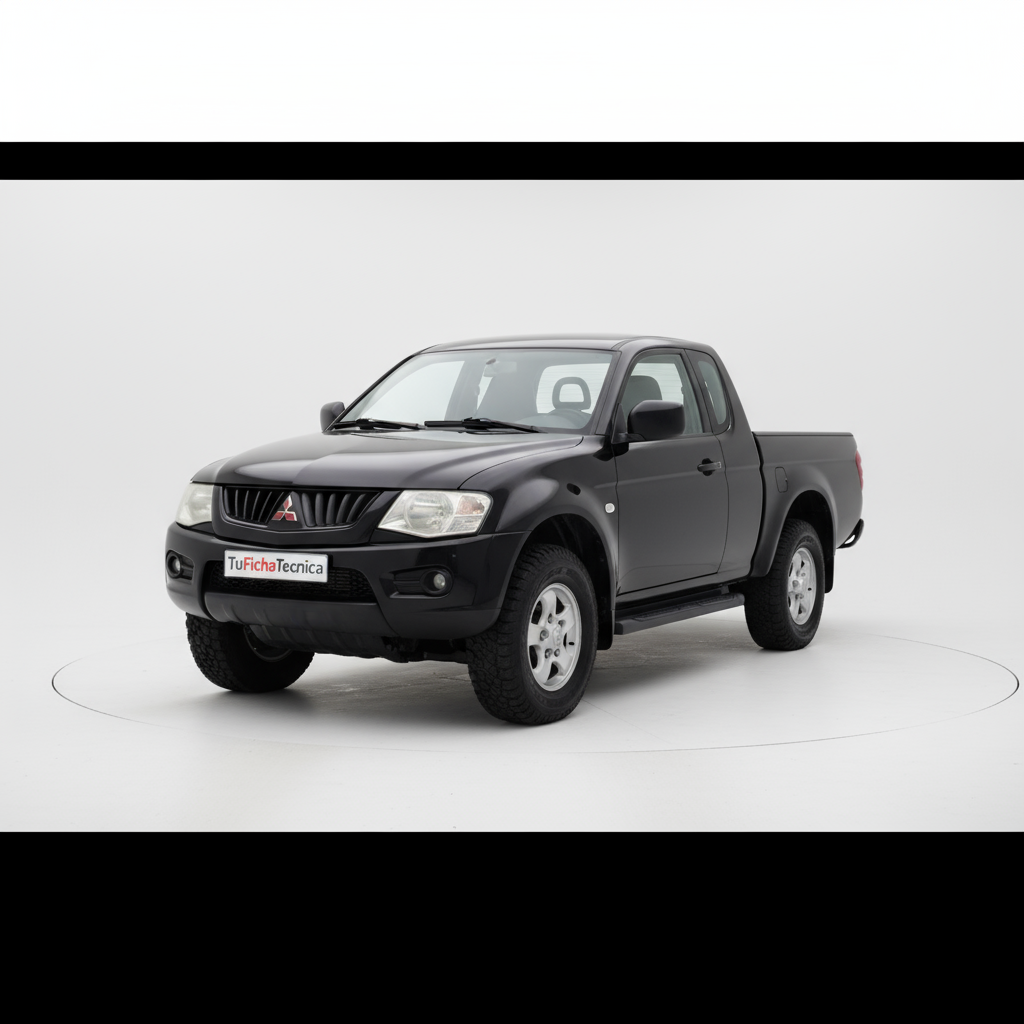
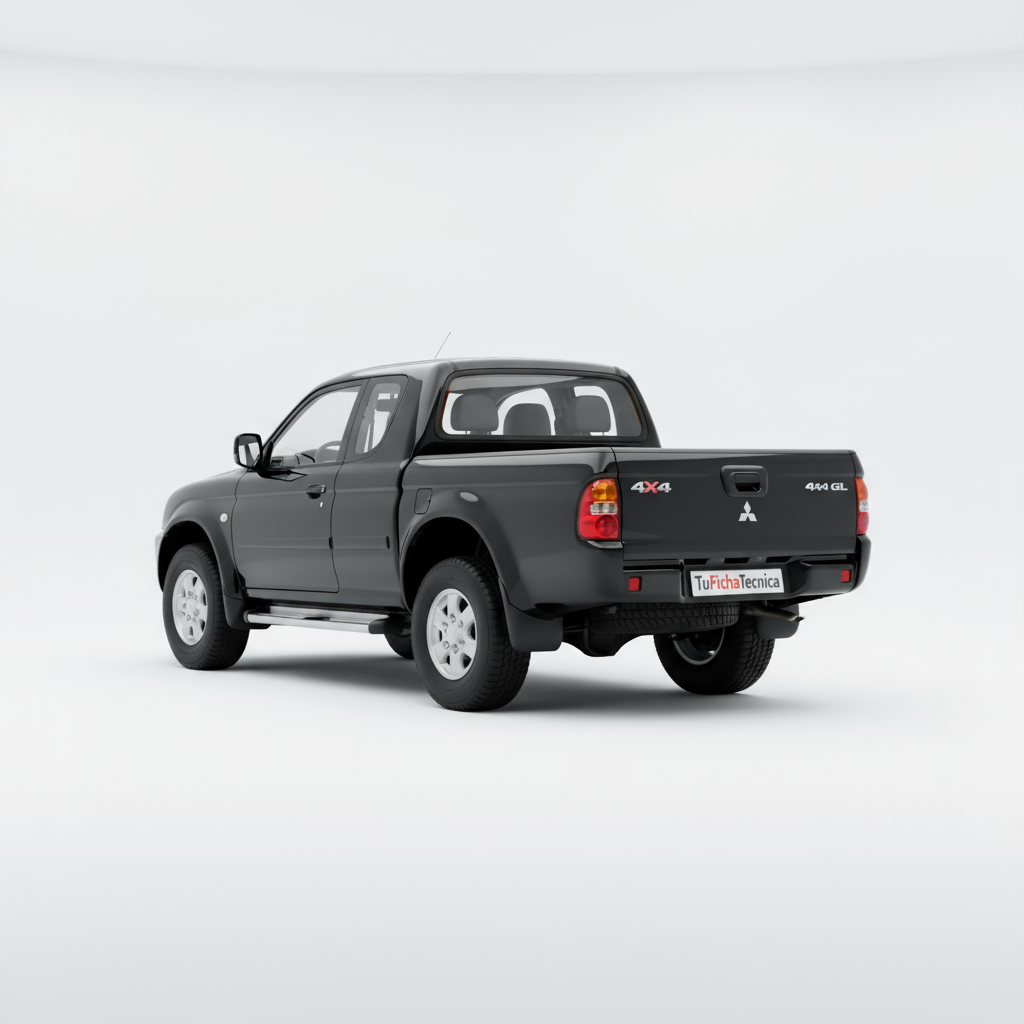
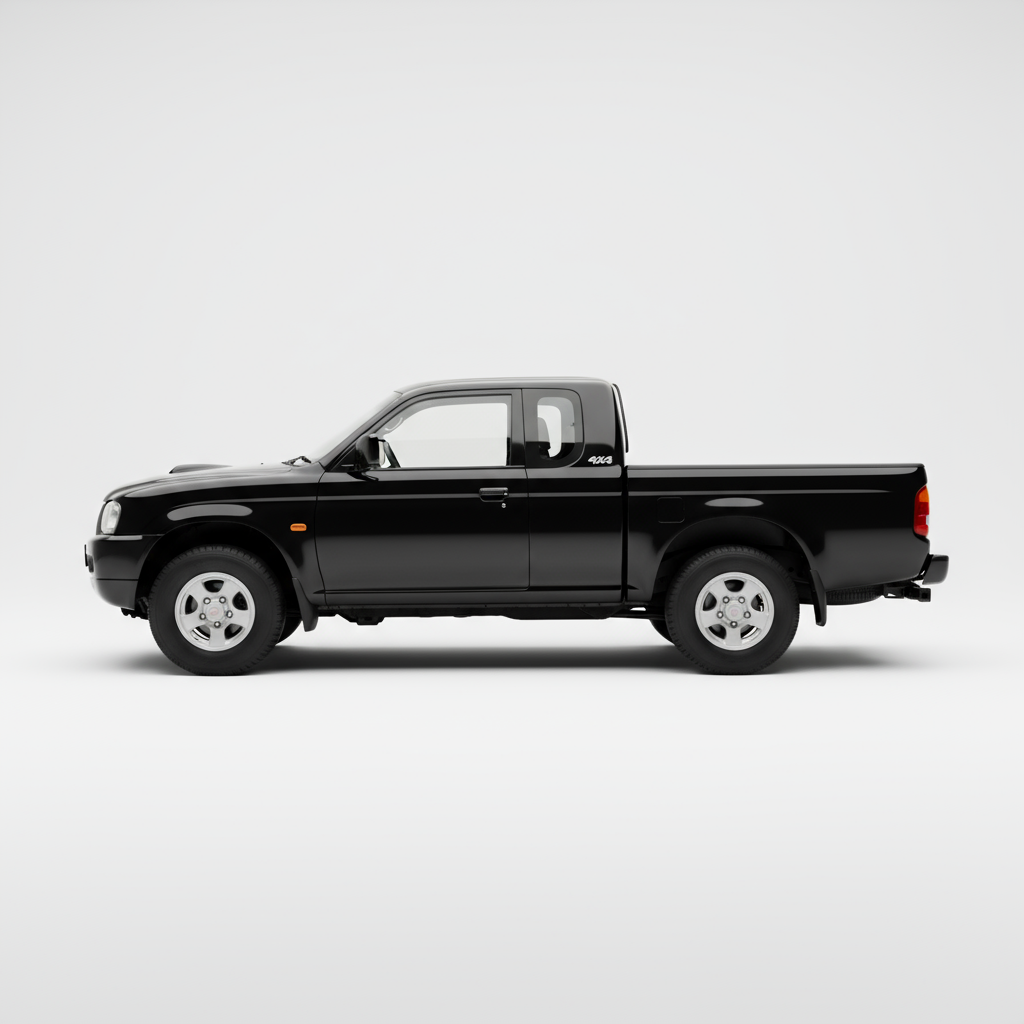
The design of the 1996 Mitsubishi L200 Double Cab is a reflection of its purpose: functionality. With a length of 4935 mm, a width of 1695 mm, and a height of 1780 mm, its proportions are imposing and robust. The double cab offered space for five occupants, combining the capacity to transport people with the versatility of a cargo bed. The lines are simple and direct, without superfluous ornaments, which gives it a timeless and practical aesthetic. The 205/80 R16 tires, both front and rear, along with the 16-inch wheels, reinforce its image as an off-road vehicle ready for any adventure.
Technology and features
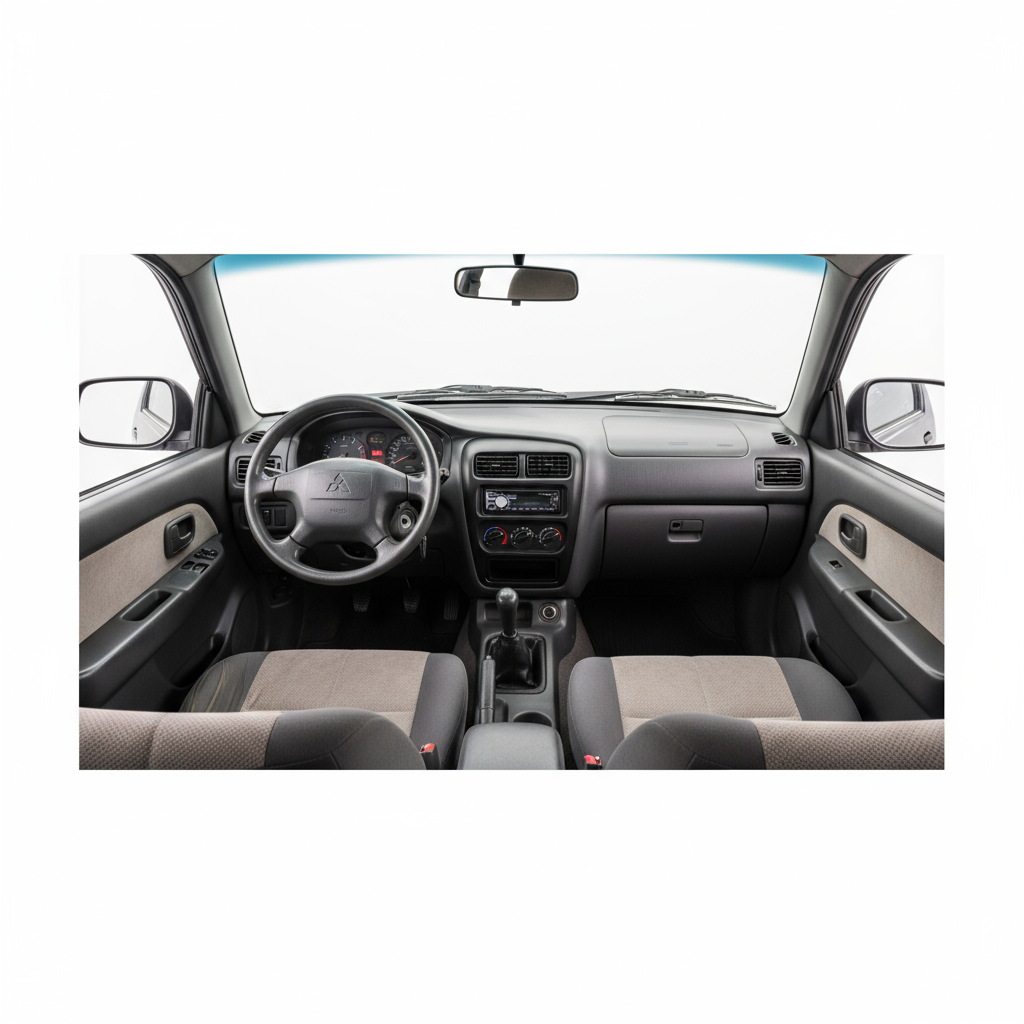
In the 1996 Mitsubishi L200, technology focused on durability and mechanical efficiency. Its 2477 cc diesel engine, with indirect injection, turbo, and intercooler, was an example of robust engineering. The AWD traction, combined with a 5-speed manual gearbox, guaranteed exceptional traction capability on difficult terrain. Although it lacked the sophisticated electronic aids of current vehicles, its technology was based on reliable and proven mechanical components. The engine's construction, with an iron block and aluminum cylinder head, sought a balance between strength and lightness. Power steering, although its type is not specified, contributed to more comfortable driving in a vehicle of these dimensions.
Competition
In the 1996 market, the Mitsubishi L200 Double Cab competed with other robust and functional pick-ups. Among its main rivals were models such as the Toyota Hilux, the Nissan Navara (known as Nissan Pick-Up at that time), and the Ford Ranger. All of them offered similar double cab configurations, diesel engines, and 4x4 traction, seeking to satisfy the needs of professionals and adventurers who required a versatile and resistant vehicle. The L200 was distinguished by its balance between load capacity, mechanical reliability, and a competitive price, which allowed it to maintain a solid position in the segment.
Conclusion
The 1996 Mitsubishi L200 Double Cab is more than just a vehicle; it is a testament to an era where functionality and resistance were the fundamental pillars. Its unpretentious design, robust mechanics, and off-road capability make it a timeless classic for those who value authenticity and durability. Although times have changed and technology has advanced, the spirit of the 1996 L200 lives on, reminding us that sometimes, the simplest is the most effective. It is a car that, despite the years, continues to inspire confidence and respect for its ability to face any challenge.