
Especificaciones y análisis del Mitsubishi i-MiEV
Power
67HP
Torque
180Nm
Consumption
-l/100
Emissions
-g/km
0-100 km/h
15.9s
Top Speed
130km/h
Weight
1185kg
Price
28,400€
Technical summary
Eléctrico
Automático 1v
RWD
4 / 5 doors
166 L
- L
49 kW
Current
Technical specifications
Engine
Capacities
Detailed analysis of the Mitsubishi i-MiEV · 67 CV (2011-2012)
General description
The 2011 Mitsubishi i-MiEV stands as a pioneer in electric mobility, a vehicle that, despite its limitations, marked a before and after in the conception of urban transport. With its compact design and all-electric powertrain, this model sought to offer a sustainable and efficient alternative for daily city life. Its arrival on the market was a milestone, demonstrating that electric vehicles could be a tangible reality, albeit still in their early stages of development.
Driving experience
Behind the wheel of the i-MiEV, the predominant sensation is that of a smooth and silent drive, an inherent characteristic of electric vehicles. Its 67 hp of power, though modest, are sufficient for agile movement in urban environments, where its 0 to 100 km/h acceleration in 15.9 seconds is not an impediment. Electric power steering and its small 9-meter turning circle facilitate maneuvers in tight spaces, making every parking task simple. However, on the highway, its top speed of 130 km/h and limited range can cause some anxiety, reminding us that its natural habitat is the city.
Design and aesthetics
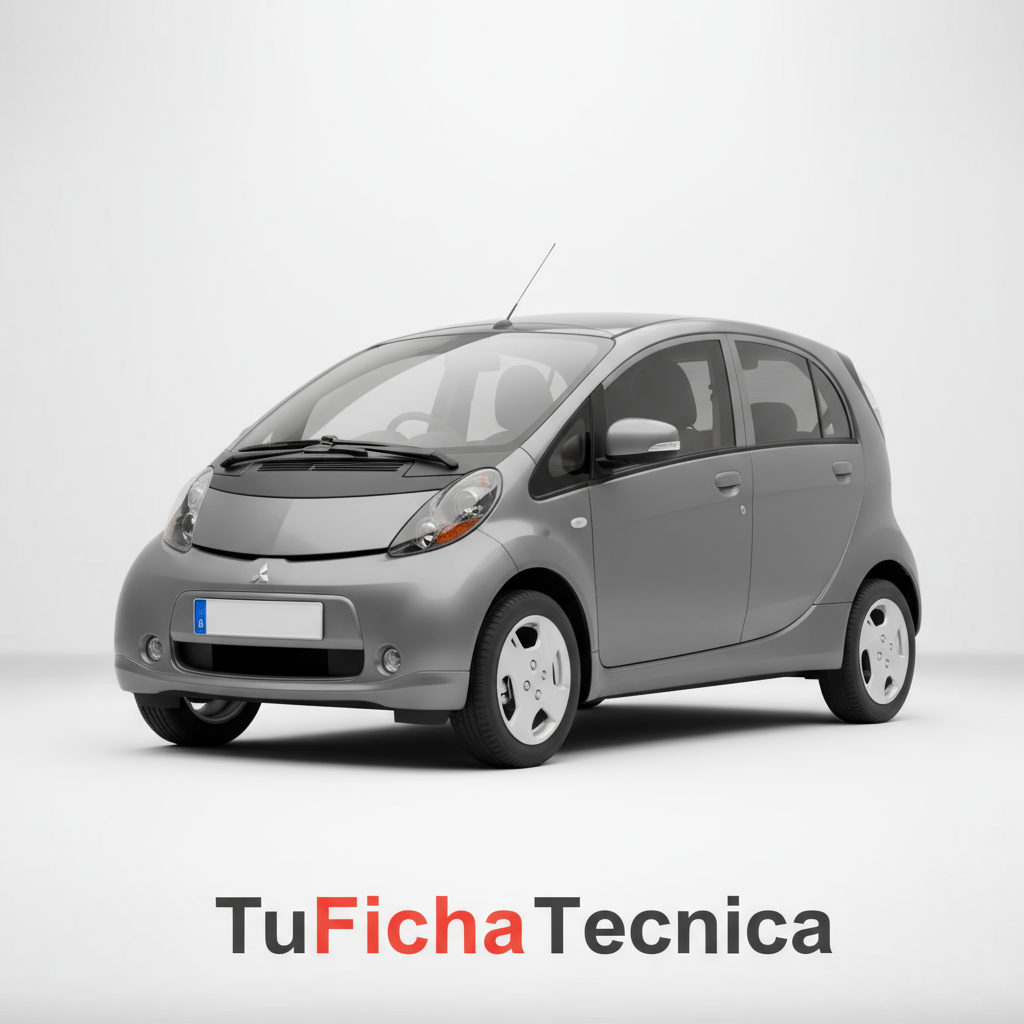
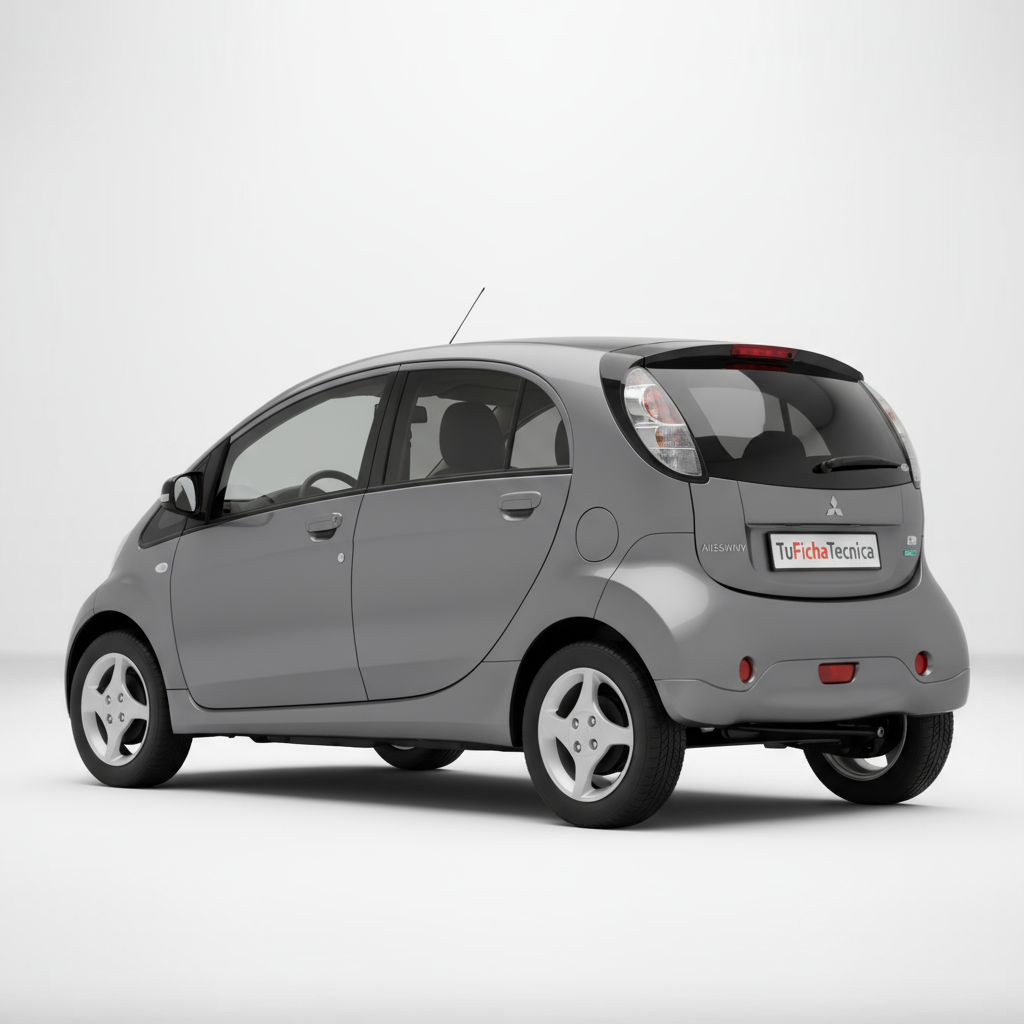
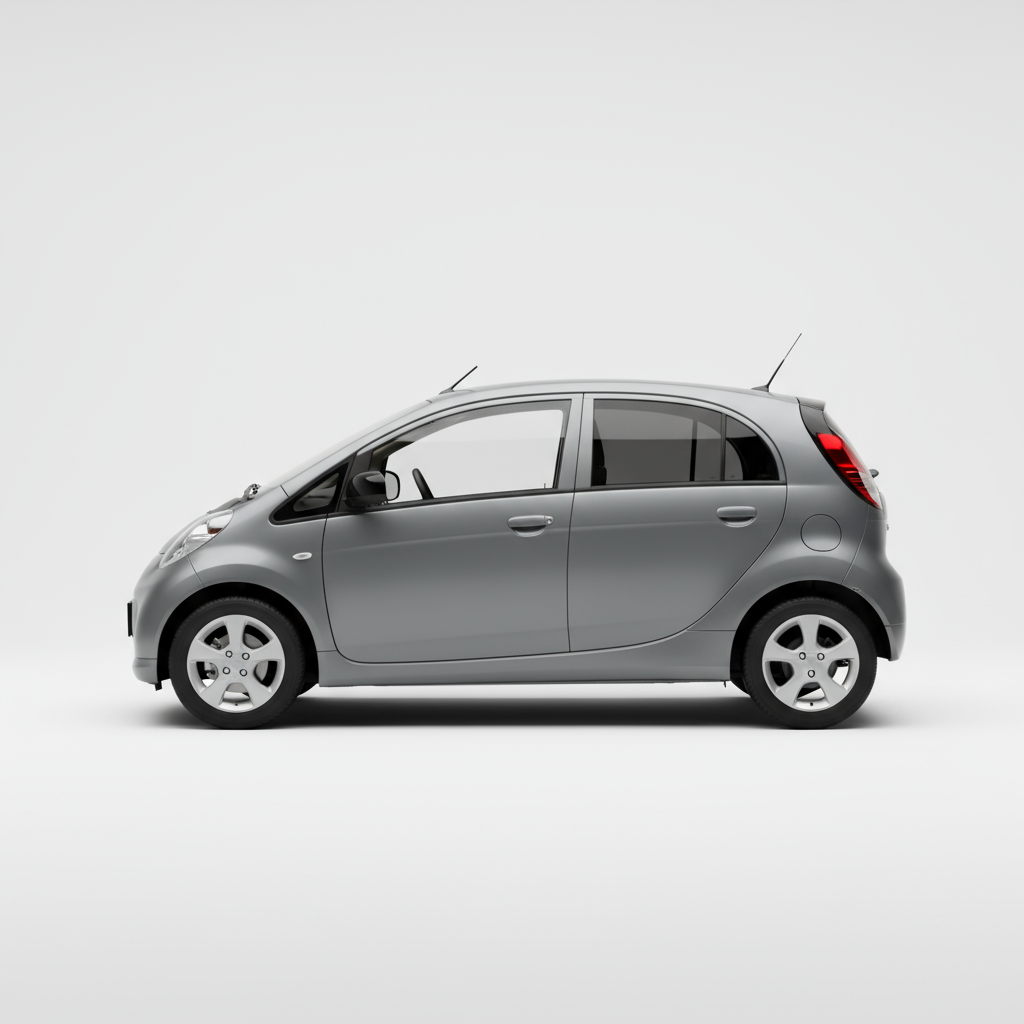
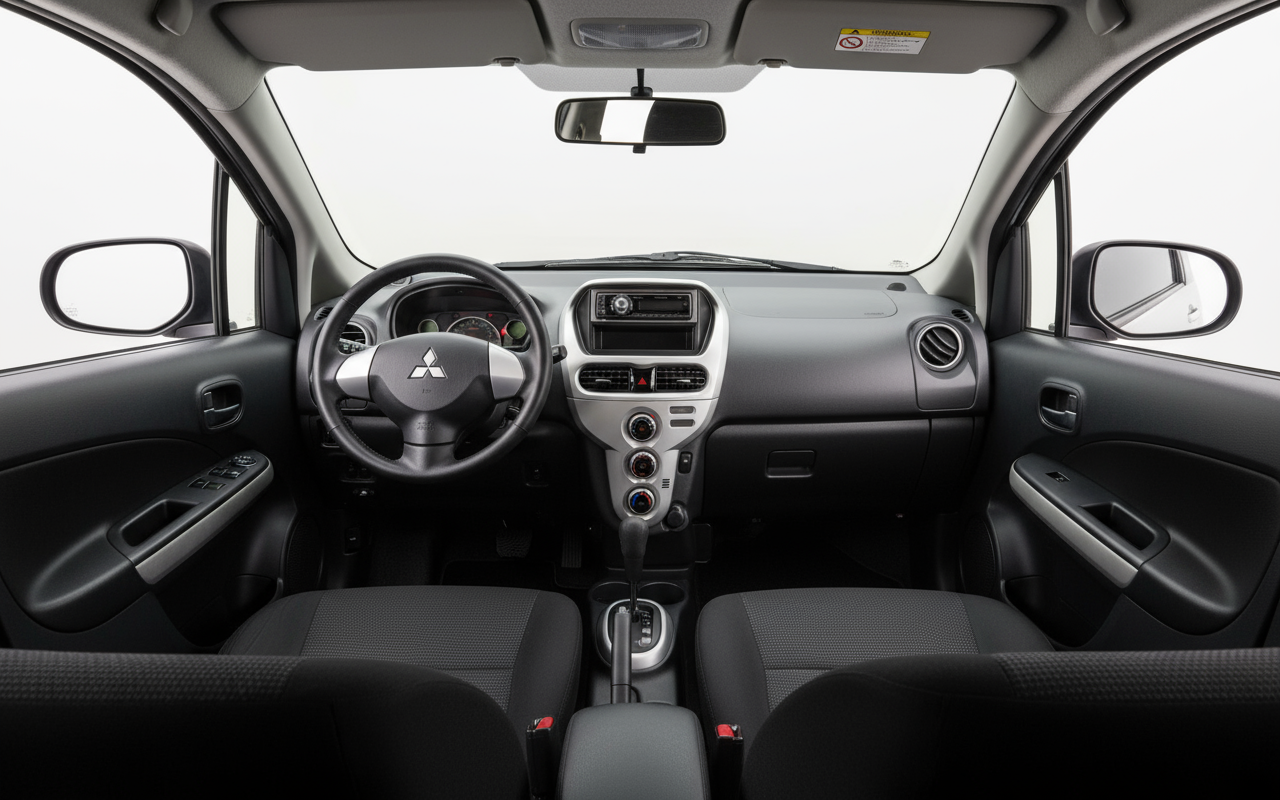
The design of the Mitsubishi i-MiEV is, without a doubt, peculiar and functional. Its compact dimensions, with a length of 3475 mm and a width of 1475 mm, make it ideal for the urban jungle. The height of 1610 mm contributes to surprising habitability for its size, offering space for four occupants. Aesthetically, its rounded lines and distinctive front give it a unique personality, though not without controversy. The interior, though simple, is designed to maximize space and functionality, with a 166-liter trunk that, while not huge, is sufficient for daily use.
Technology and features
The i-MiEV's technology focuses on its electric propulsion. Equipped with a 16 kWh (15.2 kWh usable) lithium-ion battery located in the central part, it powers a 67 hp electric motor. A full charge with alternating current requires approximately 11 hours, a considerable time by current standards, but understandable for its era. Its rear-wheel drive and single-speed automatic transmission simplify driving, while the McPherson strut front suspension and rigid De Dion rear axle seek a balance between comfort and stability. It is a car that, technologically, laid the groundwork for future developments in the electric sector.
Competition
At its launch, the Mitsubishi i-MiEV faced a still nascent electric vehicle landscape. Its main rivals were the Citroën C-Zero and the Peugeot iOn, which were essentially the same car with slight aesthetic differences, a result of collaboration between the brands. Other indirect competitors could be some hybrid models of the time, although the i-MiEV positioned itself as a purely electric option, a still very small and exclusive niche.
Conclusion
The 2011 Mitsubishi i-MiEV is more than a car; it is a piece of electric automotive history. Although its performance and range may seem limited today, at the time it represented a bold step towards a more sustainable future. It is an ideal vehicle for those looking for an efficient, silent, and '0 emissions' urban mobility solution. Its distinctive design and ease of handling in the city make it an interesting option for an environmentally conscious public who values practicality over high performance. A car that, despite its age, remains a benchmark for the beginnings of electrification.