
Especificaciones y análisis del Mitsubishi Carisma
Power
280HP
Torque
372Nm
Consumption
11.1l/100
Emissions
-g/km
0-100 km/h
4.3s
Top Speed
250km/h
Weight
1260kg
Price
38,063€
Technical summary
Gasolina
Manual 5v
AWD
5 / 4 doors
420 L
50 L
205.8 kW
Current
Technical specifications
Engine
Capacities
Detailed analysis of the Mitsubishi Carisma GT Evolution VI RS · 280 CV (2000)
General description
The 1995 Mitsubishi Carisma GT Evolution VI RS is a street-legal rally machine, a true gem for speed and competition enthusiasts. With its 280 hp gasoline engine and all-wheel drive, this vehicle is not just a car, it's a statement. Its price of €38,063 in 2000 positioned it as an exclusive option for those seeking strong emotions behind the wheel.
Driving experience
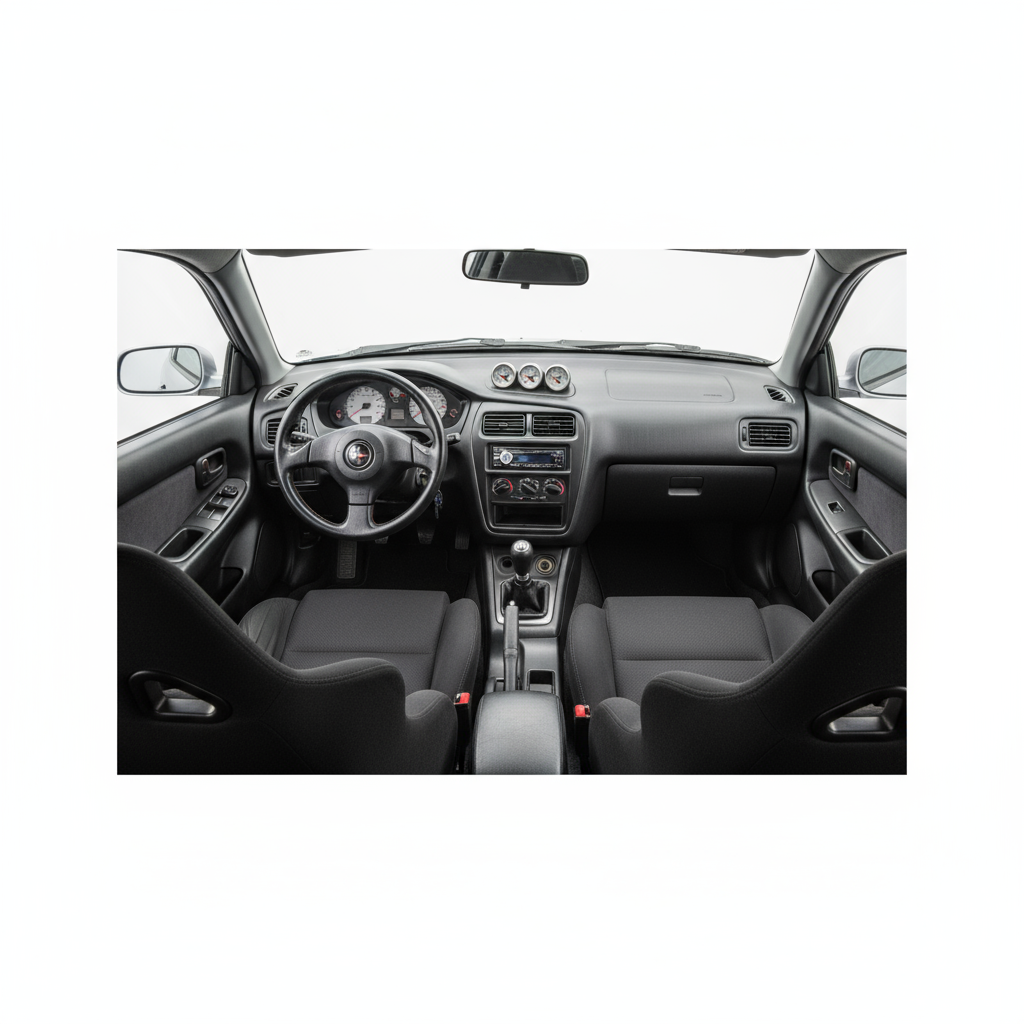
Driving the Carisma GT Evolution VI RS is a visceral experience. The acceleration from 0 to 100 km/h in just 4.3 seconds pins you to the seat, while the top speed of 250 km/h makes you feel the asphalt under your feet. The 1997 cc engine, with its turbo and intercooler, delivers brutal power at 6500 rpm and a torque of 372 Nm at 3000 rpm, guaranteeing immediate response in any situation. All-wheel drive and a 5-speed manual transmission offer absolute control, allowing the driver to squeeze every drop of performance. It's a car that demands from you, but rewards you with an unparalleled connection to the road.
Design and aesthetics
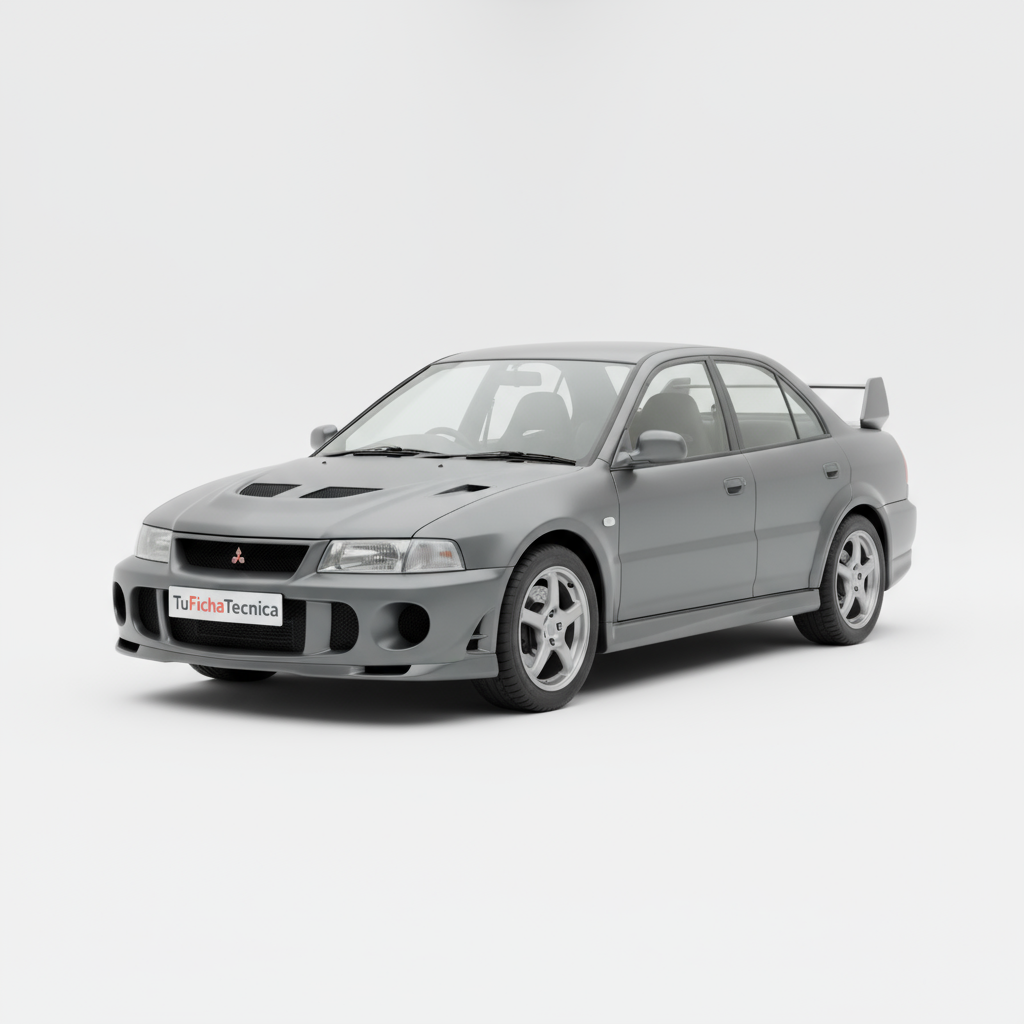
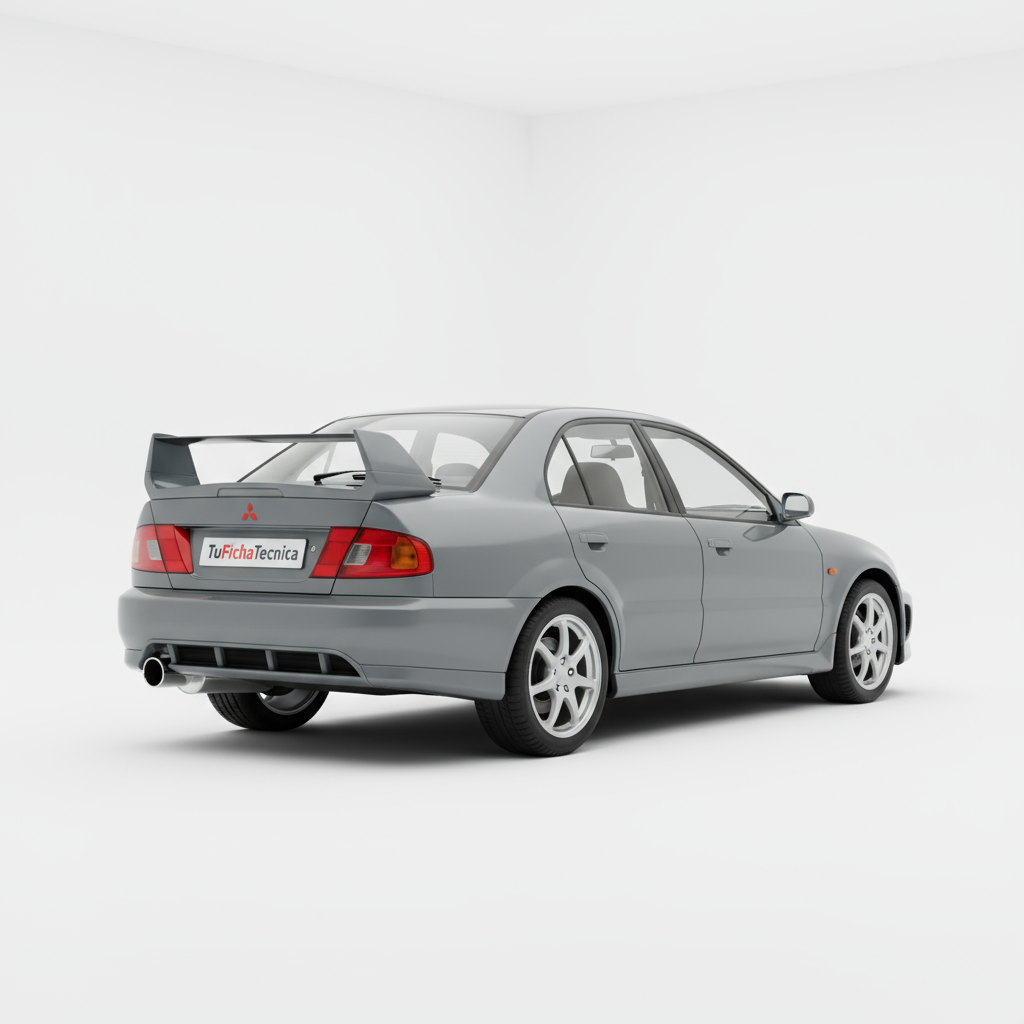
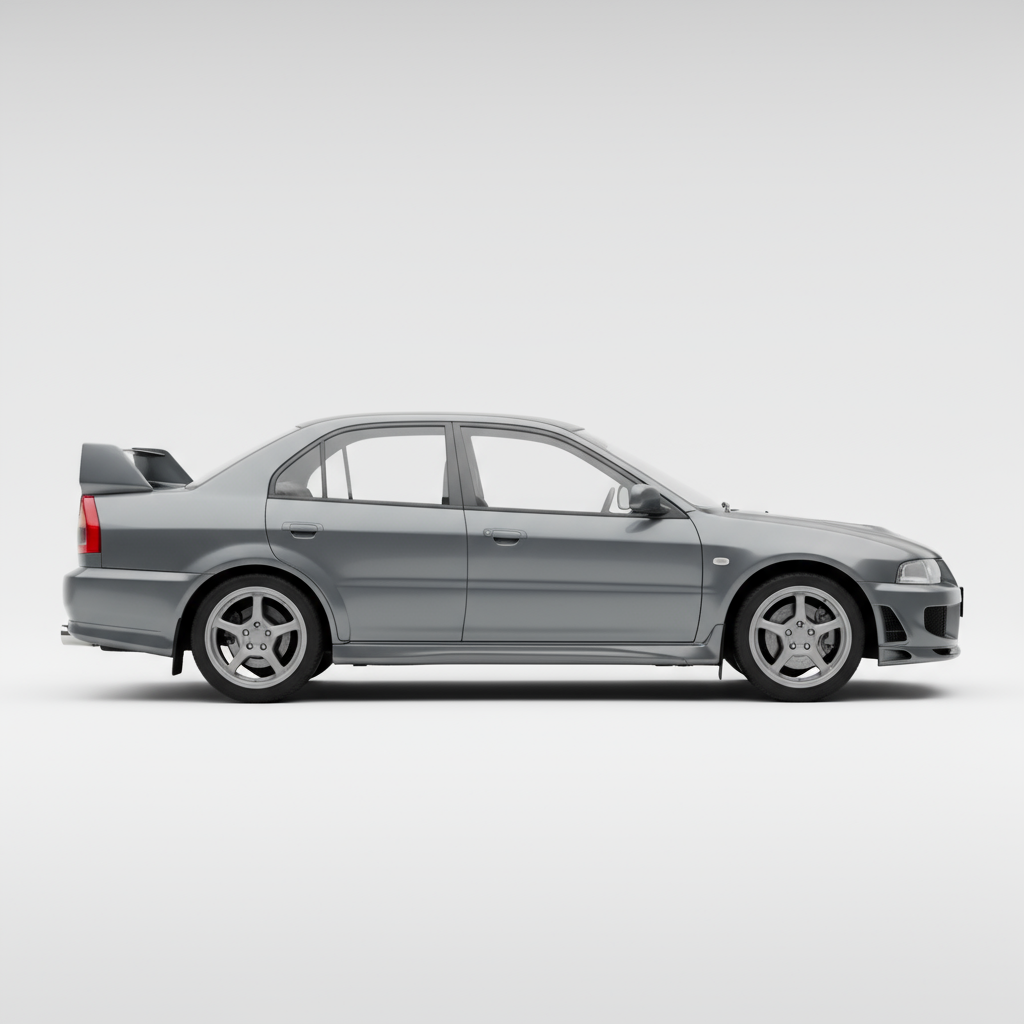
The design of the Carisma GT Evolution VI RS is purely functional, dictated by its purpose in the rally world. Its aggressive lines, although based on a 4-door body, leave no doubt about its sporty nature. Every element, from its compact dimensions (4350 mm long, 1770 mm wide, and 1415 mm high) to its 205/60 R15 tires, is designed to optimize performance. It does not seek elegance, but effectiveness, and achieves it with an aesthetic that screams speed and competition.
Technology and features
Under its skin, the Carisma GT Evolution VI RS hides advanced engineering for its time. Its 4-cylinder gasoline engine with indirect injection, turbo, and intercooler, along with a compression ratio of 8.8, demonstrates a focus on power and efficiency. All-wheel drive (AWD) is key to its grip and stability, especially in difficult conditions. Although it lacks modern electronic aids, its rack-and-pinion steering and ventilated disc brakes on both axles ensure precise control and powerful braking. The deformable parallelogram rear suspension and anti-roll bars on both axles contribute to exceptional driving dynamics.
Competition
At the time, the Mitsubishi Carisma GT Evolution VI RS faced rivals such as the Subaru Impreza WRX STI, another street-legal rally icon. Both shared the philosophy of offering competition performance in a daily-use format, with powerful engines, all-wheel drive, and an aggressive aesthetic. Other possible competitors could have been sports versions of models such as the Ford Escort Cosworth or the Lancia Delta Integrale, although the Carisma stood out for its more radical approach and its pedigree in the World Rally Championship.
Conclusion
The Mitsubishi Carisma GT Evolution VI RS is more than a car; it's a legend. It represents the pinnacle of Japanese engineering applied to rally, offering a pure and unfiltered driving experience. Its power, all-wheel drive, and functional design make it an object of desire for enthusiasts. Although its combined consumption of 11.1 l/100km and its environmental label B reflect its high-performance nature, every kilometer driven is a reward. It's a car that makes you feel alive, a piece of automotive history that continues to thrill today.