
Especificaciones y análisis del Mitsubishi ASX
Power
160HP
Torque
50Nm
Consumption
1.4l/100
Emissions
31g/km
0-100 km/h
10.1s
Top Speed
170km/h
Weight
1616kg
Price
39,590€
Technical summary
Híbrido Enchufable
Automático Múltiplesv
FWD
5 / 5 doors
261 L
39 L
25 kW
Current
Technical specifications
Engine
Capacities
Detailed analysis of the Mitsubishi ASX 160 PHEV Kaiteki+ · 160 CV (2023-2024)
General description
The 2023 Mitsubishi ASX 160 PHEV Kaiteki+ is presented as an interesting option in the compact plug-in hybrid SUV segment. With a price of €39,590, it aims to attract those who value efficiency and the DGT's '0 emissions' label. This model, with its 1.6-liter engine and 34 hp, promises a balanced driving experience for everyday use.
Driving experience
Behind the wheel of the ASX 160 PHEV, the overall feeling is one of smoothness and comfort. The multi-speed automatic transmission contributes to a fluid drive, ideal for urban traffic and interurban journeys. Although its 34 hp doesn't make it a speed demon, the 0 to 100 km/h acceleration in 10.1 seconds is sufficient for most situations. The electric range of 49 km (WLTP) allows for many daily commutes without consuming gasoline, which translates into a quieter and more economical driving experience. The electric power steering offers adequate response, and the suspension, with McPherson at the front and deformable parallelogram at the rear, filters out road irregularities well, providing a pleasant ride for all occupants.
Design and aesthetics
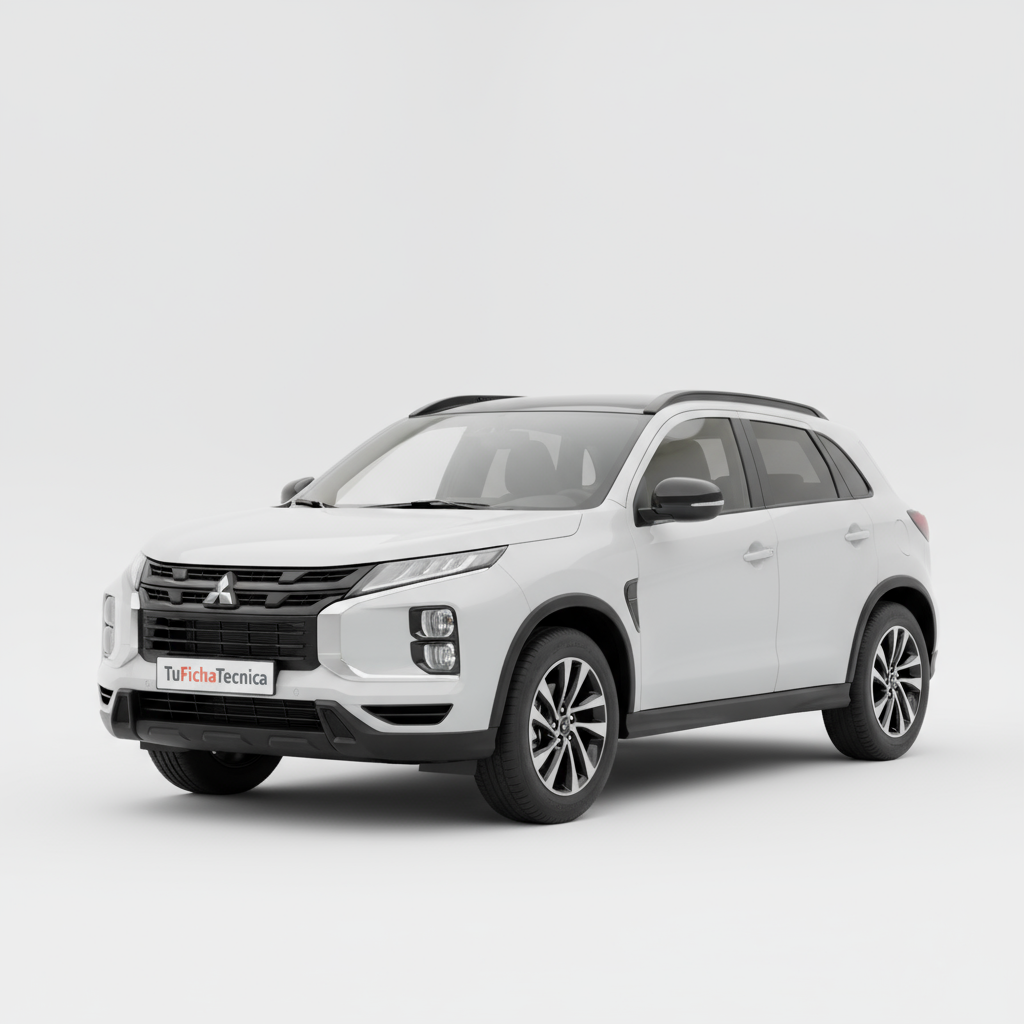
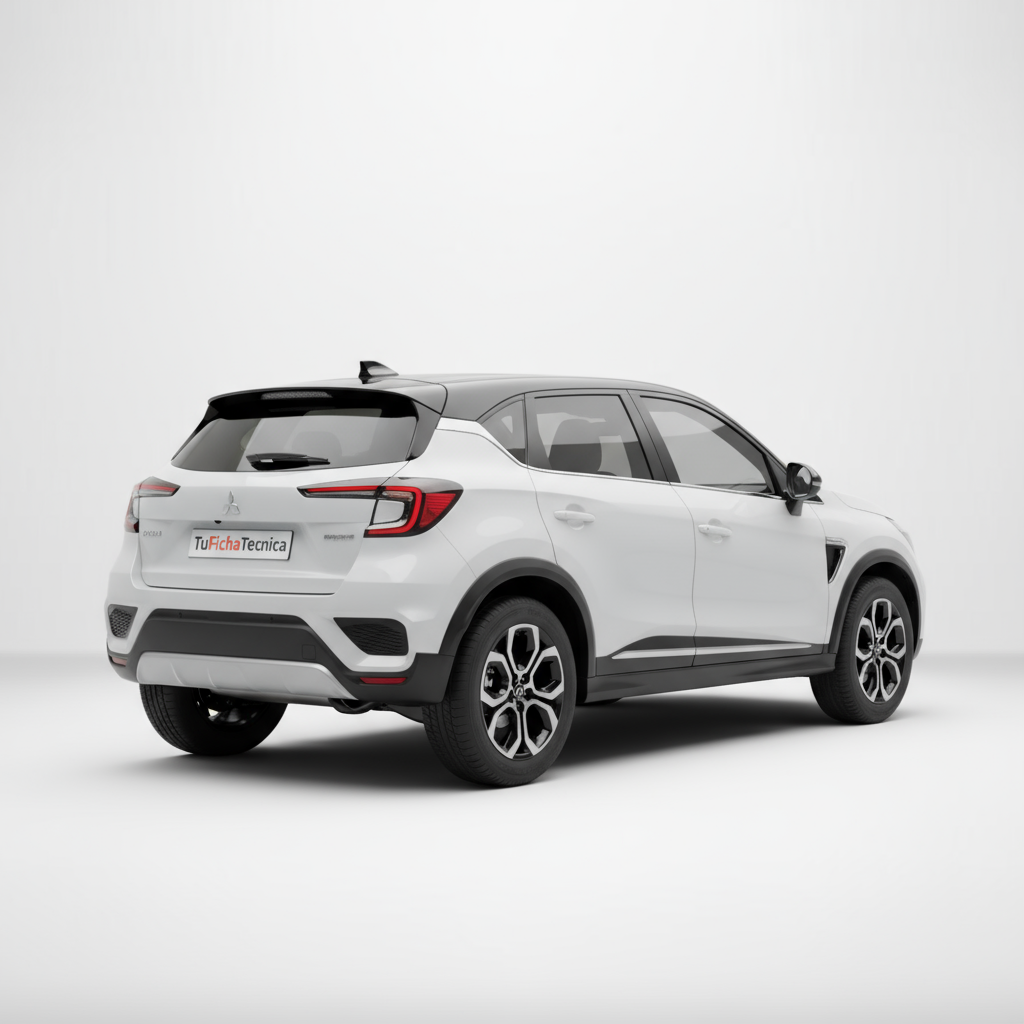
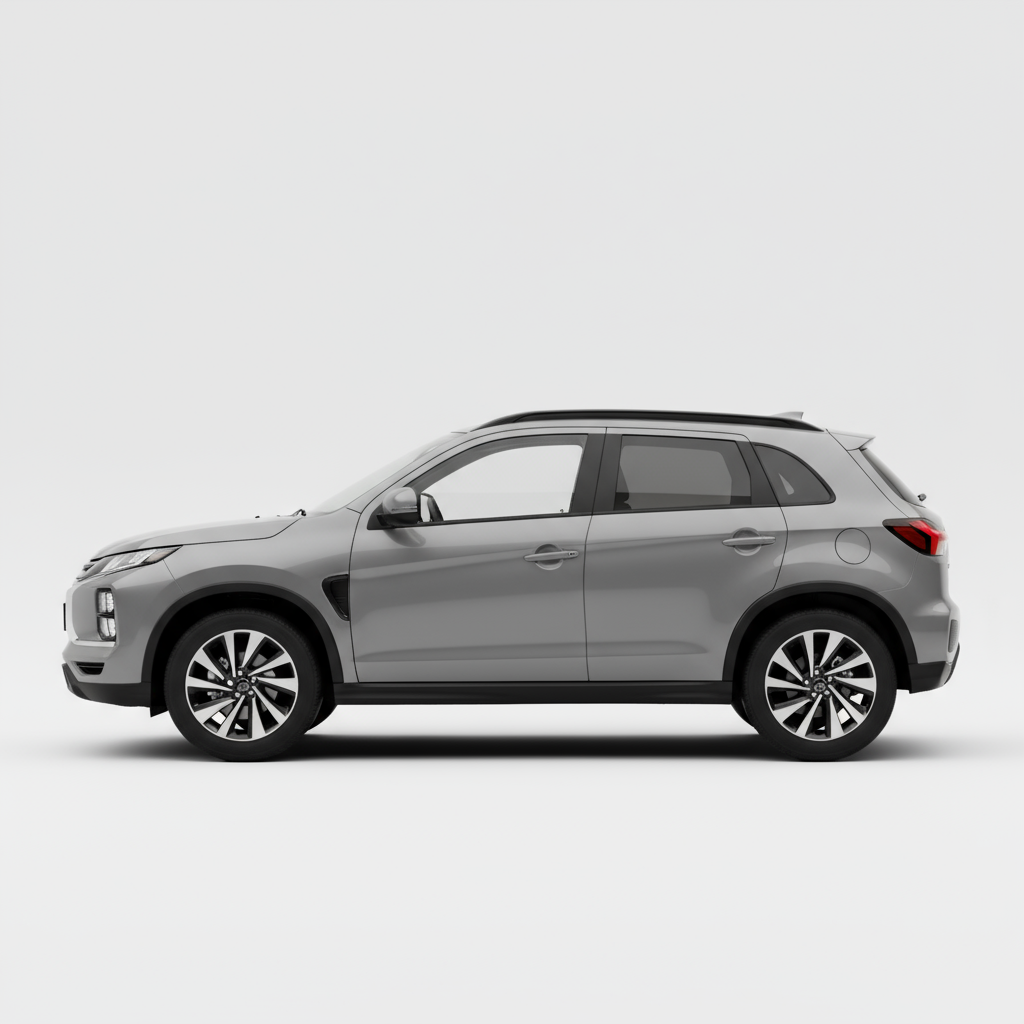
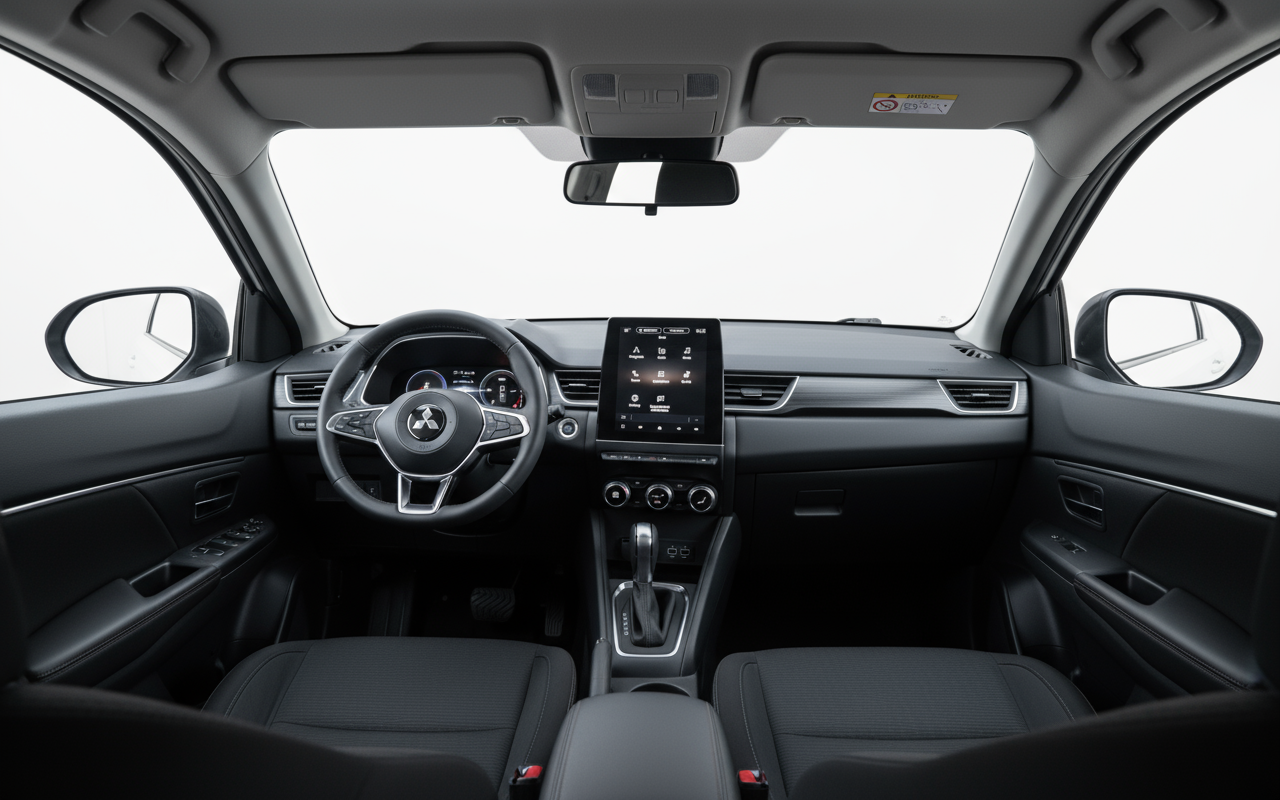
The design of the 2023 Mitsubishi ASX is modern and attractive, with lines that give it a robust and dynamic presence. Its compact dimensions, with 4228 mm long, 1797 mm wide, and 1573 mm high, make it manageable in the city without sacrificing an SUV aesthetic. The 18-inch wheels with 215/55 R18 tires complement its image. The interior, although not detailed in the data, is expected to follow the brand's characteristic line of functionality and ergonomics, with a focus on comfort and ease of use. The trunk capacity, between 261 and 375 liters, is reasonable for its segment, although it could be a factor to consider for those who need a very large cargo space.
Technology and features
In terms of technology, the ASX 160 PHEV stands out for its plug-in hybrid system. The 1598 cc gasoline engine is combined with an electric system powered by a 10.5 kWh battery, located in the central rear part. This configuration allows it to achieve a combined consumption of 1.4 l/100km and CO2 emissions of only 31 g/km, which gives it the coveted '0 emissions' label. Battery charging takes approximately 3 hours with alternating current. Although the data does not specify the charging power, this time is competitive. The braking system, with 296 mm ventilated discs at the front and 290 mm discs at the rear, ensures good stopping capability. Electric power steering contributes to a more comfortable and efficient drive.
Competition
The Mitsubishi ASX 160 PHEV Kaiteki+ competes in a very crowded segment of compact plug-in hybrid SUVs. Among its main rivals are models such as the Renault Captur E-TECH Plug-in Hybrid, with which it shares platform and technology, the Kia Niro PHEV, the Hyundai Kona Hybrid, or the Toyota C-HR Plug-in Hybrid. Each of them offers its own advantages in terms of design, equipment, and performance, so the choice will depend on the priorities of each buyer. The ASX is positioned as a solid alternative, especially for those looking for Mitsubishi's reliability and the efficiency of a PHEV system.
Conclusion
The Mitsubishi ASX 160 PHEV Kaiteki+ is a balanced proposal for those looking for a compact, efficient SUV with the advantage of the '0 emissions' label. Its attractive design, smooth driving, and plug-in hybrid technology make it an option to consider. While it is not the most powerful in its category, it more than meets the expectations of a vehicle for daily use, offering a good compromise between performance, consumption, and respect for the environment. Its price of €39,590 places it in a competitive range within its segment.