
Especificaciones y análisis del Mercedes-Benz Clase E
Power
177HP
Torque
240Nm
Consumption
10.9l/100
Emissions
-g/km
0-100 km/h
9.1s
Top Speed
236km/h
Weight
1570kg
Price
43,700€
Technical summary
Gasolina
Manual 6v
RWD
5 / 4 doors
540 L
65 L
130 kW
Current
Technical specifications
Engine
Capacities
Detailed analysis of the Mercedes-Benz E 240 · 177 CV (2002-2005)
General description
The 2002 Mercedes-Benz E 240 is a sedan that embodies the essence of early 21st-century German elegance and engineering. With its 2.6-liter, 177 hp gasoline engine, this model promised a balance between performance and the comfort expected from the star brand. Its timeless design and focus on quality positioned it as a desirable option for those seeking a premium vehicle with a touch of distinction.
Driving experience
Behind the wheel of the E 240, the feeling is one of poise and smoothness. The six-cylinder engine delivers its power linearly and refined, without harshness, inviting relaxed driving but with the ability to respond when required. The six-speed manual gearbox allows for precise control, although the true magic lies in the suspension, which filters out road imperfections with a mastery that only Mercedes-Benz can offer, providing a serene and comfortable ride for all occupants. It's a car that envelops you in an atmosphere of tranquility and security.
Design and aesthetics
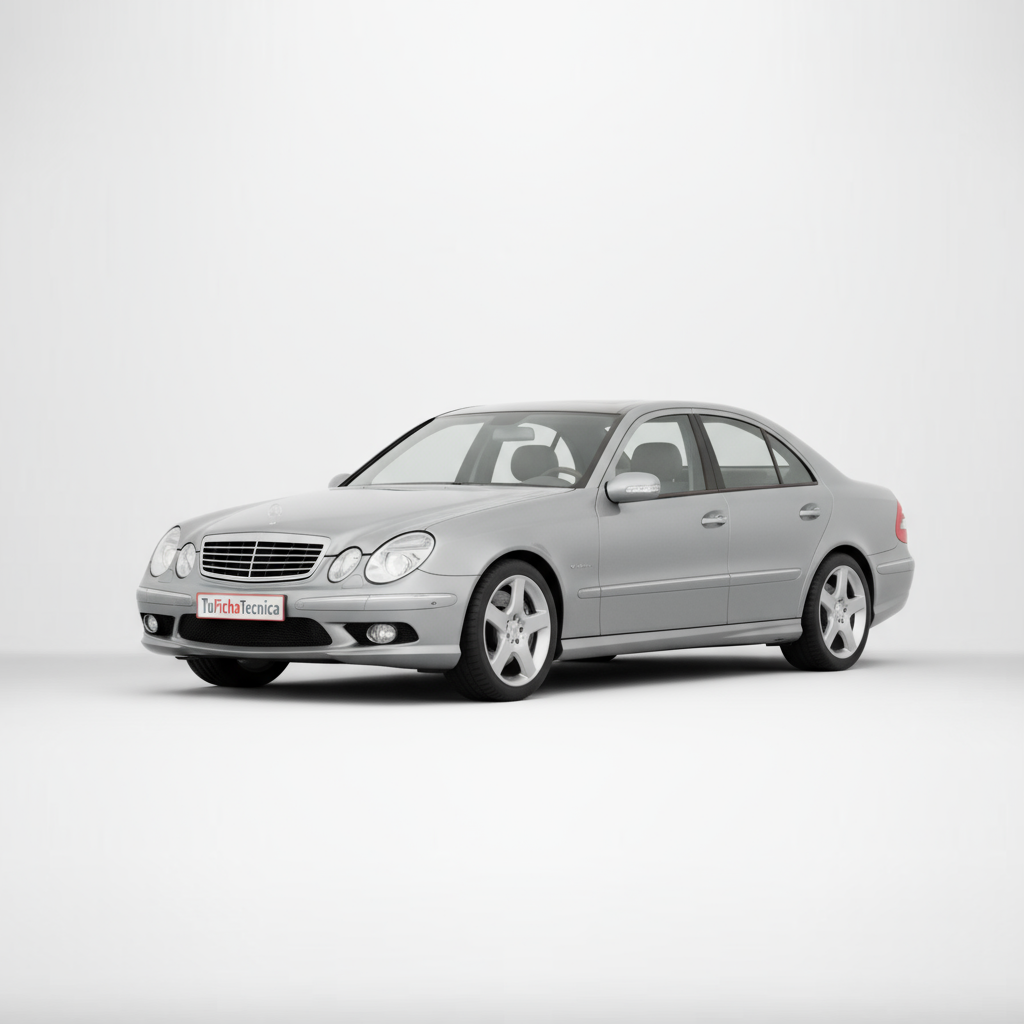
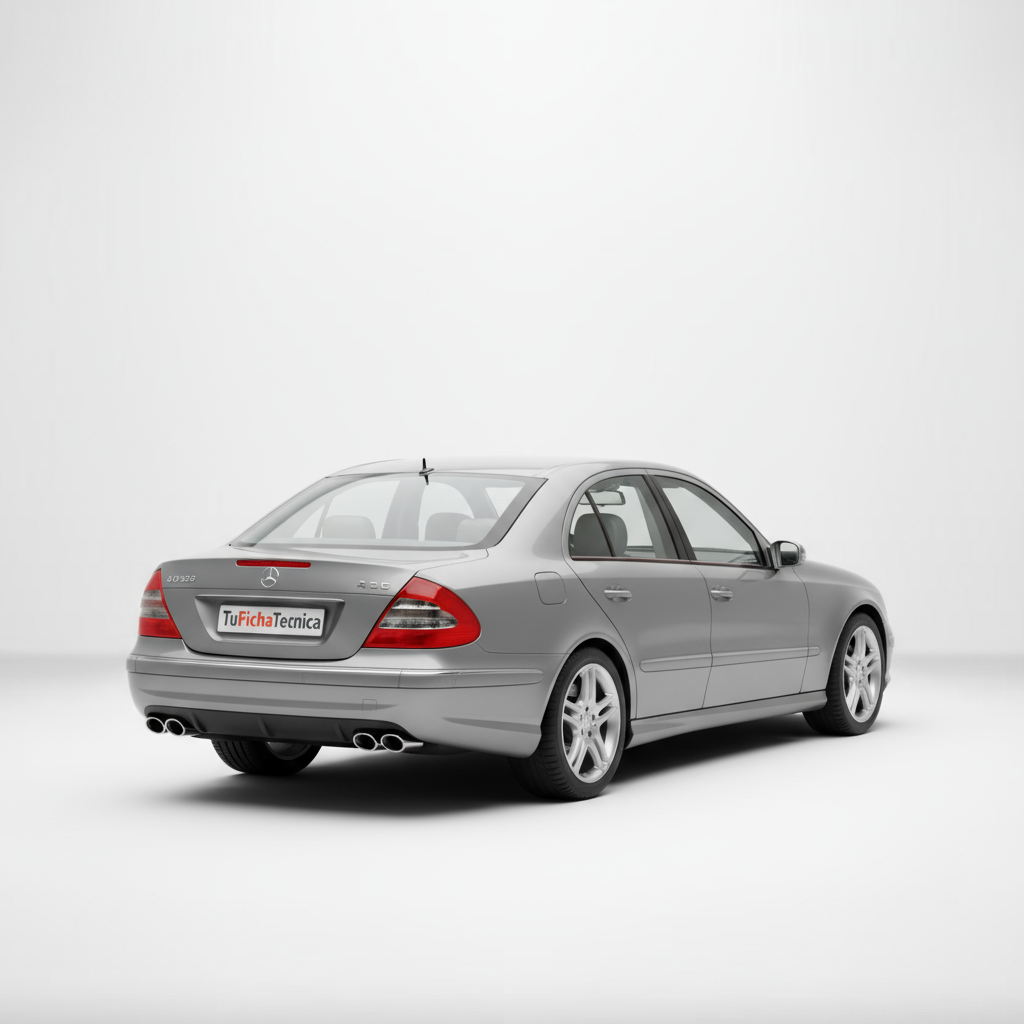
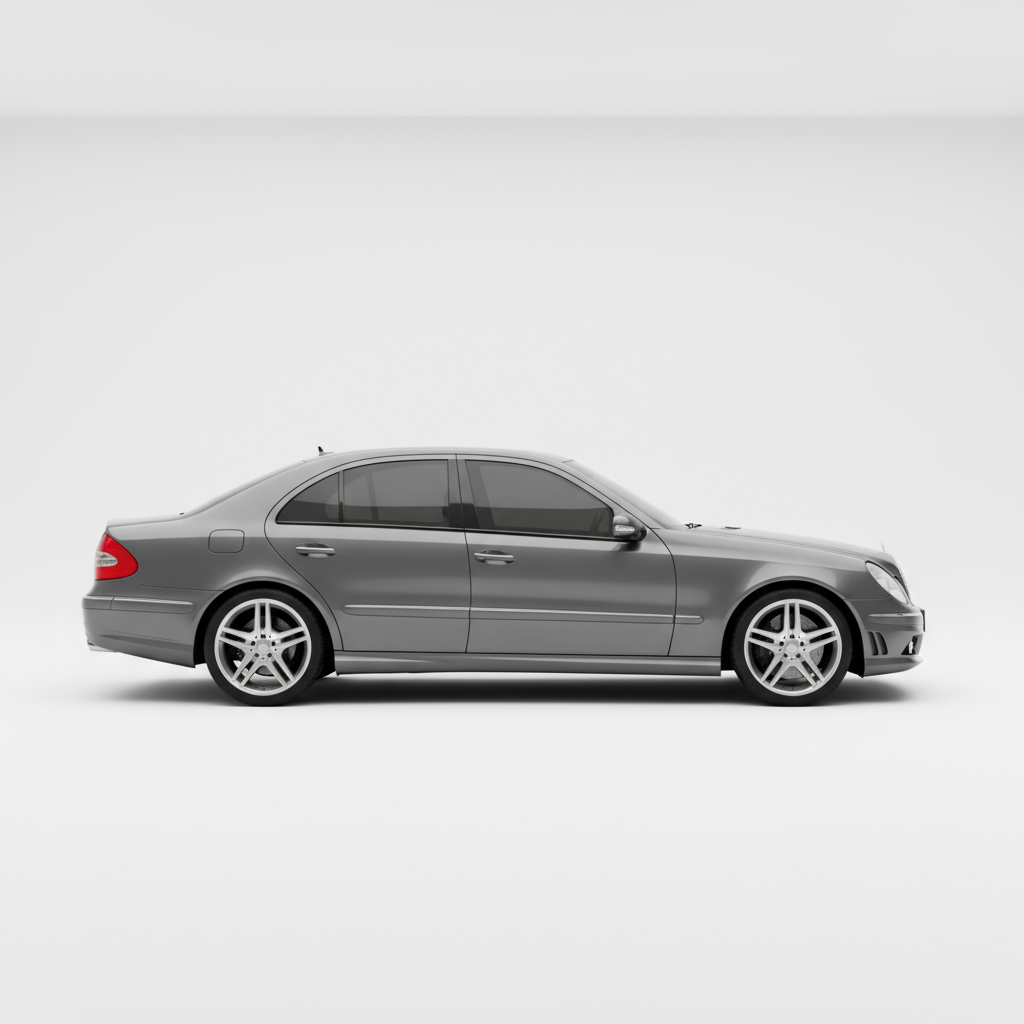
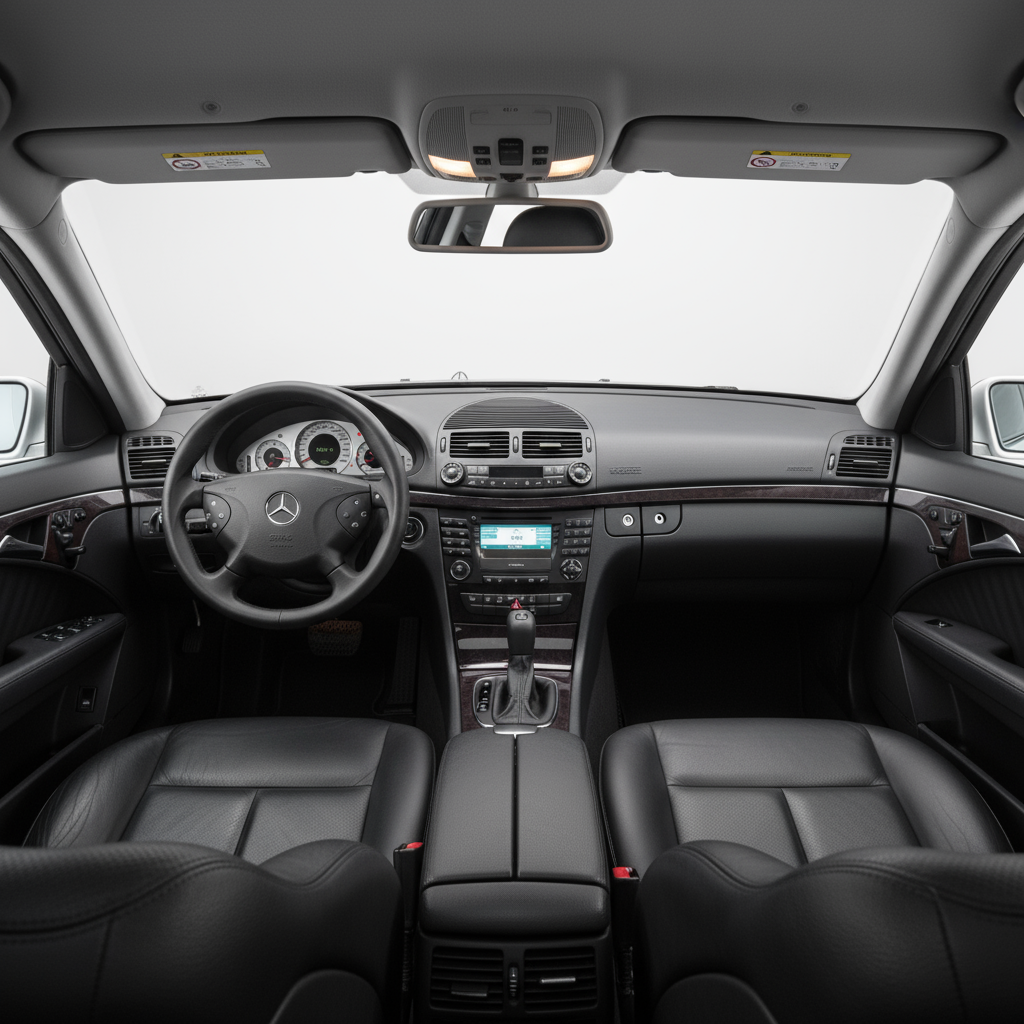
The design of the 2002 Mercedes-Benz E-Class is an instant classic. Its fluid and elegant lines, with the characteristic oval double headlights, give it an imposing and sophisticated presence. The four-door sedan body exudes a sobriety that never goes out of style, and every detail, from the front grille to the rear, is designed to convey a sense of discreet and timeless luxury. The interior, with its high-quality materials and careful ergonomics, perfectly complements the exterior, creating a welcoming and functional environment.
Technology and features
Although the 2002 E 240 does not feature the touchscreens and connectivity of current cars, its technology focused on mechanical engineering and safety. The indirect injection engine with variable intake, rack-and-pinion steering, and ventilated disc brakes on the front axle are examples of robust and reliable engineering. The multi-link suspension on both axles, along with anti-roll bars, ensured predictable and safe dynamic behavior. It was a car that prioritized durability and functionality over ephemeral gadgets.
Competition
In its time, the Mercedes-Benz E 240 faced tough competitors in the premium sedan segment. Its main rivals were the BMW 5 Series and the Audi A6, vehicles that also offered a high level of comfort, performance, and quality. Each with its own personality, the BMW stood out for its dynamism, the Audi for its quattro traction and more modern design, while the Mercedes-Benz stood as the benchmark in comfort and prestige, appealing to an audience that valued tradition and elegance above all else.
Conclusion
The 2002 Mercedes-Benz E 240 is more than a car; it is a statement of intent. It represents an era when German engineering reached heights of excellence in terms of comfort, ride quality, and durability. Although its fuel consumption may seem high by current standards, the driving experience and the feeling of solidity it conveys are unparalleled. It is a vehicle for those who appreciate classic engineering and discreet luxury, a car that is still capable of offering pleasant and safe journeys, maintaining its status as an automotive icon.