
Especificaciones y análisis del Mercedes-Benz Clase E
Power
116HP
Torque
250Nm
Consumption
6.2l/100
Emissions
-g/km
0-100 km/h
12.5s
Top Speed
199km/h
Weight
1590kg
Price
34,850€
Technical summary
Gasóleo
Manual 6v
RWD
5 / 4 doors
520 L
65 L
85 kW
Current
Technical specifications
Engine
Capacities
Detailed analysis of the Mercedes-Benz E 200 CDI Berlina · 116 CV (2001-2002)
General description
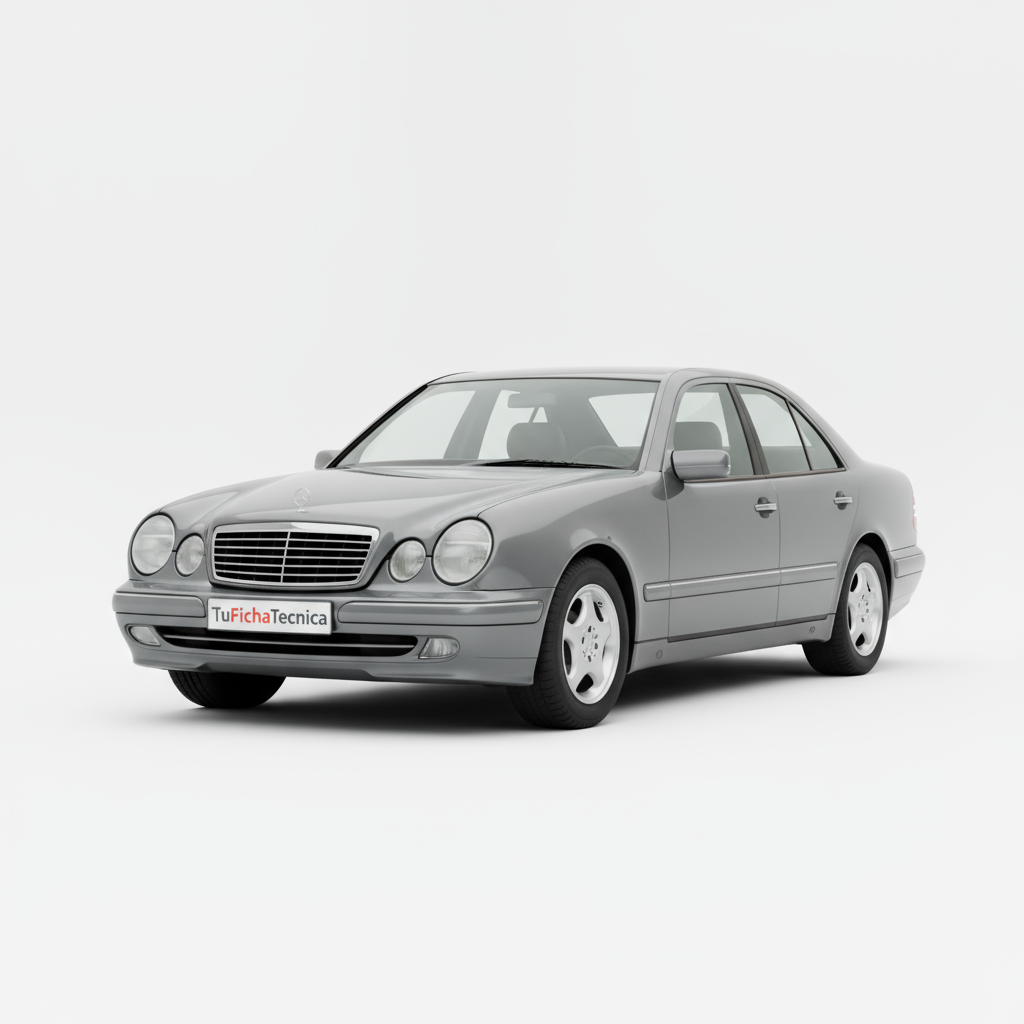
The 1998 Mercedes-Benz E-Class 200 CDI Sedan is a vehicle that embodies the essence of late 20th-century German engineering. Priced at €34,850, this model positioned itself as a premium option for those seeking comfort, reliability, and a touch of distinction on the road. Its 116 hp diesel engine, while not an abundance of power, promises remarkable efficiency and durability that has made the brand famous.
Driving experience
Behind the wheel of the E-Class 200 CDI, the predominant sensation is one of poise and security. The suspension, with a deformable parallelogram both front and rear, filters out road irregularities with a smoothness that invites long journeys. The rack-and-pinion steering, while lacking the immediacy of more modern systems, offers predictable response and good road feel. The engine, with its 116 hp and 250 Nm of torque from low revs, allows for relaxed and efficient driving, although 0-100 km/h accelerations in 12.5 seconds remind us that it is not a race car. The top speed of 199 km/h is more than sufficient for any situation. The combined consumption of 6.2 l/100km is a strong point, making this E-Class an economical companion for daily use and travel.
Design and aesthetics
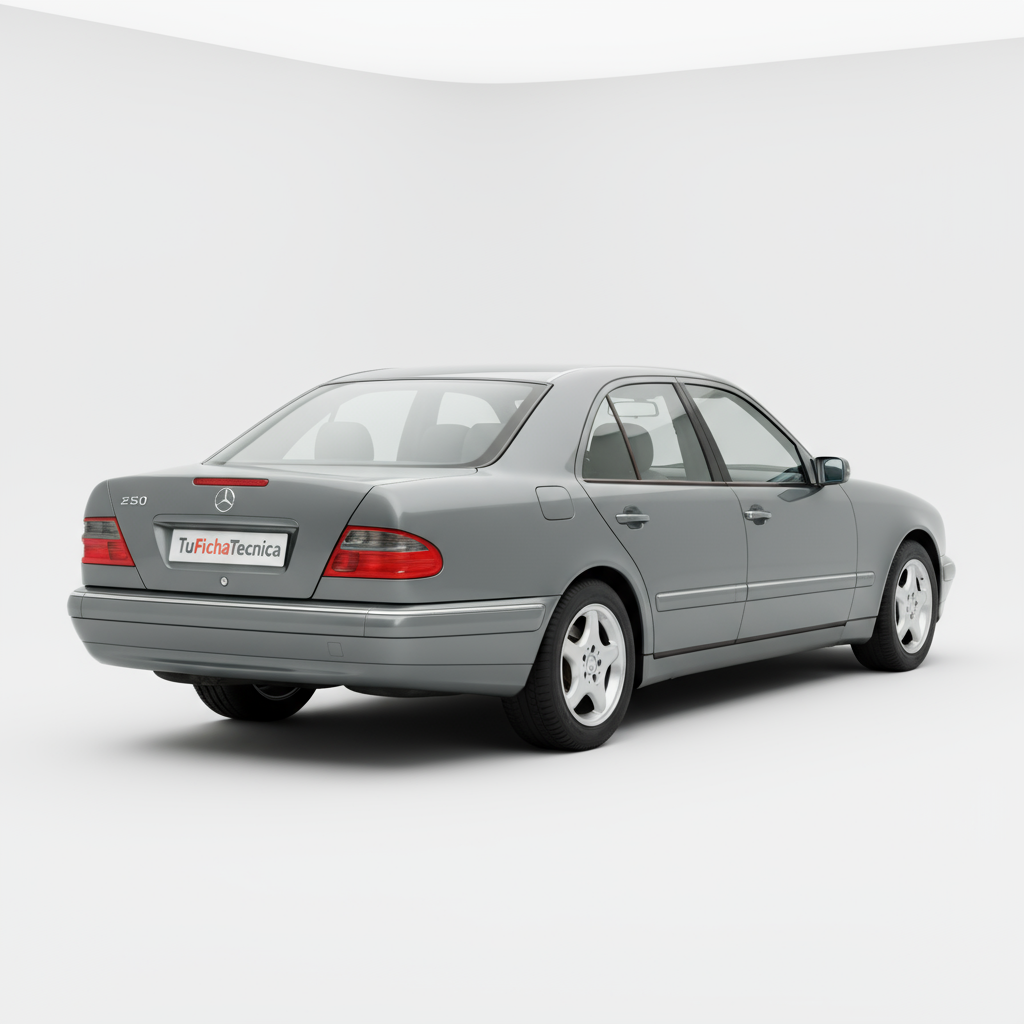
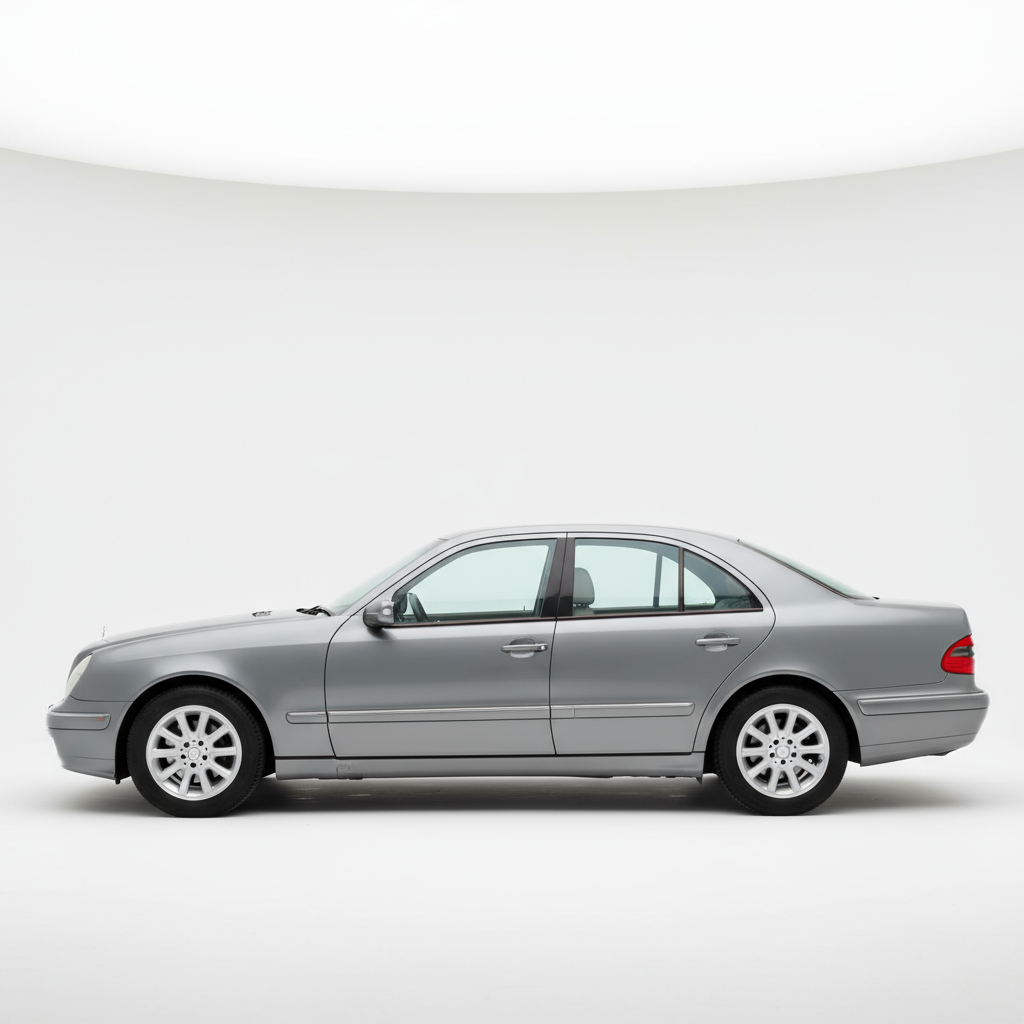
The design of the 1998 Mercedes-Benz E-Class is a timeless classic. Its elegant and sober lines, with a length of 4818 mm and a width of 1799 mm, give it an imposing yet discreet presence. The four-door sedan offers a spacious cabin for five occupants and a generous 520-liter trunk, ideal for family or business needs. Although the 15-inch wheels with 205/65 R15 H tires may seem modest by current standards, they contribute to ride comfort and the vehicle's classic aesthetic. It is a design that, despite the years, continues to convey quality and good taste.
Technology and features
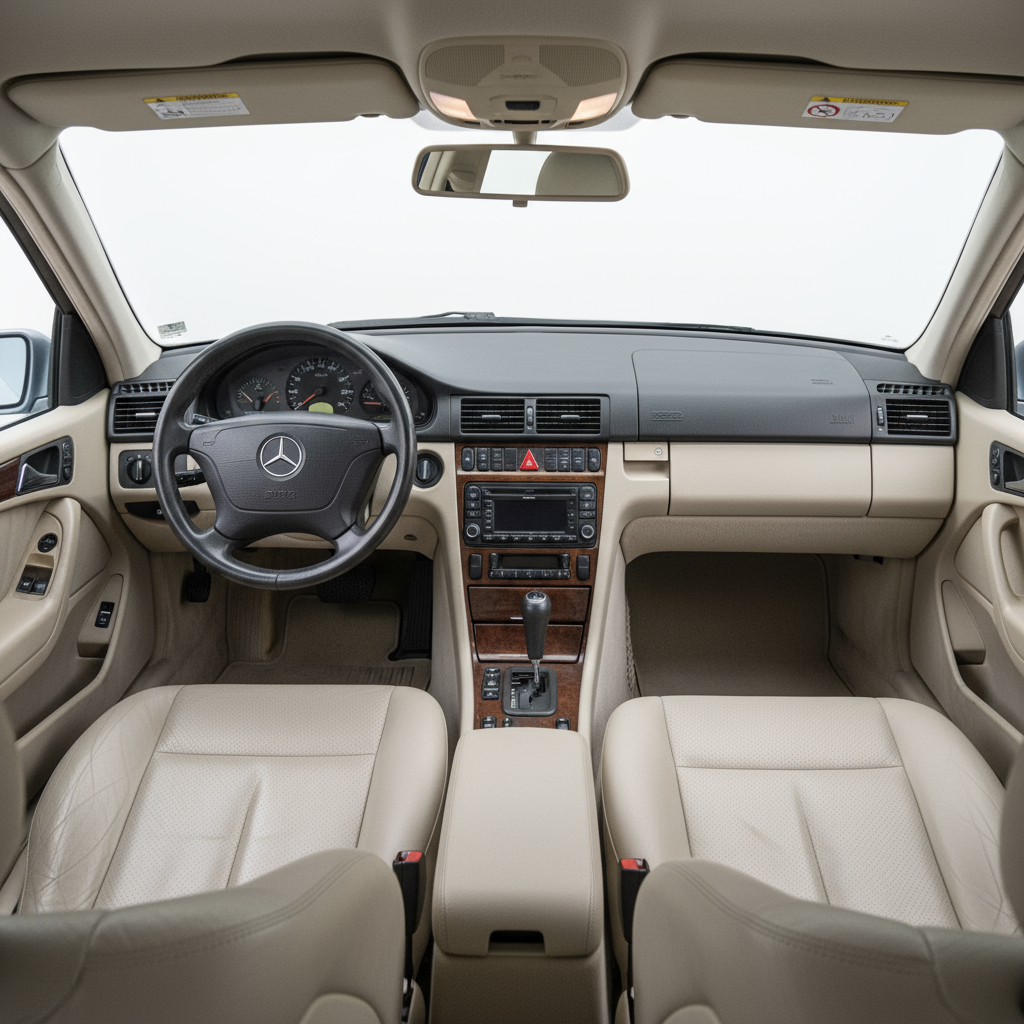
In 1998, the Mercedes-Benz E-Class 200 CDI incorporated advanced technology for its time. Its common rail direct injection diesel engine, turbo with variable geometry and intercooler, was a benchmark in efficiency and performance. The 6-speed manual transmission, a feature not so common in all vehicles of the time, allowed for better power utilization and contributed to fuel economy. Although it lacks modern touchscreens and driving assistance systems, its technology focused on robust mechanics and optimizing engine performance, with an iron block and aluminum cylinder head that guaranteed durability. The 288 mm ventilated front disc brakes and 278 mm rear discs ensured effective and safe braking.
Competition
In its segment, the 1998 Mercedes-Benz E-Class 200 CDI competed directly with models such as the BMW 5 Series and the Audi A6 of the same era. While the BMW offered a sportier driving experience, and the Audi stood out for its quattro traction and avant-garde design, the E-Class positioned itself as the benchmark in comfort, ride quality, and an unmistakable image of prestige. Its focus on durability and smooth running differentiated it, attracting an audience that valued tradition and solid engineering over pure performance or extreme sportiness.
Conclusion
The 1998 Mercedes-Benz E-Class 200 CDI Sedan is a testament to automotive engineering from a bygone era, where robustness and comfort were fundamental pillars. Although its performance is not the most exciting, its efficiency, timeless design, and the quality of its materials make it a desirable classic. It is a car that invites you to enjoy the journey, appreciate the smoothness of its ride, and trust in the reliability of its mechanics. For those looking for a vehicle with history, character, and the promise of a long lifespan, this E-Class remains a very attractive option.