
Especificaciones y análisis del Mercedes-Benz Clase E
Power
279HP
Torque
400Nm
Consumption
11.3l/100
Emissions
-g/km
0-100 km/h
6.6s
Top Speed
250km/h
Weight
1680kg
Price
61,050€
Technical summary
Gasolina
Automático 5v
RWD
5 / 4 doors
500 L
80 L
205 kW
Current
Technical specifications
Engine
Capacities
Detailed analysis of the Mercedes-Benz E 430 Berlina · 279 CV (2001-2002)
General description
The 1998 Mercedes-Benz E 430 Sedan is a gem of German engineering, a vehicle that embodies elegance, power, and comfort. With its 4,266 cc V8 engine producing 279 hp, this sedan not only promised exceptional performance but also an unparalleled driving experience. Launched at a time when Mercedes-Benz was consolidating its reputation for luxury and reliability, the E 430 positioned itself as a premium option for those seeking distinction and performance.
Driving experience
Driving the E 430 is an experience that evokes a mix of power and serenity. The V8 engine, with its 279 hp, offers forceful acceleration, going from 0 to 100 km/h in just 6.6 seconds, an impressive figure for its time. The 5-speed automatic transmission smoothly manages power, making each shift almost imperceptible. The suspension, with a deformable parallelogram on both axles, provides exceptional ride comfort, absorbing road irregularities with mastery. In curves, the car feels planted and secure, transmitting great confidence to the driver. It is a car that invites you to devour kilometers with a sense of absolute control and discreet luxury.
Design and aesthetics
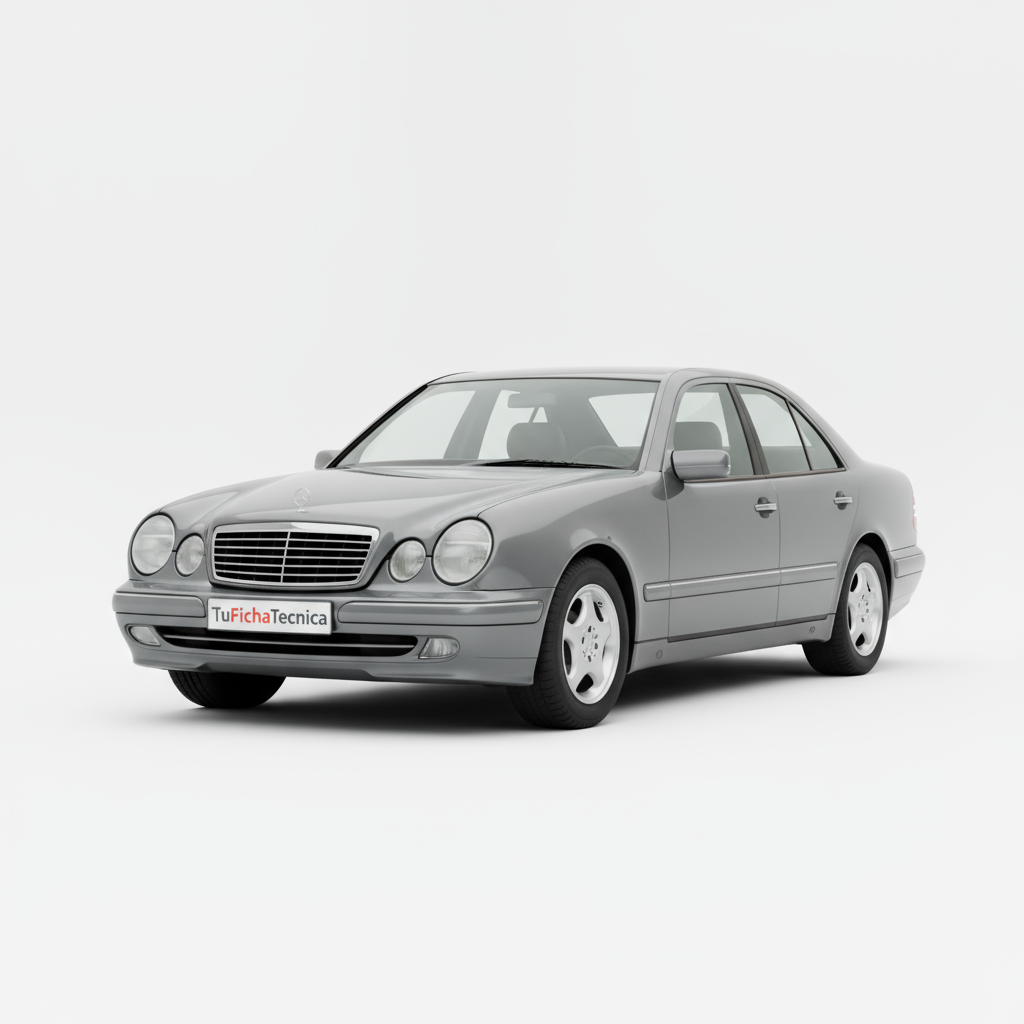
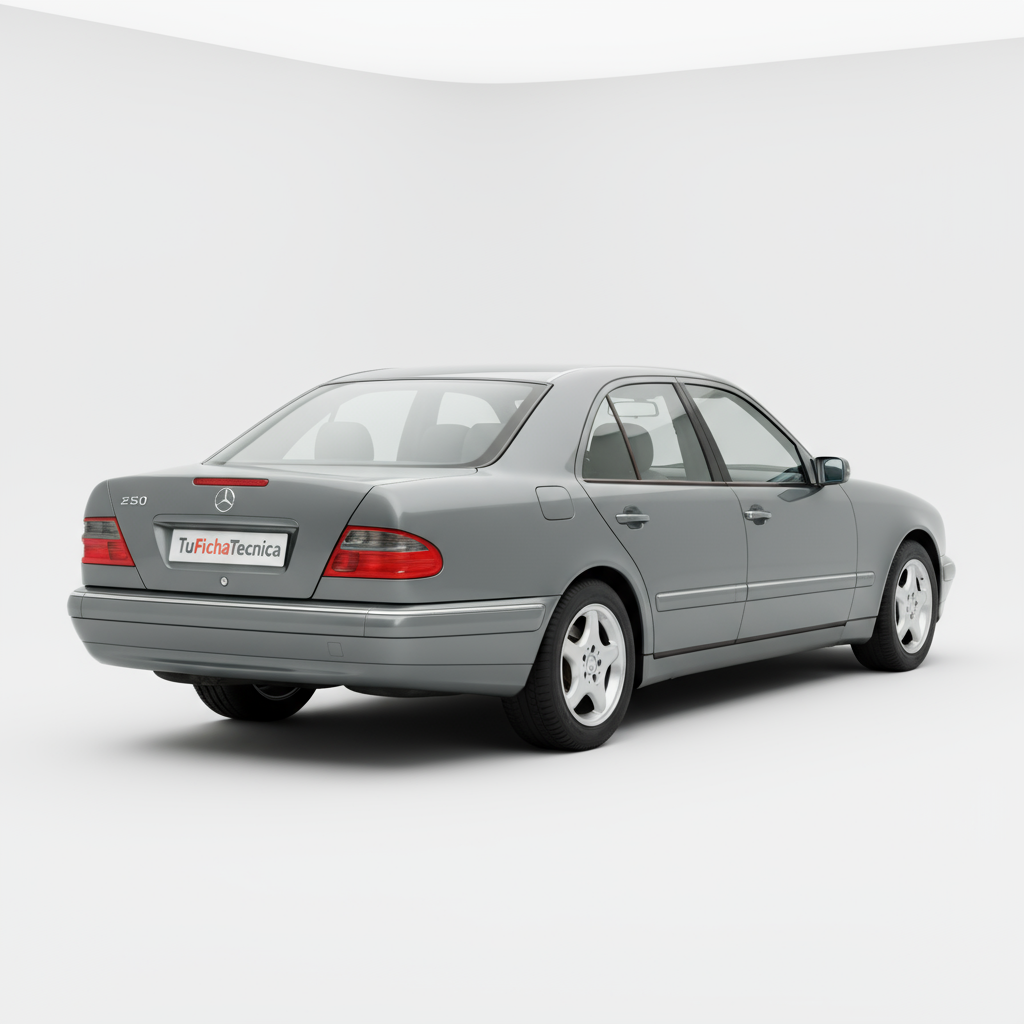
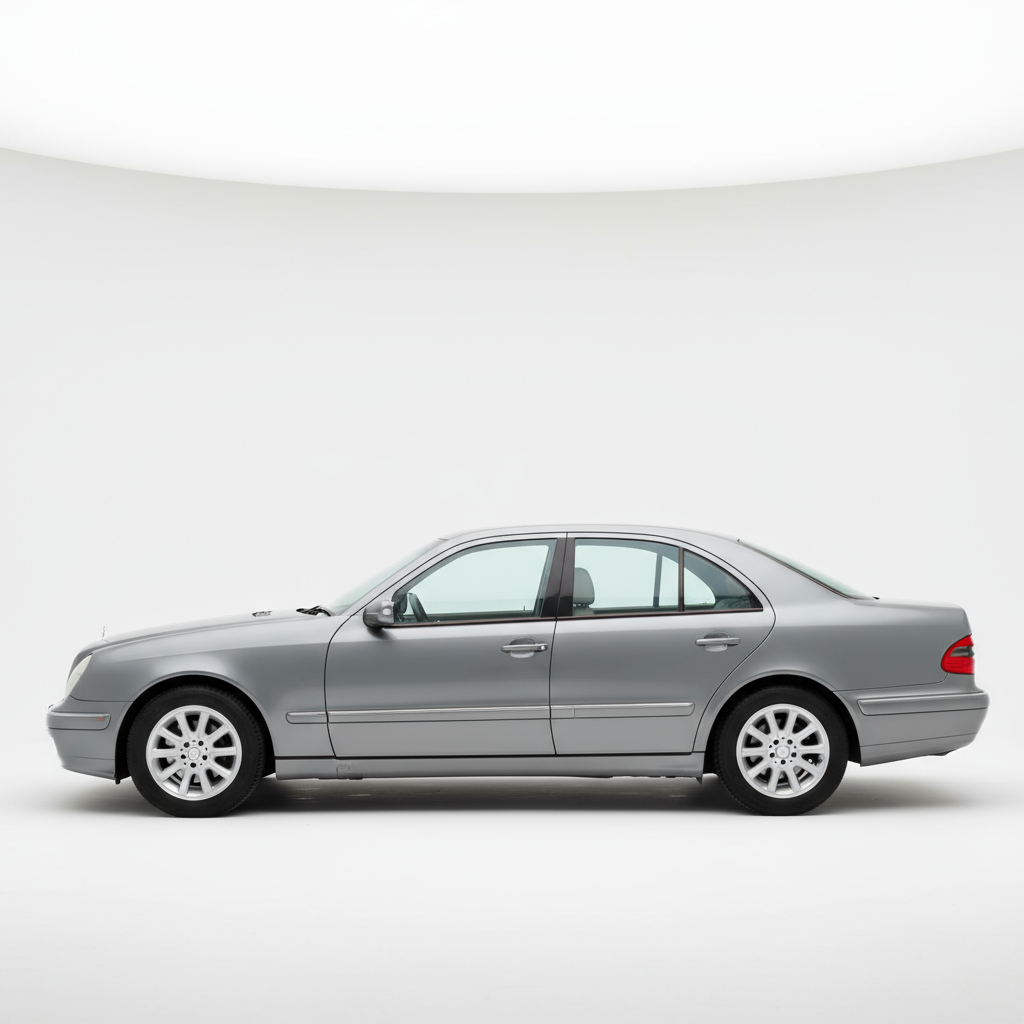
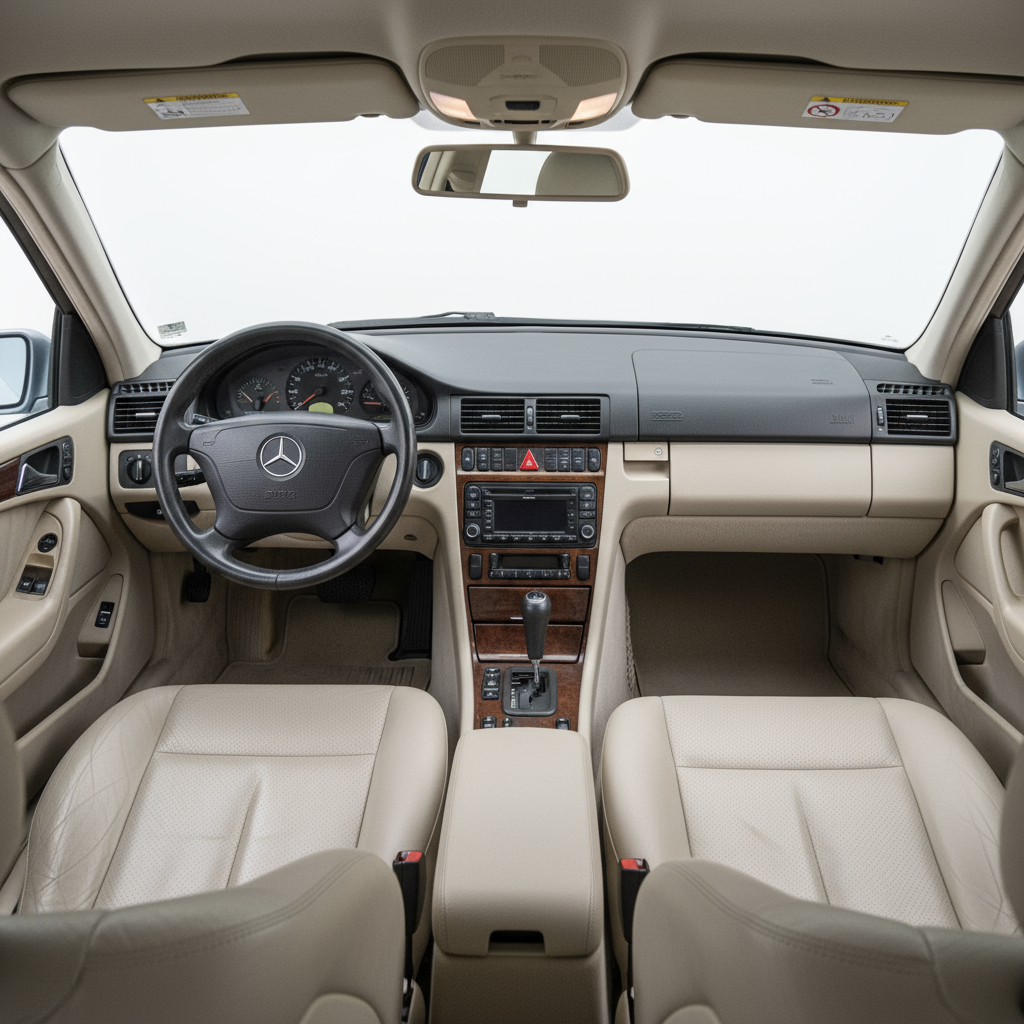
The design of the 1998 Mercedes-Benz E 430 Sedan is a testament to timelessness and functionality. Its lines are classic and elegant, with a silhouette that radiates sophistication without being ostentatious. The characteristic dual oval headlights of that generation's E-Class give it an unmistakable personality. The interior is a sanctuary of high-quality materials, with wood and leather finishes that create a cozy and luxurious atmosphere. Ergonomics are carefully studied, with all controls within reach and clear, legible instrumentation. It is a design that, even today, remains attractive and functional.
Technology and features
Despite being a late 90s model, the E 430 incorporated advanced technology for its time. Its aluminum V8 engine, with 3 valves per cylinder, was an example of efficiency and performance. Indirect injection ensured smooth and progressive power delivery. The 5-speed automatic transmission was one of the most sophisticated on the market, optimizing consumption and comfort. In terms of safety, it featured ventilated disc brakes on the front axle and solid discs on the rear, guaranteeing powerful and safe braking. The rack-and-pinion steering offered precise response, contributing to the sense of control. Although it lacked modern touchscreens and driving assistants, its technology focused on mechanics and active and passive safety.
Competition
In its segment, the Mercedes-Benz E 430 Sedan faced tough competitors such as the BMW 5 Series (E39) and the Audi A6. The BMW 5 Series stood out for its dynamism and more sporty approach, while the Audi A6 offered quattro all-wheel drive and a more sober design. However, the E 430 distinguished itself by its balance of luxury, comfort, and performance, offering a more refined driving experience and an unparalleled image of prestige. Its V8 engine gave it an advantage in power and smoothness over many of its alternatives.
Conclusion
The 1998 Mercedes-Benz E 430 Sedan is much more than a car; it is a statement of intent. It represents the pinnacle of German engineering of its era, combining formidable performance with discreet luxury and exceptional comfort. It is a vehicle that, despite the passage of time, remains a benchmark of quality and prestige. For those seeking a modern classic with a powerful engine and a rewarding driving experience, the E 430 is a choice that will not disappoint, a car that makes you feel special every time you get behind the wheel.