
Especificaciones y análisis del Mercedes-Benz Clase E
Power
224HP
Torque
315Nm
Consumption
10.3l/100
Emissions
-g/km
0-100 km/h
7.9s
Top Speed
238km/h
Weight
1630kg
Price
51,116€
Technical summary
Gasolina
Automático 5v
RWD
5 / 4 doors
520 L
65 L
165 kW
Current
Technical specifications
Engine
Capacities
Detailed analysis of the Mercedes-Benz E 320 Elegance · 224 CV (2000-2001)
General description
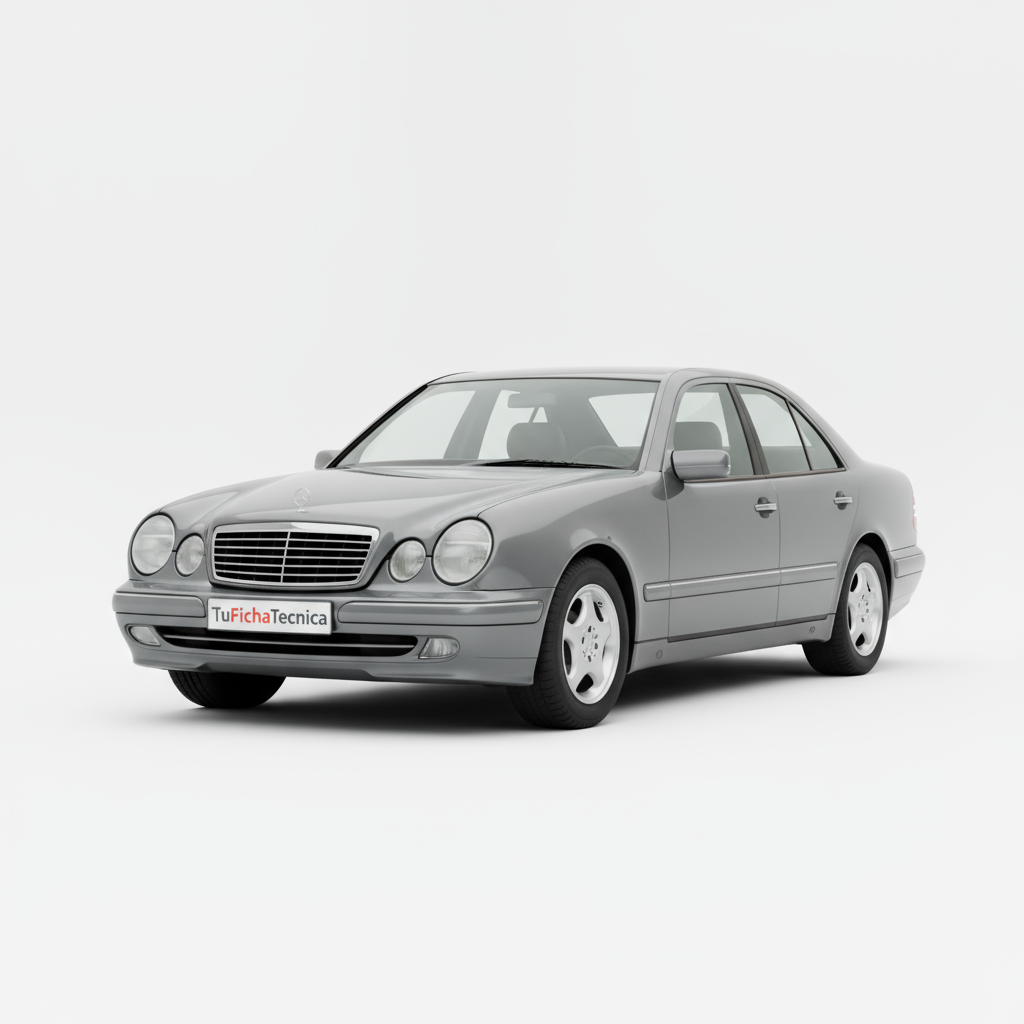
The 1998 Mercedes-Benz E 320 Elegance is a sedan that embodies the essence of late 20th-century German engineering. With its 3.2-liter, 224 hp gasoline engine, this vehicle not only promised remarkable performance but also comfort and sophistication that placed it at the pinnacle of its segment. Its timeless design and 'Elegance' trim made it a preferred choice for those seeking distinction and reliability in one package.
Driving experience
Driving the E 320 Elegance is an experience that evokes a sense of solidity and composure. The steering, though not overly communicative, conveys confidence, and the suspension absorbs road imperfections with a smoothness that invites long journeys. The inline-six engine, with its 224 hp, offers a forceful response and a refined sound, especially when pushed. The 0 to 100 km/h acceleration in 7.9 seconds is more than respectable for a car of its era and size, and the top speed of 238 km/h underscores its ability to devour highway miles. The 5-speed automatic transmission, while not the fastest by today's standards, performs smooth and logical shifts, contributing to a relaxed and pleasant driving experience. The combined fuel consumption of 10.3 l/100km is a reminder that power and comfort come at a price at the pump, but for many, the experience is worth it.
Design and aesthetics
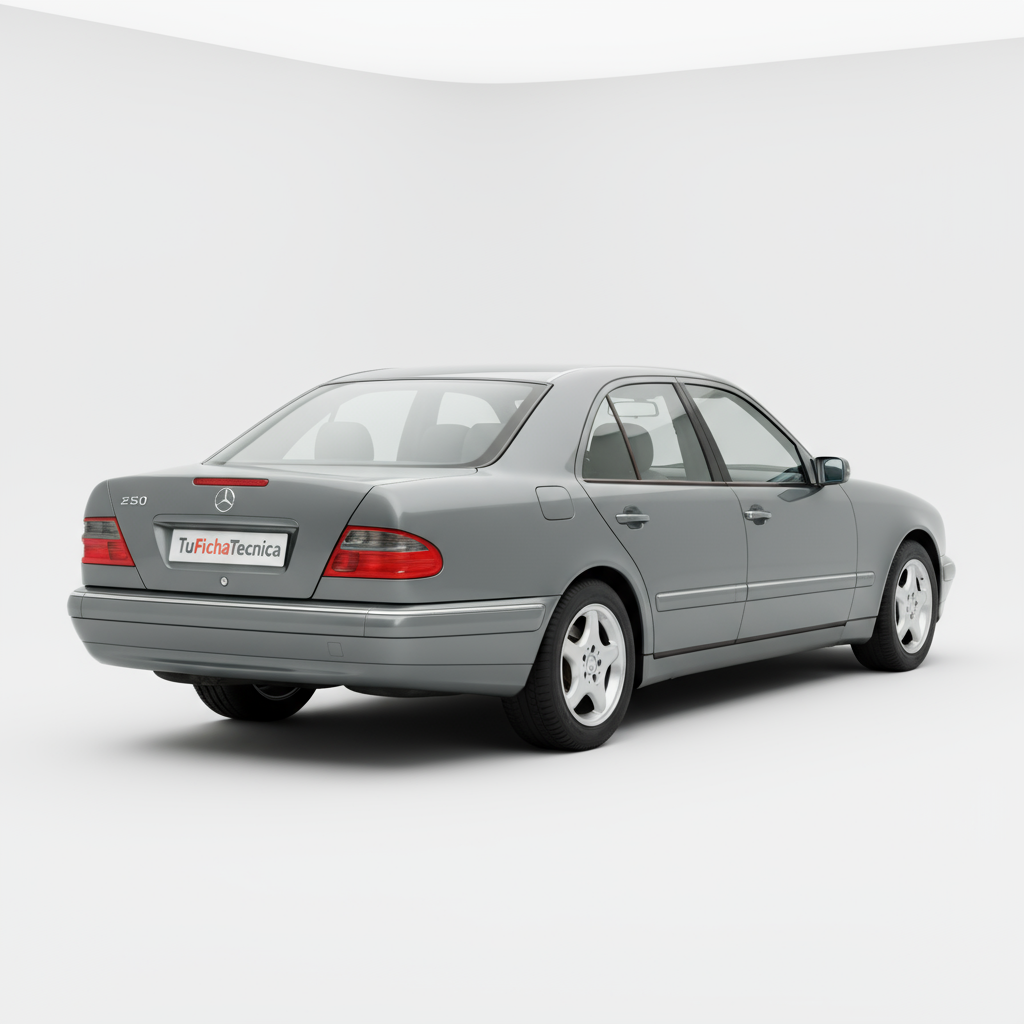
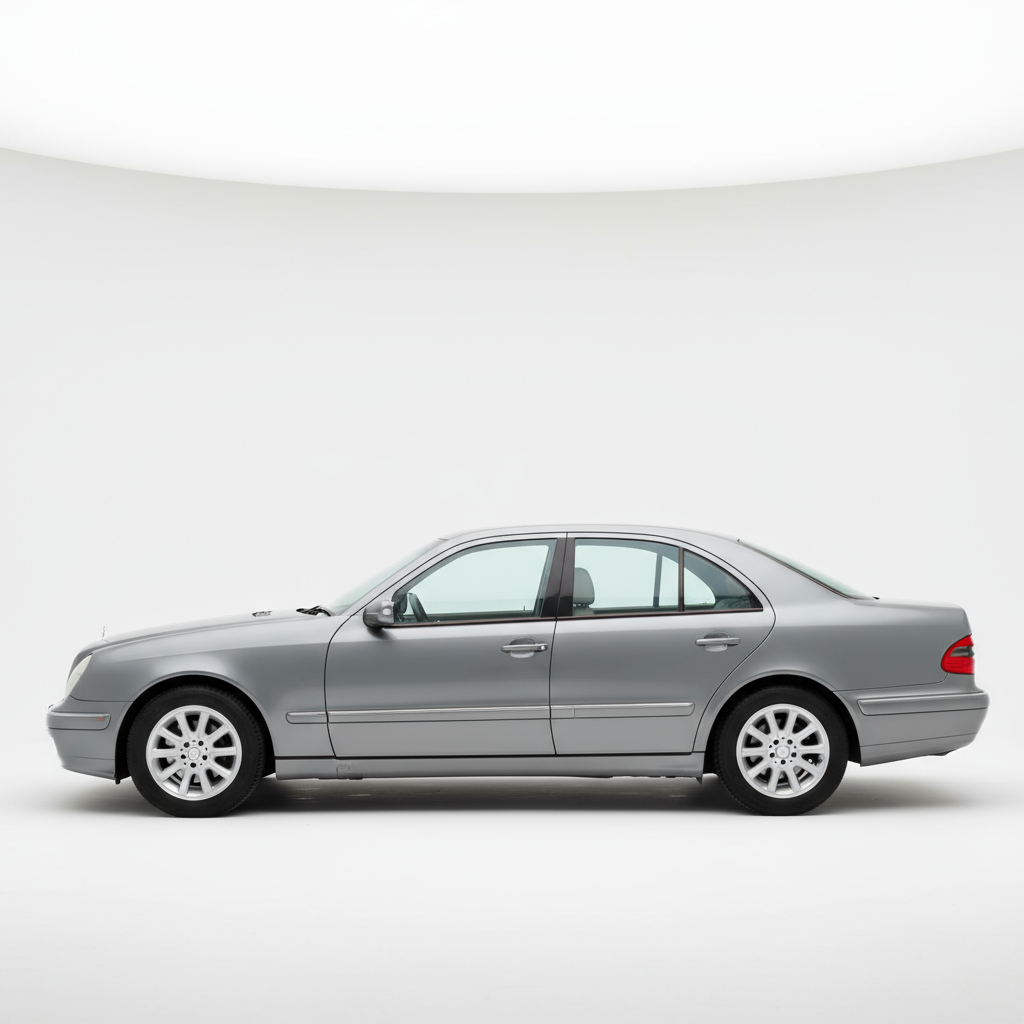
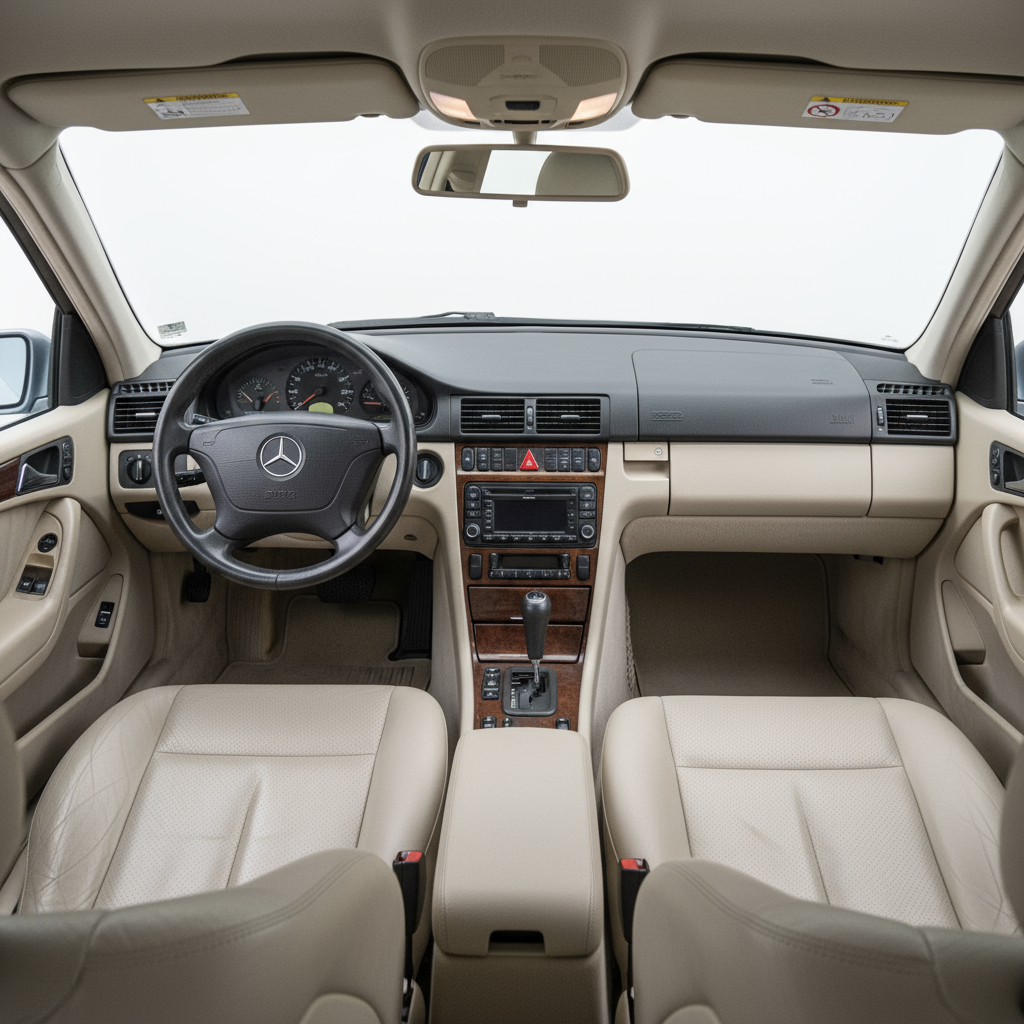
The design of the 1998 Mercedes-Benz E-Class is an instant classic. Its fluid and elegant lines, with the characteristic oval double headlights, give it an imposing and distinguished presence. The Elegance version adds chrome details and specific alloy wheels that enhance its sophistication. The interior is a sanctuary of high-quality materials, with noble woods and upholstery that invite touch. Ergonomics are impeccable, with all controls within reach of the driver, and the spacious cabin ensures the comfort of all occupants. It is a design that, despite the years, still maintains its appeal and its ability to turn heads.
Technology and features
At its time, the E 320 Elegance incorporated cutting-edge technology. Its 3.2-liter engine with indirect injection and an aluminum cylinder head was an example of efficiency and performance. The 5-speed automatic transmission, while it may seem basic today, was a significant advance in smoothness and power management. In terms of safety, it featured ventilated front disc brakes and rear discs, as well as stabilizers on both axles for safe dynamic behavior. Although it lacked modern touchscreens and driver assistance systems, its technology focused on mechanical reliability and ride comfort, elements that Mercedes-Benz mastered perfectly.
Competition
In its era, the Mercedes-Benz E 320 Elegance faced tough competitors in the luxury sedan segment. Its main rivals were the BMW 5 Series (E39), especially the 528i or 530i, which offered a sportier driving experience; the Audi A6, with its quattro all-wheel drive and a high-quality interior; and the Volvo S80, known for its safety and comfort. Each of them had their strengths, but the E-Class distinguished itself by its balance of luxury, comfort, and the unmistakable image of Mercedes-Benz prestige.
Conclusion
The 1998 Mercedes-Benz E 320 Elegance is more than a car; it is a statement of intent. It represents an era when German engineering reached heights of excellence in terms of comfort, performance, and durability. Its timeless design, powerful engine, and luxurious interior make it a modern classic, a vehicle that continues to offer a rewarding driving experience and a level of prestige that few can match. It is a perfect choice for those who value quality, history, and the thrill of driving a true Mercedes-Benz.