
Especificaciones y análisis del Mercedes-Benz Clase E
Power
224HP
Torque
315Nm
Consumption
11.1l/100
Emissions
-g/km
0-100 km/h
8.3s
Top Speed
234km/h
Weight
1720kg
Price
54,542€
Technical summary
Gasolina
Automático 5v
AWD
5 / 4 doors
500 L
80 L
165 kW
Current
Technical specifications
Engine
Capacities
Detailed analysis of the Mercedes-Benz E 320 4matic Elegance · 224 CV (2000-2001)
General description
The 1998 Mercedes-Benz E-Class E 320 4matic Elegance is a sedan that embodies the essence of late 20th-century German engineering. With its 3.2-liter, 224 hp gasoline engine, combined with all-wheel drive and a 5-speed automatic transmission, this vehicle promised a journey of luxury and safety. Its price of 54,542 euros at the time positioned it as a premium option for those seeking distinction and performance.
Driving experience
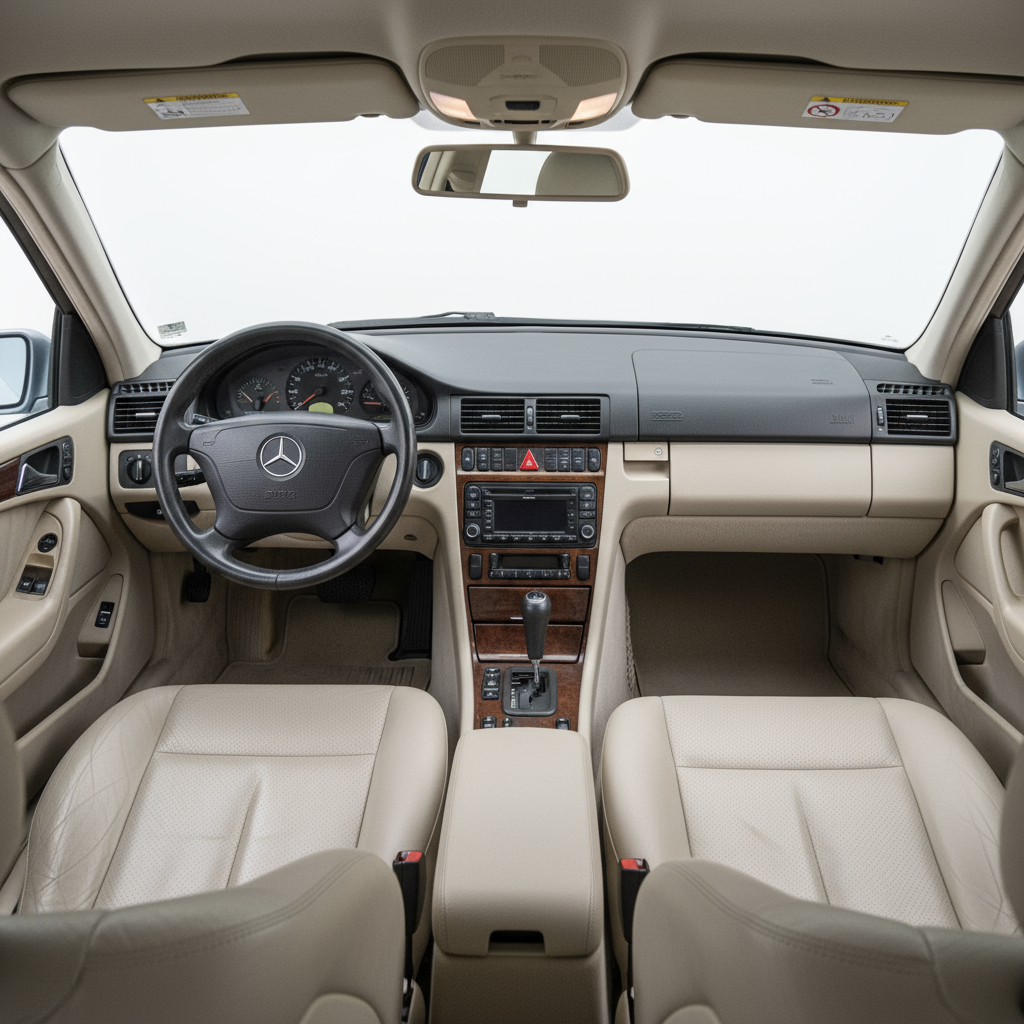
Behind the wheel of the E 320 4matic, the feeling is one of poise and sophistication. The power of its 224 hp is delivered smoothly and progressively, allowing for acceleration from 0 to 100 km/h in 8.3 seconds and a top speed of 234 km/h. The 4matic all-wheel drive provides extra safety in adverse conditions, instilling confidence in the driver. Comfort is a priority, with a suspension that filters out road irregularities and a well-insulated cabin that invites long, fatigue-free journeys. The combined consumption of 11.1 l/100km is a reminder of its engine technology of the era, but the pleasure of driving compensates for it.
Design and aesthetics
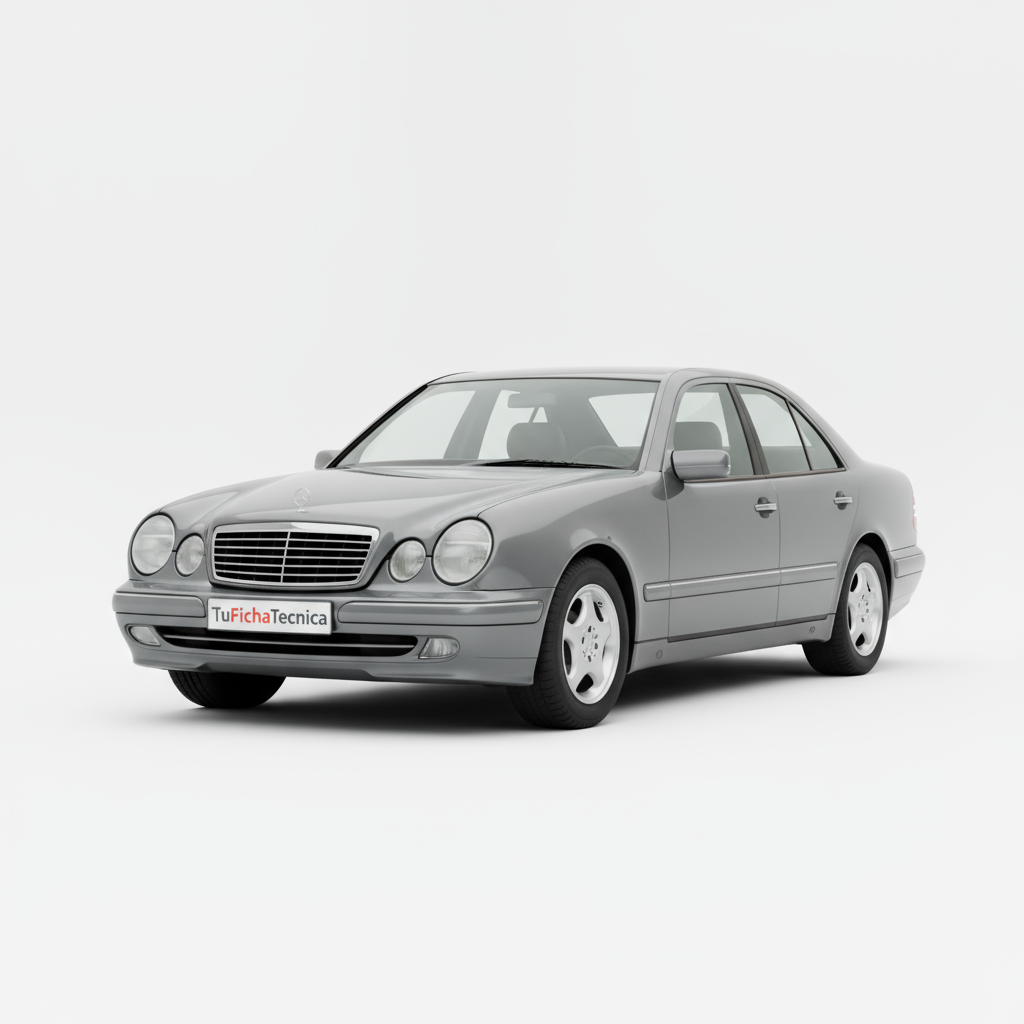
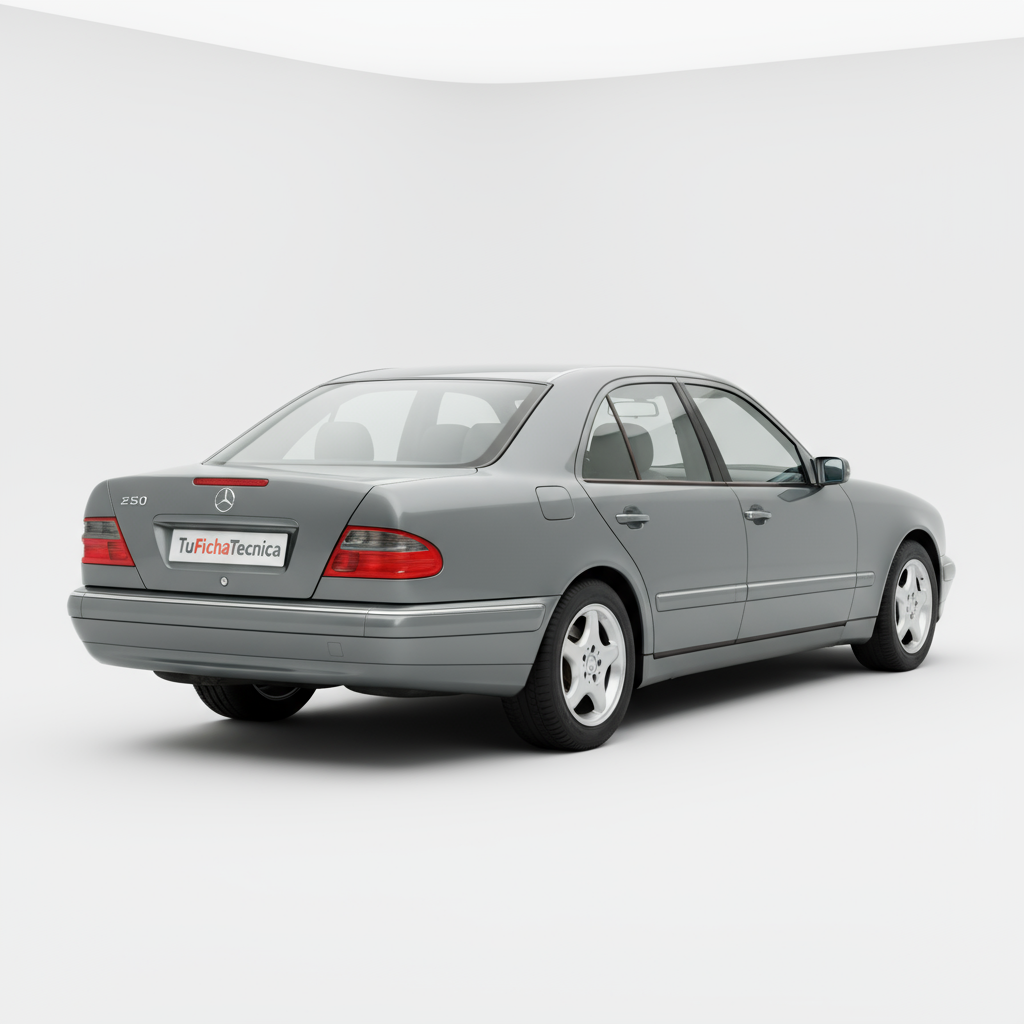
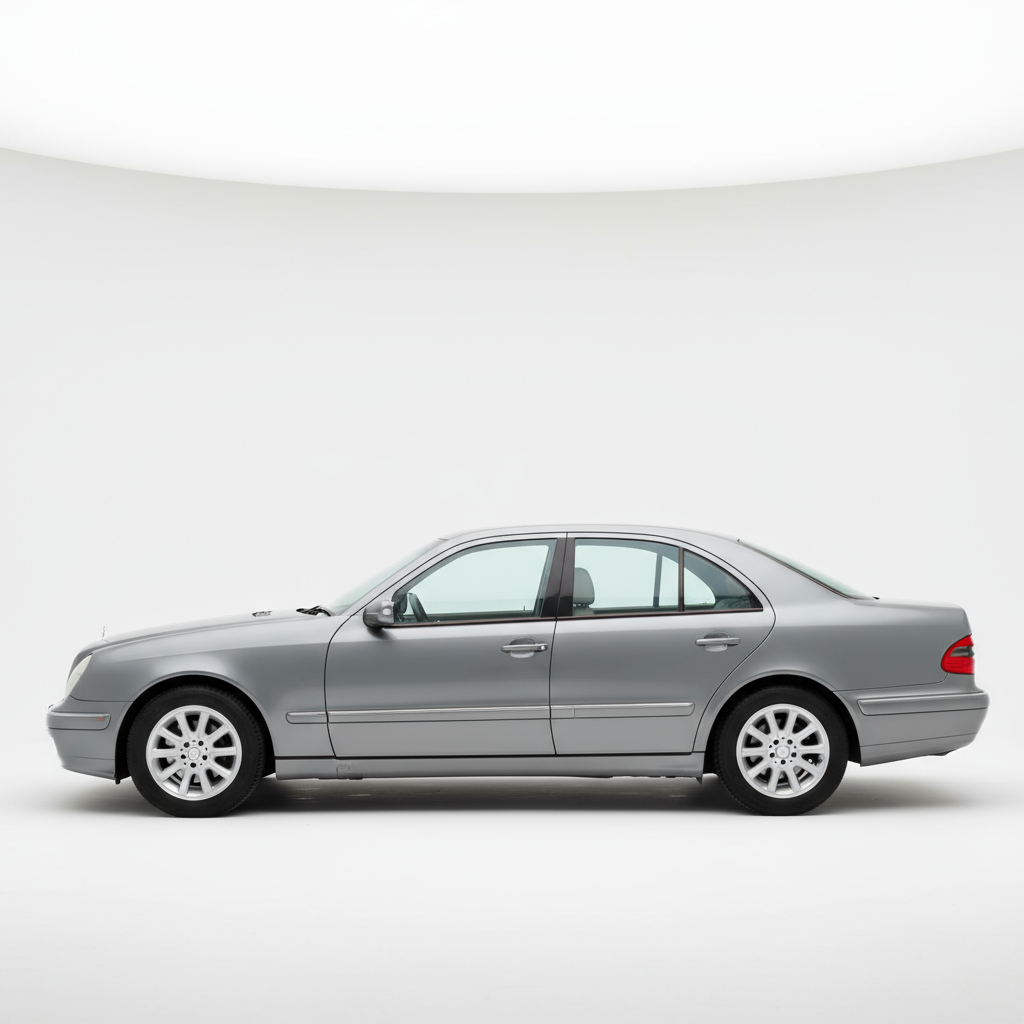
The design of the 1998 Mercedes-Benz E-Class is a timeless classic. Its elegant and sober lines, with a length of 4818 mm and a width of 1799 mm, give it an imposing presence on the road. The characteristic double headlights and the front grille with the Mercedes-Benz star are distinctive elements that project an image of prestige. The Elegance trim adds details that enhance its sophistication, without being excessive. It is a design that, even today, maintains its appeal and its ability to turn heads.
Technology and features
In terms of technology, the 1998 E 320 4matic Elegance incorporated advanced solutions for its time. Its 3199 cc gasoline engine with indirect injection and 3 valves per cylinder, along with the aluminum construction of the block and cylinder head, demonstrated a commitment to efficiency and performance. The 5-speed automatic transmission offered smooth and precise shifts. The 4matic all-wheel drive was a strong point, ensuring excellent grip. Although it lacked modern touchscreens and driving assistance systems, its technology focused on mechanics and active and passive safety, with ventilated front disc brakes and rear discs, and stabilizers on both axles.
Competition
In its segment, the Mercedes-Benz E-Class E 320 4matic Elegance competed with luxury sedans from other premium brands. Its main rivals were models such as the BMW 5 Series, the Audi A6, and the Volvo S80. Compared to them, the E-Class stood out for its reputation for reliability, its superior ride comfort, and the sophistication of its 4matic all-wheel drive, which offered an advantage in safety and stability, especially in low-grip conditions. Each of these rivals had its own strengths, but the Mercedes-Benz positioned itself as a balanced option between luxury, performance, and durability.
Conclusion
The 1998 Mercedes-Benz E-Class E 320 4matic Elegance is more than a car; it is a statement of intent. It represents an era when German engineering reached heights of excellence, offering a vehicle that combined luxury, power, and unwavering safety thanks to its all-wheel drive. Although its fuel consumption may seem high today, the pleasure of driving a car with such poise and comfort is undeniable. It is a modern classic that continues to be appreciated for its build quality and timelessness, a true automotive icon that has aged gracefully.