
Especificaciones y análisis del Mercedes-Benz Clase E
Power
224HP
Torque
315Nm
Consumption
10.3l/100
Emissions
-g/km
0-100 km/h
7.9s
Top Speed
238km/h
Weight
1630kg
Price
52,649€
Technical summary
Gasolina
Automático 5v
RWD
5 / 4 doors
520 L
65 L
165 kW
Current
Technical specifications
Engine
Capacities
Detailed analysis of the Mercedes-Benz E 320 Avantgarde · 224 CV (2000-2001)
General description
The 1998 Mercedes-Benz E 320 Avantgarde is a sedan that embodies the essence of late 20th-century German engineering. With its 3.2-liter, 224 hp gasoline engine, this vehicle not only promised exceptional performance for its time but also comfort and sophistication that set it apart in its segment. Its price of €52,649 in 2000 reflected its premium positioning, offering a driving experience that combined luxury and dynamism.
Driving experience
Driving the E 320 Avantgarde is an experience that evokes a sense of power and smoothness. The 224 hp V6 engine, coupled with a 5-speed automatic transmission, delivers power linearly and refinedly, allowing for 0 to 100 km/h acceleration in 7.9 seconds and a top speed of 238 km/h. The suspension, although not specified in detail, is expected to offer a balance between comfort and control, characteristic of Mercedes-Benz. The rack-and-pinion steering, without variable assistance, provides a direct connection to the road, while the front ventilated disc brakes ensure effective stopping. Despite its weight of 1630 kg, the car feels agile and secure, transmitting great confidence to the driver.
Design and aesthetics
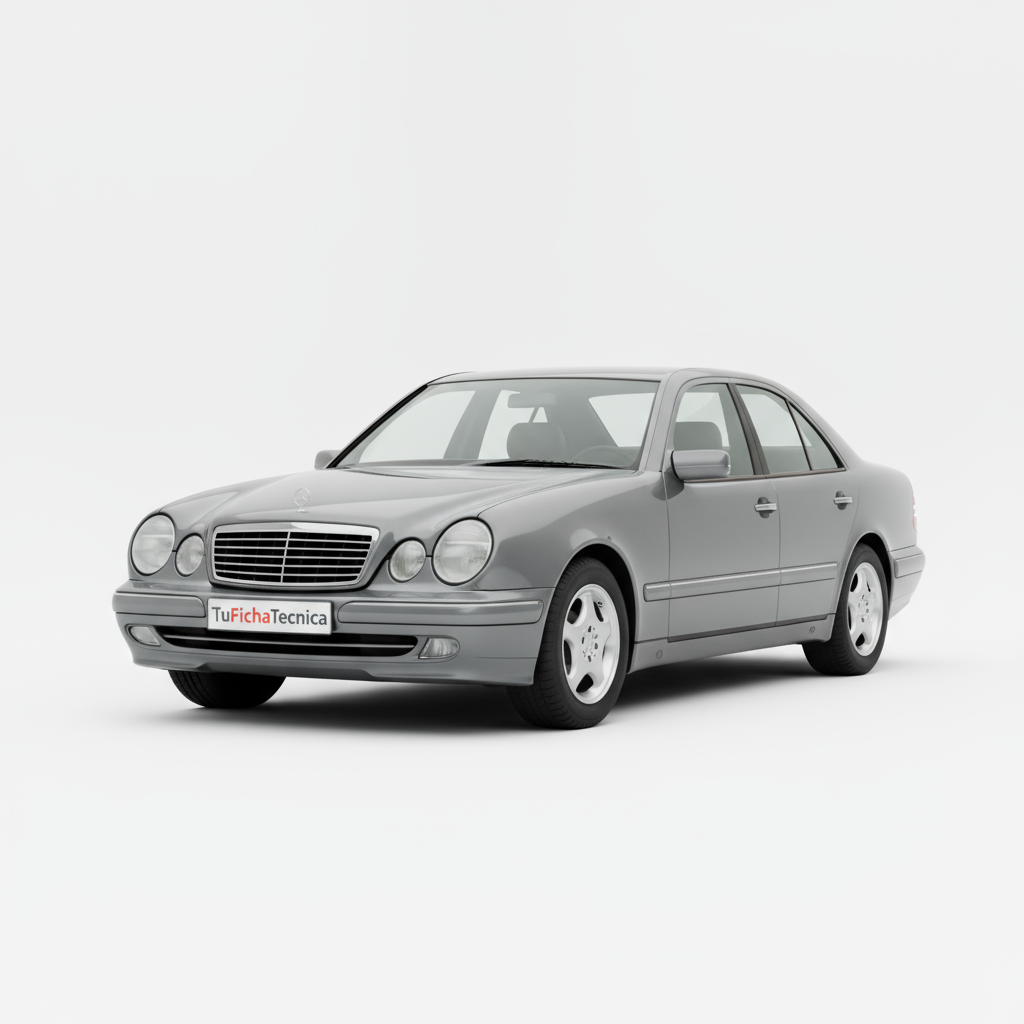
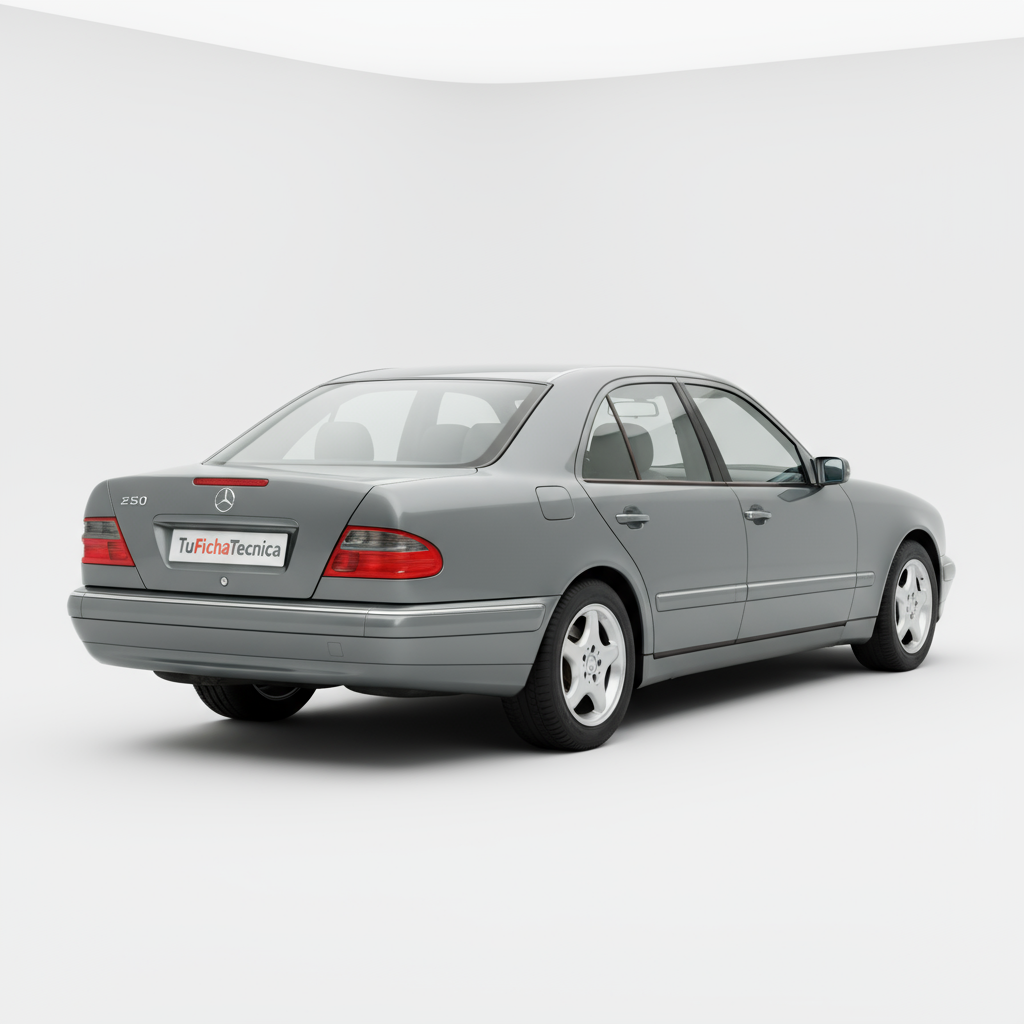
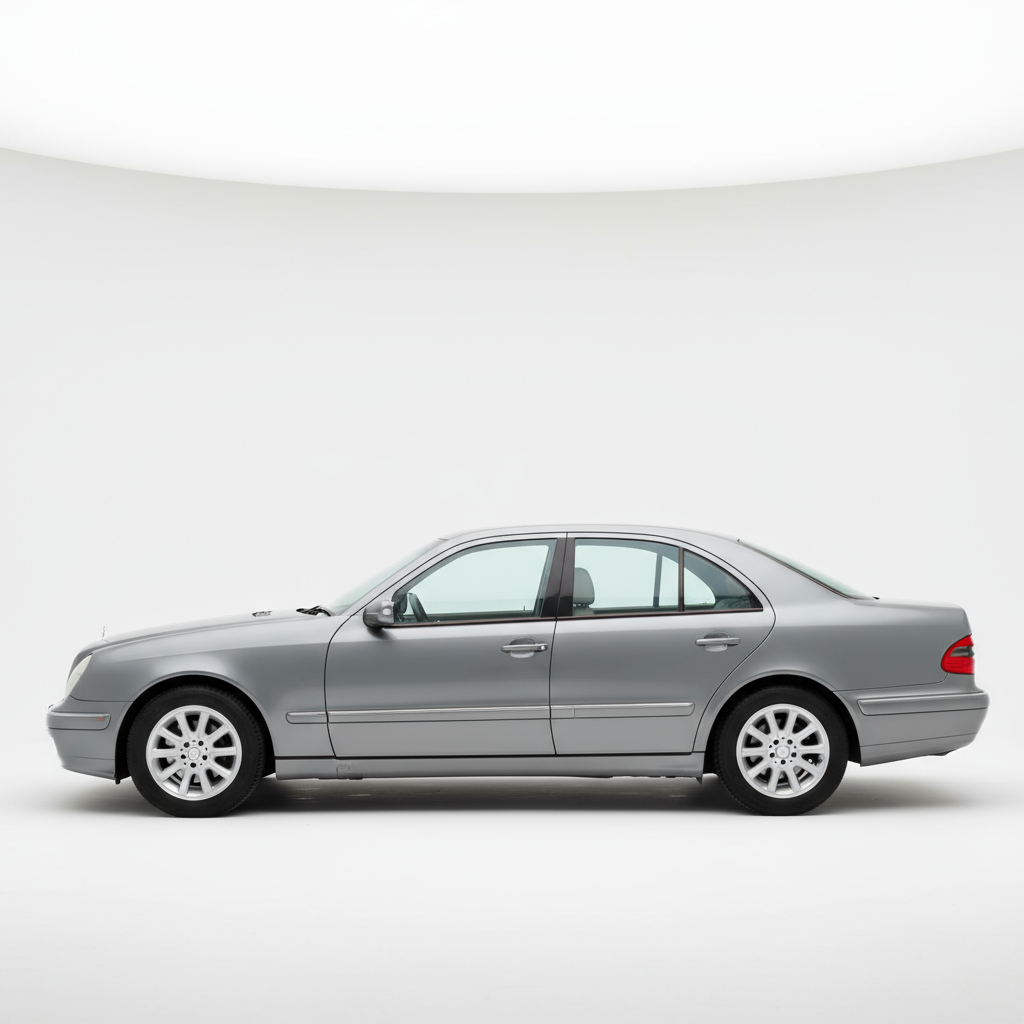
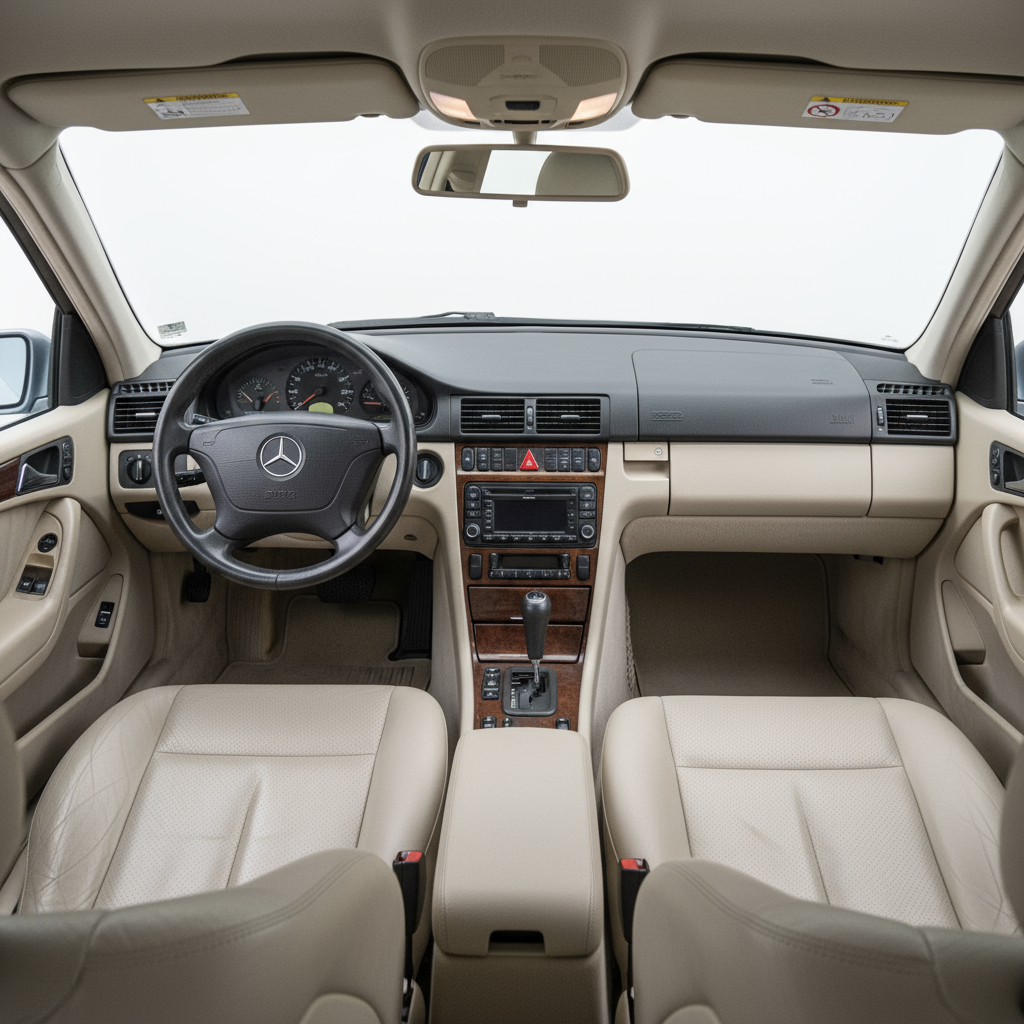
The design of the 1998 Mercedes-Benz E-Class, in its Avantgarde sedan version, is a testament to timeless elegance. Its fluid lines and balanced proportions give it an imposing yet discreet presence. With a length of 4818 mm, a width of 1799 mm, and a height of 1440 mm, the vehicle projects an image of solidity and prestige. The Avantgarde trim, in particular, often included aesthetic details that enhanced its sportiness without sacrificing sophistication, such as specific alloy wheels and a distinctive grille. The interior, although not detailed, would be characterized by high-quality materials and ergonomic design, offering a spacious and comfortable cabin for five occupants and a generous 520-liter trunk.
Technology and features
In terms of technology, the 1998 Mercedes-Benz E 320 Avantgarde incorporated advanced solutions for its time. Its 3199 cc gasoline engine, with 6 cylinders and 3 valves per cylinder, used indirect injection and an aluminum block and cylinder head, contributing to its efficiency and performance. The 5-speed automatic transmission was a luxury standard, providing smooth shifts and a relaxed driving experience. Although modern driving assistance systems are not mentioned, it is expected to have featured ABS and traction control, key safety elements at that time. Rear-wheel drive (RWD) and suspension with front and rear stabilizers ensured dynamic and stable handling.
Competition
In its era, the Mercedes-Benz E 320 Avantgarde competed in a very demanding segment with rivals such as the BMW 5 Series (E39) and the Audi A6. The BMW 5 Series offered a sportier driving experience, while the Audi A6 stood out for its quattro all-wheel drive and sober design. The E 320 Avantgarde differentiated itself by its emphasis on comfort, ride quality, and a brand image that projected luxury and status. Each of these vehicles had its own strengths, but the Mercedes-Benz positioned itself as the preferred choice for those seeking a combination of elegance, power, and a refined driving experience.
Conclusion
The 1998 Mercedes-Benz E 320 Avantgarde is a modern classic that remains relevant for its combination of luxury, performance, and durability. It represents an era when German automotive engineering was at its peak, offering a vehicle that was not just a means of transport but a statement of style and sophistication. Its powerful engine, elegant design, and interior comfort make it an attractive option for classic car enthusiasts and those who appreciate Mercedes-Benz's build quality. Despite its combined fuel consumption of 10.3 l/100km, its legacy endures as a symbol of automotive excellence.