
Especificaciones y análisis del Mercedes-Benz Clase E
Power
224HP
Torque
315Nm
Consumption
10.8l/100
Emissions
-g/km
0-100 km/h
7.9s
Top Speed
238km/h
Weight
1630kg
Price
49,550€
Technical summary
Gasolina
Automático 5v
RWD
5 / 4 doors
500 L
80 L
165 kW
Current
Technical specifications
Engine
Capacities
Detailed analysis of the Mercedes-Benz E 320 Berlina · 224 CV (2001-2002)
General description
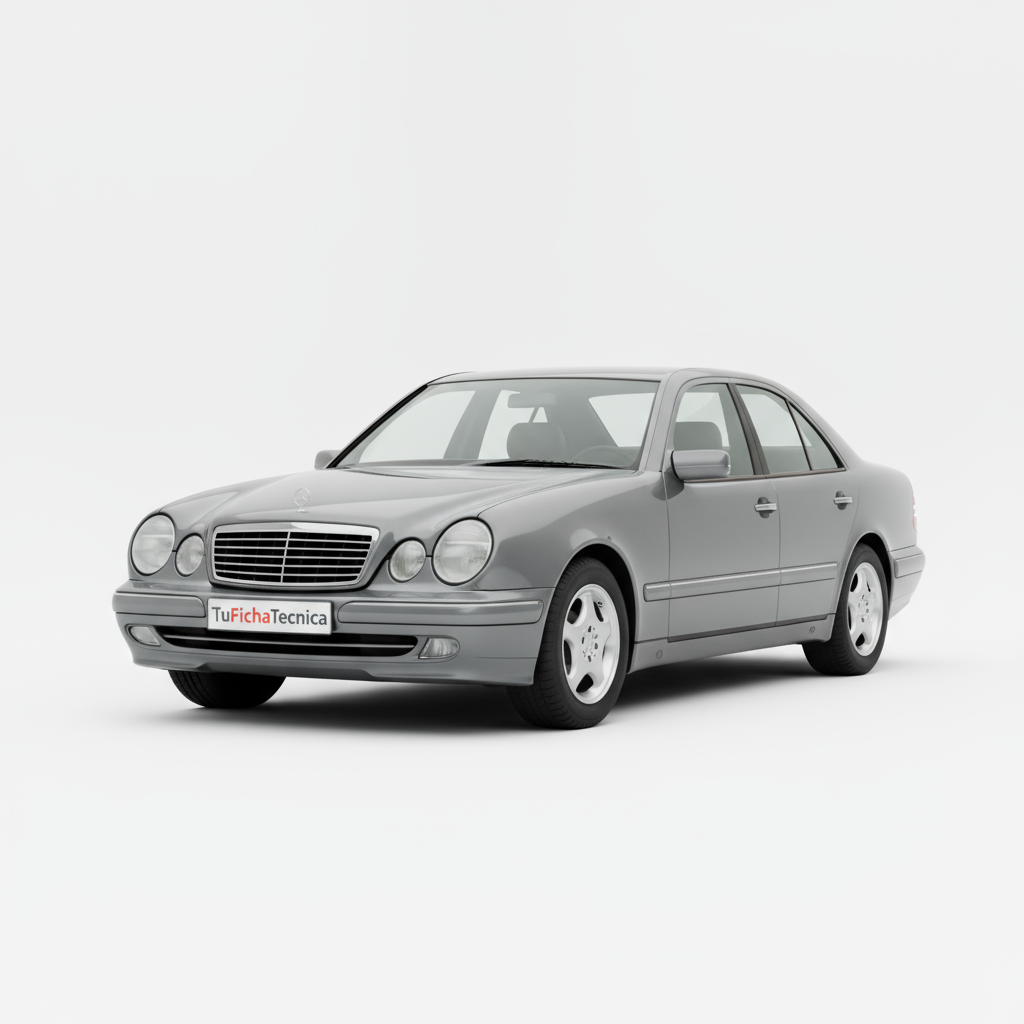
The 1998 Mercedes-Benz E 320 Sedan is a vehicle that embodies the essence of late 20th-century German engineering. With its 3.2-liter, 224 hp gasoline engine, this luxury sedan promised a refined and powerful driving experience, ideal for those seeking comfort and prestige in their travels. Its timeless design and advanced technology for the era positioned it as a benchmark in its segment.
Driving experience
Behind the wheel of the E 320, the sensation is one of solidity and poise. The V-six-cylinder engine delivers its power smoothly and progressively, with a torque of 315 Nm available from 3000 rpm, ensuring a forceful response in any situation. The 5-speed automatic transmission, while not the fastest by modern standards, performs shifts with a smoothness that invites relaxation. The suspension, with double wishbones on both axles, masterfully filters out road irregularities, offering exceptional ride comfort. The rack-and-pinion steering, though lacking the immediacy of more sporty systems, is precise and inspires confidence. Accelerating from 0 to 100 km/h in 7.9 seconds and reaching a top speed of 238 km/h are figures that, even today, impress for a sedan of its size and weight.
Design and aesthetics
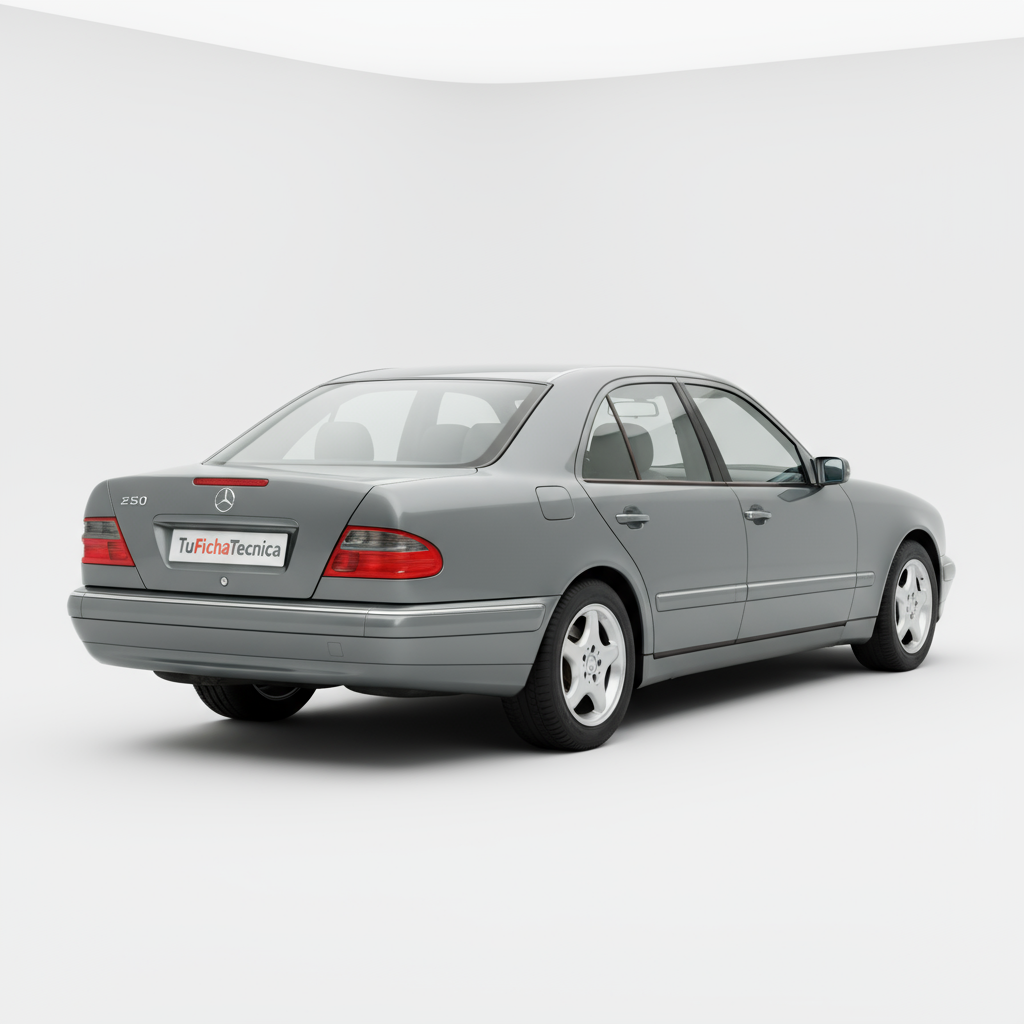
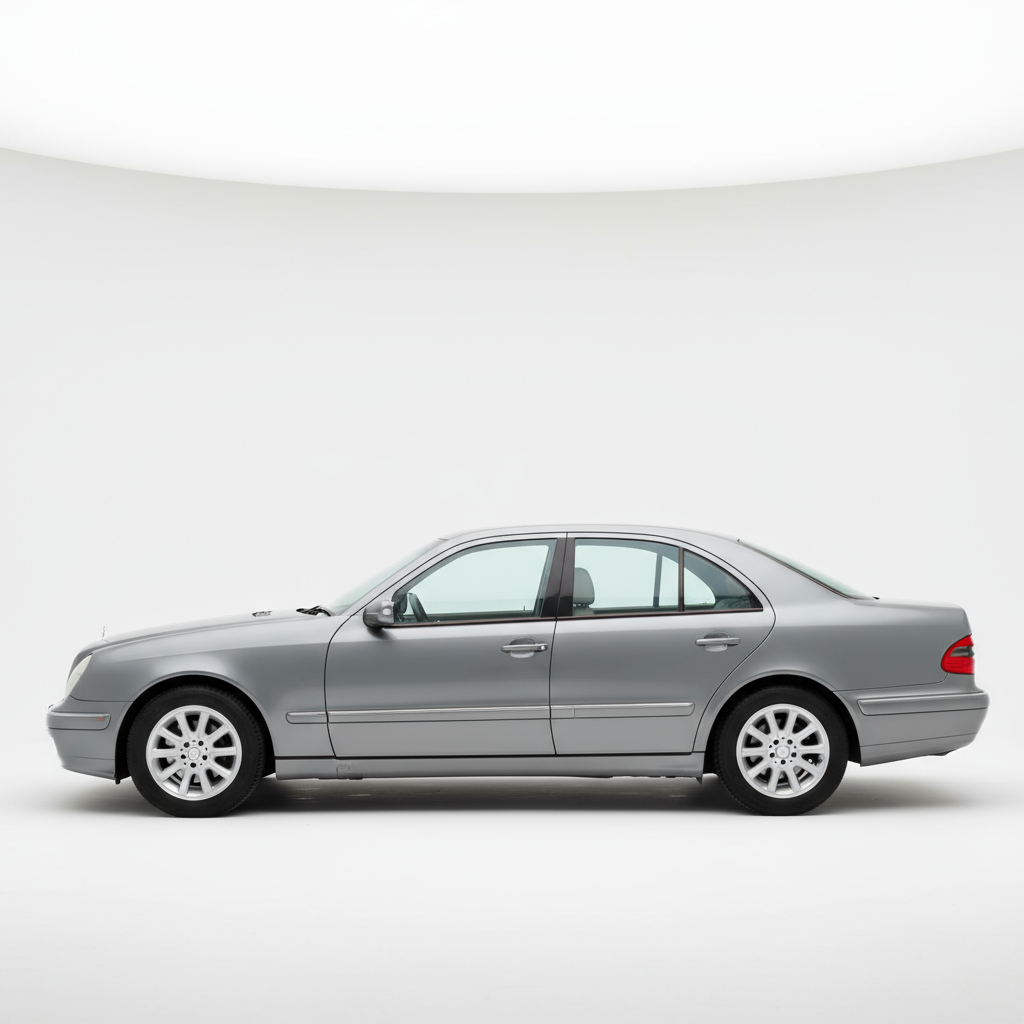
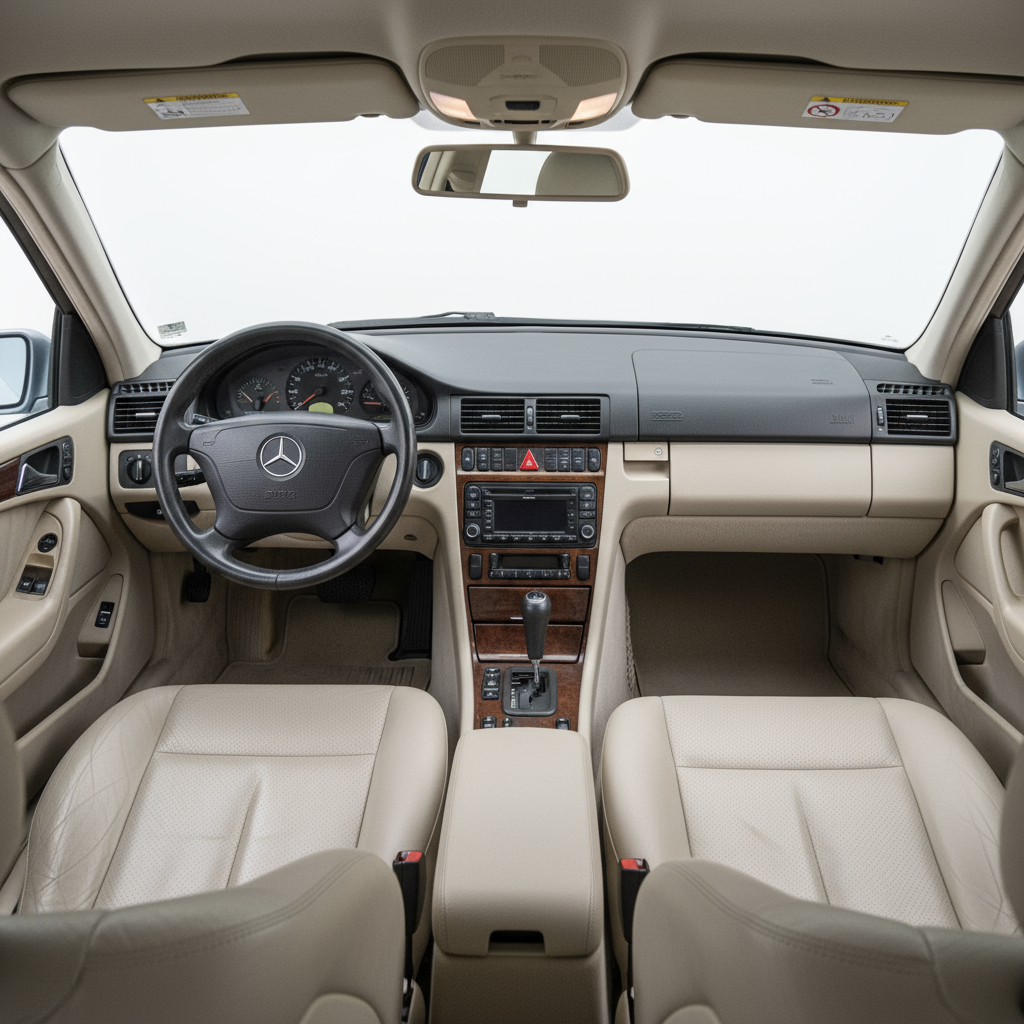
The design of the 1998 Mercedes-Benz E-Class is an instant classic. Its elegant and fluid lines, with the characteristic oval double headlights, give it a distinguished and timeless presence. The four-door sedan body, with a length of 4818 mm, a width of 1799 mm, and a height of 1441 mm, projects an image of robustness and sophistication. The interior, with seating for five occupants, stands out for the quality of its materials and the ergonomics of its controls, creating an atmosphere of discreet and functional luxury. The 500-liter trunk is generous and practical for long trips.
Technology and features
In its time, the E 320 incorporated cutting-edge technology. Its 3.2-liter gasoline engine, with indirect injection and an aluminum cylinder head and block, was an example of efficiency and performance. The 5-speed automatic transmission, while it may seem modest today, was a significant advance in comfort and smoothness. The braking system, with 300 mm ventilated discs at the front and 290 mm discs at the rear, guaranteed powerful and safe braking. The independent suspension on both axles, along with stabilizer bars, contributed to balanced and comfortable dynamic behavior. Although it lacked current driving assistance systems, its passive safety equipment was top-notch for the era.
Competition
In the competitive luxury sedan segment, the 1998 Mercedes-Benz E 320 faced tough contenders such as the BMW 5 Series (E39) and the Audi A6 (C5). The BMW stood out for its sportier approach and road agility, while the Audi offered a more modern design and the option of all-wheel drive. However, the E-Class distinguished itself by its unparalleled ride comfort, the quality of its finishes, and the brand's reputation for reliability, consolidating itself as the preferred choice for those who valued elegance and comfort above all else.
Conclusion
The 1998 Mercedes-Benz E 320 Sedan is a testament to automotive excellence. A car that, despite the passage of time, continues to offer a pleasant driving experience and a level of comfort that many modern vehicles would envy. Its combination of power, elegance, and reliability makes it a timeless classic, a car that not only takes you from point A to point B but makes you enjoy the journey with a sense of distinction and security. It is a car for those who appreciate well-made engineering and discreet luxury.