
Especificaciones y análisis del Mercedes-Benz Clase E
Power
197HP
Torque
470Nm
Consumption
7.8l/100
Emissions
-g/km
0-100 km/h
8.3s
Top Speed
230km/h
Weight
1660kg
Price
46,248€
Technical summary
Gasóleo
Automático 5v
RWD
5 / 4 doors
520 L
65 L
145 kW
Current
Technical specifications
Engine
Capacities
Detailed analysis of the Mercedes-Benz E 320 CDI Elegance · 197 CV (2000-2001)
General description
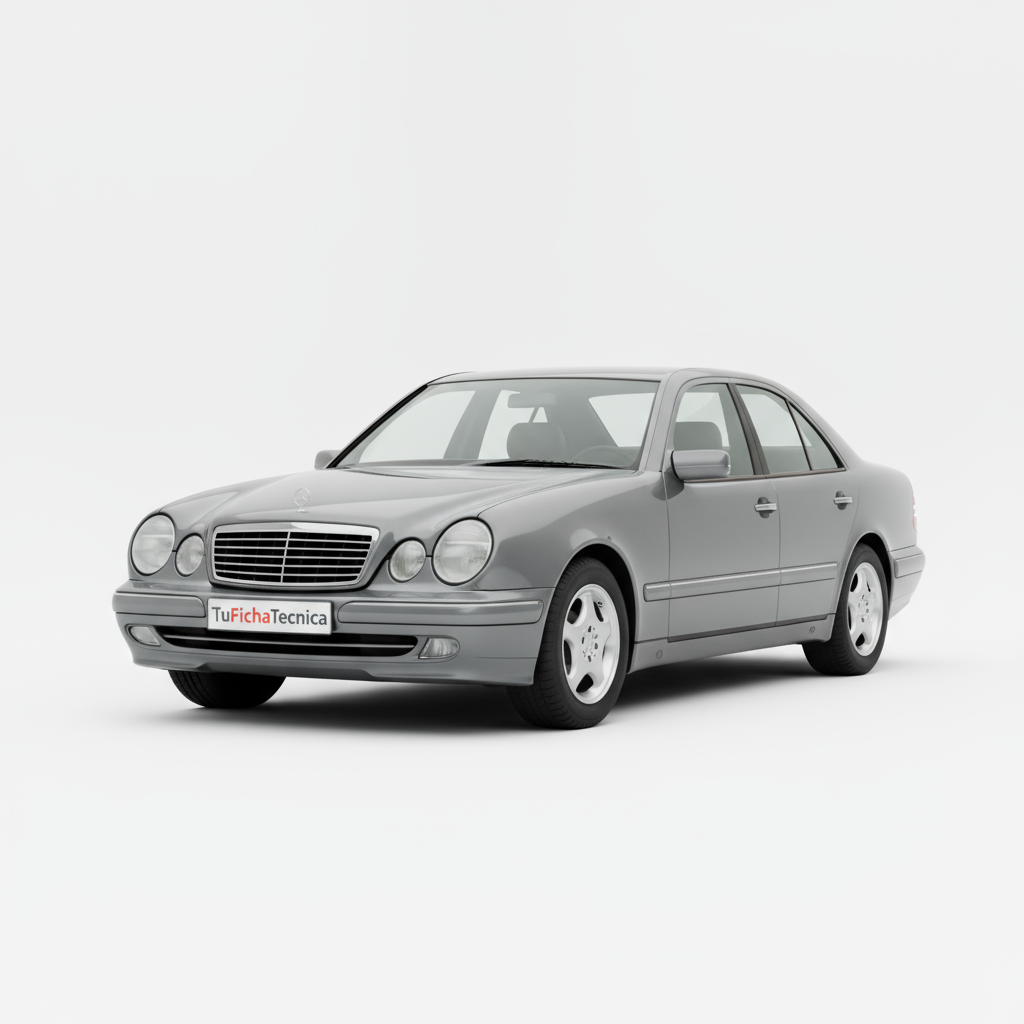
The 1998 Mercedes-Benz E 320 CDI Elegance is a sedan that embodies the essence of late 20th-century German engineering. With its 3.2-liter, 197 hp diesel engine, this vehicle not only promised robust performance but also the sophistication and comfort expected from the star brand. Launched at a time when diesel technology was booming, this model positioned itself as a premium option for those seeking efficiency without sacrificing luxury and power.
Driving experience
Driving the E 320 CDI Elegance is an experience that combines the smoothness of a cruiser with the power needed for any situation. The inline-six engine, with its common rail direct injection and variable geometry turbo, delivers 470 Nm of torque from 1800 rpm, which translates into a forceful acceleration from 0 to 100 km/h in 8.3 seconds. The 5-speed automatic transmission manages power with a fluidity that makes long journeys a true pleasure. The suspension, although not detailed, is expected to offer a balance between comfort and stability, absorbing road irregularities masterfully. The steering, although its type is not specified, contributes to a sense of control and safety, making every journey a delight.
Design and aesthetics
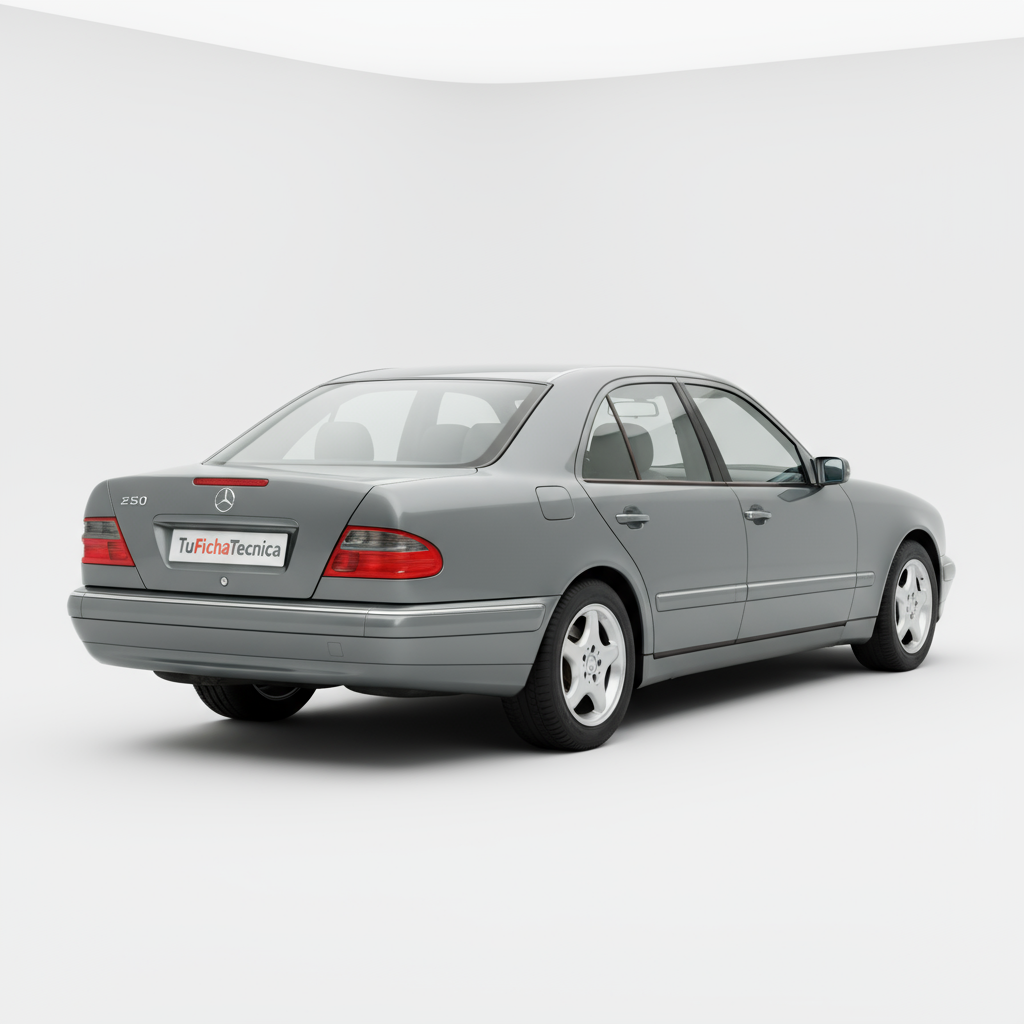
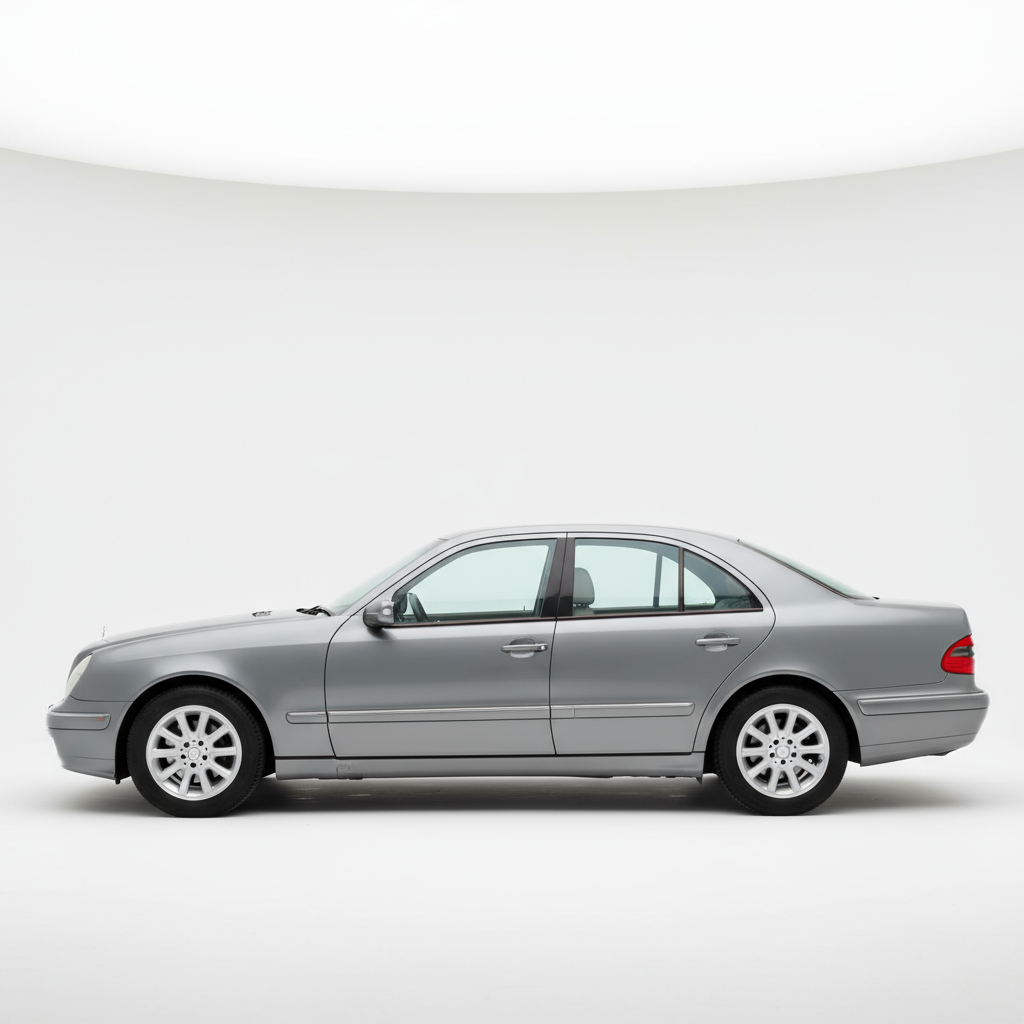
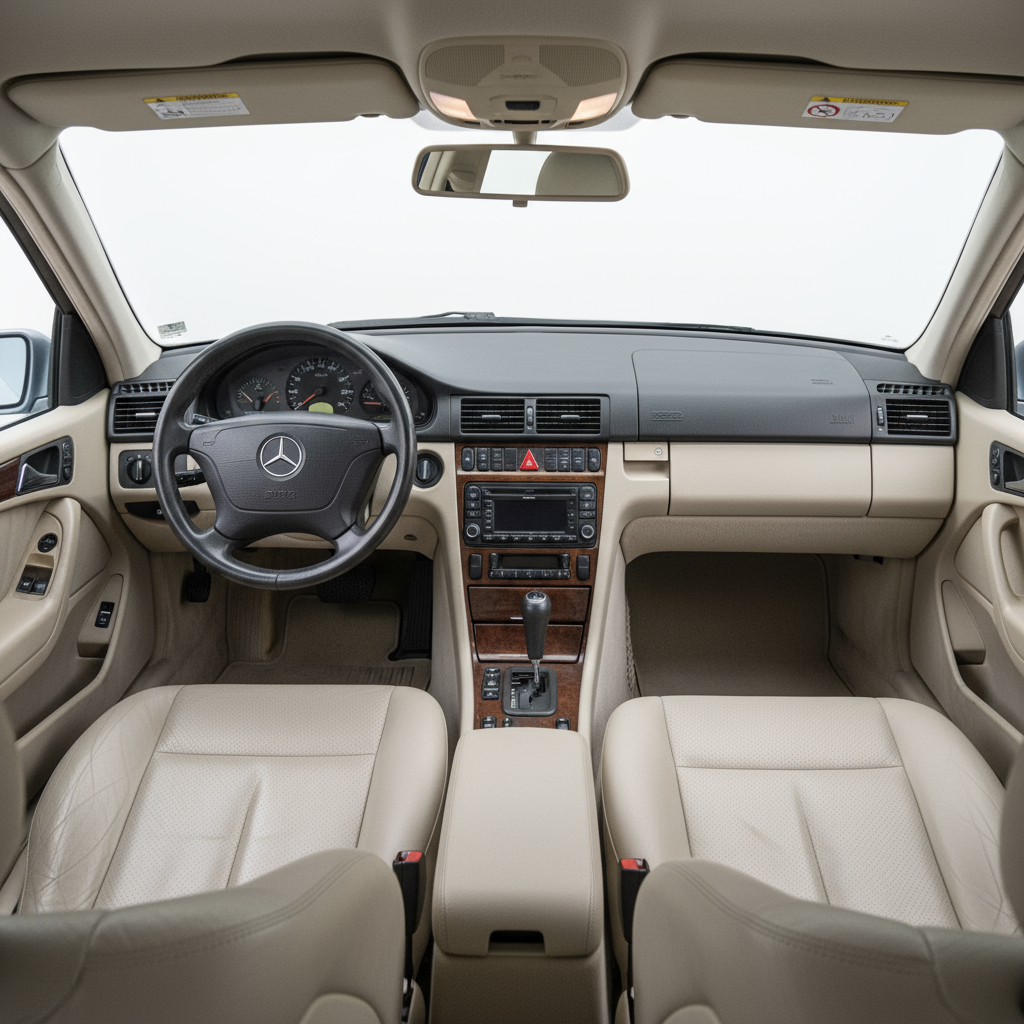
The design of the 1998 Mercedes-Benz E-Class, in its Elegance version, is a testament to timeless elegance. Its classic lines and balanced proportions give it an imposing yet discreet presence. With a length of 4818 mm and a width of 1799 mm, the vehicle projects an image of solidity and prestige. Chrome details and the distinctive Mercedes-Benz grille, along with the characteristic double headlights of the era, contribute to an aesthetic that remains attractive today. The interior, although not described in detail, is expected to offer high-quality materials and an ergonomic design, true to the brand's style.
Technology and features
Despite being a late 90s model, the E 320 CDI Elegance incorporated advanced technology for its time. The 3.2-liter diesel engine with common rail direct injection, variable geometry turbo, and intercooler was a milestone in efficiency and performance. The 5-speed automatic transmission was a standard of luxury and comfort. Although modern driving assistance systems are not mentioned, Mercedes-Benz engineering of the era focused on passive and active safety, with ventilated disc brakes at the front and disc brakes at the rear, and stabilizers on the front axle. The engine's construction, with an iron block and aluminum cylinder head, demonstrates a combination of robustness and lightness.
Competition
In its time, the Mercedes-Benz E 320 CDI Elegance competed in the luxury sedan segment with models such as the BMW 5 Series (E39), the Audi A6, and the Volvo S80. Each of these vehicles offered its own interpretation of luxury and performance, but the E-Class stood out for its reputation for reliability, comfort, and the sophistication of its diesel engine. Its price of 46,248 euros placed it firmly in the premium segment, attracting buyers who valued quality and prestige.
Conclusion
The 1998 Mercedes-Benz E 320 CDI Elegance is more than a car; it is a statement of intent. It represents an era where German engineering reached new heights in the development of powerful and efficient diesel engines, combined with unparalleled luxury and comfort. Its timeless design, solid performance, and reputation for reliability make it a modern classic, a vehicle that is still appreciated for its build quality and superior driving experience. It is a car that, even today, evokes a sense of prestige and good taste.