
Especificaciones y análisis del Mercedes-Benz Clase E
Power
197HP
Torque
470Nm
Consumption
7.8l/100
Emissions
-g/km
0-100 km/h
8.3s
Top Speed
230km/h
Weight
1660kg
Price
47,780€
Technical summary
Gasóleo
Automático 5v
RWD
5 / 4 doors
520 L
65 L
145 kW
Current
Technical specifications
Engine
Capacities
Detailed analysis of the Mercedes-Benz E 320 CDI Avantgarde · 197 CV (2000-2001)
General description
The 1998 Mercedes-Benz E 320 CDI Avantgarde is an icon of German engineering, a vehicle that, even today, evokes a feeling of unparalleled luxury and robustness. It represents a golden age for Mercedes, where build quality and durability were fundamental pillars. This particular model, with its six-cylinder diesel engine, offered a combination of power, efficiency, and refinement that few rivals could match at the time.
Driving experience
Behind the wheel of the E 320 CDI, the feeling is one of poise and security. The suspension, although firm in the Avantgarde version, filters out road imperfections with a mastery that only Mercedes-Benz could offer. The 197 hp diesel engine pulls strongly from low revolutions, delivering 470 Nm of torque that allows for quick overtakes and relaxed highway driving. The smooth and precise five-speed automatic gearbox contributes to a serene and comfortable driving experience, ideal for long journeys. It's a car that invites you to devour miles without fatigue, with excellent sound insulation that isolates occupants from external noise.
Design and aesthetics
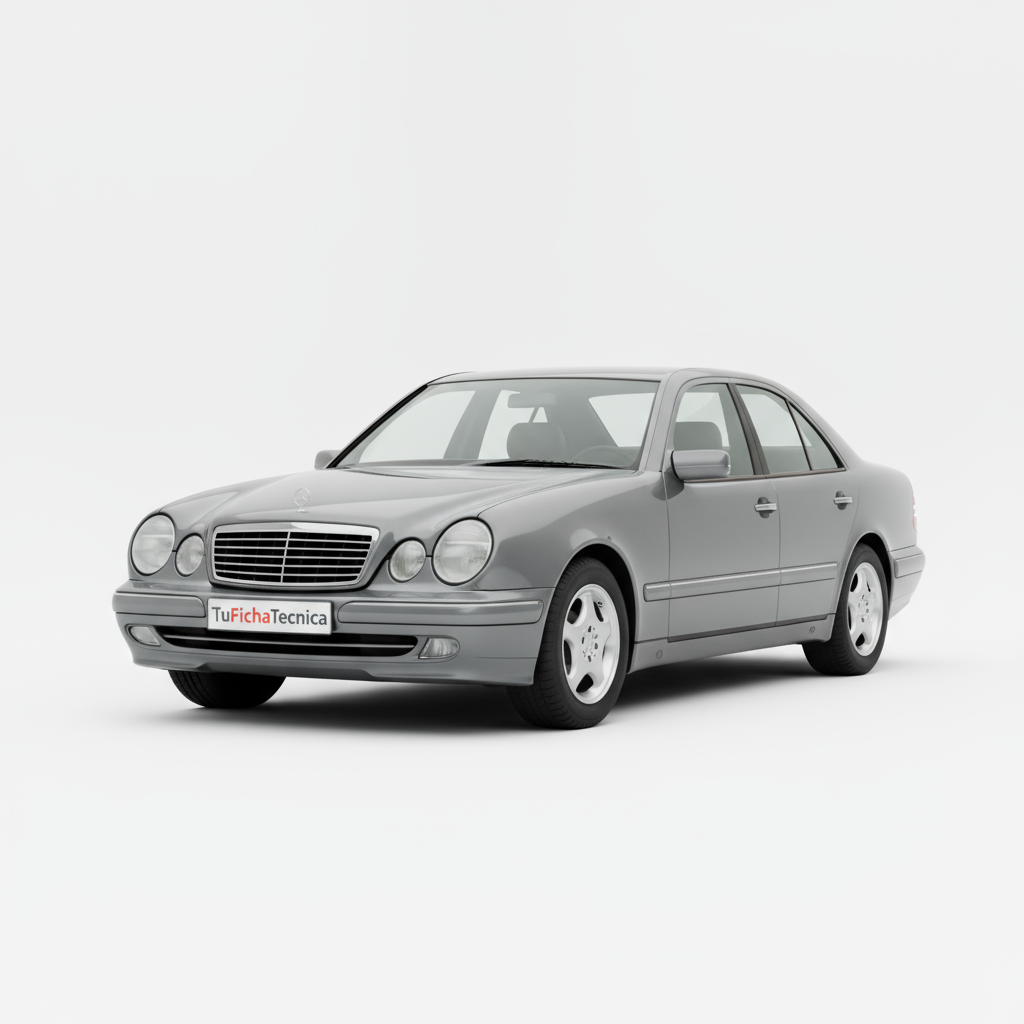
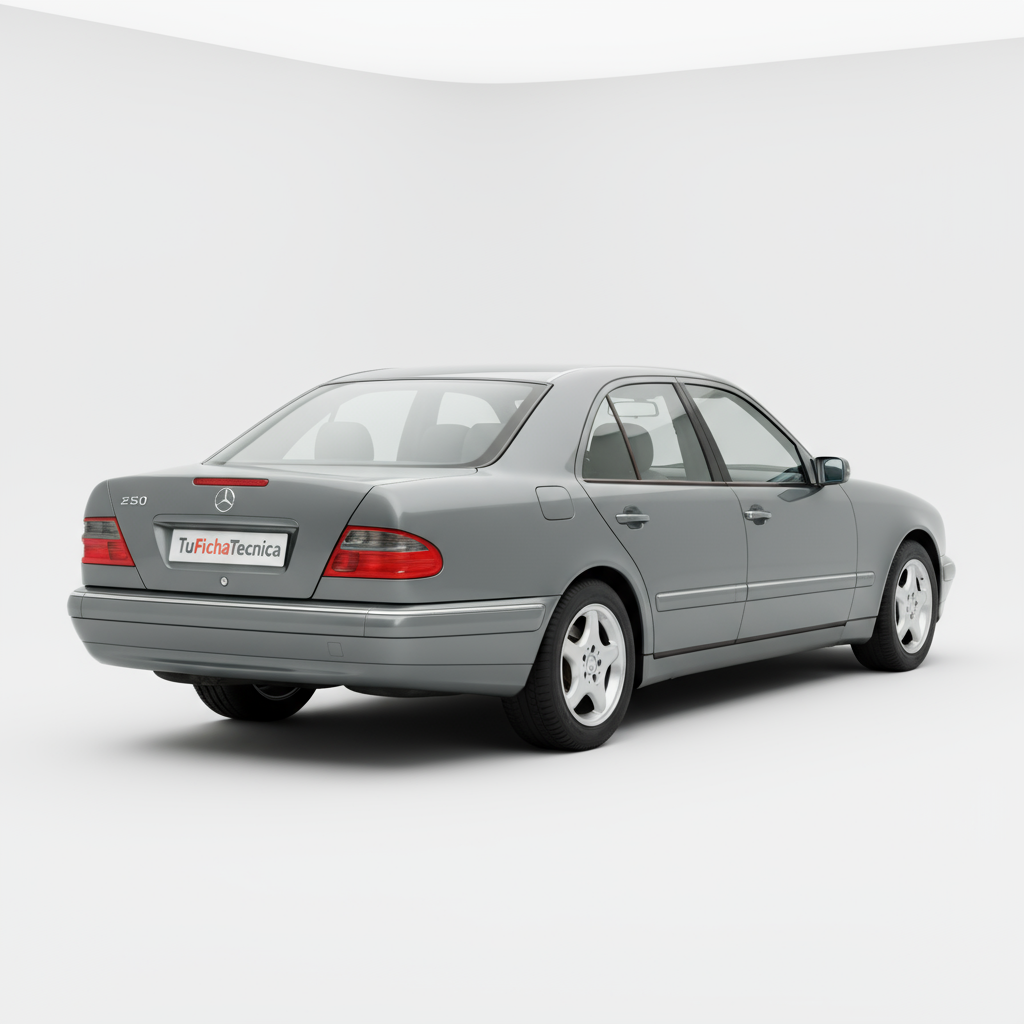
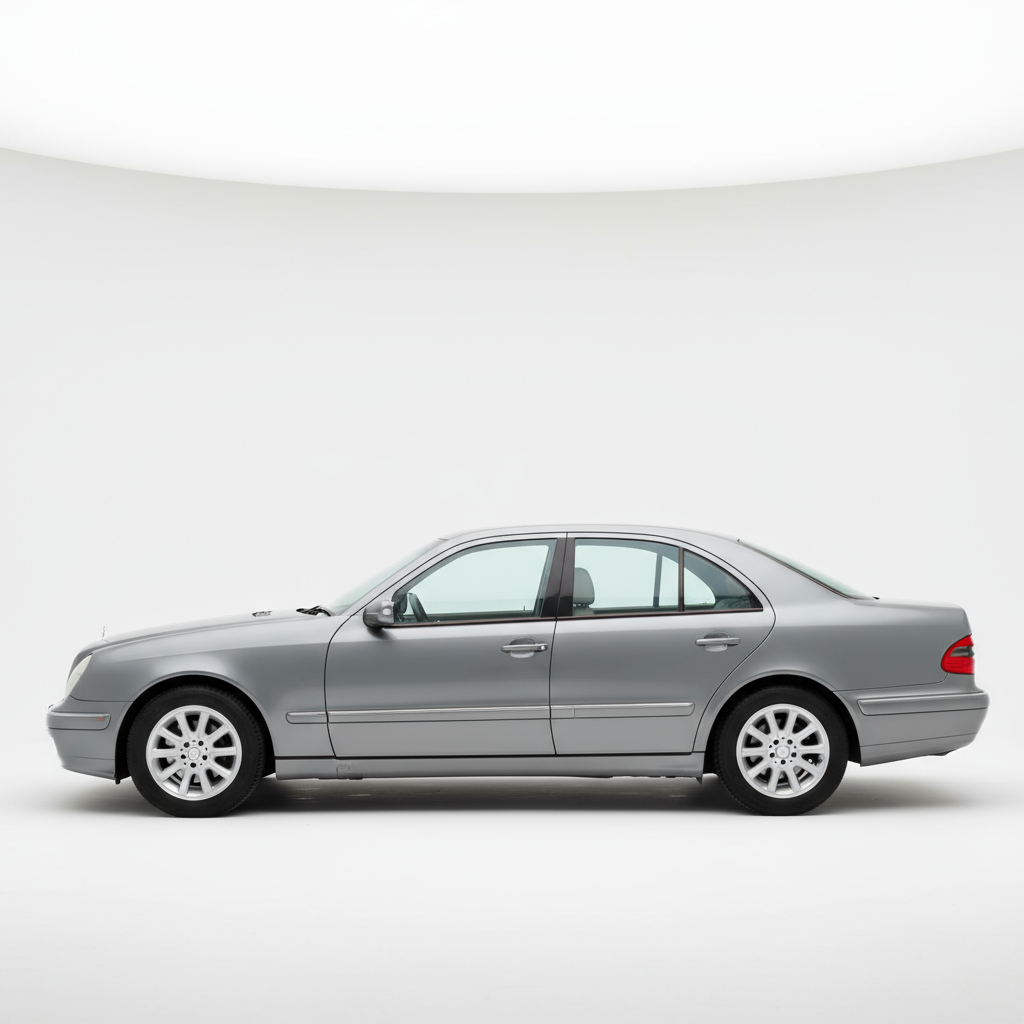
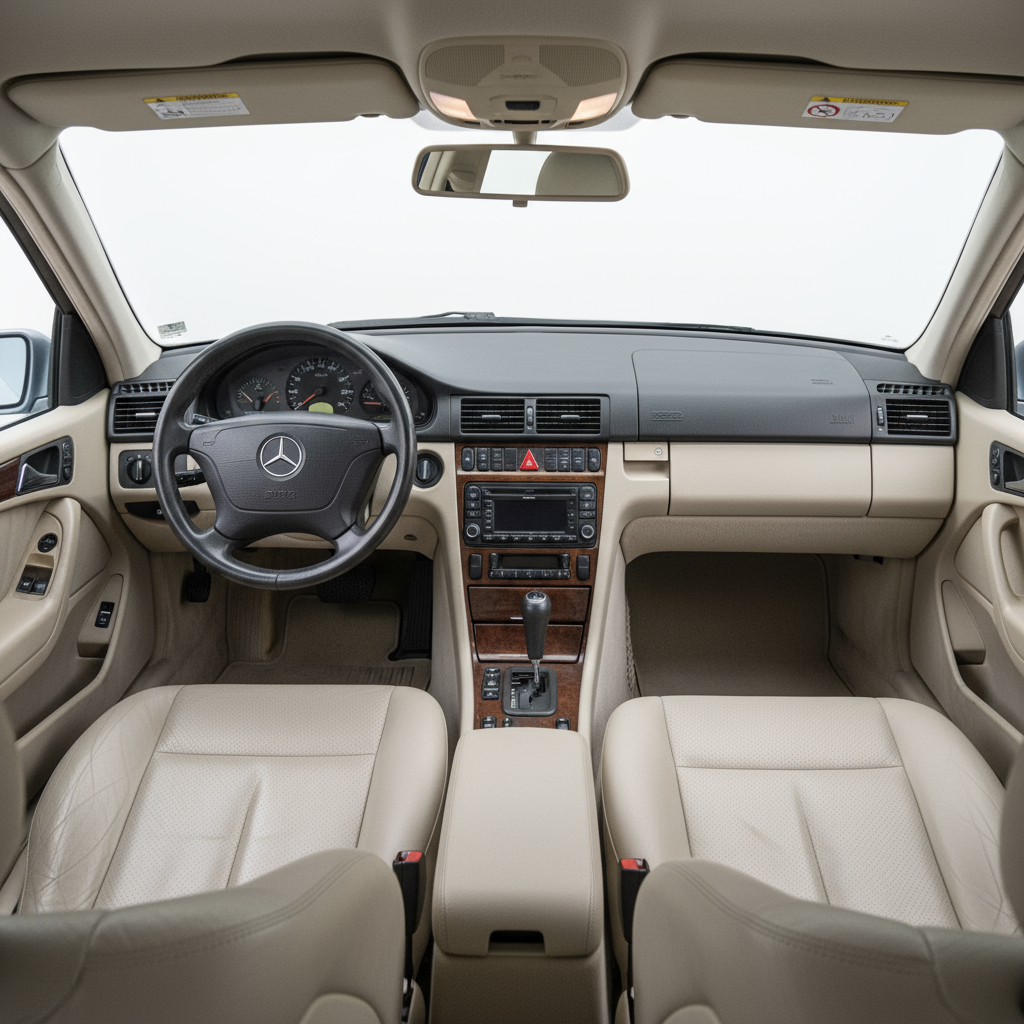
The design of the 1998 Mercedes-Benz E-Class is timeless and elegant. Its fluid lines and classic silhouette, with the characteristic double oval headlights, give it a distinguished presence on the road. The Avantgarde version adds a subtle touch of sportiness, with details that enhance its character without being ostentatious. The interior is a sanctuary of high-quality materials, with noble woods, soft leathers, and well-fitted plastics that withstand the test of time with dignity. Ergonomics are impeccable, with all controls within reach and clear, legible instrumentation. It's a design that prioritizes functionality and comfort, without sacrificing sophistication.
Technology and features
In its time, the E 320 CDI Avantgarde incorporated cutting-edge technology. Its 3.2-liter diesel engine with common rail direct injection, variable geometry turbo, and intercooler was a benchmark in efficiency and performance. The five-speed automatic transmission was one of the most advanced on the market, offering smooth shifts and intelligent power management. Although today it lacks modern touchscreens and driving assistance systems, its technology focused on mechanics and durability, with systems like ABS, traction control, and multiple airbags that guaranteed occupant safety. It was a car designed to last and to offer a superior driving experience.
Competition
The main rivals of the Mercedes-Benz E 320 CDI Avantgarde at the time were the BMW 5 Series (E39) and the Audi A6. The BMW stood out for its dynamism and sportiness, while the Audi offered all-wheel drive and a more modern design. However, the Mercedes-Benz differentiated itself by its unparalleled ride comfort, legendary robustness, and a prestigious image that few could match. It was the choice for those seeking a perfect balance between luxury, performance, and reliability.
Conclusion
The 1998 Mercedes-Benz E 320 CDI Avantgarde is much more than a car; it is a statement of intent. It represents the pinnacle of automotive engineering of the late 20th century, a vehicle that combined luxury, power, and exceptional durability. Despite the years, it remains a desirable car for those who value build quality, comfort, and a refined driving experience. It is a modern classic that has aged gracefully, maintaining its appeal and prestige.