
Especificaciones y análisis del Mercedes-Benz Clase C
Power
143HP
Torque
315Nm
Consumption
6.2l/100
Emissions
-g/km
0-100 km/h
10.3s
Top Speed
220km/h
Weight
1505kg
Price
32,150€
Technical summary
Gasóleo
Manual 6v
RWD
4 / 3 doors
310 L
62 L
105 kW
Current
Technical specifications
Engine
Capacities
Detailed analysis of the Mercedes-Benz C 220 CDI Sportcoupé · 143 CV (2001-2004)
General description
The 2000 Mercedes-Benz C 220 CDI Sportcoupé is a bold proposition from the star brand, combining Mercedes' inherent elegance with a sporty and youthful touch. This three-door coupé, with its 143 hp diesel engine, promised a dynamic driving experience without sacrificing efficiency. A car that sought to conquer an audience that desired more than a traditional sedan, offering a distinctive design and the build quality expected from Mercedes-Benz.
Driving experience
Behind the wheel of the C 220 CDI Sportcoupé, one experiences a mix of solidity and agility. The 2,148 cc diesel engine, with its 143 hp and 315 Nm of torque, offers a strong response from low revs, allowing acceleration from 0 to 100 km/h in 10.3 seconds and a top speed of 220 km/h. The 6-speed manual gearbox feels precise, and rear-wheel drive adds a touch of sportiness to the driving. The suspension, McPherson type at the front and deformable parallelogram at the rear, along with the ventilated front disc brakes, provide a good balance between comfort and control, although the overall feel is firmer than might be expected from a Mercedes of the era, in line with its Sportcoupé designation. The combined consumption of 6.2 l/100km is a plus for long journeys, making this car a pleasant and efficient companion.
Design and aesthetics
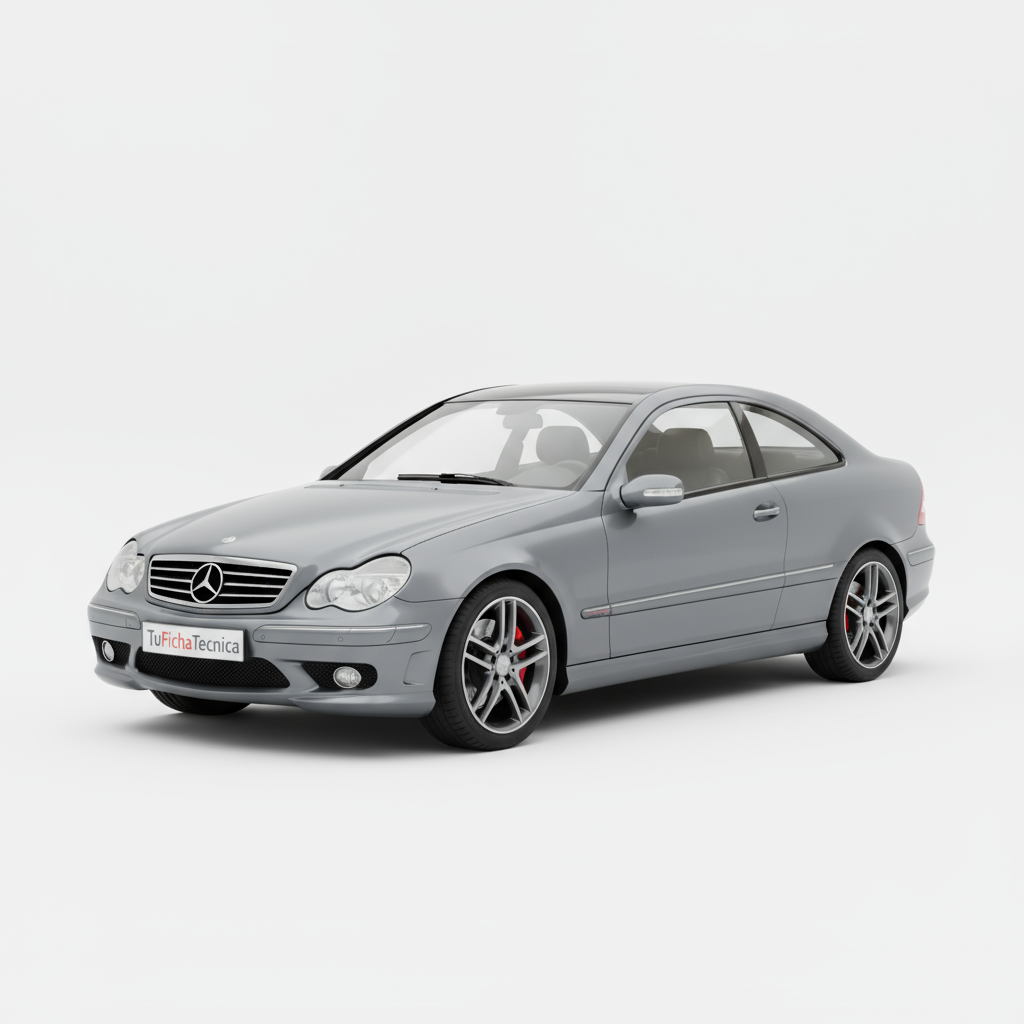
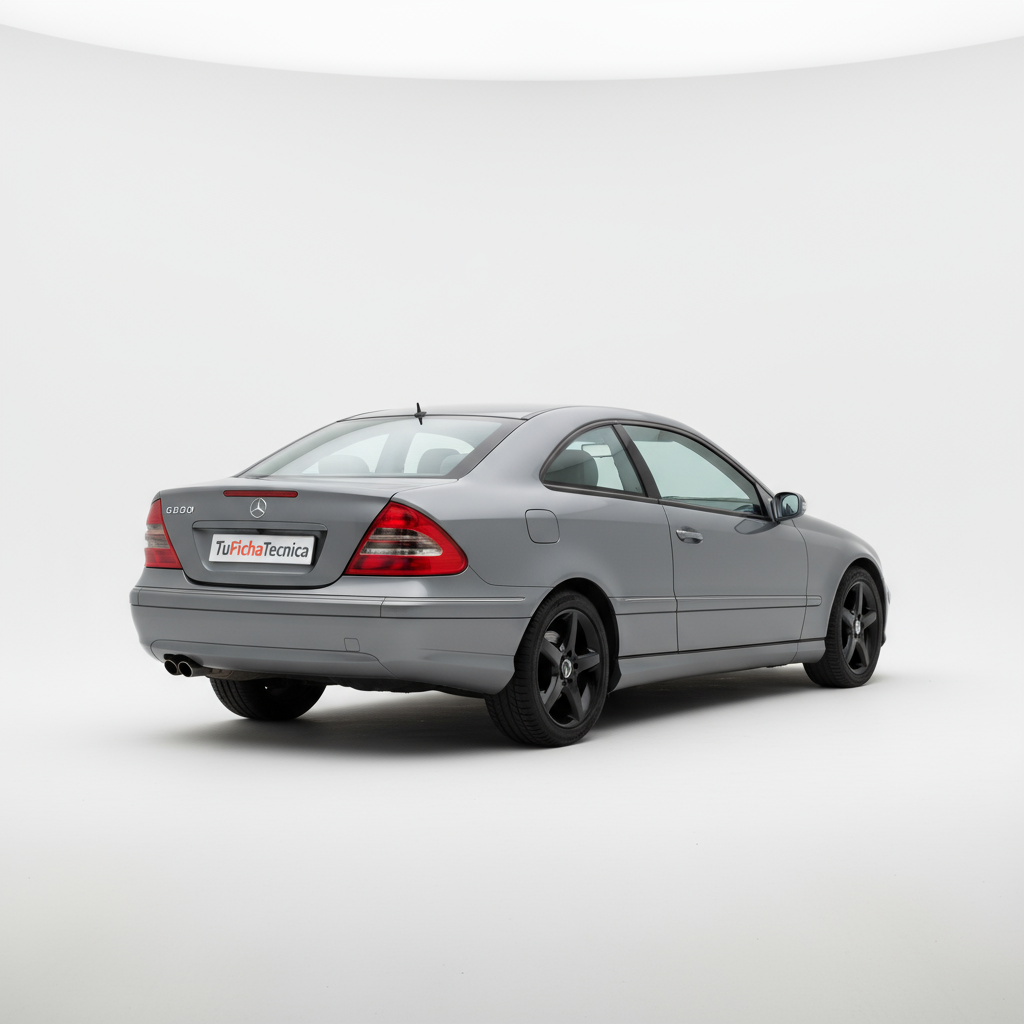
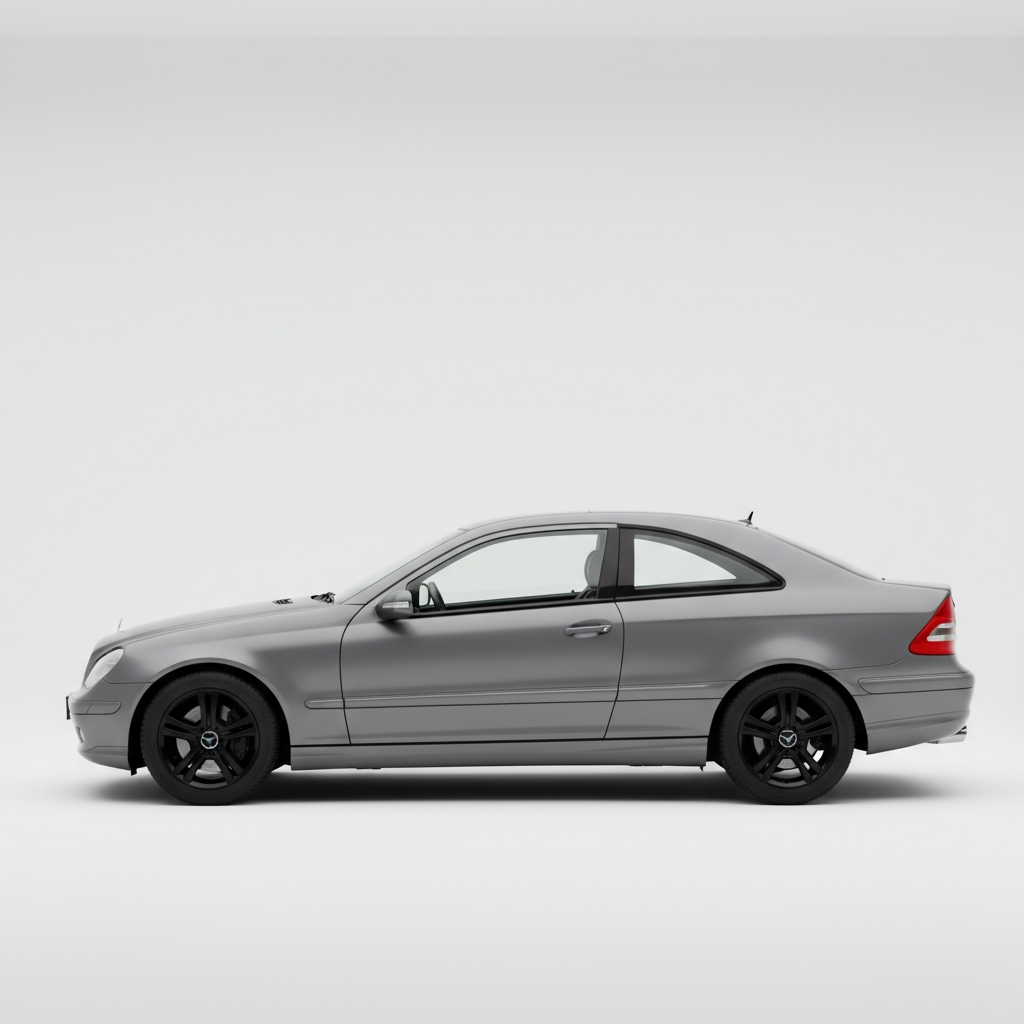
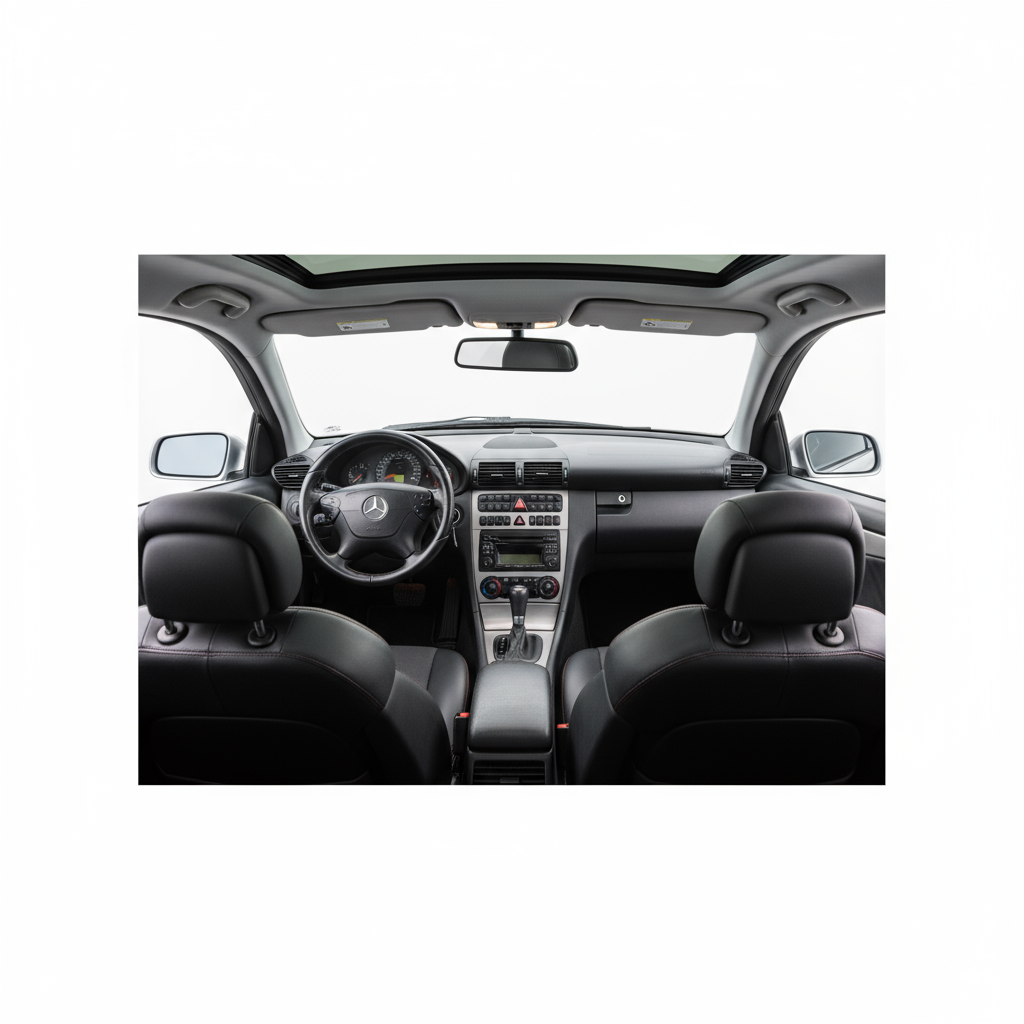
The design of the C 220 CDI Sportcoupé is unmistakably Mercedes, but with a more compact and athletic silhouette. Its 4343 mm length, 1728 mm width, and 1406 mm height give it a robust and elegant presence. The sloping roofline towards the rear, along with the three doors, give it a dynamic and youthful appearance. The 16-inch wheels with 205/55 R16 V tires complement its sporty aesthetic. The interior, although with capacity for four occupants, prioritizes front space, offering a quality environment with materials that stand the test of time. The 310-liter trunk is sufficient for daily use, but may be too small for long trips with a lot of luggage.
Technology and features
In terms of technology, the C 220 CDI Sportcoupé incorporates advanced solutions for its time. Its common rail direct injection diesel engine, variable geometry turbo and intercooler, is an example of efficiency and performance. The rack and pinion steering, although without speed-sensitive assistance, offers a good connection with the road. In terms of safety, it has disc brakes on all four wheels, ventilated on the front axle, and stabilizers both front and rear, which contributes to safe and stable driving. Although it lacks modern driving aids, its mechanical and structural base is solid and well-conceived.
Competition
In its segment, the Mercedes-Benz C 220 CDI Sportcoupé faced competitors such as the BMW 3 Series Compact and the Audi A3. Compared to them, the Mercedes offered a more luxurious approach and a more traditional brand image, although with this Sportcoupé version it sought to attract a younger audience. Its diesel engine was competitive in performance and efficiency, and its rear-wheel drive gave it a distinctive driving character. The choice between these models often depended on personal preferences regarding design, driving feel, and the brand image each projected.
Conclusion
The Mercedes-Benz C 220 CDI Sportcoupé is a car that, despite the years, still maintains its appeal. It is an interesting option for those looking for a compact coupé with the quality and prestige of Mercedes-Benz, an efficient and powerful diesel engine, and a design that still looks elegant and sporty today. Its reliability, coupled with low consumption and more than decent performance, make it a modern classic that can continue to offer much satisfaction to its owners. A car that represents an era in which Mercedes-Benz experimented with new forms and concepts, without losing its essence.