

Especificaciones y análisis del Mercedes-Benz Clase B
Power
179HP
Torque
340Nm
Consumption
-l/100
Emissions
-g/km
0-100 km/h
7.9s
Top Speed
160km/h
Weight
1725kg
Price
43,425€
Technical summary
Eléctrico
Automático 1v
FWD
5 / 5 doors
501 L
- L
132 kW
Current
Technical specifications
Engine
Capacities
Detailed analysis of the Mercedes-Benz B 250 e · 179 CV (2014-2017)
General description
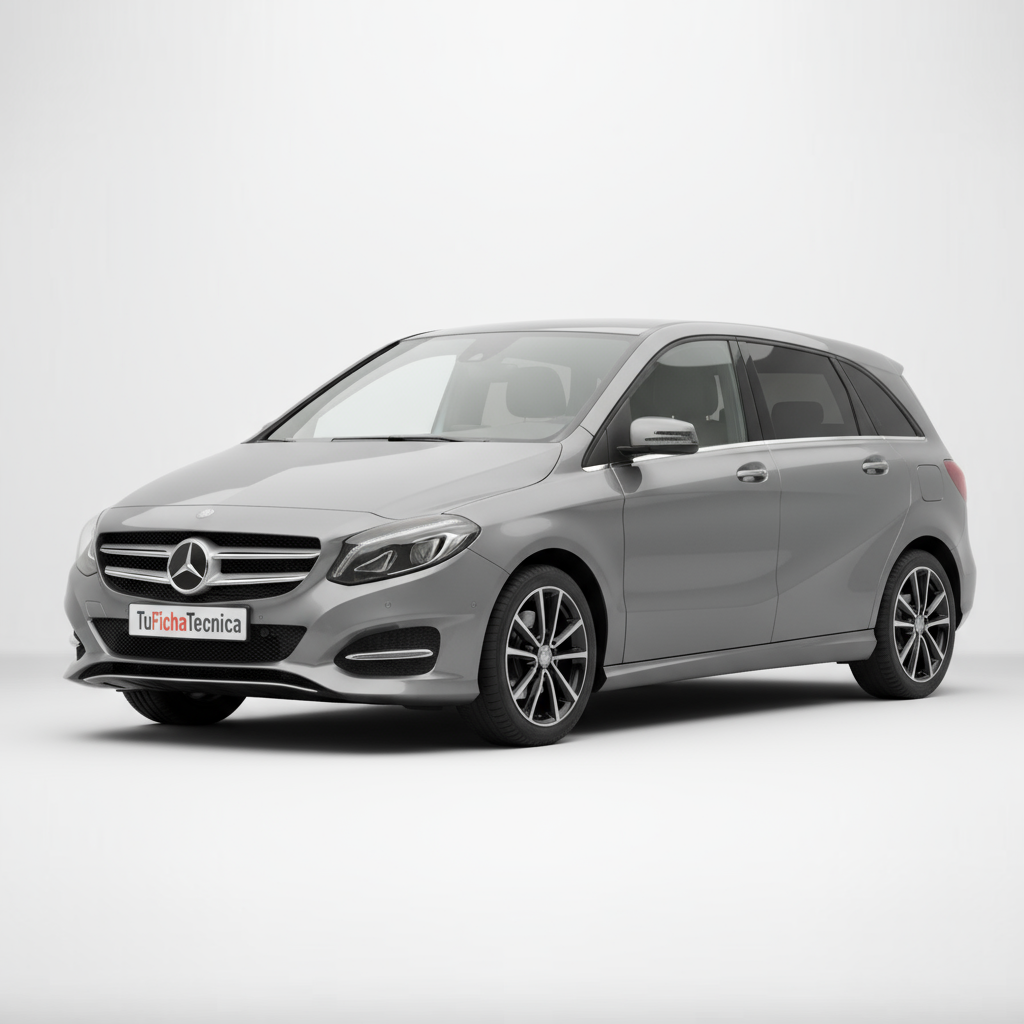
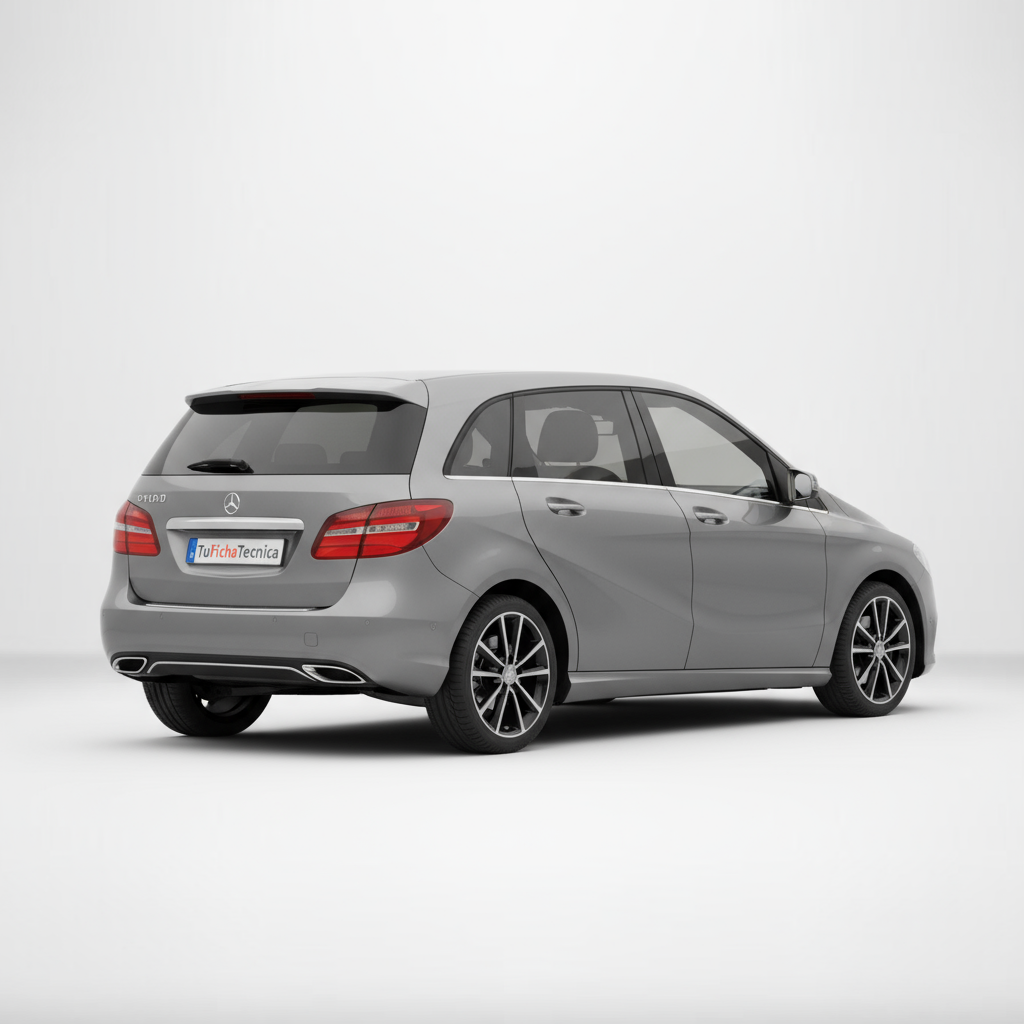
The 2015 Mercedes-Benz B-Class 250 e is presented as a bold and pioneering proposal in the electric vehicle segment, merging Mercedes-Benz's renowned quality and luxury with the efficiency of electric propulsion. This model, with its 5-door body and a 179 HP engine, offers a sophisticated alternative for those seeking sustainable mobility without sacrificing the comfort and performance of a Mercedes. Its price of €43,425 at the time of its launch positioned it as a premium option in the nascent electric market.
Driving experience
Behind the wheel of the B-Class 250 e, the experience is surprisingly smooth and quiet, an inherent characteristic of electric vehicles that is elevated here with Mercedes-Benz's refinement. The acceleration from 0 to 100 km/h in 7.9 seconds, thanks to its 179 HP and 340 Nm of torque, is energetic and linear, providing a sense of agility not expected from a minivan. The speed-sensitive electric power steering offers pleasant precision, while the suspension, with McPherson at the front and deformable parallelogram at the rear, effectively filters out road irregularities, ensuring a comfortable ride. The battery, strategically located in the central part, contributes to a low center of gravity, which translates into remarkable stability and poise on the road. The absence of a clutch and the single-speed automatic transmission simplify driving, making every journey relaxed and pleasant.
Design and aesthetics
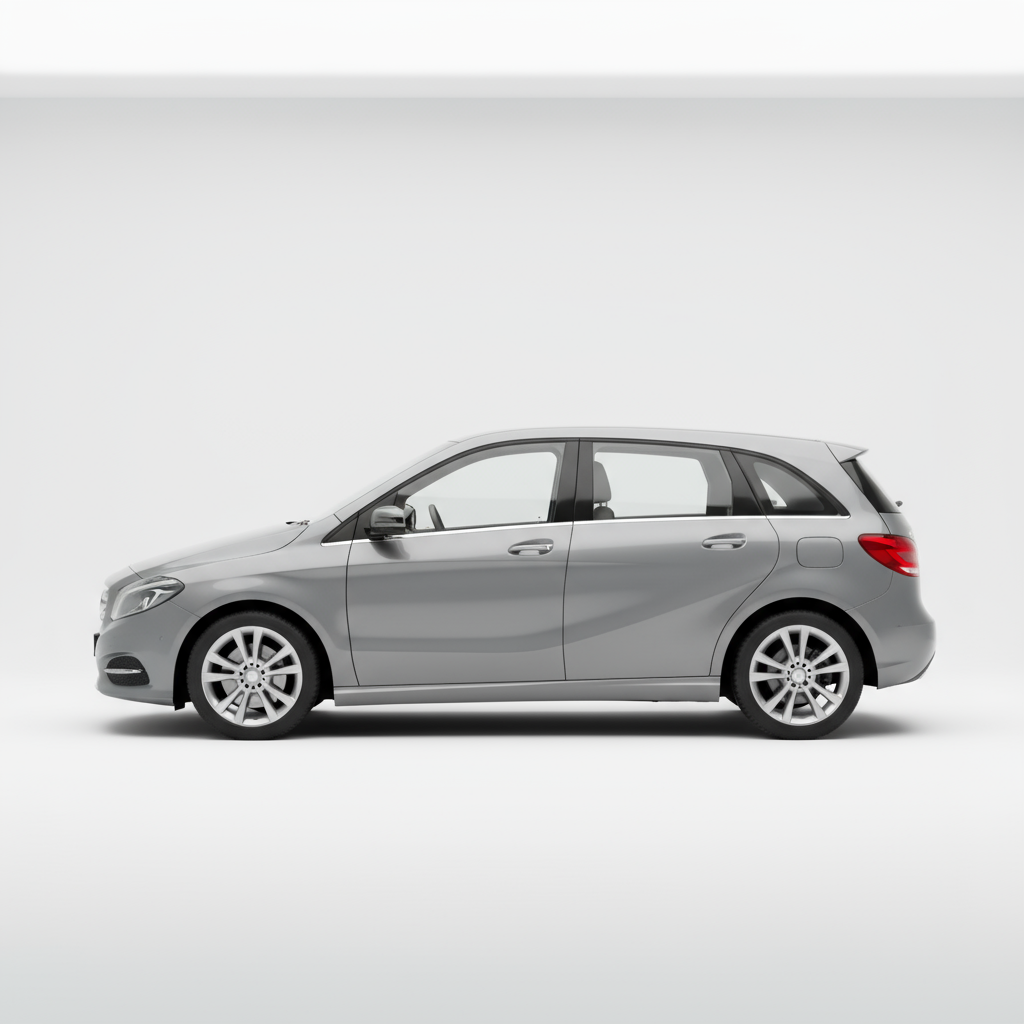
The design of the Mercedes-Benz B-Class 250 e maintains the elegant and functional essence of the B-Class, subtly adapting to its electric nature. Its fluid lines and aerodynamic silhouette not only contribute to a modern aesthetic but also optimize efficiency. With 4358 mm long, 1812 mm wide, and 1599 mm high, it offers generous interior space and excellent habitability for five occupants. The trunk, with 501 liters, is spacious and versatile, demonstrating that electrification does not compromise functionality. Exterior details, such as the 18-inch wheels with 225/45 R18 tires, give it a robust and distinctive presence, while the interior, with the typical Mercedes-Benz quality of materials and finishes, creates an atmosphere of luxury and comfort.
Technology and features
Technology is a fundamental pillar in the B-Class 250 e. Its heart is a 179 HP electric motor powered by a 28 kWh lithium-ion battery, intelligently located in the central part of the vehicle. Although the NEDC range is not specified, the battery capacity suggests an adequate range for daily use. A full charge with alternating current (AC) takes approximately 9 hours, allowing for convenient overnight recharging at home. The electric power steering system with speed sensitivity, along with the front ventilated disc brakes and rear disc brakes, ensure optimal control and first-class active safety. The DGT's '0 emissions' label underscores its commitment to the environment and the advantages associated with electric mobility.
Competition
At the time of its launch, the Mercedes-Benz B-Class 250 e faced a limited number of direct rivals in the premium electric minivan segment. It could be considered a competitor to models such as the BMW i3, although the latter presented a more urban approach and a more avant-garde design. Other electric vehicles of the time, such as the Nissan Leaf or the Volkswagen e-Golf, offered more generalist alternatives with a lower price positioning. The B-Class 250 e was distinguished by its combination of space, luxury, and Mercedes-Benz's engineering reputation, attracting an audience looking for a practical electric car with a touch of distinction.
Conclusion
The 2015 Mercedes-Benz B-Class 250 e was a significant step for the brand towards electrification, offering a vehicle that combined the functionality of a minivan with the advantages of electric propulsion. Its elegant design, spacious and comfortable interior, and advanced technology made it an attractive option for those seeking sustainable mobility without compromising luxury and performance. Although its range and charging times may seem modest compared to current standards, at the time it represented a solid and well-executed proposal, laying the groundwork for future electric developments of the brand. It is a car that, despite the years, still conveys the quality and good work of Mercedes-Benz.