
Especificaciones y análisis del Mazda CX-30
Power
150HP
Torque
-Nm
Consumption
5.9l/100
Emissions
134g/km
0-100 km/h
8.8s
Top Speed
198km/h
Weight
1426kg
Price
31,740€
Technical summary
Gasolina
Manual 6v
FWD
5 / 5 doors
430 L
51 L
4.8 kW
Current
Technical specifications
Engine
Capacities
Detailed analysis of the Mazda CX-30 Nagisa 2.0 e-SKYACTIV G 110 kW (150 CV) · 150 CV (2023-2024)
General description
The Mazda CX-30 Nagisa 2.0 e-SKYACTIV G 150 hp is a proposal that combines the elegance of a compact SUV with the efficiency of Mild Hybrid technology. This model, with its distinctive design and a 1998 cc gasoline engine, offers a balanced and refined driving experience. Priced at €31,740, it positions itself as an attractive option for those seeking quality, style, and a touch of distinction in the crossover segment.
Driving experience
Behind the wheel of the CX-30, the feeling is one of control and smoothness. The 150 hp engine, while not an outpouring of raw power, delivers energy linearly and progressively, allowing for 0 to 100 km/h acceleration in 8.8 seconds and a top speed of 198 km/h. The 6-speed manual transmission is precise and pleasant to use, inviting a more engaging driving experience. The suspension, McPherson type at the front and torsion beam at the rear, filters out road irregularities well, offering remarkable comfort without sacrificing stability. The electric power steering is communicative, contributing to an agile and safe handling experience. The combined consumption of 5.9 l/100km is a plus, demonstrating the efficiency of its Mild Hybrid system.
Design and aesthetics
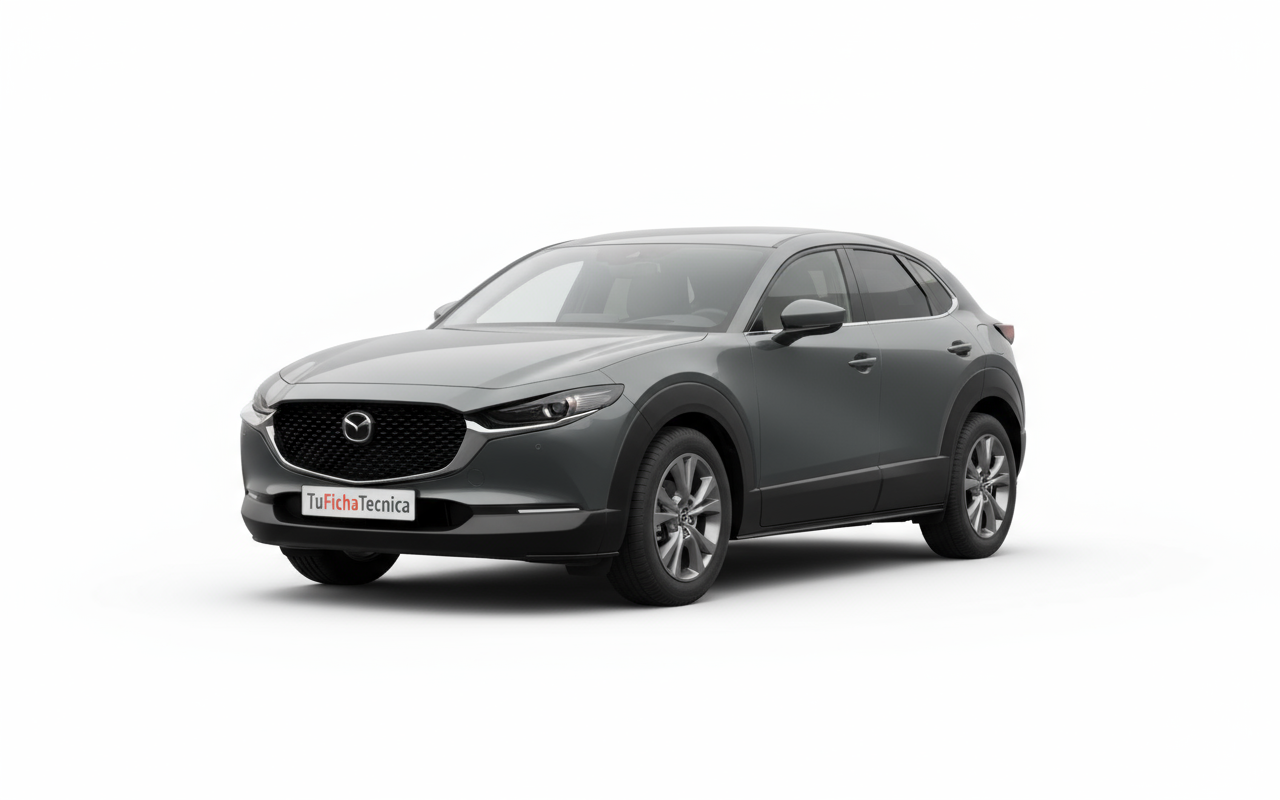
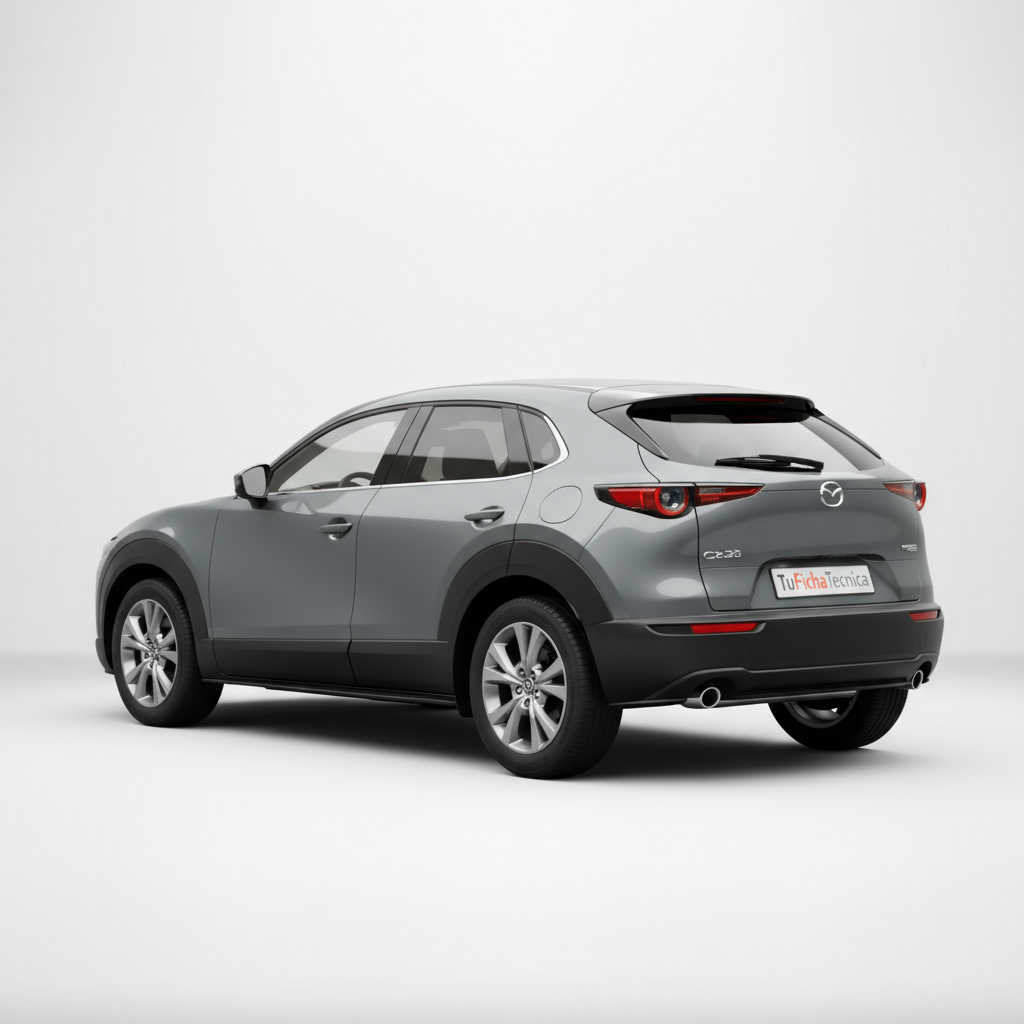
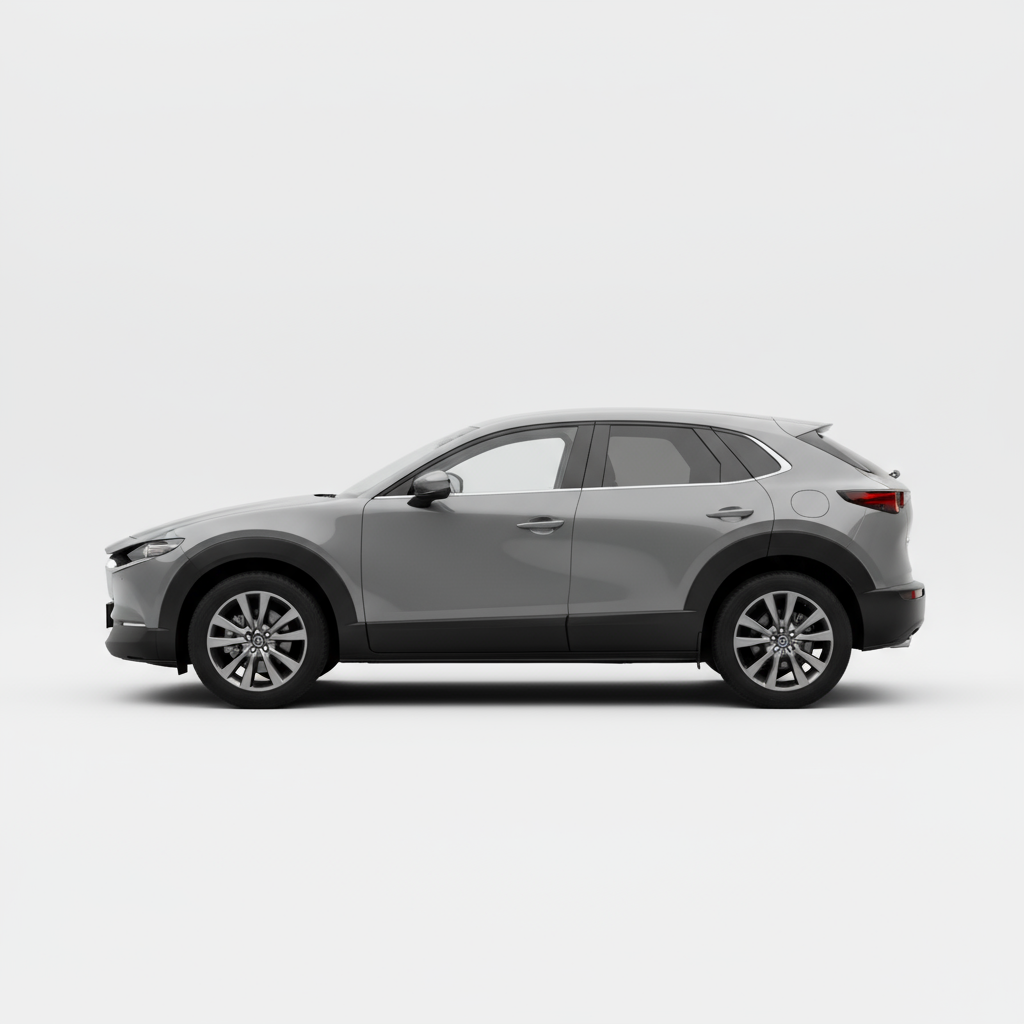
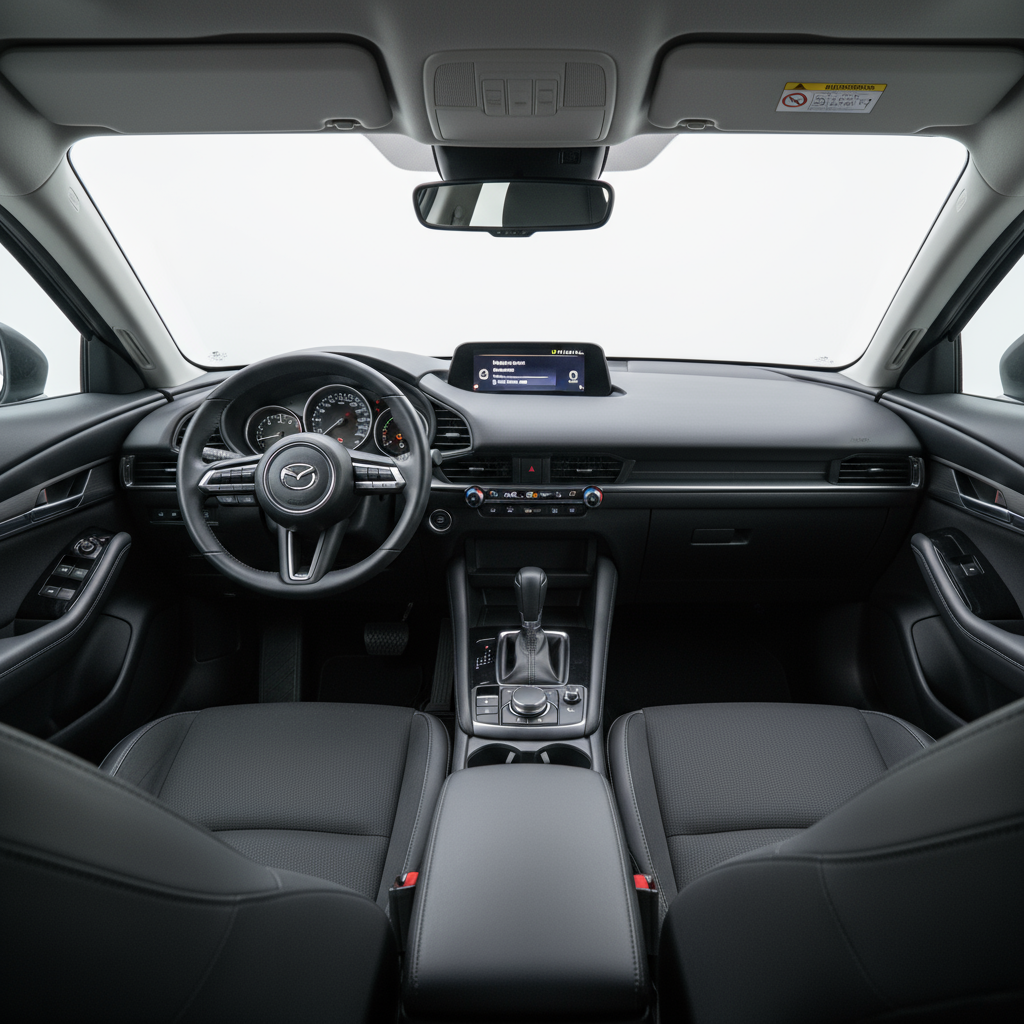
The design of the Mazda CX-30 is one of its greatest strengths. Inspired by the Kodo concept, its fluid lines and sculpted surfaces create an elegant and dynamic aesthetic. The 5-door body and its compact dimensions (4395 mm long, 1795 mm wide, and 1540 mm high) give it a robust yet sophisticated presence. Chrome details and the distinctive front grille reinforce its premium character. Inside, the quality of materials and attention to finishes are evident, creating a welcoming and ergonomic environment. The 430-liter trunk is practical for daily use and getaways.
Technology and features
The CX-30 incorporates e-SKYACTIV G technology, a 24V Mild Hybrid system that assists the gasoline engine, improving efficiency and reducing emissions. Although the 0.17 kWh battery is small, its rear location and 24V voltage contribute to the DGT's ECO label. The direct injection engine with a 13:1 compression ratio is an example of Mazda's engineering to optimize performance. In terms of safety, it features 295 mm ventilated disc brakes at the front and 265 mm discs at the rear, ensuring effective braking. Electric power steering is a key element for agile driving.
Competition
In the competitive compact SUV segment, the Mazda CX-30 faces strong rivals such as the Audi Q3, BMW X1, Mercedes-Benz GLA, Volvo XC40, or Volkswagen T-Roc. Compared to them, the CX-30 stands out for its distinctive design, quality finishes, and focus on the driving experience. Although some rivals may offer more powerful engine options or greater technological load in certain aspects, the Mazda positions itself as a balanced alternative with great emotional value, especially for those who appreciate Japanese elegance and reliability.
Conclusion
The Mazda CX-30 Nagisa 2.0 e-SKYACTIV G 150 hp is a car that captivates with its design, convinces with its quality, and satisfies with its dynamic behavior. It is an ideal option for those looking for a compact SUV with a premium touch, efficient, and pleasant to drive. Its ECO label, contained consumption, and equipment make it a smart and emotionally rewarding purchase. Mazda has managed to create a vehicle that not only meets expectations but exceeds them in many aspects, offering a driving experience that feels special and connected.