
Especificaciones y análisis del Lotus Evora
Power
280HP
Torque
350Nm
Consumption
9l/100
Emissions
210g/km
0-100 km/h
5.2s
Top Speed
256km/h
Weight
1511kg
Price
84,063€
Technical summary
Gasolina
Automático 6v
RWD
4 / 3 doors
160 L
60 L
206 kW
Current
Technical specifications
Engine
Capacities
Detailed analysis of the Lotus Evora IPS 2+2 · 280 CV (2012-2015)
General description
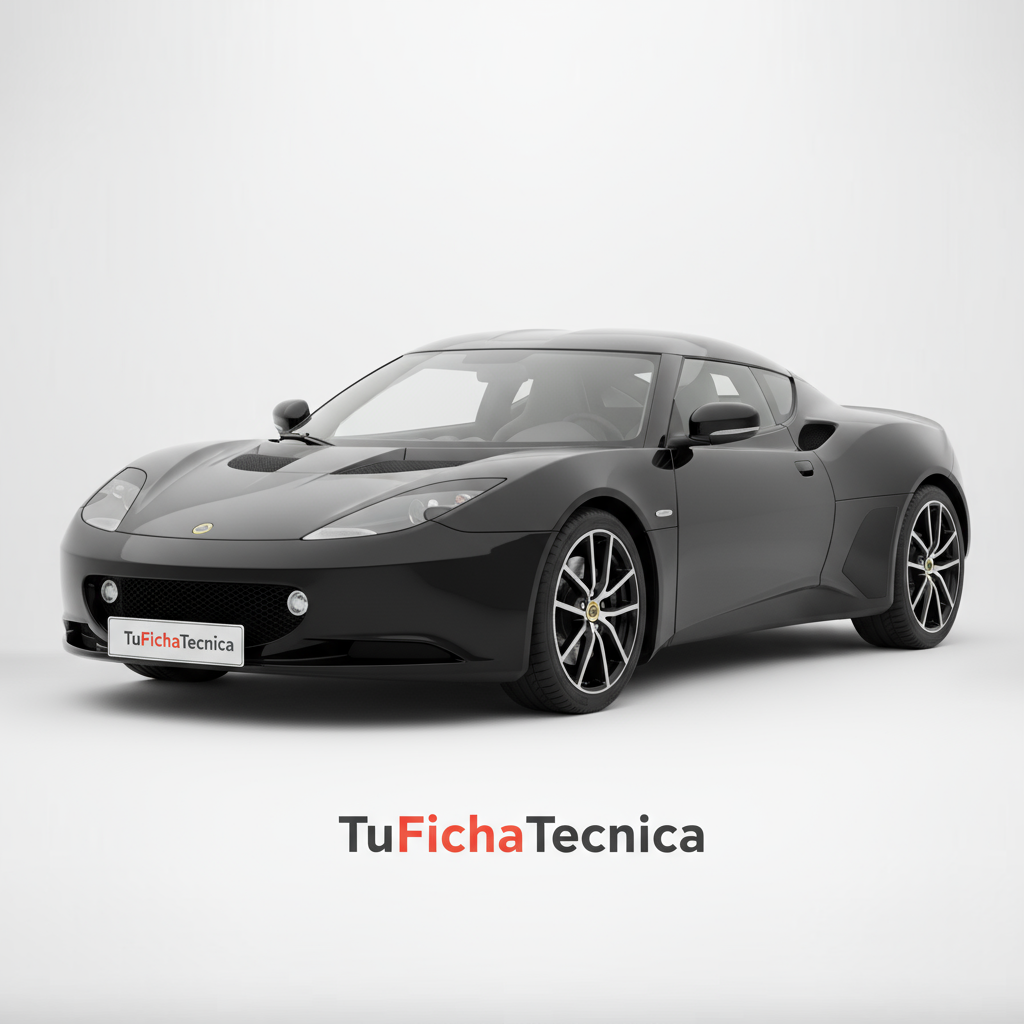
The 2012 Lotus Evora IPS is not just a car, it's a statement of principles. In a world surrendering to electronics, Lotus gave us a machine that prioritizes the pure connection between the driver, the asphalt, and the heart. With its mid-mounted V6 engine and a 2+2 configuration, the Evora promised the brand's legendary agility with an unexpected touch of versatility, all wrapped in a body that screams speed from every angle.
Driving experience
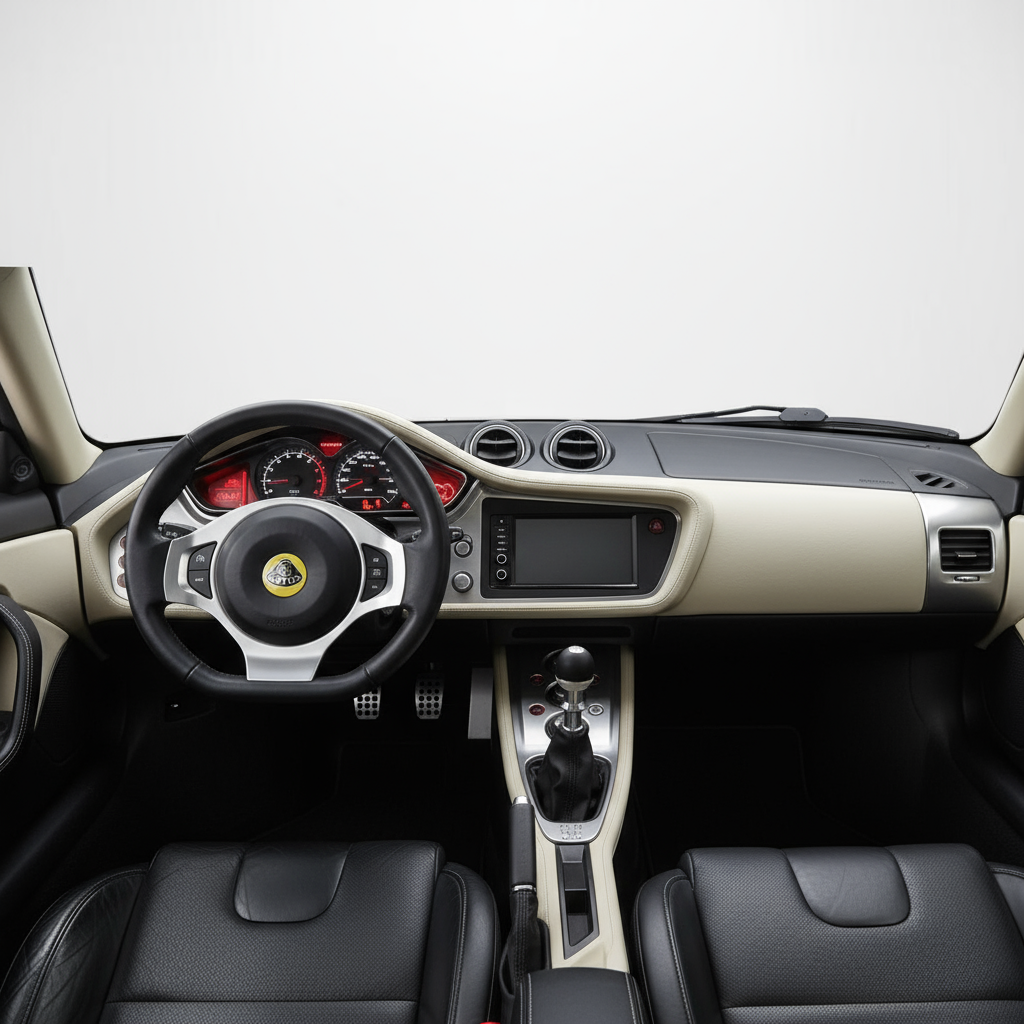
Getting behind the wheel of the Evora is to rediscover the essence of driving. You feel every texture of the road through its hydraulic steering, a direct extension of your hands. The 3.5-liter Toyota V6 engine, located right behind you, not only pushes with its 280 horsepower but also composes a mechanical symphony that gives you goosebumps as it approaches 6400 rpm. The acceleration is forceful and pins you to the seat, while the light and rigid chassis invites you to link curves with a confidence and agility that only a Lotus can offer. It's a visceral experience, an addictive dance between man and machine.
Design and aesthetics
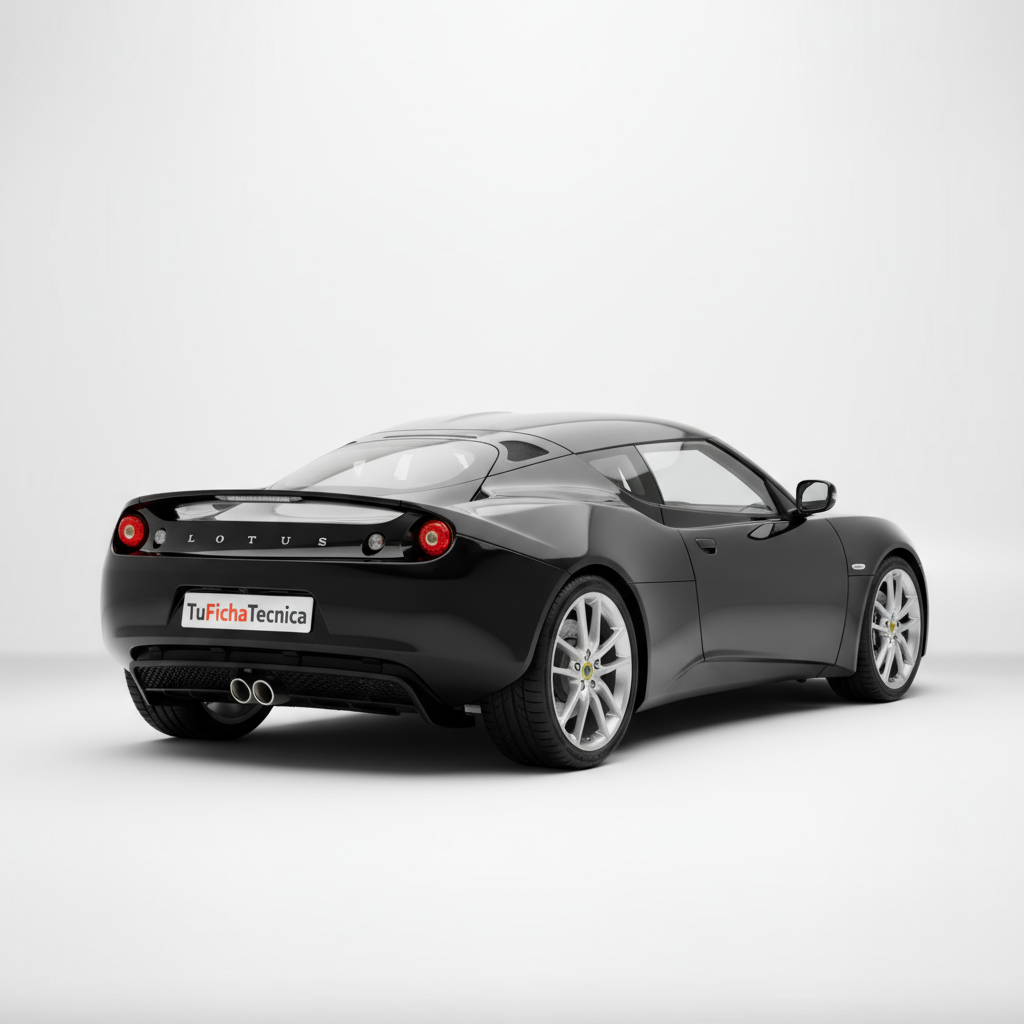
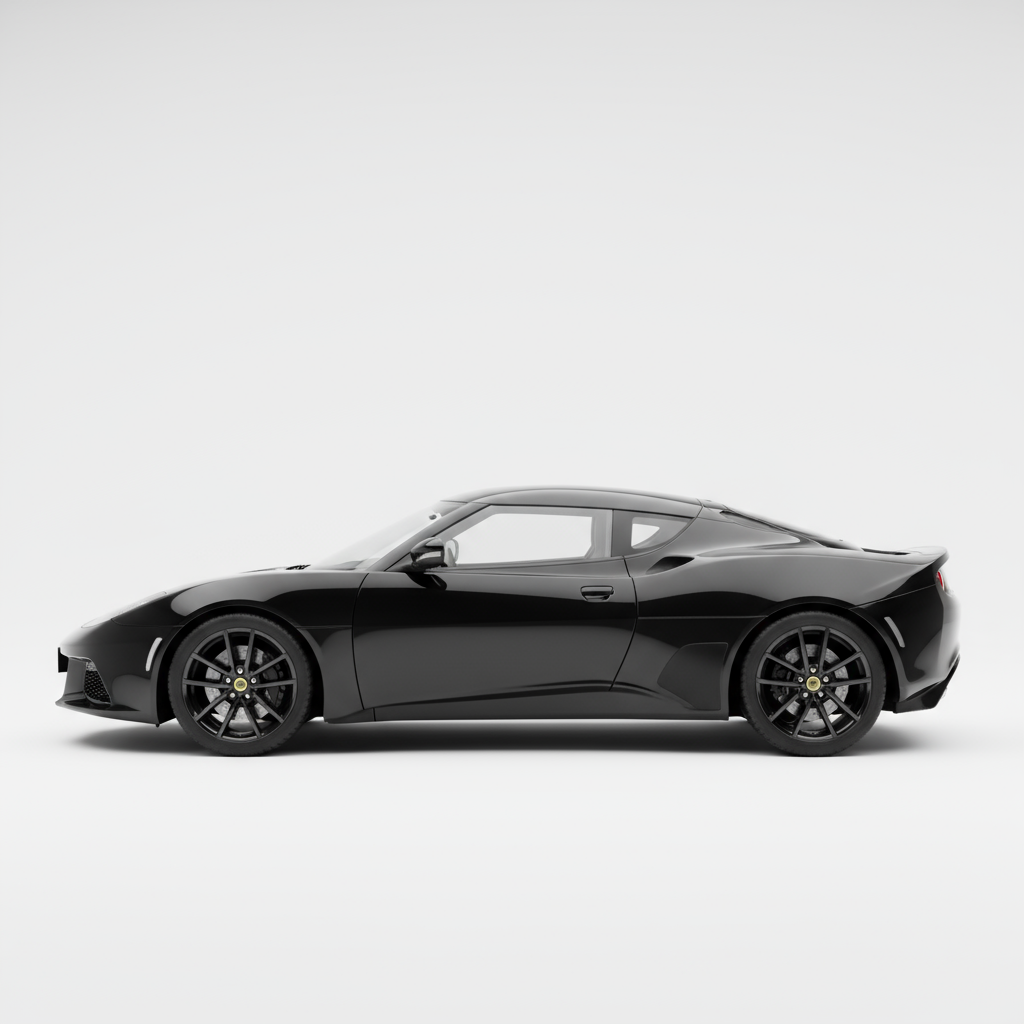
The Evora's design is pure drama and aerodynamic efficiency. Its flowing lines and low, sharp profile are not an aesthetic whim, but the result of hours in the wind tunnel to cut through the air with minimal resistance. It is exotic, muscular, and elegant all at once. Inside, the cabin embraces you, completely focused on the driving experience. Although the rear seats are token, their mere existence gives it a practical dimension that sets it apart, making it a sports car with which one can dream of sharing the passion.
Technology and features
The Evora's technology doesn't lie in touch screens, but in its brilliant engineering. The extruded and bonded aluminum chassis is a masterpiece of lightness and rigidity. The double-wishbone suspension on both axles, inherited from racing, is responsible for its sublime dynamic behavior. The Toyota-sourced V6 engine is a smart choice that provides reliability, while the IPS automatic gearbox, though not as fast as modern dual-clutch systems, allows for a more relaxed use of the car without sacrificing the thrill when using the paddle shifters. It's technology at the service of sensation, not distraction.
Competition
In its time, the Evora IPS faced titans like the Porsche Cayman S. While the German offered clinical perfection and impeccable build quality, the Lotus countered with a rawer soul, an unmistakable British character, and an exclusivity that the Porsche couldn't match. It also competed with sports cars like the Jaguar F-Type or even entry-level versions of the Porsche 911, but the Evora always played in its own league: that of pure, handmade sports cars with a racing lineage that is felt in every kilometer.
Conclusion
The Lotus Evora IPS is a car for purists who understand that perfection is sometimes imperfect. It's a sports car that speaks to you, demands from you, and rewards you with sensations that modern cars have forgotten how to deliver. It's not the fastest in a straight line nor the most luxurious, but its ability to communicate and excite is almost unparalleled. It is a jewel of analog engineering, a future classic that represents a way of understanding the automobile that is fading, but will never lose its value.