
Especificaciones y análisis del Lotus Elise
Power
160HP
Torque
175Nm
Consumption
6.9l/100
Emissions
-g/km
0-100 km/h
5.1s
Top Speed
212km/h
Weight
881kg
Price
45,574€
Technical summary
Gasolina
Manual 5v
RWD
2 / 2 doors
115 L
38 L
118 kW
Current
Technical specifications
Engine
Capacities
Detailed analysis of the Lotus Elise 111 · 160 CV (2002-2004)
General description
The Lotus Elise 111 is not just a car, it's a statement of principles. Born in an era where the purity of driving was beginning to be diluted, this British sports car clings to the legendary philosophy of its founder, Colin Chapman: 'add lightness'. It is a machine designed with a single purpose, to connect the driver with the asphalt in the most visceral and direct way possible.
Driving experience
Getting behind the wheel of the Elise is to rediscover the essence of driving. With only 881 kilograms and 160 horsepower pushing from behind, every hint of the accelerator translates into an immediate and addictive impulse. The unassisted steering is a torrent of information that tells you every texture of the road directly in the palms of your hands. The sound of the four-cylinder engine, located just behind your head, is the soundtrack to an analog and unfiltered experience. It is a car that is not driven, it is felt and piloted, demanding your full attention and rewarding you with an agility and connection that very few modern vehicles can match.
Design and aesthetics
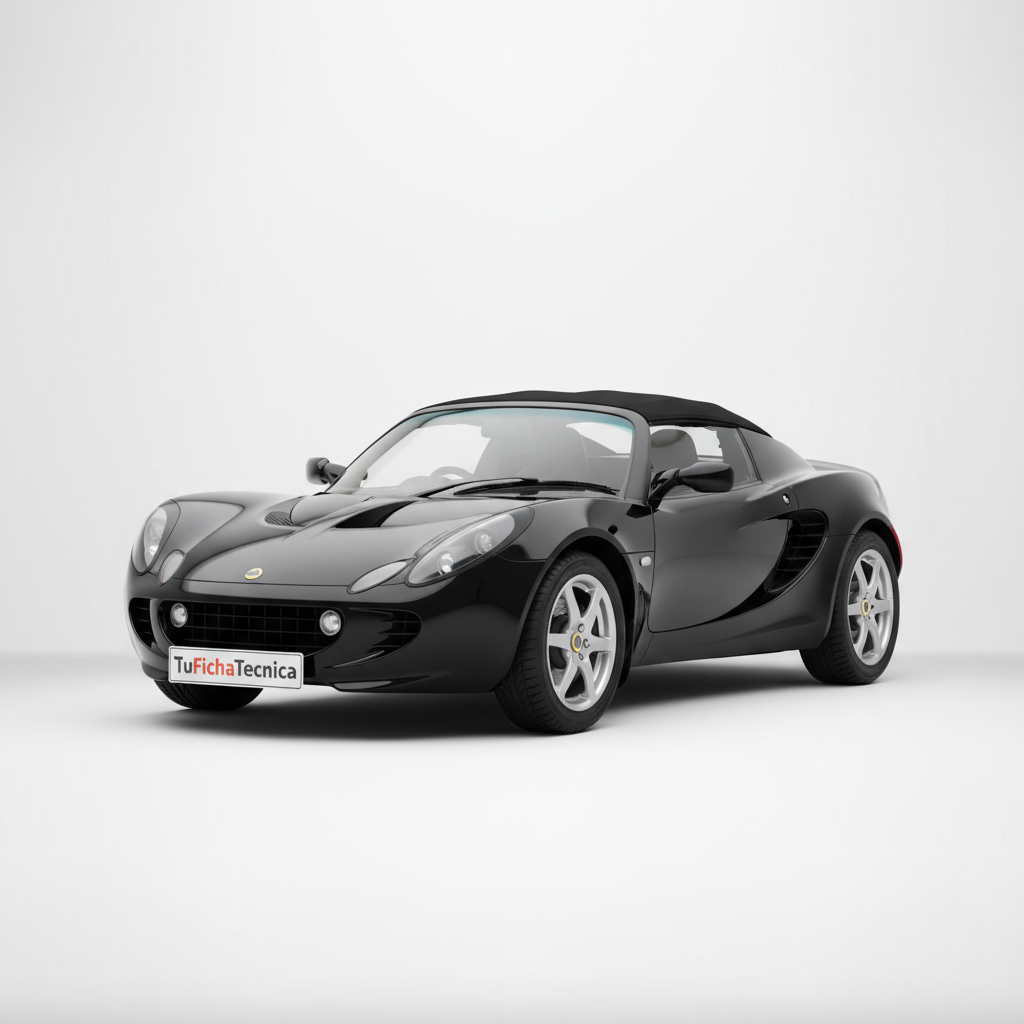
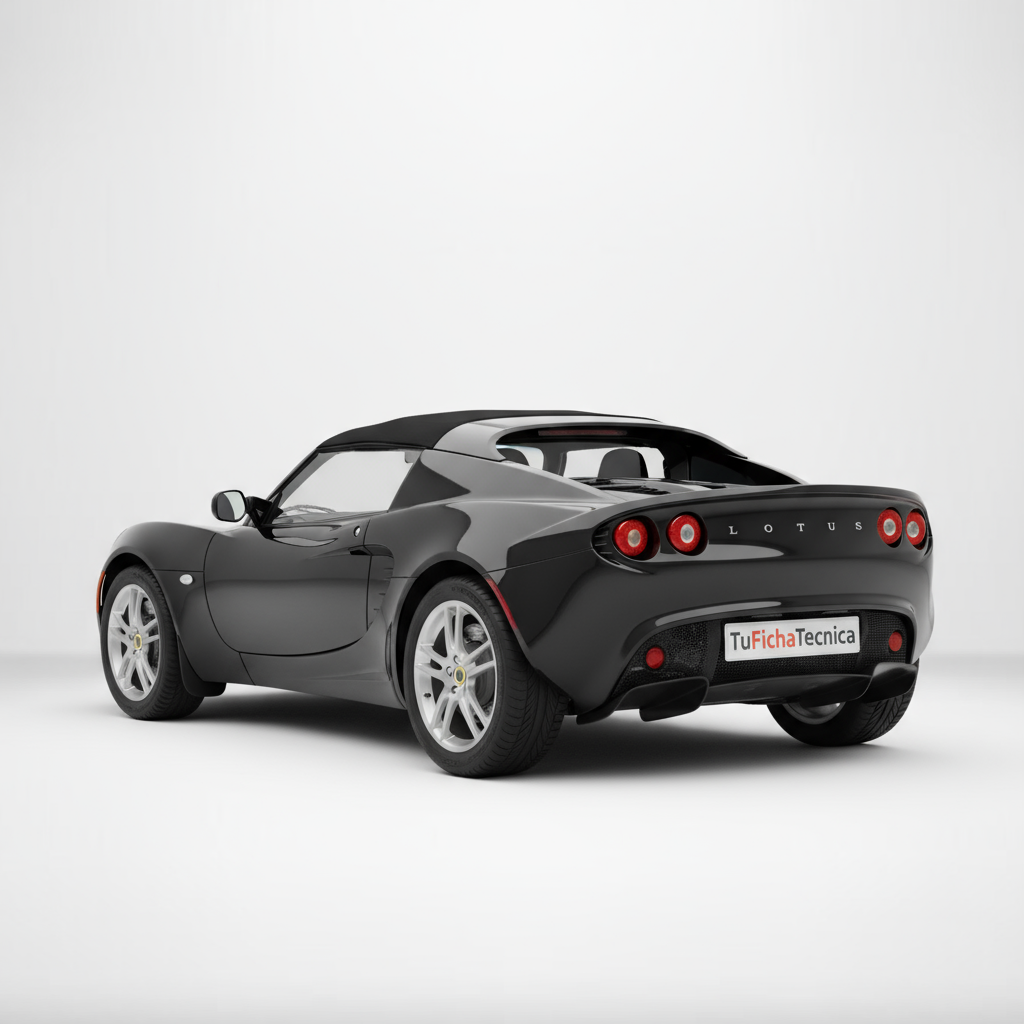
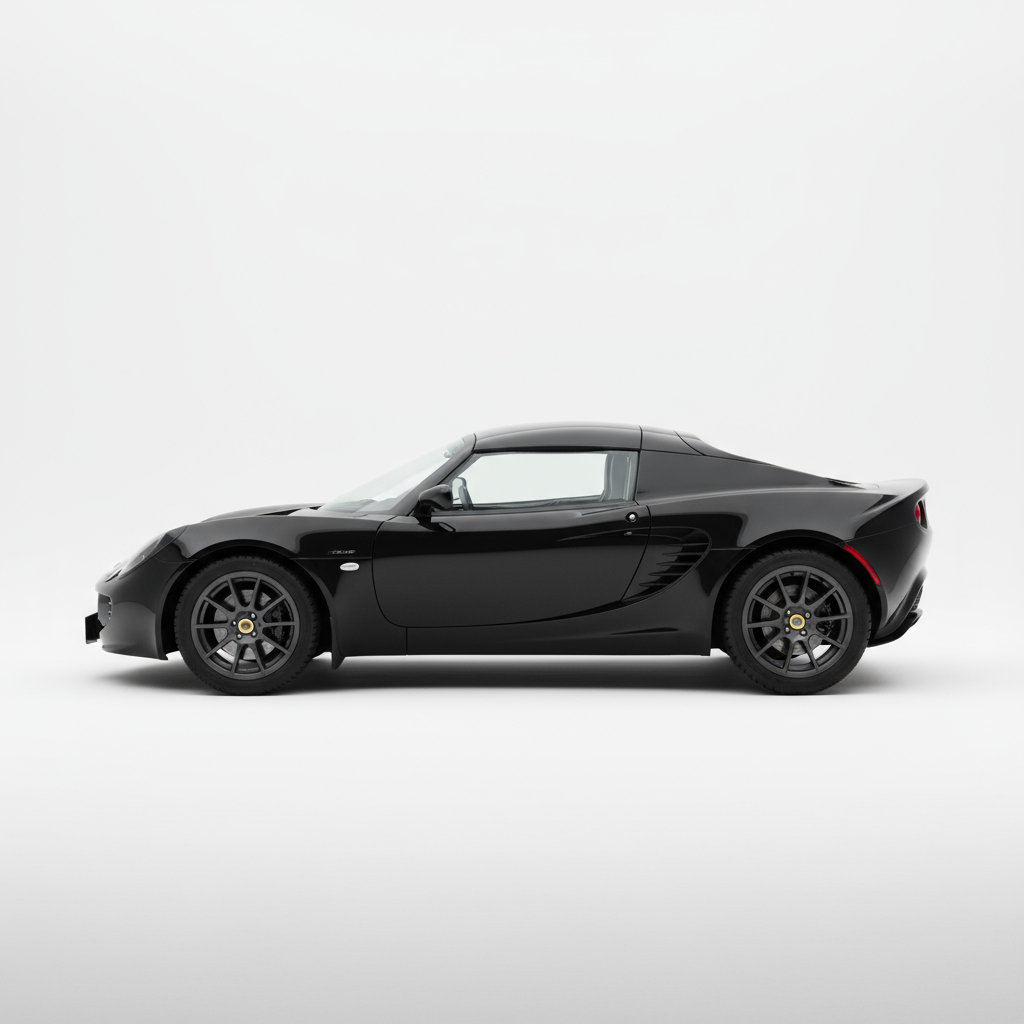
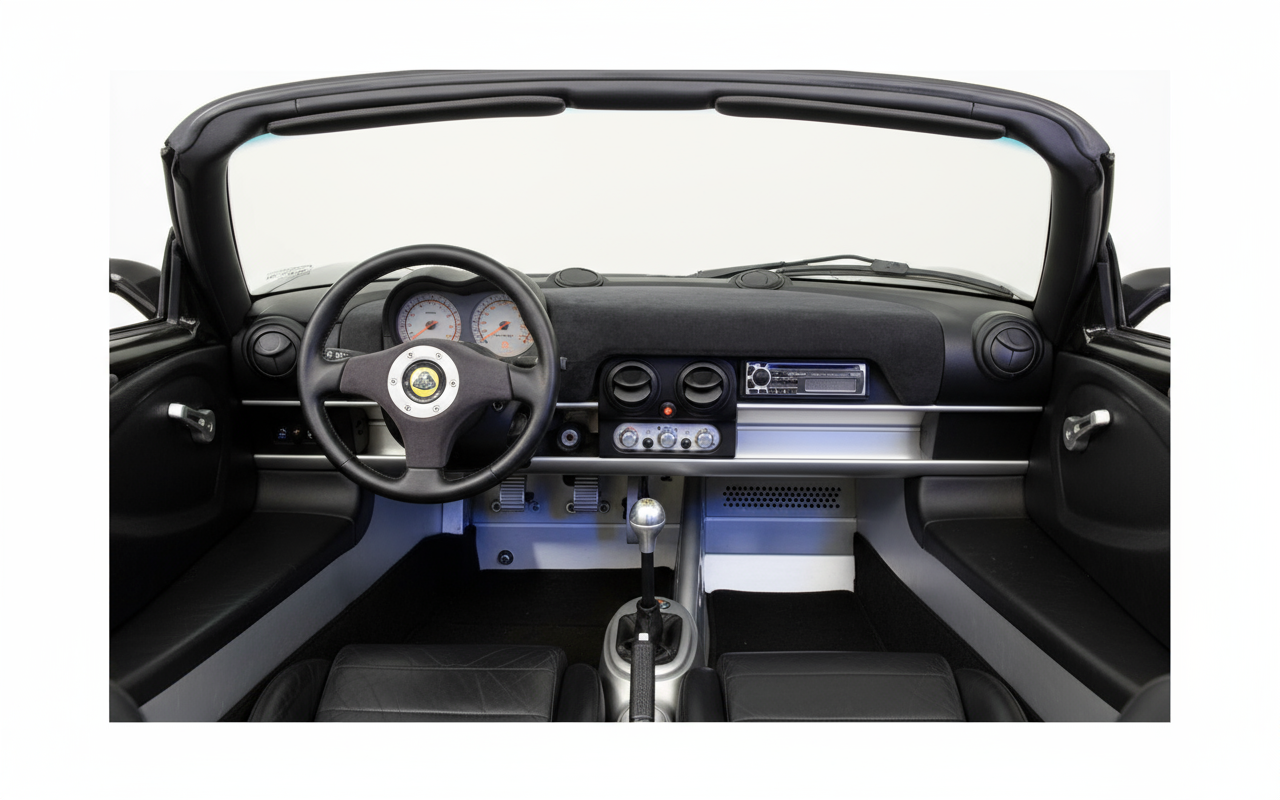
Its aesthetics are a direct consequence of its function. The low, wide, and wind-sculpted body does not seek to impress, it seeks to be effective. Every curve and every air intake has an aerodynamic purpose. Inside, the cabin is a sanctuary of minimalism: exposed aluminum, bucket seats, and only the strictly necessary controls. There is no room for superfluous luxury, only for concentration on the road, creating a street-legal race car atmosphere.
Technology and features
The true technology of the Elise 111 does not lie in screens or electronic assists, but in the brilliance of its mechanical engineering. Its extruded and bonded aluminum chassis is a work of art in lightness and rigidity. The double-wishbone suspension on both axles, typical of competition, and a featherweight are its greatest advances. It is the antithesis of the modern car; here, technology serves the pure sensation, not to isolate the driver.
Competition
In its time, few cars dared to offer such a radical formula. While a Porsche Boxster offered more comfort and a Honda S2000 a stratospheric engine, the Elise played in its own league of extreme lightness. It was measured more against the philosophy of a Caterham than conventional sports cars, but offering a closed body that made it slightly more usable in the real world.
Conclusion
The Lotus Elise 111 is a gem for the purist, an antidote to digital and anesthetized driving. It is not a practical or comfortable car, it is a source of intense emotions and a machine for generating smiles on every corner. It is a future classic that represents the celebration of driving in its purest state, a vehicle that reminds you why you are passionate about driving.