
Especificaciones y análisis del Lotus Elise
Power
120HP
Torque
168Nm
Consumption
7.3l/100
Emissions
-g/km
0-100 km/h
5.7s
Top Speed
200km/h
Weight
831kg
Price
45,020€
Technical summary
Gasolina
Manual 5v
RWD
2 / 2 doors
115 L
38 L
88 kW
Current
Technical specifications
Engine
Capacities
Detailed analysis of the Lotus Elise Type 72 · 120 CV (2002)
General description
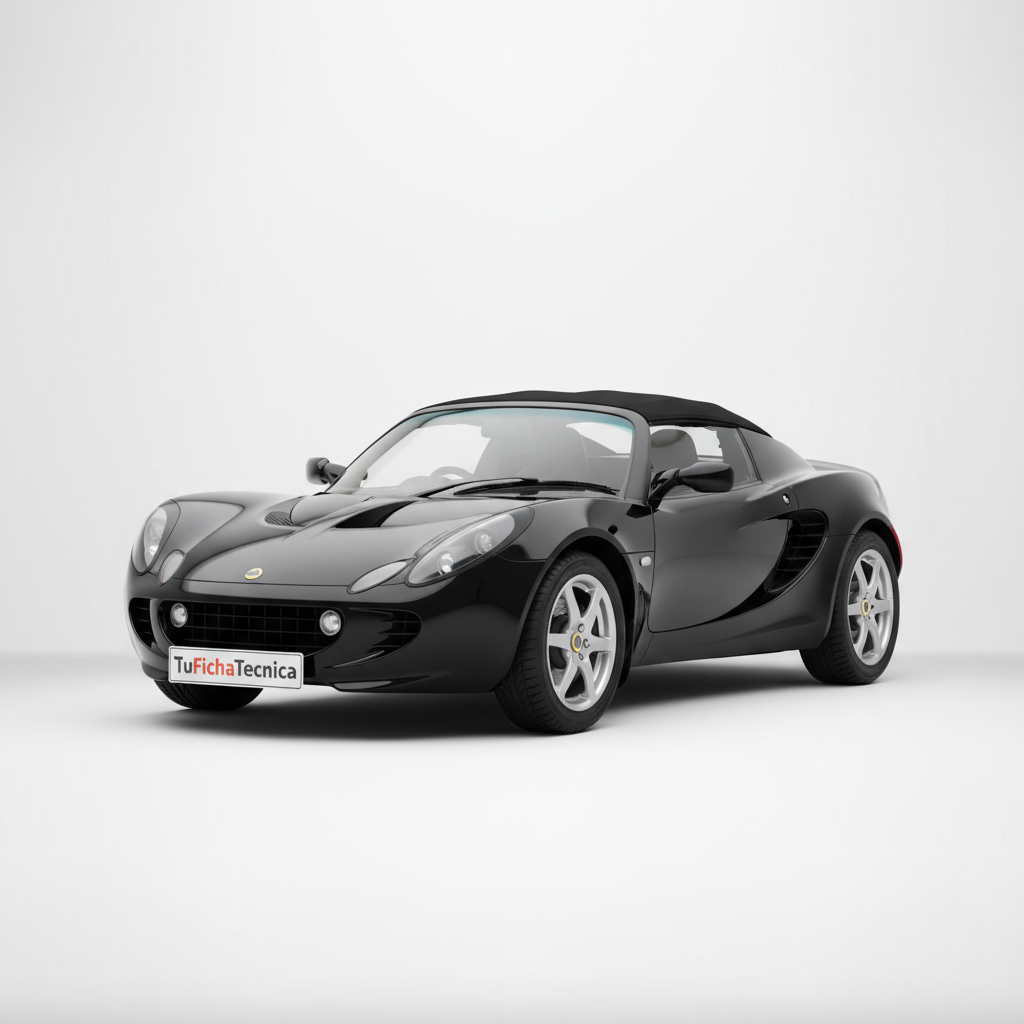
The Lotus Elise Type 72 is not just a car; it's a statement of principles and a rolling tribute to one of the greatest legends in Formula 1. Born in 2002, this Elise captures the indomitable spirit of the John Player Special Type 72 single-seater, offering a pure and unfiltered driving experience, a direct connection between the asphalt, the machine, and the driver's soul.
Driving experience
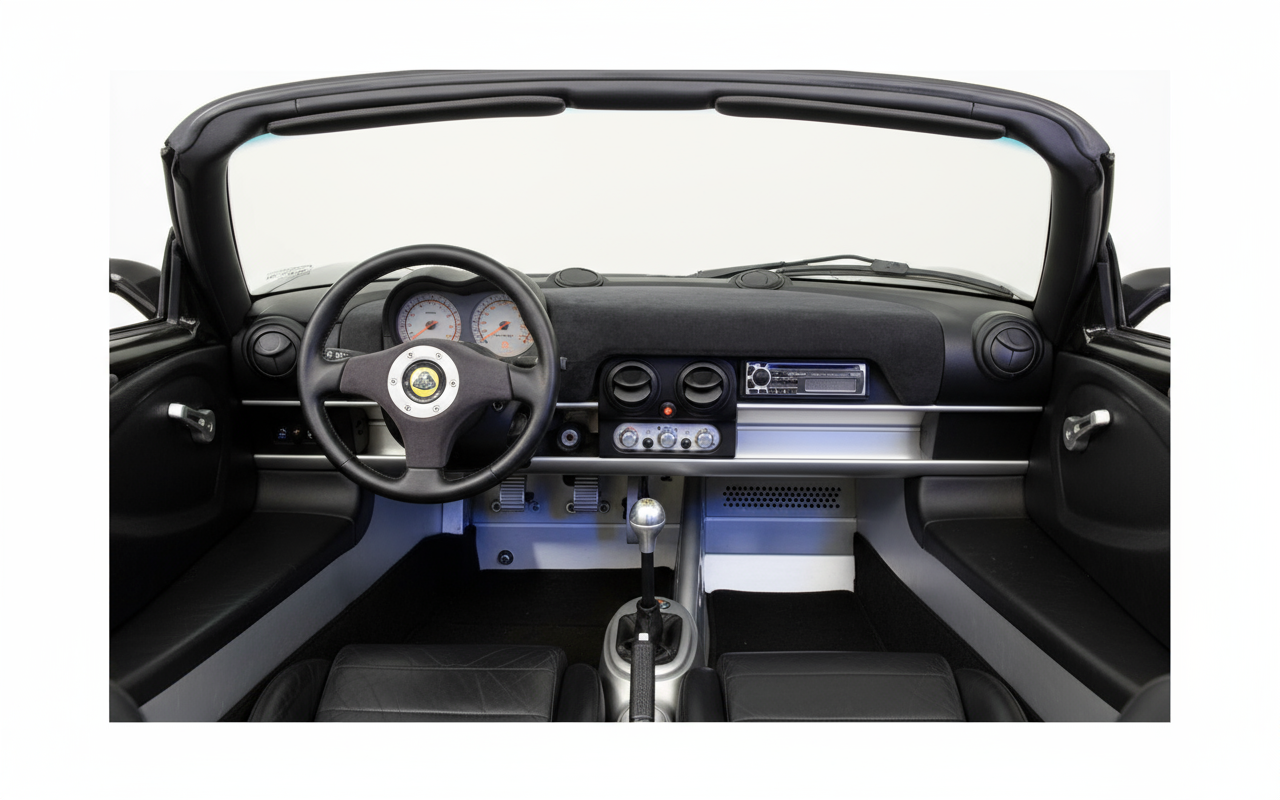
Getting behind the wheel is a ritual that transports you to another dimension. Weighing only 831 kg, each of its 120 horsepower feels like a stampede. The unassisted steering communicates every imperfection of the road directly to the palms of your hands, the 5-speed manual gearbox is a mechanical pleasure, and the rear-wheel drive invites you to play in every corner. It's a symphony of raw sensations, where the sound of the mid-engine right behind your head is the soundtrack to an unforgettable experience.
Design and aesthetics
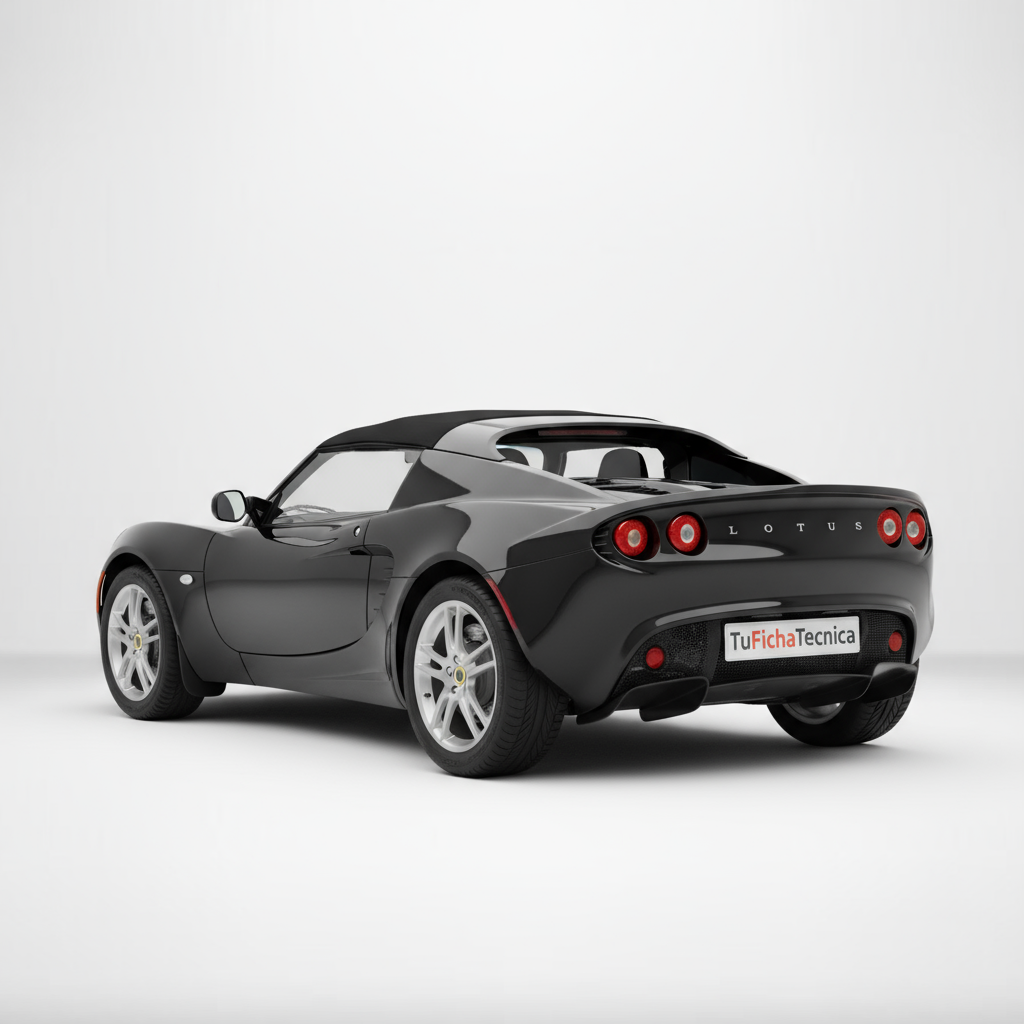
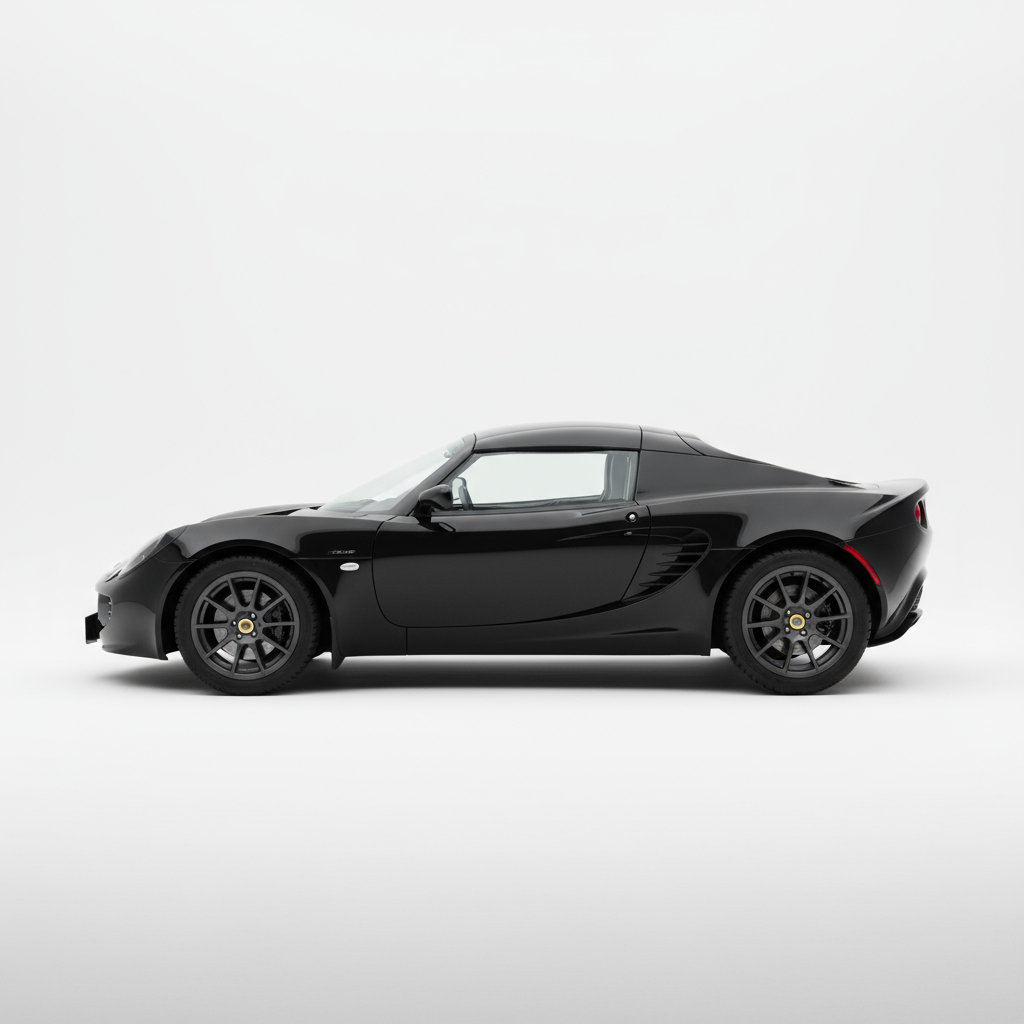
Its aesthetic is pure emotion and nostalgia. Dressed in the iconic black and gold livery, it instantly evokes the victories of Emerson Fittipaldi and Jochen Rindt. Its lines are low, sharp, and functional, without a single superfluous ornament. Every curve and every air intake has a purpose, creating a timeless silhouette that screams speed and agility even when stationary. It is a functional work of art, a race car for the street.
Technology and features
The true technology of the Elise Type 72 lies not in screens or electronic aids, but in the brilliance of its engineering. Its extruded and bonded aluminum chassis is a masterpiece of lightness and rigidity, the heart of its incredible agility. The 1.8 Rover-sourced engine is simple but effective, and the deliberate absence of modern driving aids is its greatest technological virtue, as it ensures that the driver's skill and courage are the only protagonists.
Competition
Finding a direct rival for such a specialized machine is almost impossible. While a Porsche Boxster of the era offered more comfort and a Mazda MX-5 more accessible fun, neither achieved the Elise's level of purity and connection. Perhaps its closest competitors in philosophy would be a Caterham 7 or an Opel Speedster, vehicles that also prioritized lightness and sensations above all else, creating their own niche for driving addicts.
Conclusion
The Lotus Elise Type 72 is much more than a sports car; it's a visceral experience, a cult object for purists. It's not a car for everyday use; it's an antidote to monotony, a machine that demands your attention and rewards you with a driving joy that few modern cars can match. It's an instant classic, a piece of motorsport history that you can feel and drive.