
Especificaciones y análisis del Lexus GS
Power
223HP
Torque
300Nm
Consumption
4.9l/100
Emissions
113g/km
0-100 km/h
9.2s
Top Speed
190km/h
Weight
1735kg
Price
52,100€
Technical summary
Híbrido
Automático Múltiplesv
RWD
5 / 4 doors
468 L
66 L
164 kW
Current
Technical specifications
Engine
Capacities
Detailed analysis of the Lexus GS 300h Corporate · 223 CV (2015)
General description
The 2012 Lexus GS 300h Corporate is a luxury sedan that combines Japanese elegance with an efficient hybrid powertrain. Priced at 52,100 euros at its launch, this model positions itself as a sophisticated and environmentally friendly alternative in the premium sedan segment. Its timeless design and focus on comfort make it an attractive option for those seeking distinction and efficiency.
Driving experience
Behind the wheel of the GS 300h, the predominant sensation is one of exceptional smoothness and refinement. The combination of the 2.5-liter gasoline engine and the electric system offers a linear and silent response, ideal for long journeys or urban traffic. Acceleration from 0 to 100 km/h in 9.2 seconds, while not blistering, is sufficient for most situations, and the top speed of 190 km/h allows for comfortable cruising. The electric power steering and the multi-link suspension on both axles contribute to a composed and comfortable ride, absorbing road imperfections with mastery. It is a car that invites calm and enjoyment of the journey, rather than sporty driving.
Design and aesthetics
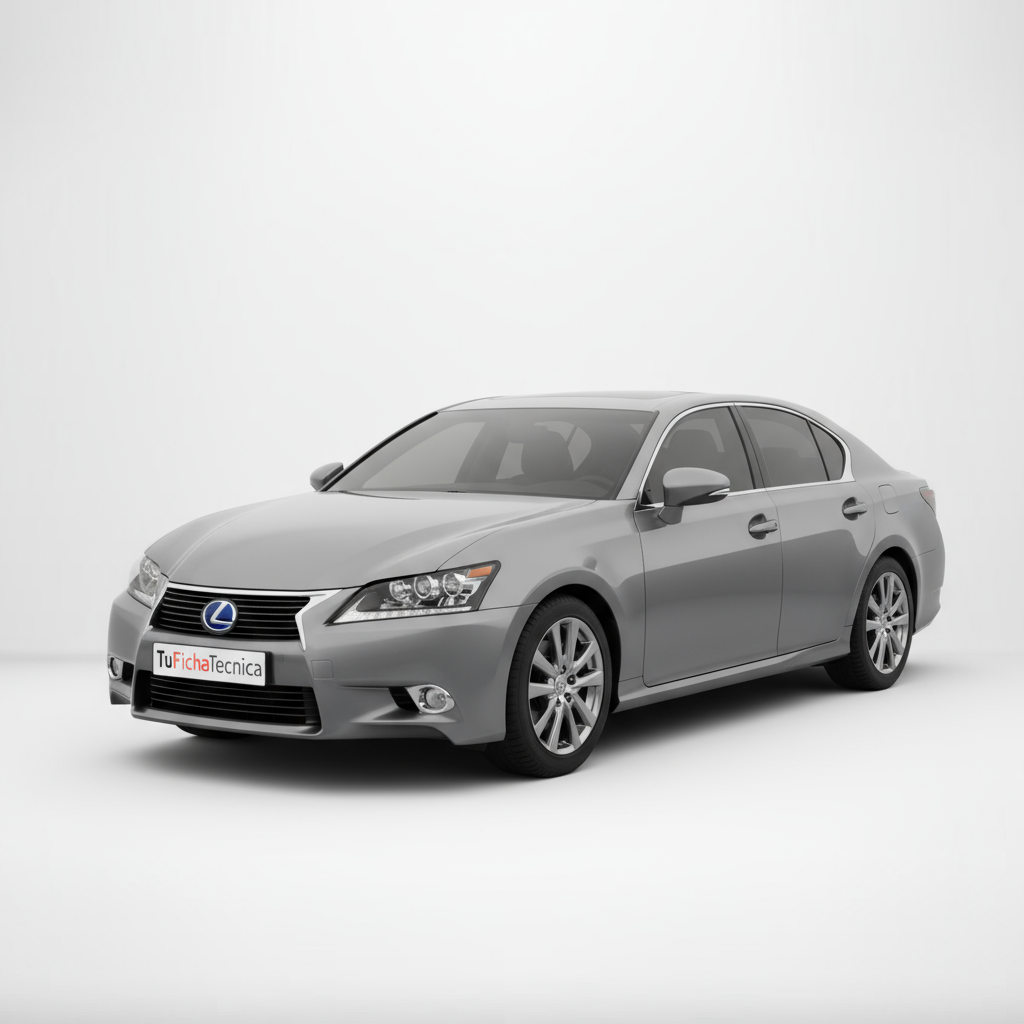
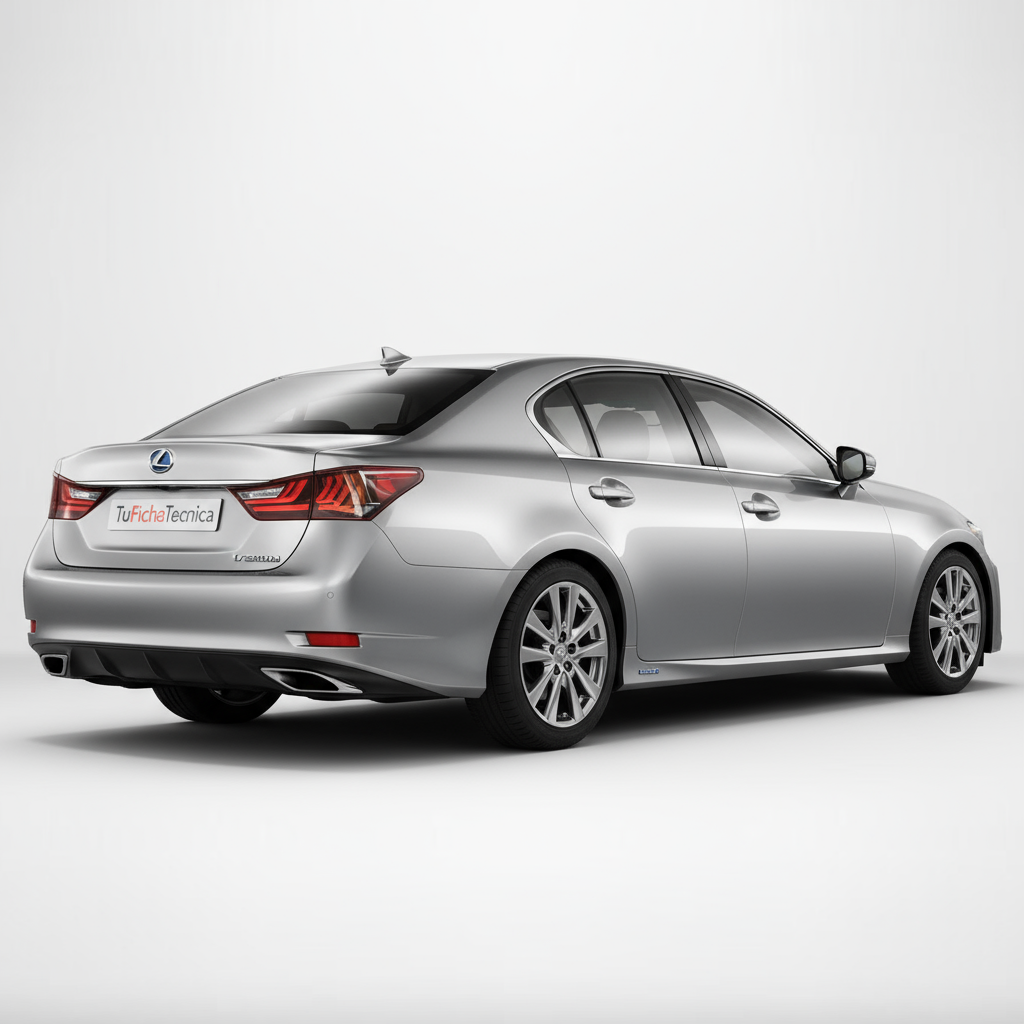
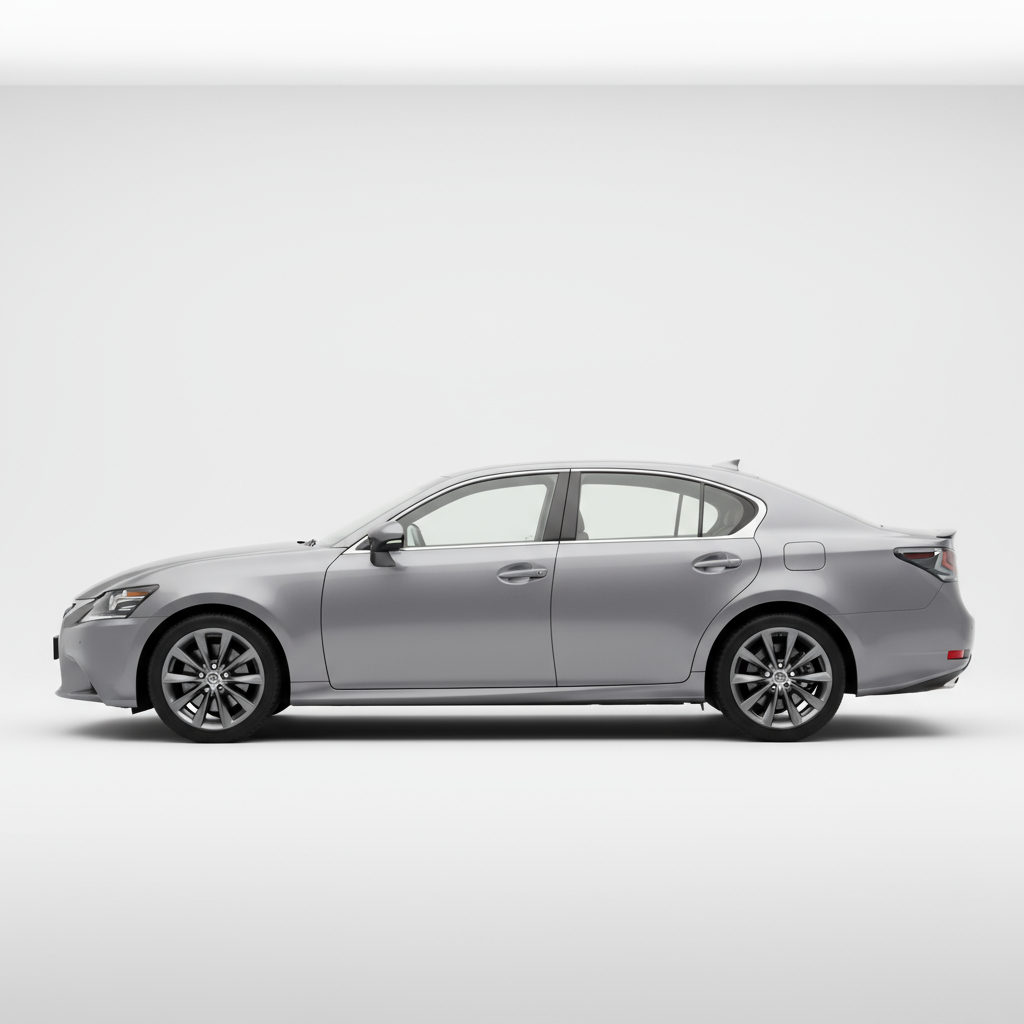
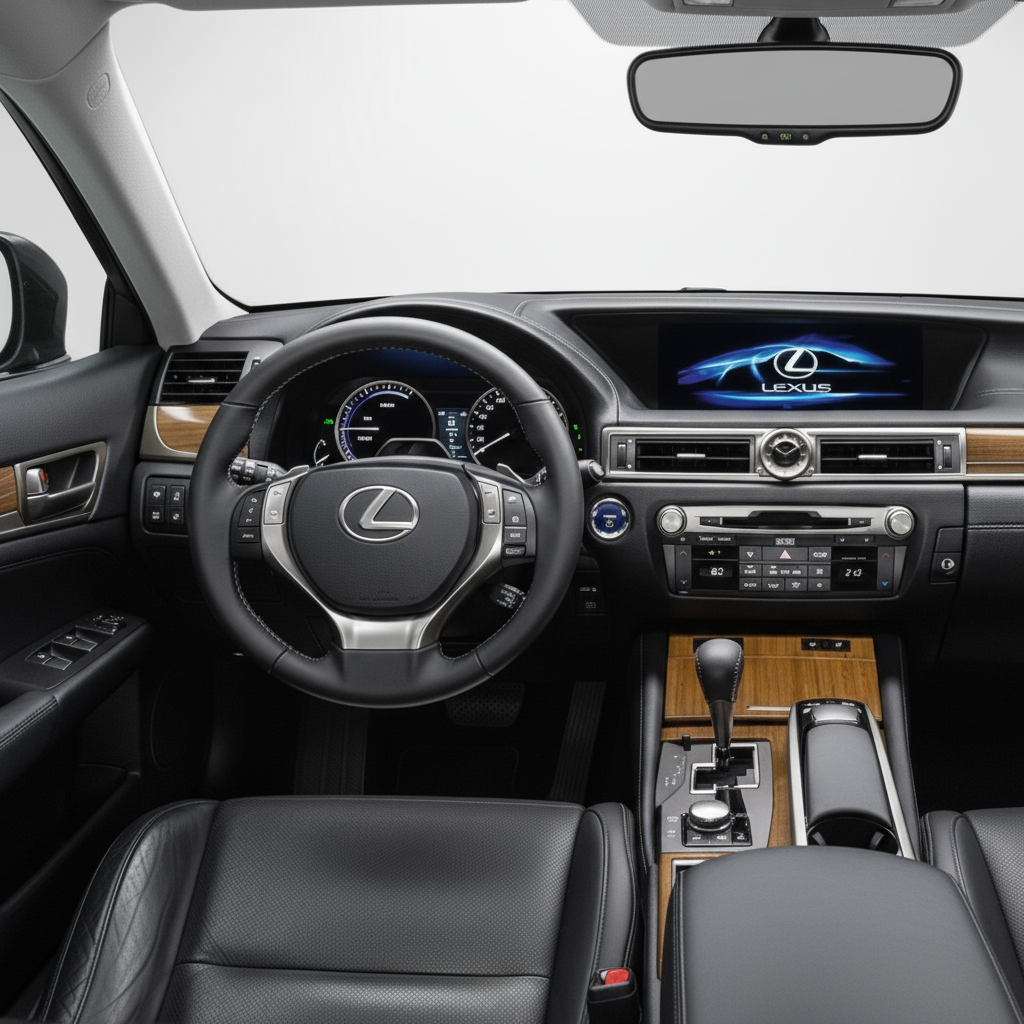
The design of the 2012 Lexus GS 300h Corporate is a statement of intent. Its fluid and elegant lines, with a length of 4850 mm and a width of 1840 mm, give it an imposing and distinguished presence. The characteristic Lexus front grille integrates harmoniously with the sharp headlights, giving it a penetrating gaze. The 18-inch wheels, with 235/45 R18 tires, complement its aesthetic, adding a touch of sportiness without sacrificing elegance. The interior, although not detailed in the data, is expected to follow the brand's line of luxury and quality, with noble materials and exceptional attention to detail. It is a design that seeks timelessness and sophistication, far from ostentation.
Technology and features
The Lexus GS 300h Corporate is a showcase of the brand's hybrid technology. Its propulsion system combines a 2494 cc, 143 hp gasoline engine with an electric motor, offering a combined output of 223 hp. The multi-speed automatic transmission, without a clutch, ensures a smooth and efficient transition between propulsion modes. The battery, located at the rear, is nickel-metal hydride and operates at 650 volts. This technological package allows it to achieve a combined consumption of 4.9 l/100km according to the NEDC cycle and CO2 emissions of 113 g/km, which gives it the DGT ECO label. In addition, it features direct injection and Stop&Start system, maximizing efficiency. The multi-link suspension on both axles and ventilated disc brakes ensure safe and comfortable dynamic behavior.
Competition
In the competitive luxury sedan segment, the Lexus GS 300h Corporate faces heavyweights such as the Mercedes-Benz E-Class, the BMW 5 Series, and the Audi A6. While these German rivals offer a wider range of engines and customization options, the Lexus stands out for its focus on reliability, the smoothness of its hybrid system, and high-quality after-sales service. Its ECO label and lower fuel consumption also position it as an attractive alternative for those who prioritize efficiency and sustainability.
Conclusion
The 2012 Lexus GS 300h Corporate is a sedan that embodies the brand's philosophy: luxury, efficiency, and reliability. Its hybrid powertrain offers a perfect balance between performance and consumption, while its elegant design and refined interior make it an ideal car for those seeking a pleasant and distinguished driving experience. Although not the sportiest in its segment, its comfort and hybrid technology make it stand out as a highly recommended option for daily use and long journeys, offering a solid and differentiated alternative to its European competitors.