
Especificaciones y análisis del Lexus GS
Power
219HP
Torque
294Nm
Consumption
11.6l/100
Emissions
-g/km
0-100 km/h
8.2s
Top Speed
230km/h
Weight
1665kg
Price
52,620€
Technical summary
Gasolina
Automático 5v
RWD
5 / 4 doors
515 L
75 L
161 kW
Current
Technical specifications
Engine
Capacities
Detailed analysis of the Lexus GS 300 · 219 CV (2000-2005)
General description
The 2001 Lexus GS 300 is not just a luxury sedan; it's a statement of intent. In an era dominated by German manufacturers, Lexus broke through with a proposal that redefined comfort and quality, offering an oasis of Japanese serenity and refinement on wheels.
Driving experience
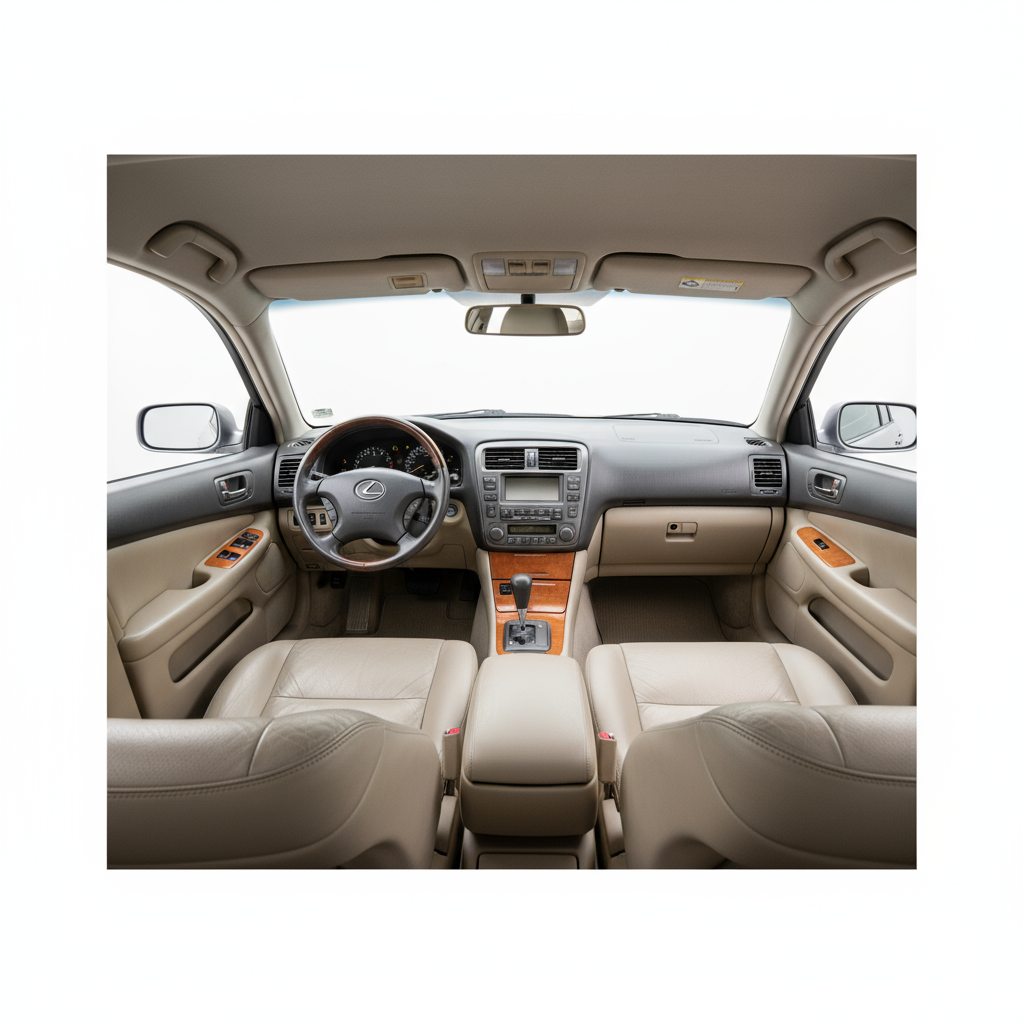
Driving the GS 300 is an experience that caresses the senses. Its 219 hp six-cylinder engine delivers power with exquisite, almost imperceptible smoothness, thanks to an automatic transmission that seems to read your mind. It doesn't seek explosive sportiness, but a constant, serene push that isolates you from the outside world. The rear-wheel drive and superb suspension make it a tireless traveler, devouring miles in a silence and comfort that few cars of its time could match.
Design and aesthetics
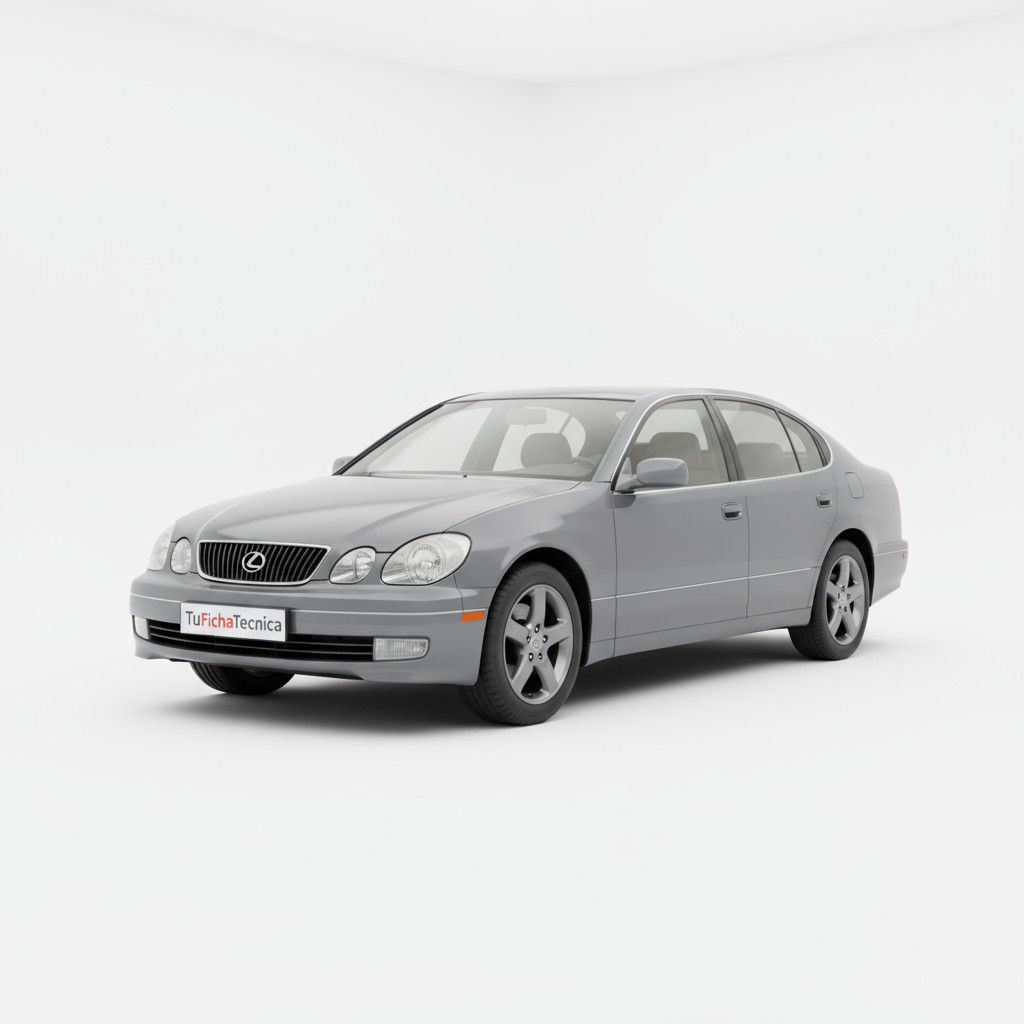
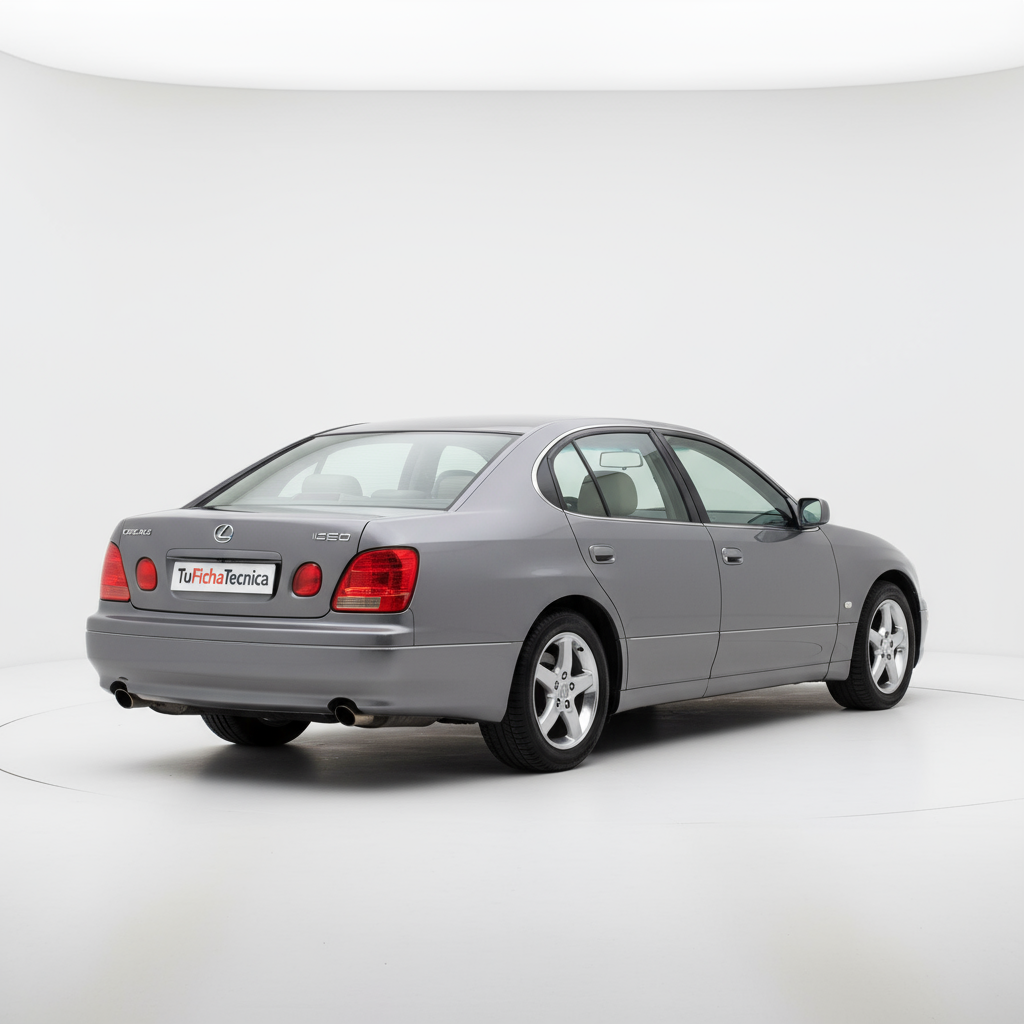
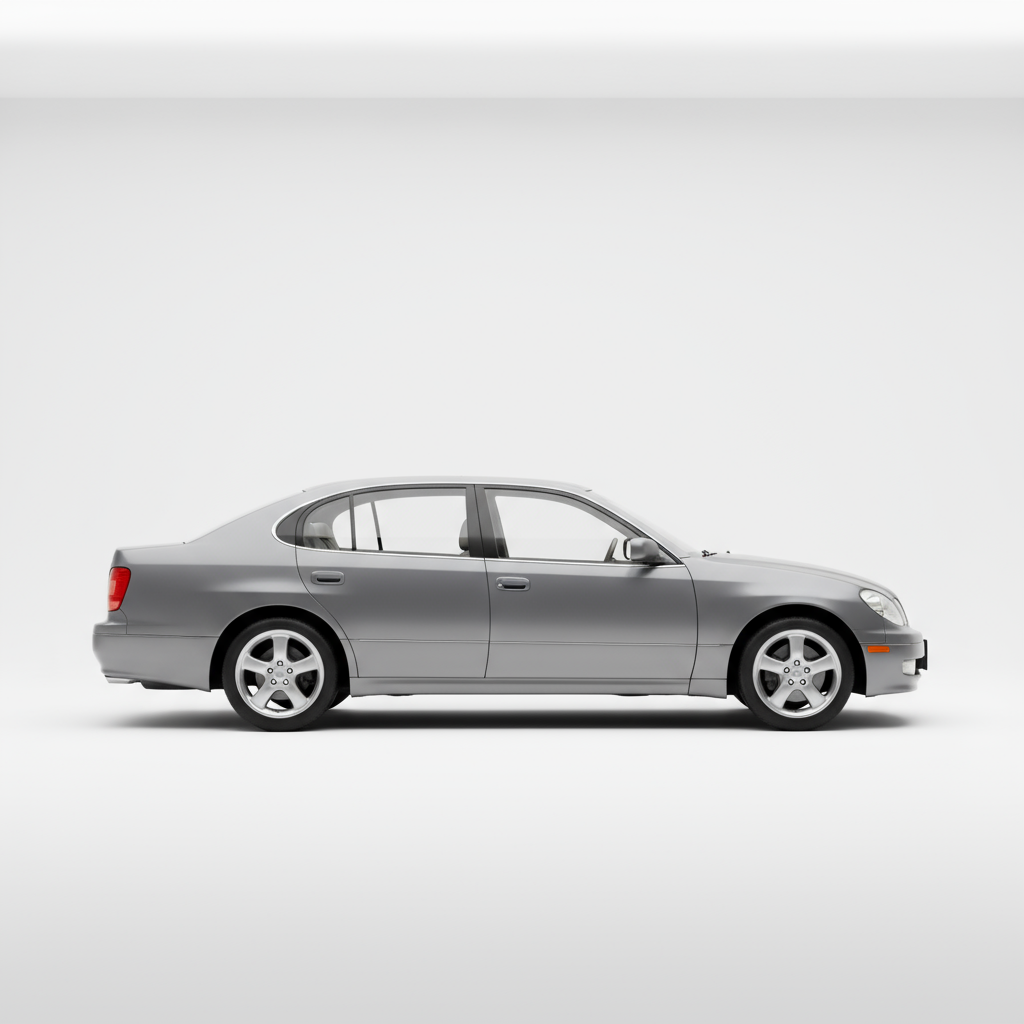
Its design is an ode to discreet elegance. The characteristic four-headlight signature gives it an unmistakable look, while its fluid lines and imposing size of over 4.8 meters project a stately presence on the road. It's a design that has aged with admirable grace, shunning stridency to focus on a timeless and sophisticated beauty.
Technology and features
Although its systems may seem simple today, at the time, the GS 300 was a technological showcase. Beyond its complete luxury equipment, its true feat lay in the engineering of its engine with variable valve timing and a chassis with double-wishbone suspension on both axles. This technology didn't seek headlines, but a clear objective: to achieve maximum ride quality and bulletproof reliability.
Competition
It fearlessly faced the German titans of its segment: the BMW 5 Series, the Mercedes-Benz E-Class, and the Audi A6. While its rivals often focused on sportiness or representation, the Lexus GS 300 offered an irresistible argument: legendary reliability and a level of comfort and silence that created its own standard of luxury.
Conclusion
The Lexus GS 300 is much more than a car; it's a sanctuary. A machine built with almost obsessive attention to detail, designed for those who value peace and quality above all else. It represents the culmination of early-century Japanese luxury, a vehicle that continues to convey a sense of solidity and well-being that endures over the years.