
Especificaciones y análisis del Land Rover Freelander
Power
120HP
Torque
165Nm
Consumption
10.2l/100
Emissions
-g/km
0-100 km/h
11.1s
Top Speed
160km/h
Weight
1380kg
Price
21,485€
Technical summary
Gasolina
Manual 5v
AWD
5 / 3 doors
473 L
59 L
88 kW
Current
Technical specifications
Engine
Capacities
Detailed analysis of the Land Rover Freelander 1.8i 3p · 120 CV (2000)
General description
The 1996 Land Rover Freelander was not just a car; it was a statement of intent. It was born to conquer both the city and the countryside, encapsulating Land Rover's spirit of adventure in a more accessible and youthful format. This 3-door 1.8i is a living memory of an era when compact SUVs began to dream of freedom.
Driving experience
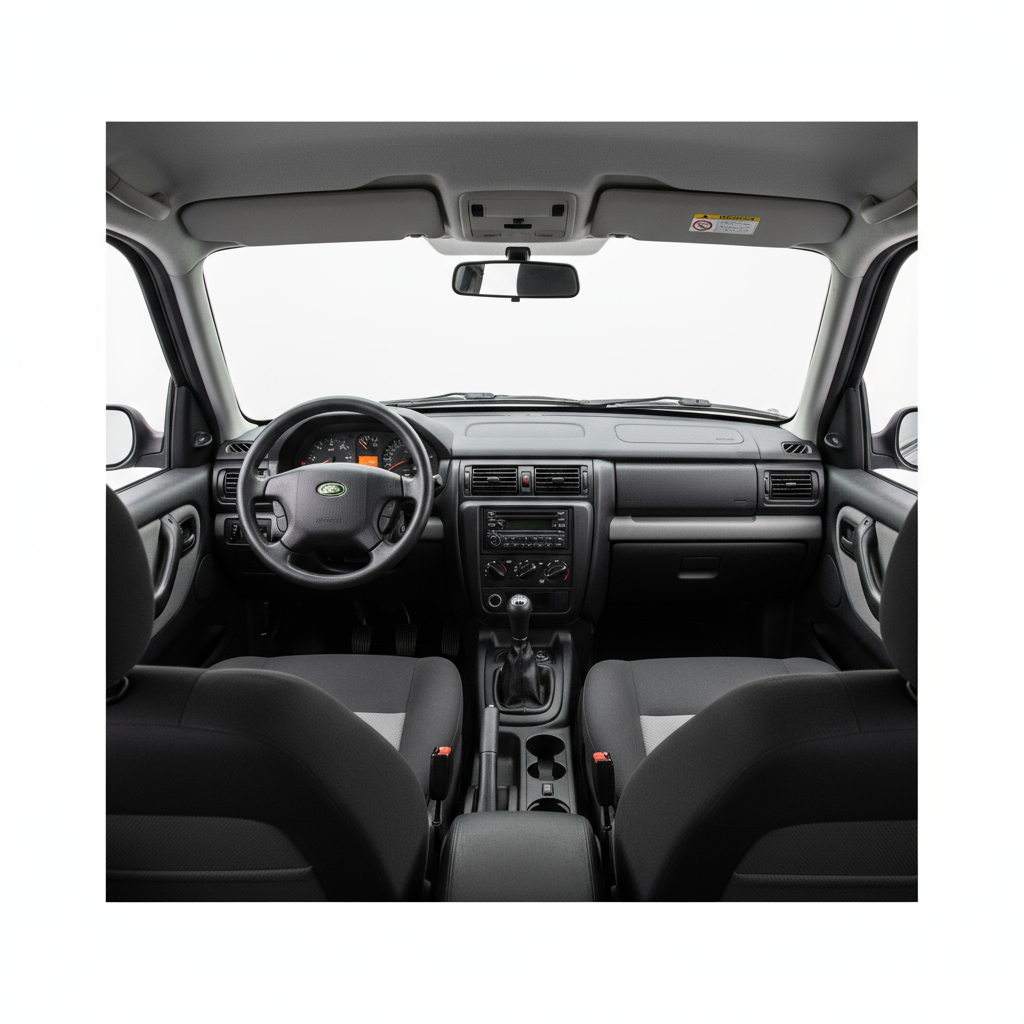
Getting behind the wheel of the Freelander is a nostalgic and authentic experience. Its 120 horsepower, delivered by the 1.8i gasoline engine, feels willing and full of character, managed by a 5-speed manual gearbox that connects you directly to the mechanics. It doesn't seek speed records but aims to convey a sense of security thanks to its permanent all-wheel drive. It's a car that invites you to enjoy the scenery, feeling how its suspension smoothly absorbs both urban asphalt and dirt tracks, reminding you of its off-road heritage at every turn.
Design and aesthetics
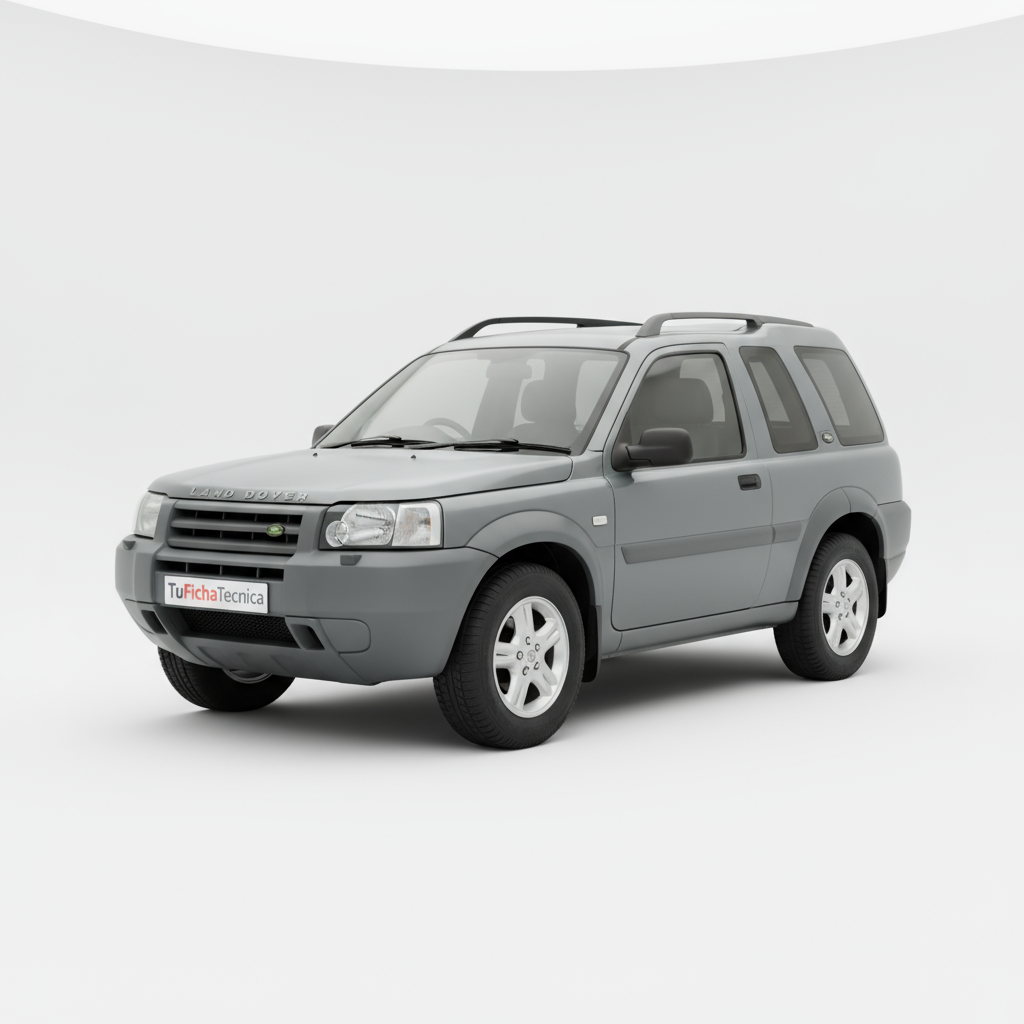
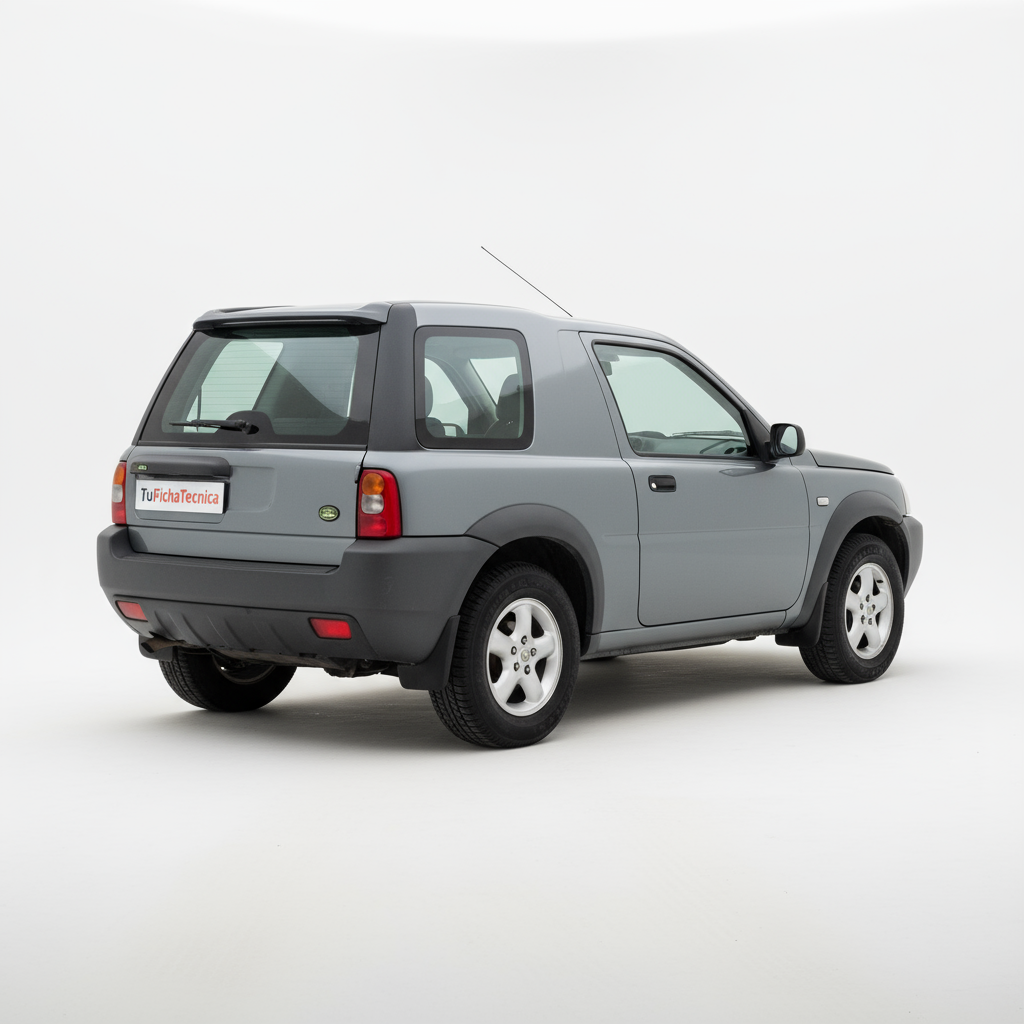
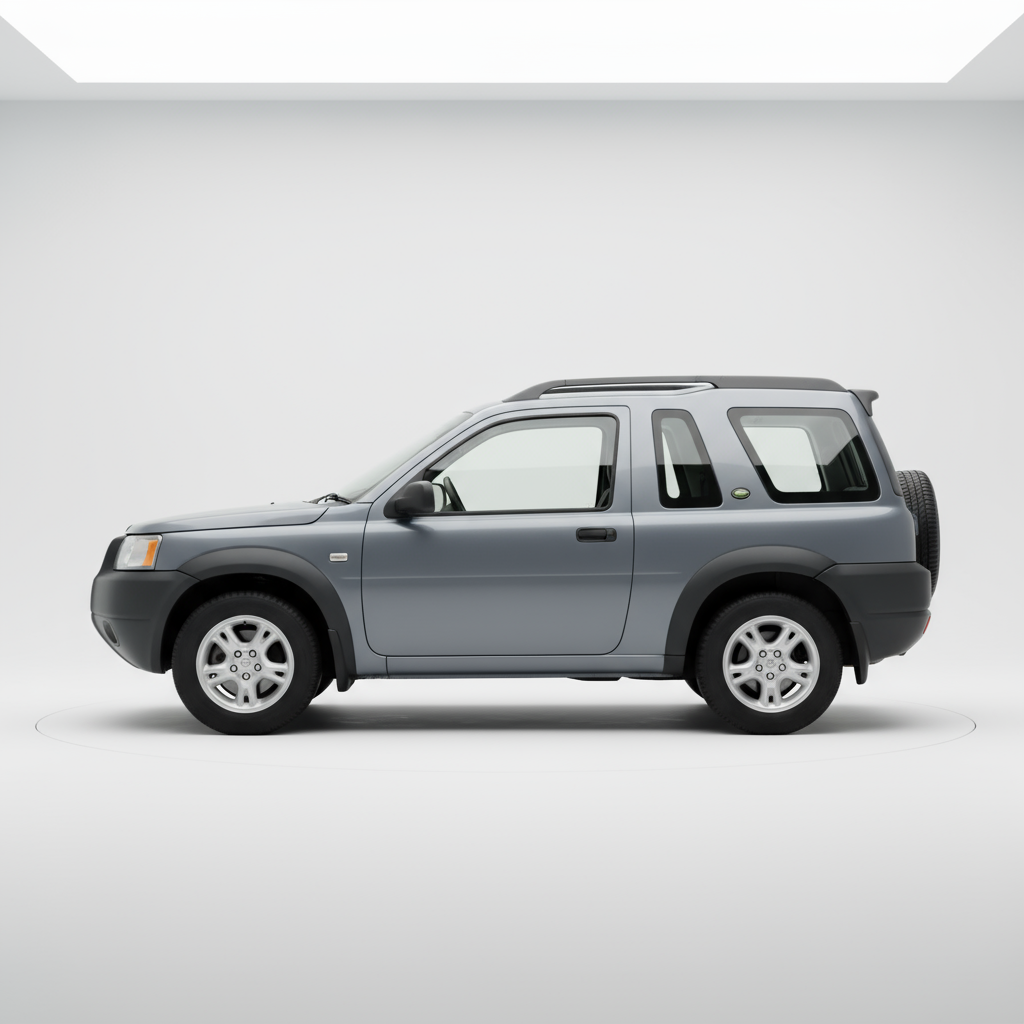
Its design is iconic and timeless. The 3-door body gives it a compact look, almost like an adventurous toy, but with the unmistakable robustness of a Land Rover. Its rounded lines softened the brand's rugged image, creating a friendly and charismatic vehicle that captivated a new generation of drivers. It's a design that evokes weekend getaways and the promise of discovering new horizons.
Technology and features
The Freelander's technology was ingenious for its time. Its heart was a 1.8-liter, 16-valve aluminum engine, a modern solution for the era. However, its real magic lay in the permanent all-wheel-drive system, an innovation that gave it far superior off-road capabilities than its direct competitors. Although its equipment may seem simple to us today, its mechanical concept was a brilliant combination of on-road comfort and off-road prowess.
Competition
In a burgeoning market, the Freelander faced Japanese giants like the Toyota RAV4 and the Honda CR-V. While its rivals focused on a more asphalt-oriented and reliable approach, the little Land Rover played the card of prestige, British design, and, above all, a genuine off-road capability that set it apart. It was the passionate choice, the one with the spirit of adventure engraved in its DNA.
Conclusion
The Land Rover Freelander 1.8i is much more than just a 90s SUV; it's a modern classic with an immense soul. It represents the freedom to choose your own path, whether it's paved or dirt. Despite its well-known reliability challenges, its charisma, design, and the sense of adventure it conveys make it an unforgettable vehicle, a piece of automotive history that still brings smiles and a desire to explore.