
Especificaciones y análisis del Lancia Phedra
Power
120HP
Torque
300Nm
Consumption
6.9l/100
Emissions
182g/km
0-100 km/h
14.4s
Top Speed
180km/h
Weight
1886kg
Price
30,050€
Technical summary
Gasóleo
Manual 6v
FWD
5 / 5 doors
830 L
80 L
88 kW
Current
Technical specifications
Engine
Capacities
Detailed analysis of the Lancia Phedra 2.0 JTD 16V 120 CV Oro (2008-2009)
General description
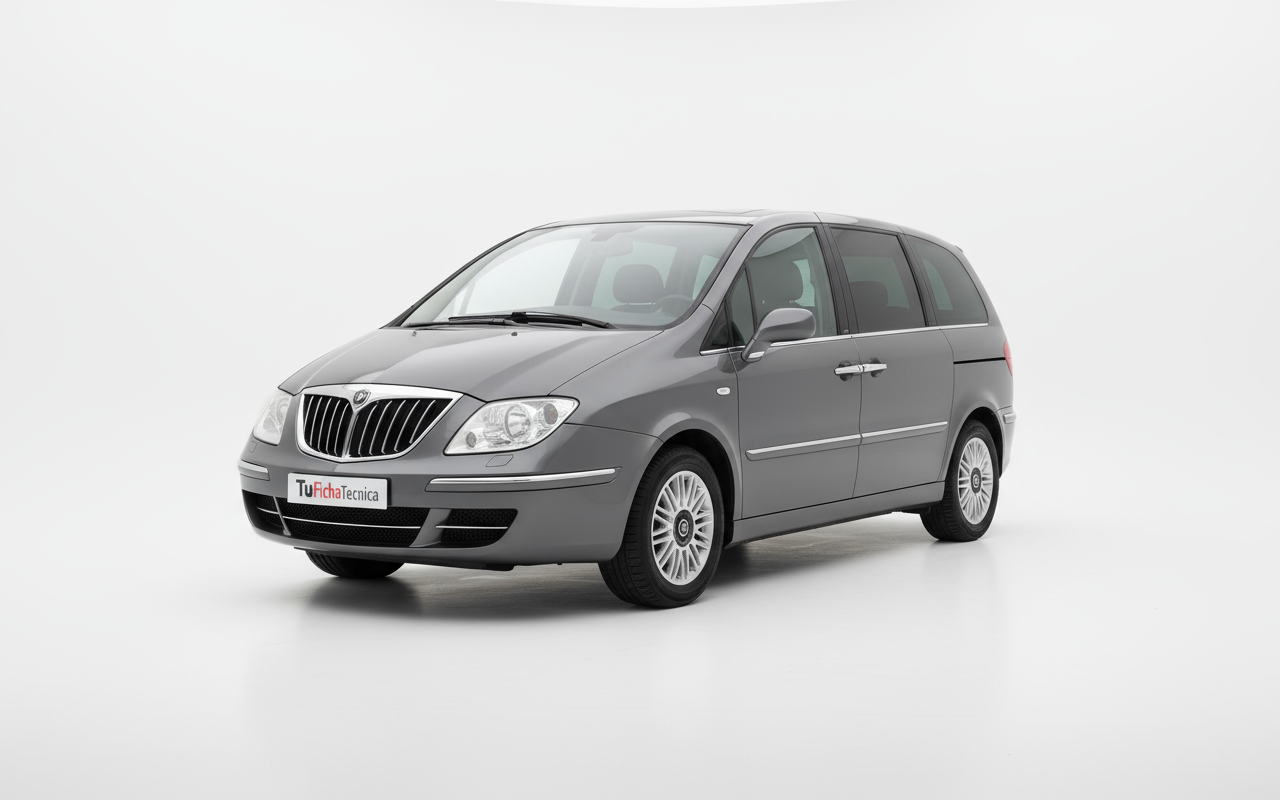
The 2008 Lancia Phedra is not just a minivan; it is the Italian interpretation of family travel. In an era dominated by functionality, Lancia chose to infuse elegance and soul into a spacious vehicle, creating a rolling lounge where every kilometer feels like a premium experience.
Driving experience
Behind the wheel, the Phedra envelops you in an atmosphere of calm and comfort. Its 120 hp diesel engine, while not aiming for sporty feats, delivers its 300 Nm of torque smoothly, ideal for cruising on the highway with absolute serenity. The suspension masterfully filters out imperfections, and the high driving position conveys a sense of command and safety. It's not a car for racing; it's a car for enjoying the scenery and company, a mile-eater that will never tire you.
Design and aesthetics
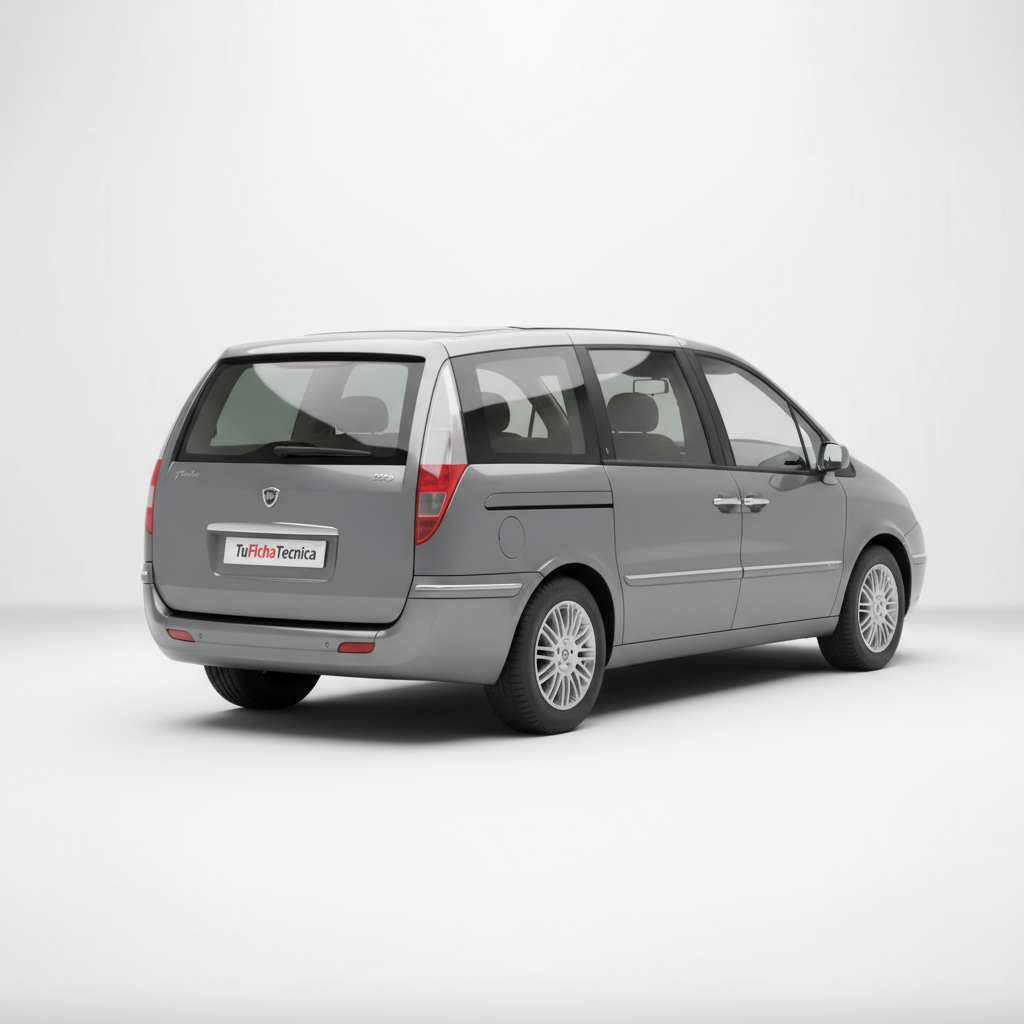
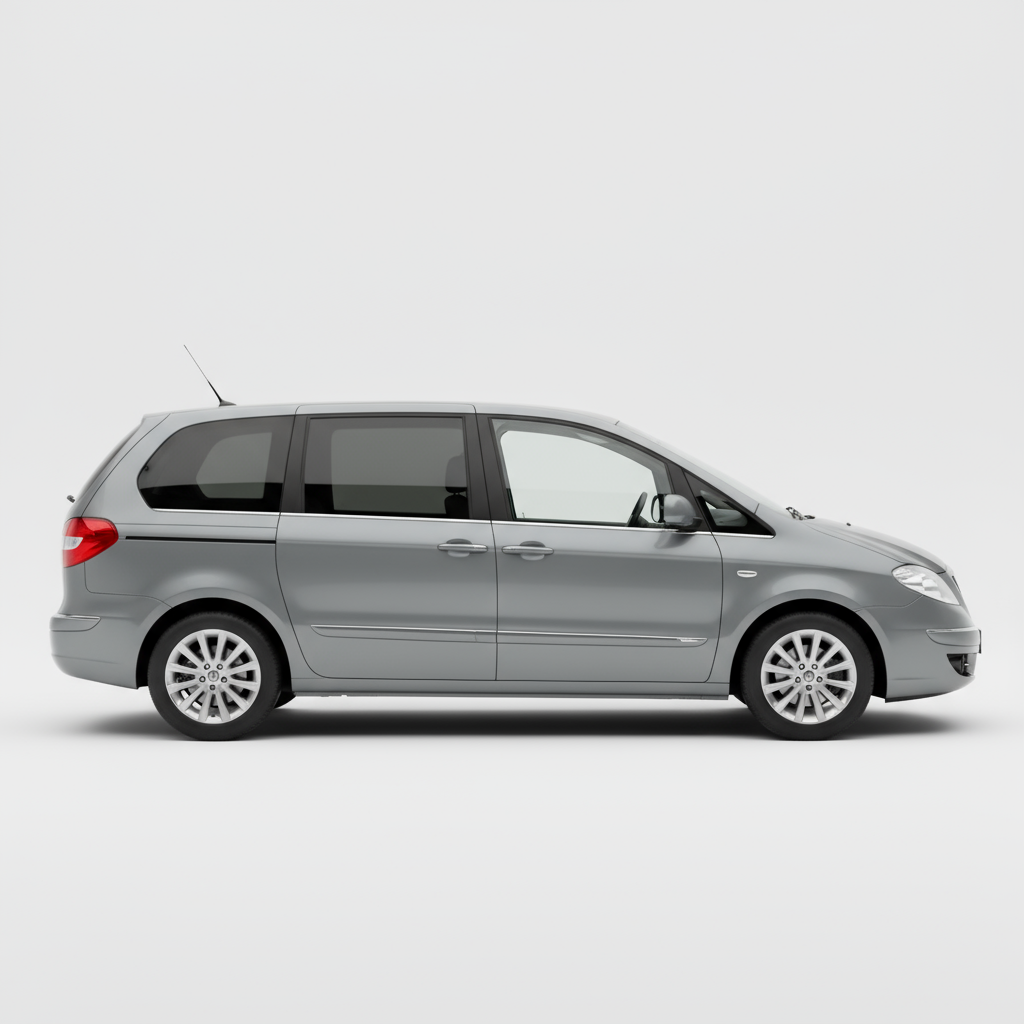
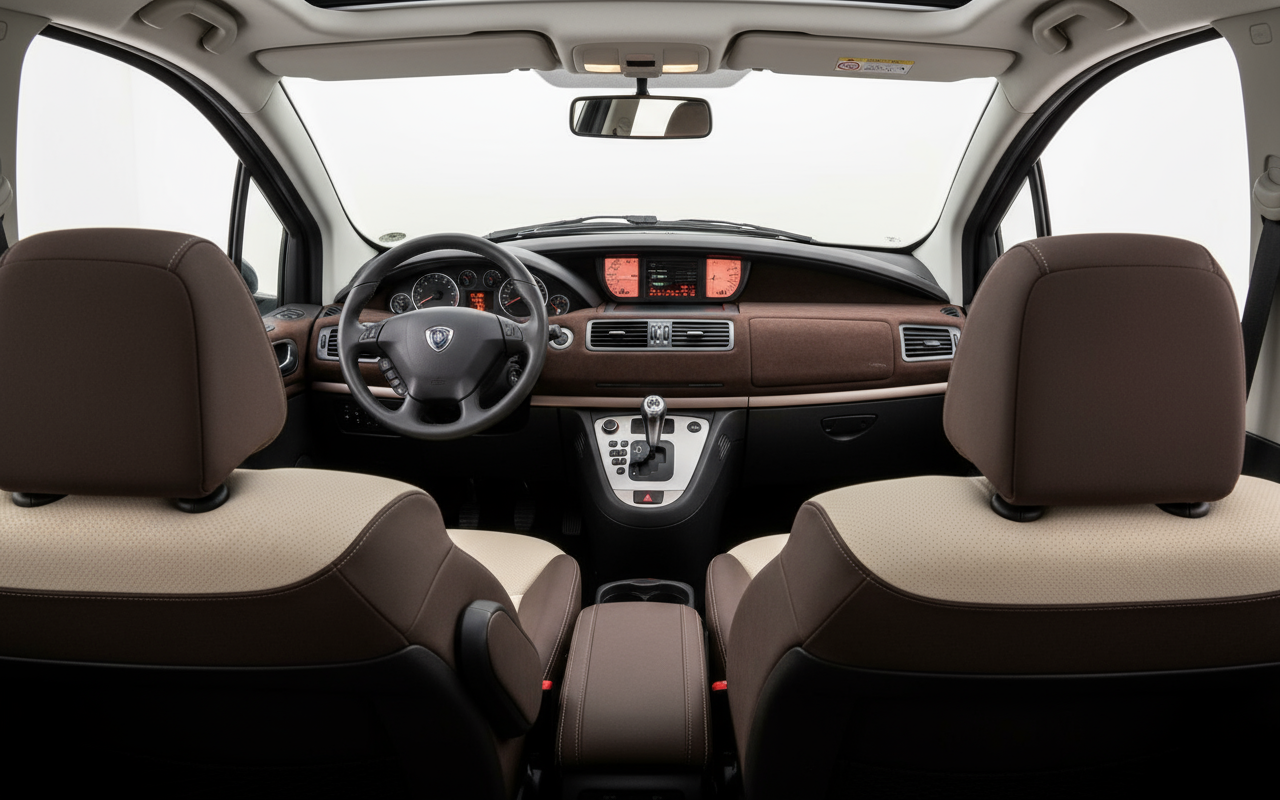
This is where the Phedra proudly sets itself apart. It shares a platform, but not a spirit. Its front end, with the iconic Lancia grille, and its meticulous finishes give it an aristocratic distinction. Inside, the space is monumental, an ode to roominess and light. The materials, for their time, aimed to convey a warmth and luxury that brought it closer to an executive sedan than a conventional family vehicle.
Technology and features
The Phedra's technology was at the service of comfort. Its central instrumentation, characteristic of the era, cleared the driver's field of vision, creating a unique sense of spaciousness. Although we can't compare it to current systems, it offered everything necessary for a pleasant and safe journey, from an effective climate control system to the active and passive safety features expected in its segment, always prioritizing the well-being of its occupants.
Competition
Its most direct rivals were its own project siblings: the Peugeot 807, the Citroën C8, and the Fiat Ulysse. However, the Phedra always played in a slightly higher league in terms of refinement. Beyond its family, it faced established giants like the Renault Espace, the Ford Galaxy, or the Volkswagen Sharan, against which the Lancia wielded the powerful argument of Italian design and exclusivity.
Conclusion
The Lancia Phedra is an emotional choice in a rational segment. It is the minivan for those who value beauty and comfort above all else. It represents a way of understanding the family car that has been lost, one that prioritizes elegance and the pleasure of traveling. Today, it is a future classic that evokes an era when even the most practical car could have a heart full of passion.