
Especificaciones y análisis del Lancia Phedra
Power
128HP
Torque
314Nm
Consumption
7.3l/100
Emissions
199g/km
0-100 km/h
12.6s
Top Speed
180km/h
Weight
1858kg
Price
34,105€
Technical summary
Gasóleo
Manual 6v
FWD
5 / 5 doors
324 L
80 L
94 kW
Current
Technical specifications
Engine
Capacities
Detailed analysis of the Lancia Phedra 2.2 16V JTD Emblema 6 vel. · 128 CV (2004-2006)
General description
The 2003 Lancia Phedra emerges as a statement of intent, a minivan that refuses to be just a practical vehicle. Born from the collaboration between Fiat and PSA, Lancia infused its soul, creating a rolling space where Italian luxury and family functionality go hand in hand, promising journeys that go beyond mere transportation.
Driving experience
Behind the wheel, the Phedra seeks serenity, not adrenaline. Its 128 hp 2.2 JTD engine, with a generous 314 Nm of torque, moves the vehicle with commendable smoothness and capability. It is a natural mile-eater, where the sixth gear and its huge 80-liter tank invite you to get lost on the horizon. The suspension prioritizes comfort, filtering out imperfections and turning every journey into a relaxed and pleasant experience, like traveling in a rolling lounge.
Design and aesthetics
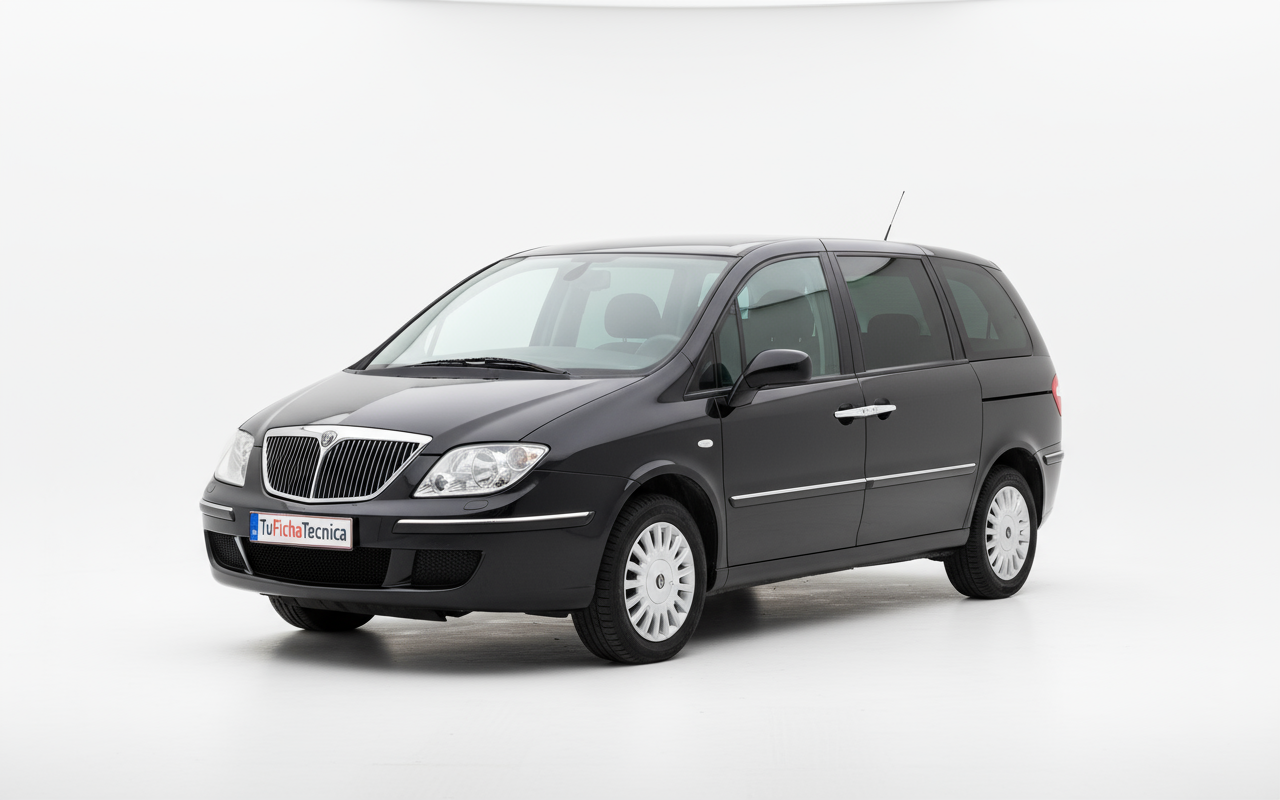
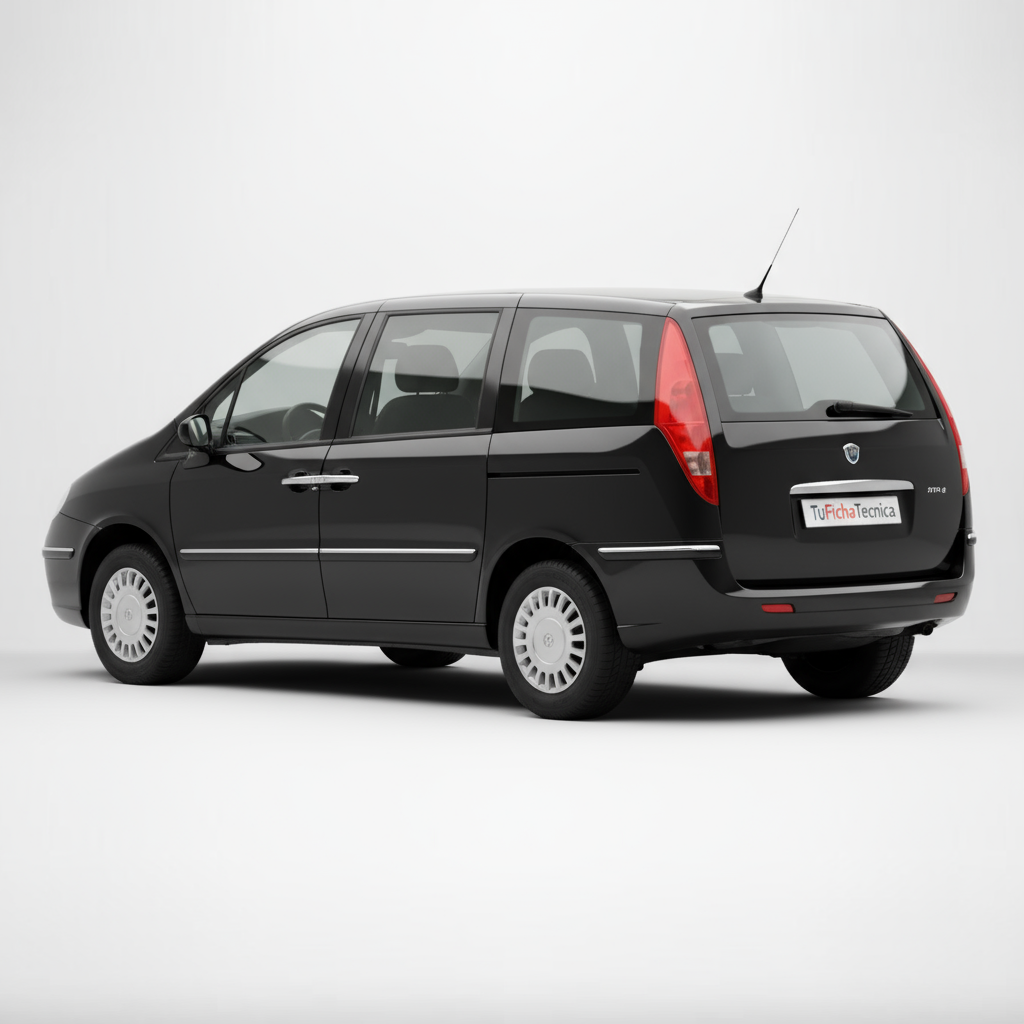
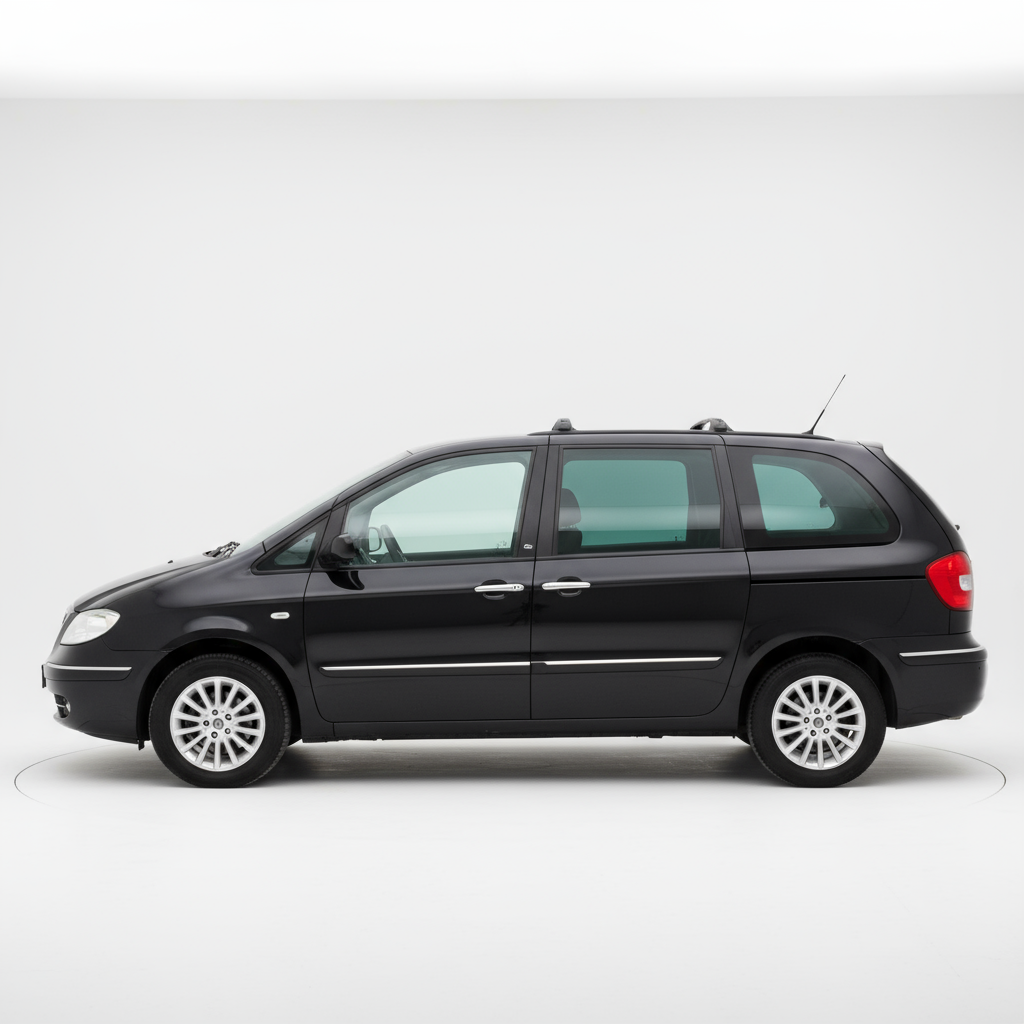
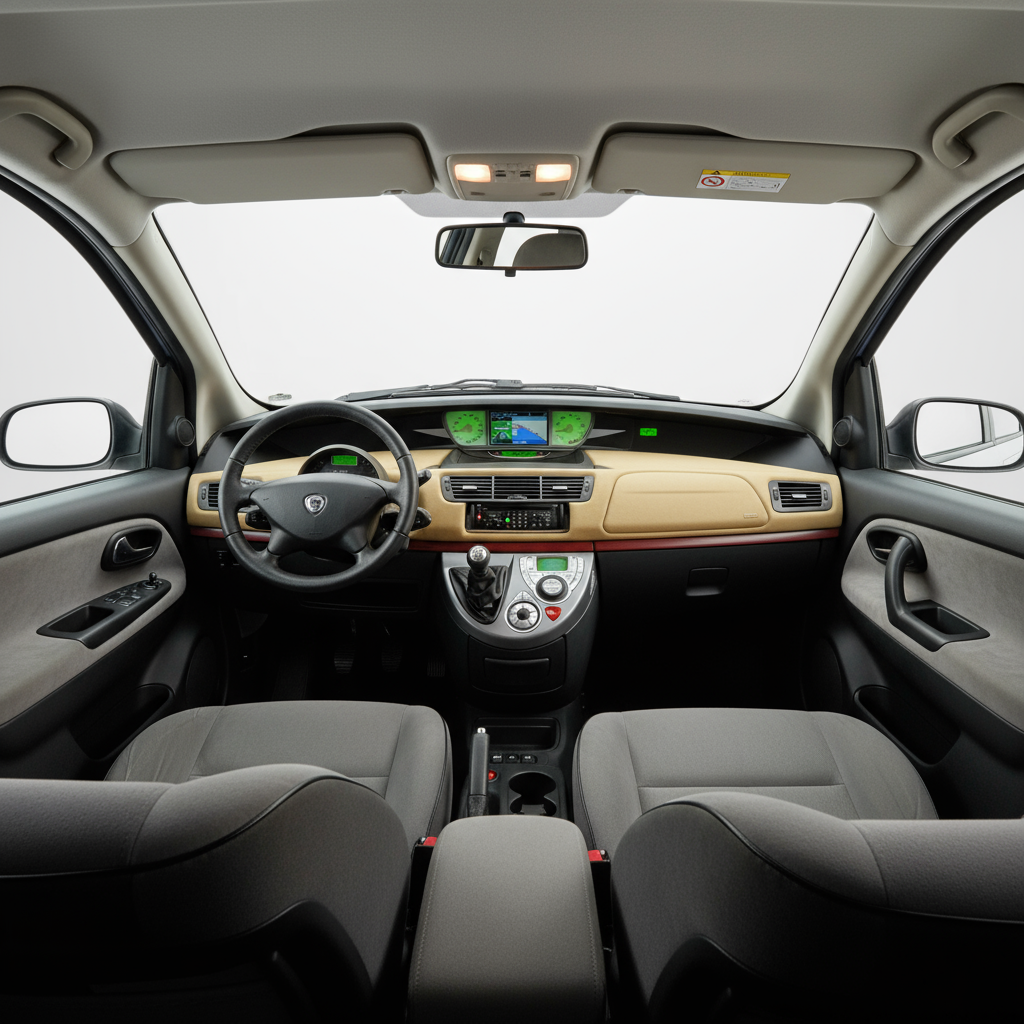
Visually, the Phedra distinguishes itself with an innate elegance. Its front, dominated by the Lancia grille, and its fluid lines set it apart from the purely functional aesthetics of its rivals. But it is inside where the magic happens: a cabin bathed in light, with noble materials like Alcantara, and a uniquely designed dashboard with central instrumentation, creating an atmosphere of sophistication and spaciousness that envelops the occupants.
Technology and features
For its time, the Phedra offered remarkable equipment. The common-rail direct-injection diesel engine was an advanced technology that ensured good performance and contained fuel consumption. On board, features like electric side doors, multi-zone climate control, or optional navigation systems sought to maximize comfort and convenience, while a comprehensive safety package looked after the protection of the whole family.
Competition
Its most direct competitors are its own platform siblings: the Peugeot 807, the Citroën C8, and the Fiat Ulysse, with which it shared a structure but not a spirit. The Phedra always played in a slightly higher league in terms of finishes and perception of luxury. Beyond them, it faced segment giants like the Renault Espace, the Ford Galaxy, or the Volkswagen Sharan, against which the Lancia opposed its unmistakable Italian style and refinement.
Conclusion
The Lancia Phedra was more than a minivan; it was a manifesto on wheels that demonstrated that a family car does not have to give up style or the pleasure of traveling. It represents a unique option for those seeking space and versatility without sacrificing elegance and comfort. It is a modern classic that appeals to emotion, a luxury refuge for family adventure.