
Especificaciones y análisis del Lancia Phedra
Power
128HP
Torque
314Nm
Consumption
7.3l/100
Emissions
-g/km
0-100 km/h
12.6s
Top Speed
180km/h
Weight
1858kg
Price
29,505€
Technical summary
Gasóleo
Manual 6v
FWD
5 / 5 doors
324 L
80 L
94 kW
Current
Technical specifications
Engine
Capacities
Detailed analysis of the Lancia Phedra 2.2 16V JTD 6 vel. · 128 CV (2004-2006)
General description
The Lancia Phedra is the embodiment of first-class travel for the whole family. Born in 2003, this minivan not only offered generous space but wrapped it in an aura of purely Italian elegance and distinction, turning every journey into a memorable experience.
Driving experience
Behind the wheel, the Phedra conveys a sense of command and serenity. Its 128 HP 2.2 JTD diesel engine, with a generous torque of 314 Nm, moves the vehicle with surprising smoothness, without harshness. It doesn't aim for sportiness, but for absolute comfort on long highway trips, where its poise and quiet cabin make you feel as if you're floating on the asphalt.
Design and aesthetics
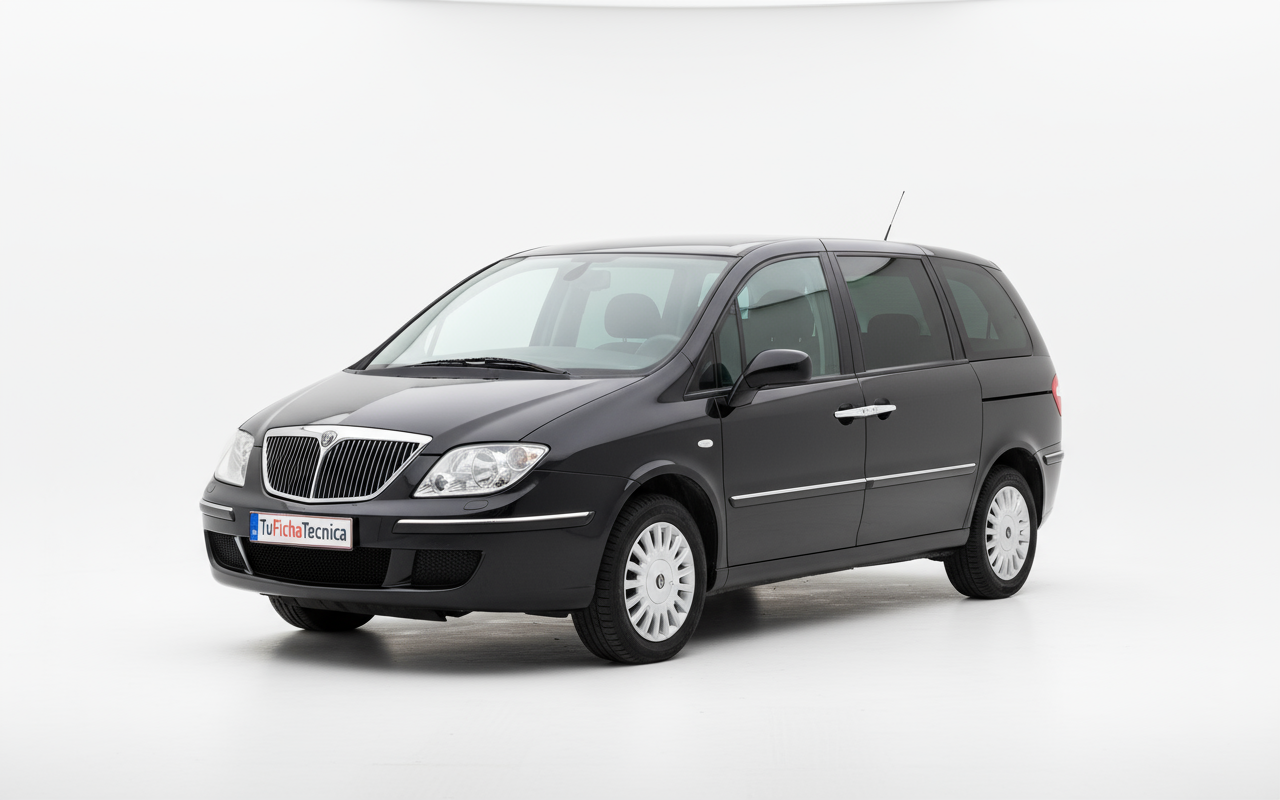
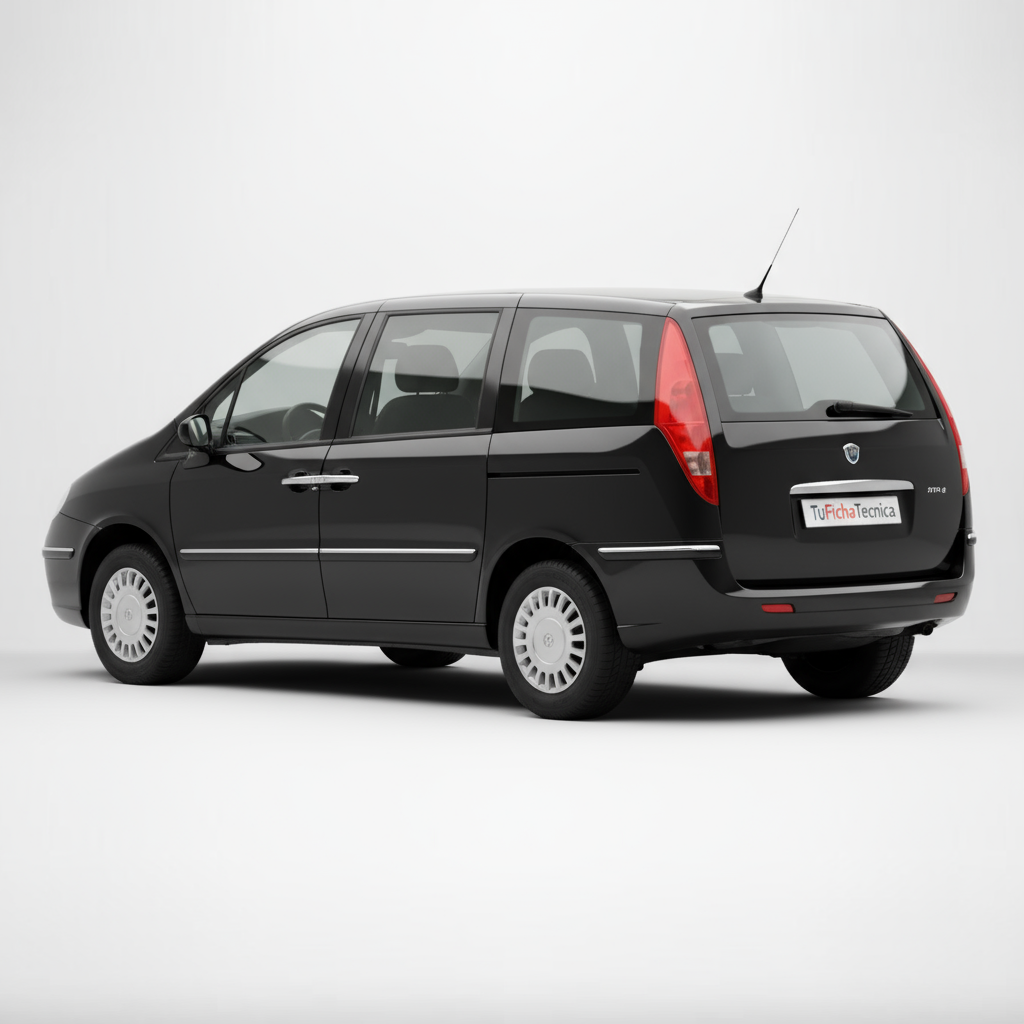
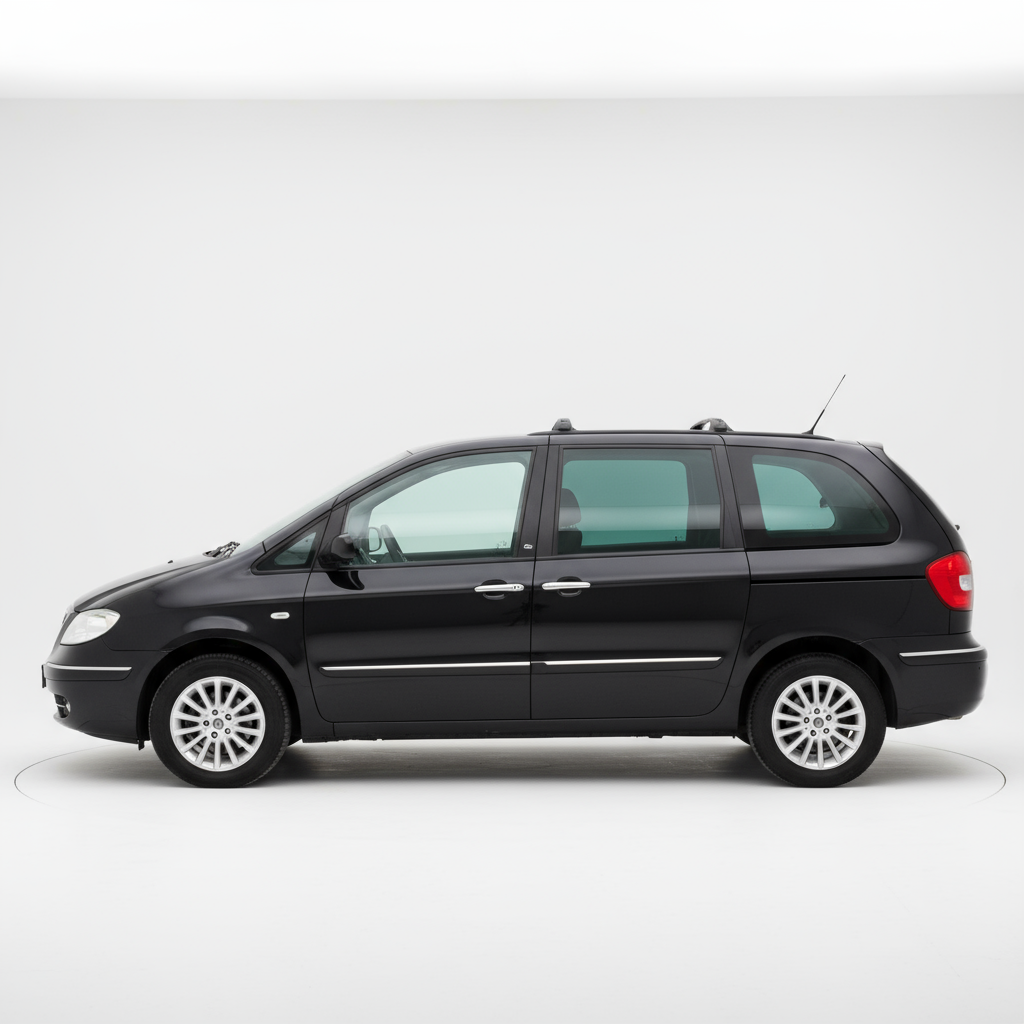
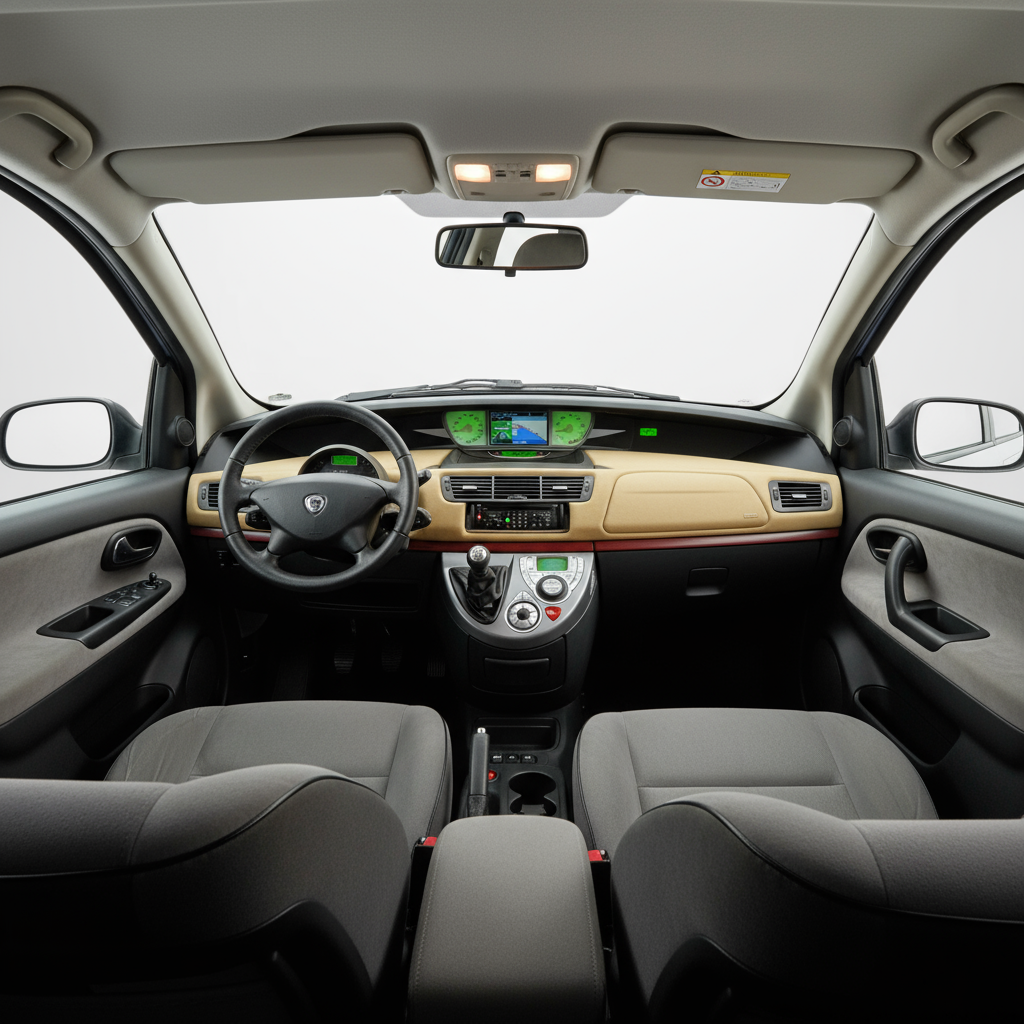
Its design is an ode to good taste. Although it shares a platform with its PSA and Fiat siblings, the Phedra stands out with an imposing grille and chrome details that scream 'Lancia'. Inside, it's a rolling lounge: the central instrumentation frees up the field of vision, and the materials, for its time, evoke a luxury that few minivans could offer. It's a space designed to be enjoyed, not just occupied.
Technology and features
The Phedra's technology was at the service of comfort. Its common-rail direct-injection engine was a refined piece of engineering for its time, seeking efficiency and linear power delivery. On board, elements like the multi-zone climate control or the optional navigation system created an advanced atmosphere, while the electric sliding doors were a touch of magic and practicality that families fell in love with.
Competition
In a competitive market, the Phedra faced its own siblings, the Peugeot 807 and Citroën C8, as well as the Fiat Ulysse. Outside its family, it competed with giants like the Renault Espace, Ford Galaxy, or Volkswagen Sharan. However, the Lancia always played in its own league, that of those seeking an extra touch of exclusivity and Italian design.
Conclusion
The Lancia Phedra was not just a practical vehicle; it was a statement of intent. It represented Lancia's audacity in bringing luxury and comfort to a family segment, proving that functionality doesn't have to be at odds with beauty and the pleasure of travel. A car with a soul, for those who understand the journey as part of the destination.