
Especificaciones y análisis del Lancia Phedra
Power
128HP
Torque
314Nm
Consumption
7.4l/100
Emissions
-g/km
0-100 km/h
12.6s
Top Speed
182km/h
Weight
1858kg
Price
36,140€
Technical summary
Gasóleo
Manual 5v
FWD
7 / 5 doors
324 L
80 L
94 kW
Current
Technical specifications
Engine
Capacities
Detailed analysis of the Lancia Phedra 2.2 16V JTD Emblema · 128 CV (2002-2005)
General description
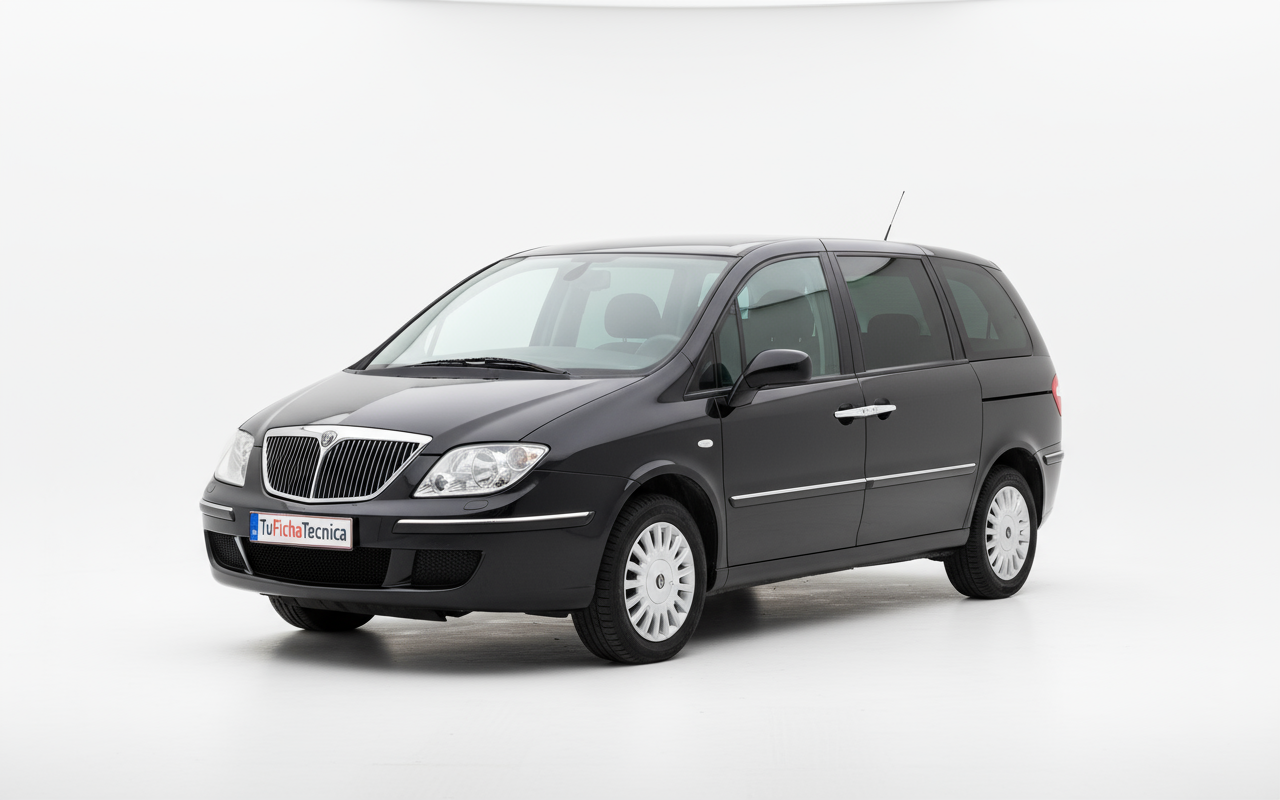
The 2003 Lancia Phedra was not just any minivan; it was the Italian interpretation of luxury and family comfort. Born from the Eurovan project, this vehicle set itself apart from its siblings with its own soul, promising to turn every journey into a sophisticated and pleasant experience, enveloping its occupants in an atmosphere of distinction unique in its segment.
Driving experience
Behind the wheel, the Phedra conveys a sense of serene power. Its 128-horsepower JTD diesel engine, with a generous 314 Nm of torque from low revs, doesn't seek acceleration records but aims to offer a smooth and relaxed ride. It's a natural mile-eater, where the comfort of its suspension and the quietness of the cabin invite you to travel without haste, enjoying the scenery and company. Driving is an ode to calm, a refuge from daily stress.
Design and aesthetics
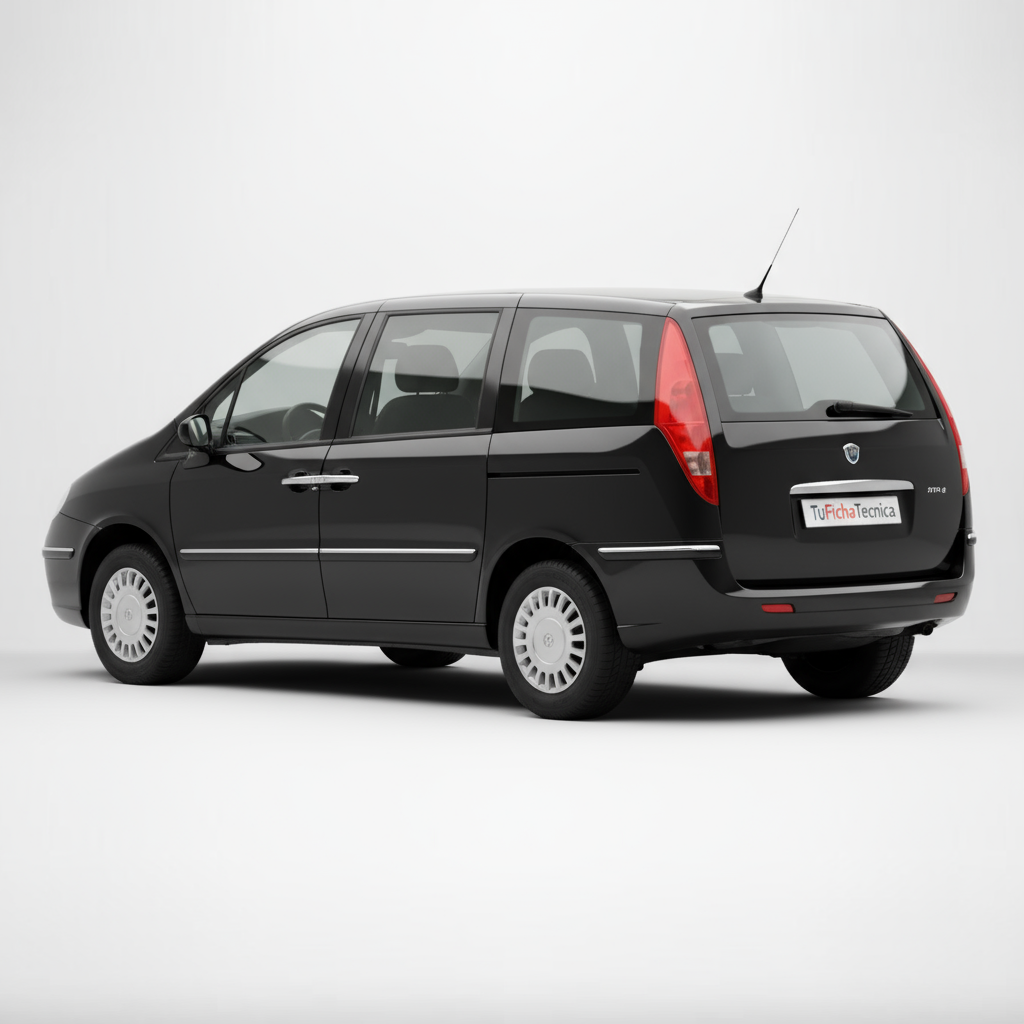
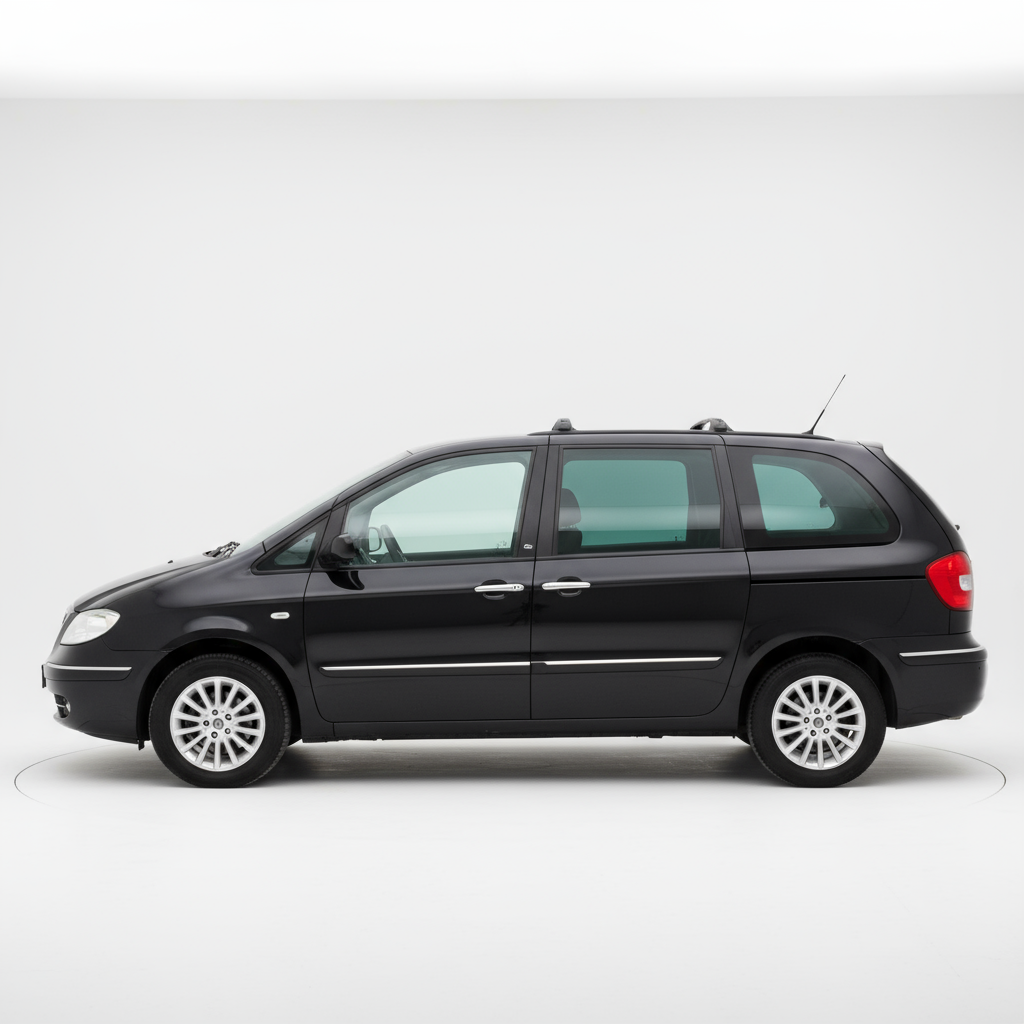
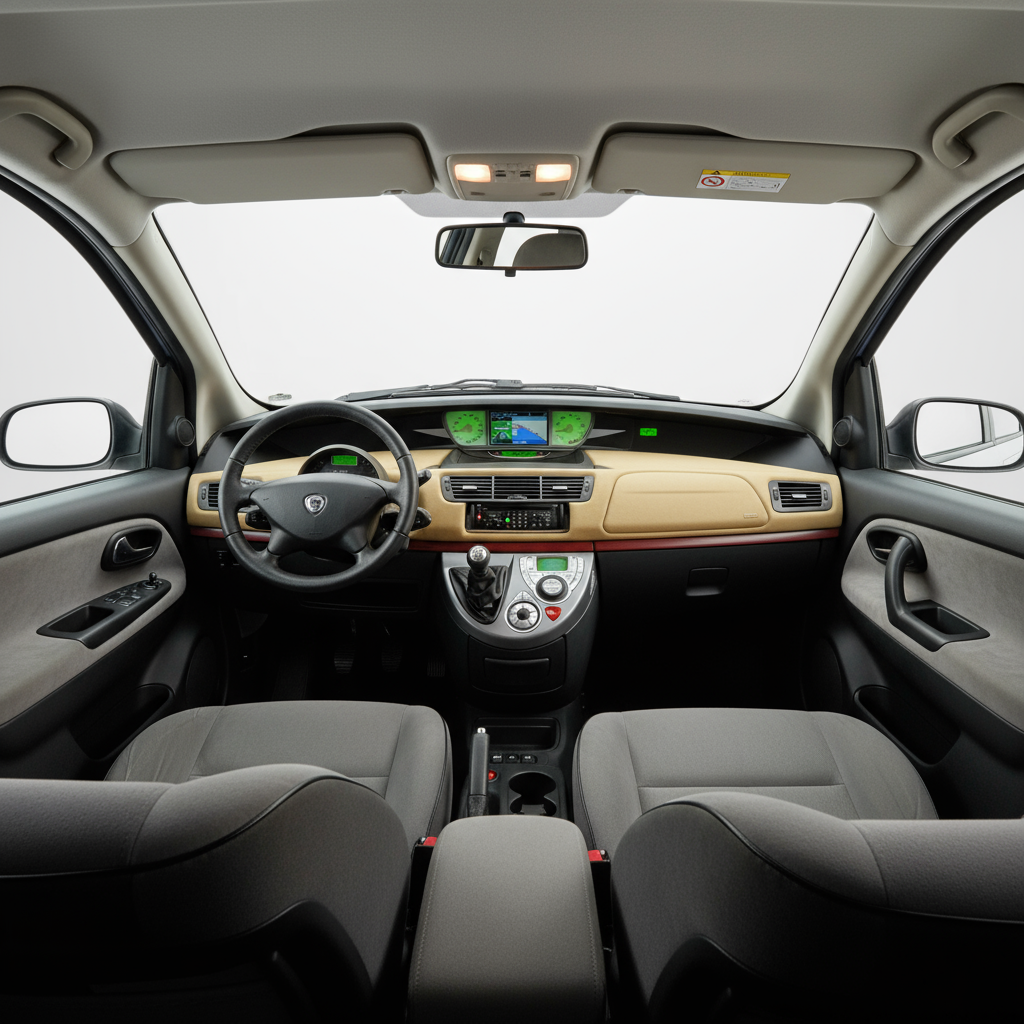
The design is its calling card and its greatest emotional virtue. The imposing Lancia grille and its elegant rear lights give it an aristocratic personality. Inside, the Emblema trim immerses you in a rolling lounge, with high-quality materials for its time and a cleverly distributed space for seven passengers. Every detail, from the central instrumentation to the upholstery, was designed to create an atmosphere of exclusivity and well-being.
Technology and features
For its time, the Phedra Emblema was a technological showcase. It featured elements that are common today but made a difference in 2003, such as electric side doors, an advanced climate control system, or a comprehensive on-board computer. The common-rail direct injection engine represented a modern, efficient, and relatively quiet mechanic, proving that family functionality was not at odds with innovation.
Competition
In a market dominated by practical minivans like the Renault Espace or the Volkswagen Sharan, the Phedra played in a different league. Its most direct rivals were its own relatives, the Peugeot 807 and the Citroën C8, but the Lancia always positioned itself a step above in luxury and distinction. Its real competition was indifference; it fought to win over families who were not just looking for space, but also a lifestyle.
Conclusion
The Lancia Phedra 2.2 JTD is a car with a heart, a statement of intent. It is the choice for those who value Italian elegance and the pleasure of traveling above sportiness or the latest fashion. More than just a means of transport, it was conceived as a space to live and share experiences, leaving an indelible memory of comfort and style in the minds of those who enjoyed it.