
Especificaciones y análisis del Lancia Phedra
Power
128HP
Torque
314Nm
Consumption
7.4l/100
Emissions
-g/km
0-100 km/h
12.6s
Top Speed
182km/h
Weight
1858kg
Price
33,300€
Technical summary
Gasóleo
Manual 5v
FWD
7 / 5 doors
324 L
80 L
94 kW
Current
Technical specifications
Engine
Capacities
Detailed analysis of the Lancia Phedra 2.2 16V JTD Executive · 128 CV (2002-2004)
General description
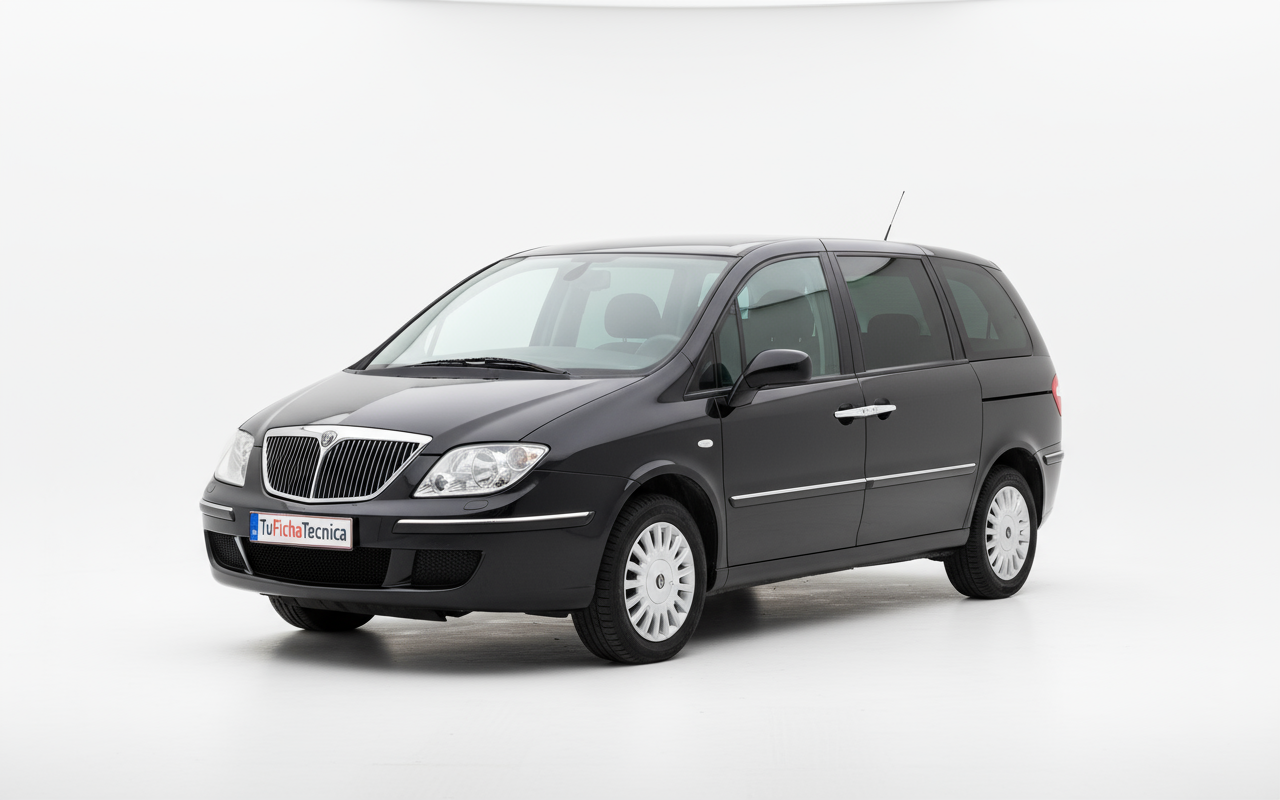
The Lancia Phedra is not just any minivan; it is the Italian interpretation of luxury and comfort for family travel. Born from a European collaboration, the Phedra stood out as the most distinguished and elegant option, a rolling lounge designed to devour kilometers with unmistakable class.
Driving experience
Behind the wheel, the Phedra conveys a sense of command and serenity. Its 128-horsepower JTD engine, rich in low-end torque, moves the vehicle with quiet competence, without sporting pretensions. It is a vehicle designed for comfort, where the suspension filters out road imperfections and the cabin insulates you from the outside world. Every journey becomes a relaxed experience, an invitation to enjoy the scenery and company.
Design and aesthetics
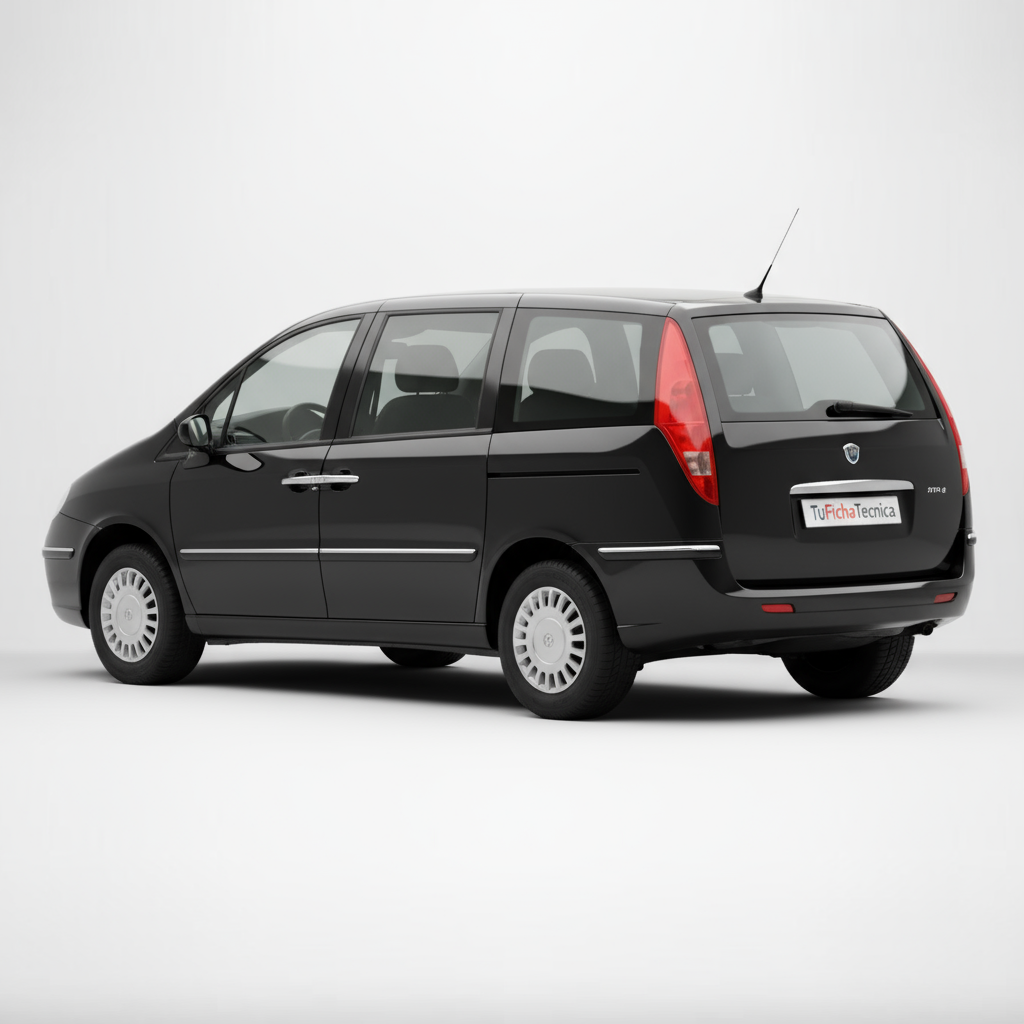
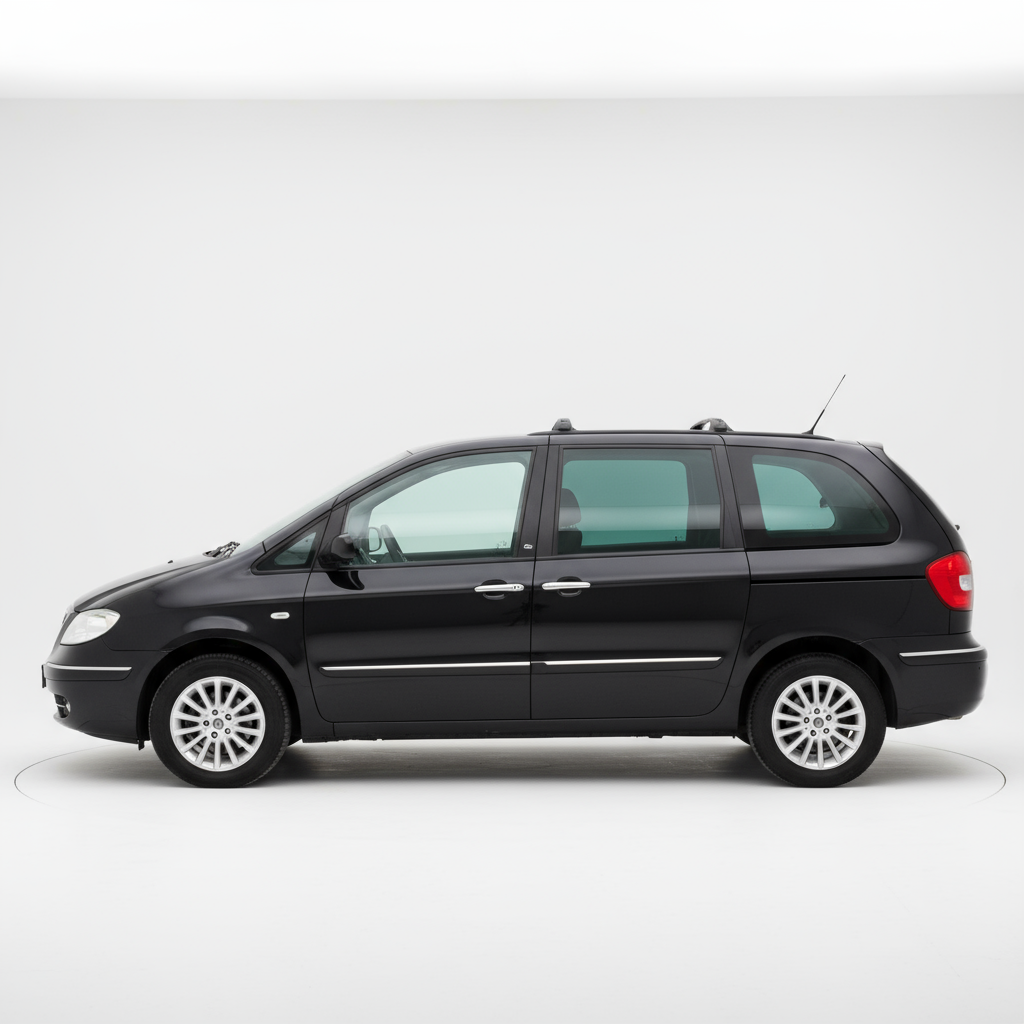
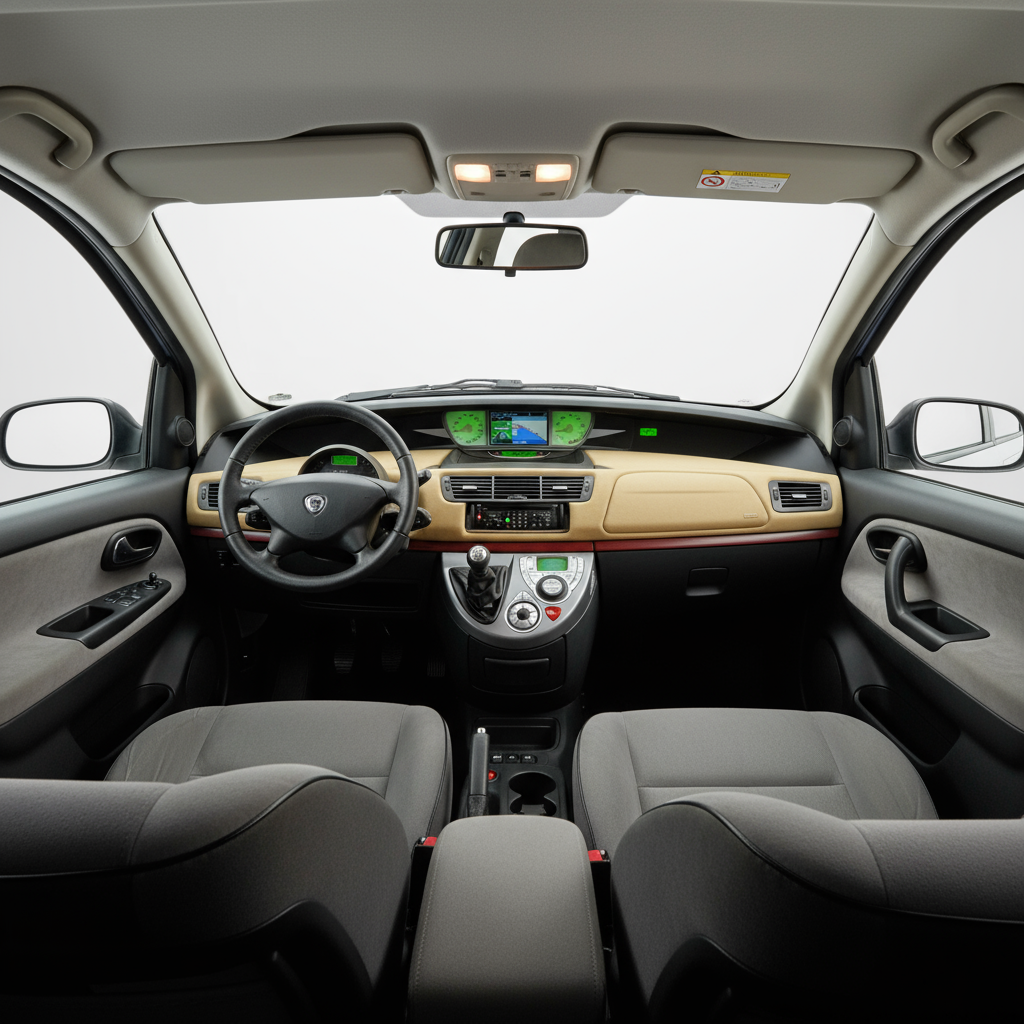
The Phedra's design is an ode to functionality with a touch of Italian elegance. While its silhouette meets the space requirements of a large minivan, details like its imposing chrome grille and refined headlights give it a unique personality. But it is inside where Lancia's magic is unleashed, with noble materials like Alcantara, a symmetrically and avant-garde designed dashboard, and an atmosphere that welcomes you like the best of hosts.
Technology and features
For its time, the Phedra was a technological showcase. Beyond its modern common-rail diesel engine, it offered solutions designed to make life on board easier and safer. The electric side doors were almost magical for accessing the rear seats, and its digitized central instrument cluster provided a futuristic feel. It was a car that cared for its occupants with advanced safety and comfort equipment.
Competition
Its most direct rivals were its own project siblings: the Peugeot 807, Citroën C8, and Fiat Ulysse. However, the Phedra played in a slightly higher league in terms of finishes and perceived luxury. Outside its family, it faced segment giants like the Renault Espace, the Ford Galaxy/VW Sharan trio, and the Chrysler Voyager, against which it competed by offering an unmistakably Latin soul and style.
Conclusion
The Lancia Phedra was proof that a family vehicle can also be an object of desire. It represents a way of understanding the automobile where space and practicality are not at odds with style and the pleasure of traveling. It is a car for those who seek more than just a means of transport; it is a statement of intent, a haven of comfort and elegance for the whole family.