
Especificaciones y análisis del Lancia Phedra
Power
107HP
Torque
270Nm
Consumption
8l/100
Emissions
210g/km
0-100 km/h
16.6s
Top Speed
168km/h
Weight
1858kg
Price
32,520€
Technical summary
Gasóleo
Automático 5v
FWD
5 / 5 doors
324 L
80 L
79 kW
Current
Technical specifications
Engine
Capacities
Detailed analysis of the Lancia Phedra 2.0 JTD 16V CAE Executive · 107 CV (2004-2007)
General description
The Lancia Phedra is more than a minivan; it is the materialization of family travel conceived as an experience of luxury and comfort. Born in 2003, this Italian vehicle stood out from its competitors by offering a generous space wrapped in an elegance and refinement distinctive of Lancia, turning every journey into an unforgettable memory.
Driving experience
Behind the wheel of the Phedra, the rush fades away. Its 2.0 JTD engine with 107 HP, although modest in numbers, delivers its torque smoothly from low revs, ideal for a quiet and relaxed cruise on the highway. The automatic transmission and a suspension oriented towards absolute comfort filter out road imperfections, creating an atmosphere of serenity and safety. It doesn't seek the thrill of speed, but the pleasure of a pleasant and smooth journey.
Design and aesthetics
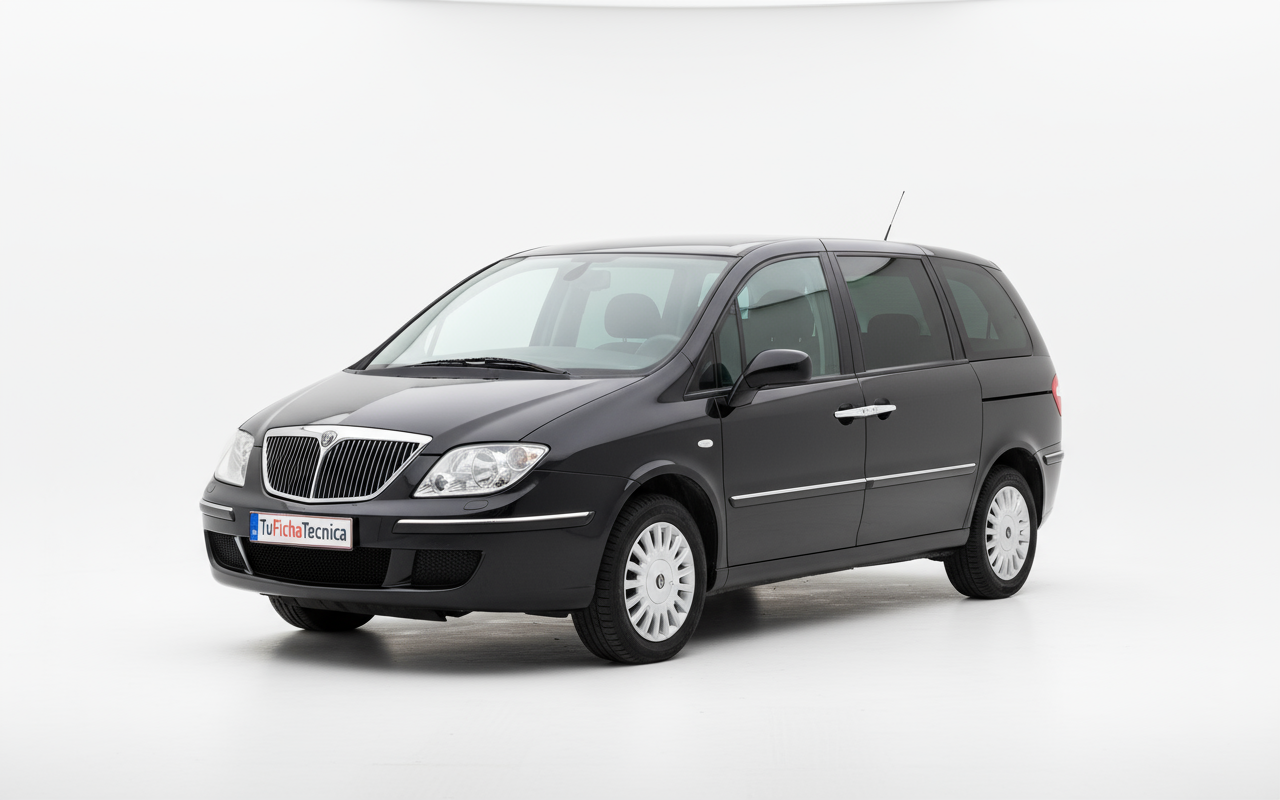
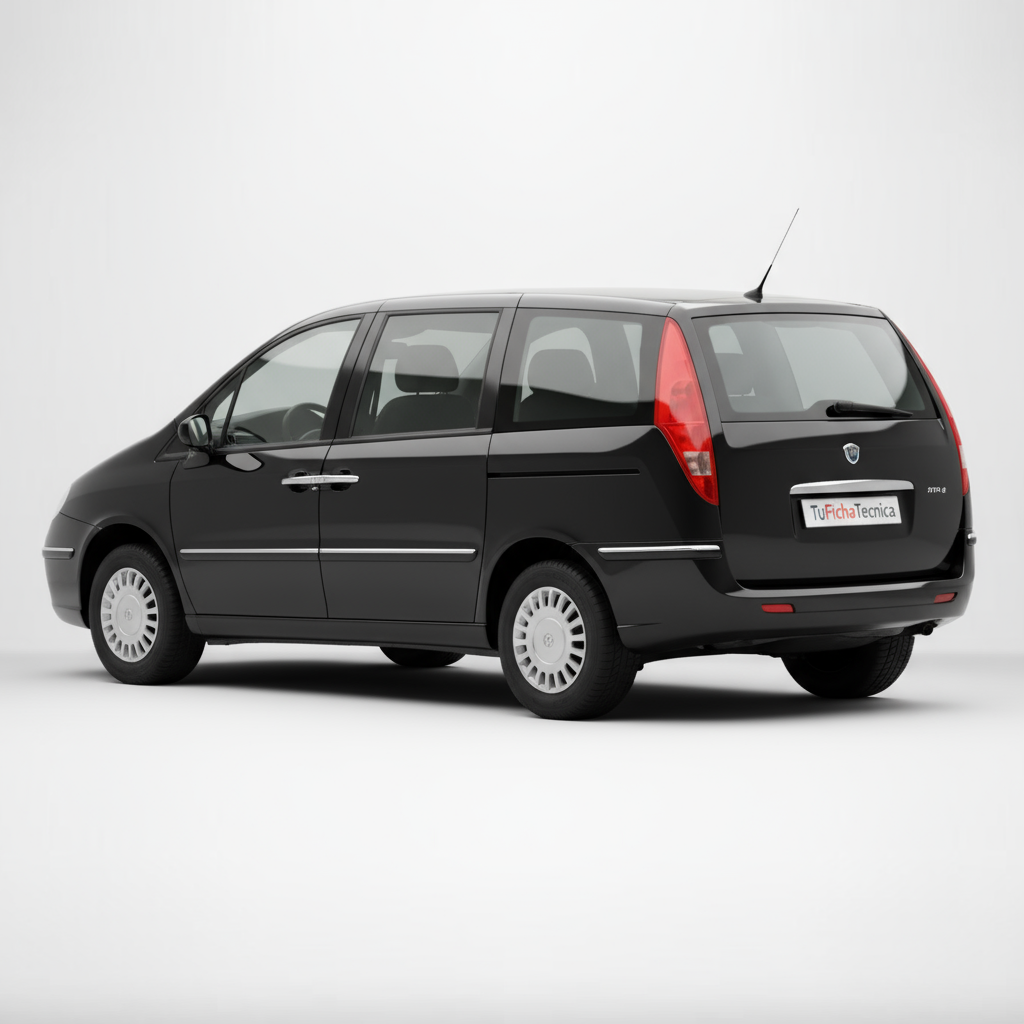
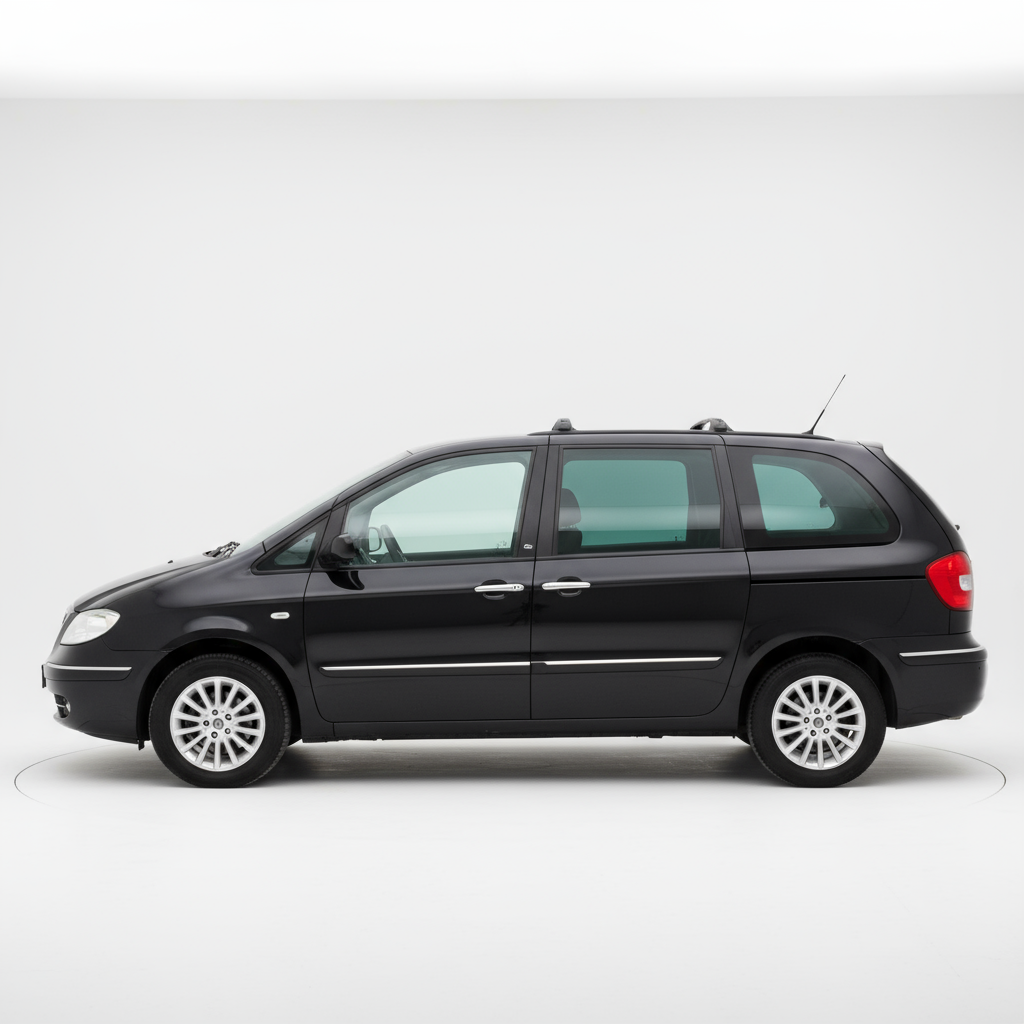
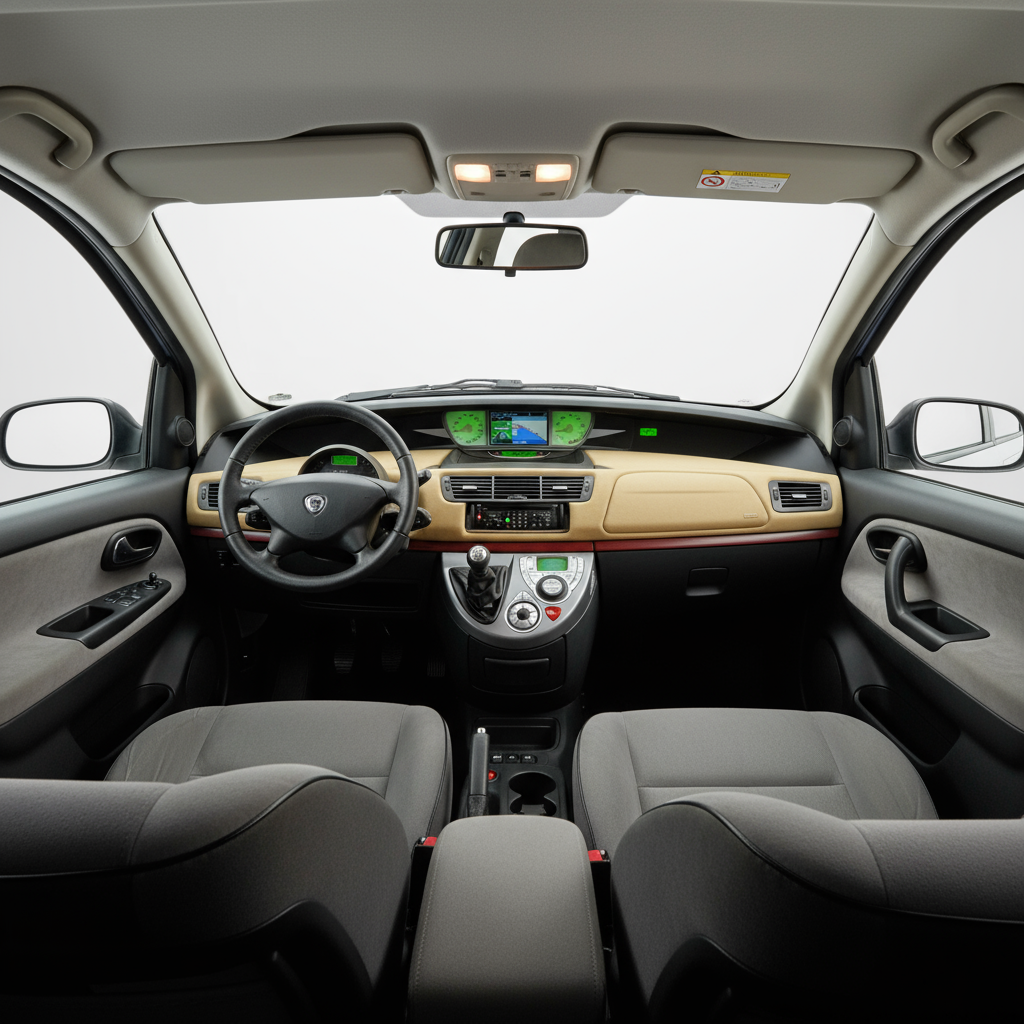
The Phedra's design is a statement of intent. Its imposing chrome grille and fluid lines give it a stately presence. Inside, it is a true rolling lounge. High-quality materials and a uniquely designed dashboard with central instrumentation create a cozy and exclusive atmosphere. Its huge sliding doors are not just practical; they are an invitation to a vast and bright interior, designed for the enjoyment of all passengers.
Technology and features
The Phedra's technology was at the service of well-being on board. In its Executive version, it was equipped with advanced features for its time, such as a navigation system, multi-zone climate control, and a comprehensive on-board computer. The JTD engine with common rail injection represented modern and efficient mechanics, while the automatic gearbox ensured effortless driving, reinforcing its character as a premium vehicle for long journeys.
Competition
In the crowded large minivan segment, the Phedra faced rivals like the Renault Espace, the Ford Galaxy, or the Volkswagen Sharan. However, its most direct competitors were its own relatives from the Eurovan project: the Peugeot 807, the Citroën C8, and the Fiat Ulysse. Against them, the Lancia Phedra always played the card of exclusivity and luxury, positioning itself as the most distinguished option.
Conclusion
The Lancia Phedra is a memory of a time when family travel had a special meaning. It is not a car for those seeking pure performance, but for those who value space, supreme comfort, and a touch of unmistakable Italian style. It is an ode to comfort, a vehicle that cares for and pampers you with every kilometer, proving that functionality does not have to be at odds with beauty and the pleasure of traveling.