
Especificaciones y análisis del Lancia Lybra
Power
103HP
Torque
144Nm
Consumption
8.4l/100
Emissions
-g/km
0-100 km/h
11.3s
Top Speed
185km/h
Weight
1250kg
Price
18,601€
Technical summary
Gasolina
Manual 5v
FWD
5 / 4 doors
420 L
60 L
76 kW
Current
Technical specifications
Engine
Capacities
Detailed analysis of the Lancia Lybra 1.6 · 103 CV (2000-2001)
General description
The Lancia Lybra arrived in 1999 as a whisper of elegance and distinction in a market dominated by German sobriety. Conceived to succeed the Dedra, this Italian sedan did not seek glory on the racetracks, but to win hearts with superb comfort and a profoundly Lancia soul, evoking an era of luxury and refined design.
Driving experience
Driving the Lybra is an experience that calms the spirit. Its 1.6-liter, 103-horsepower engine does not deliver brutal acceleration, but a progressive and serene thrust, ideal for unhurried travel. The suspension, tuned for comfort, absorbs road imperfections with a mastery that isolates you from the outside world, turning every journey into a moment of relaxation and driving pleasure.
Design and aesthetics
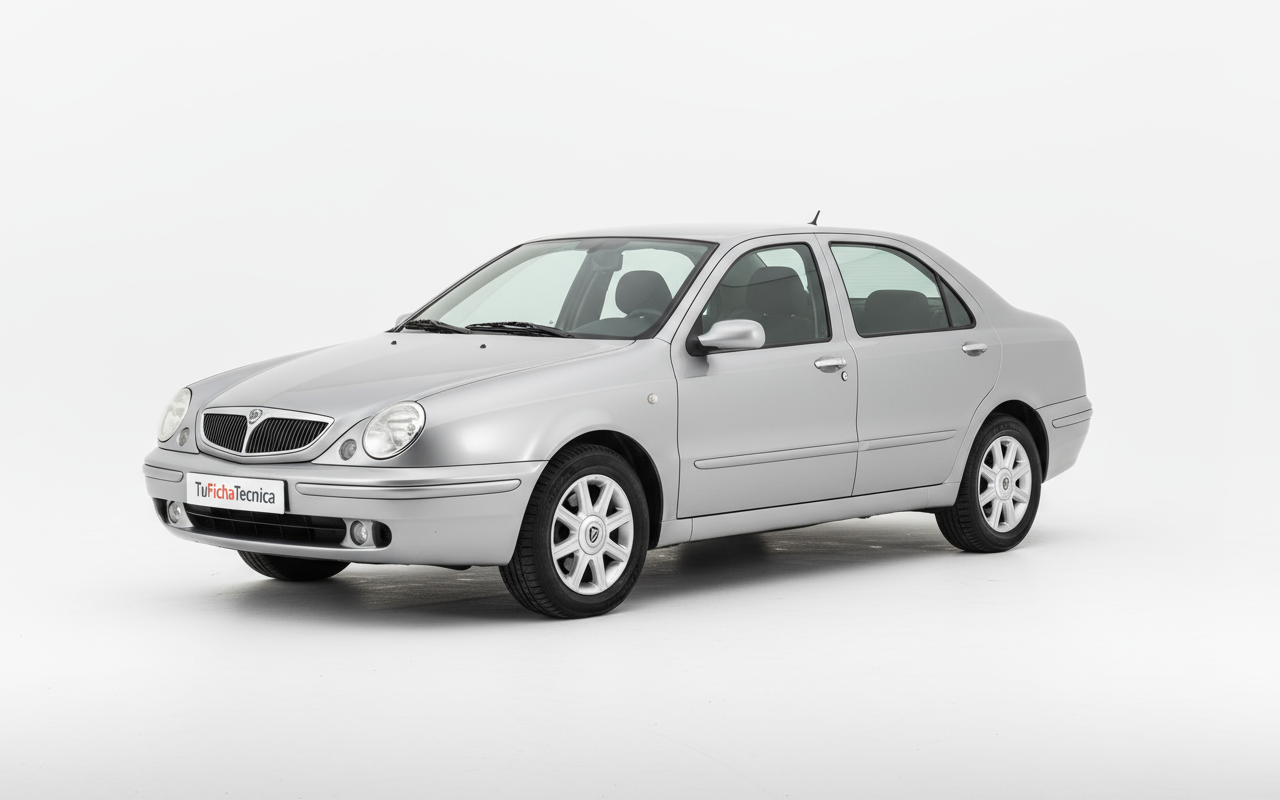
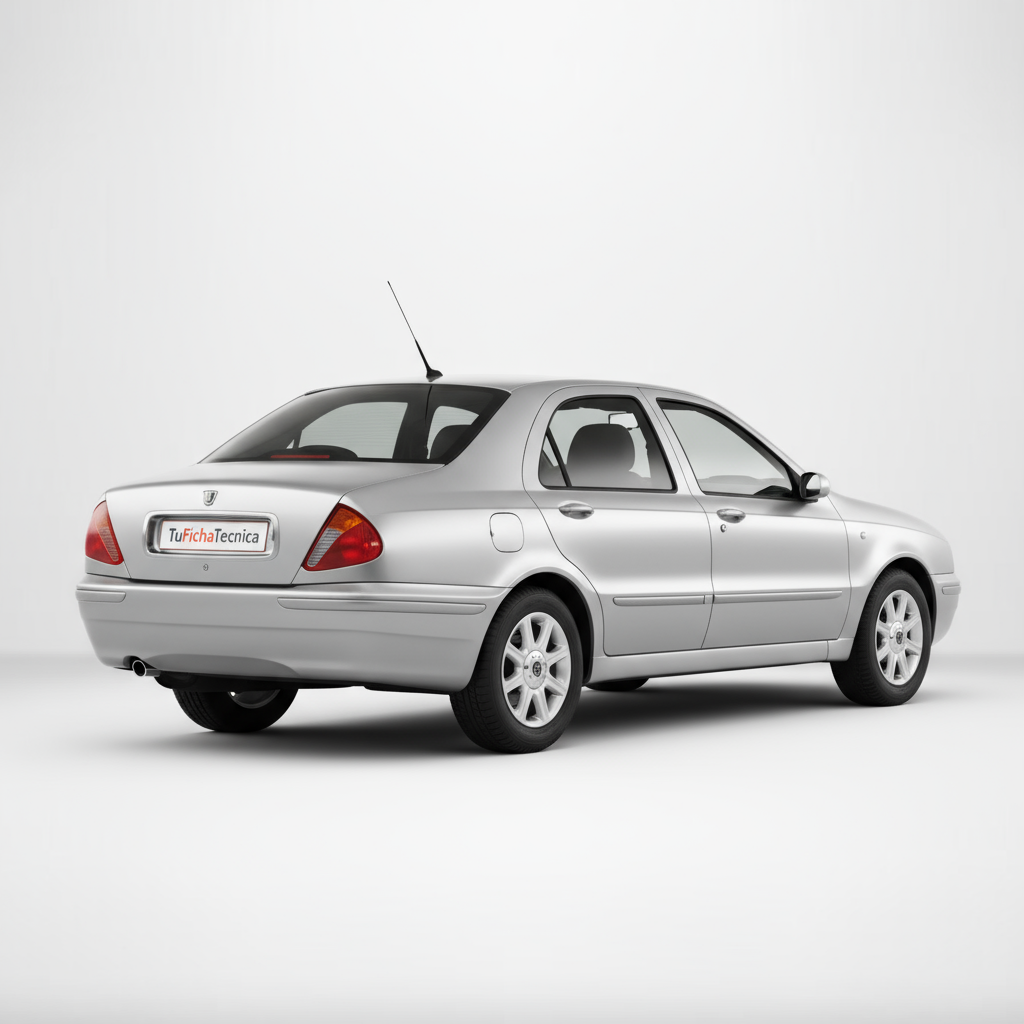
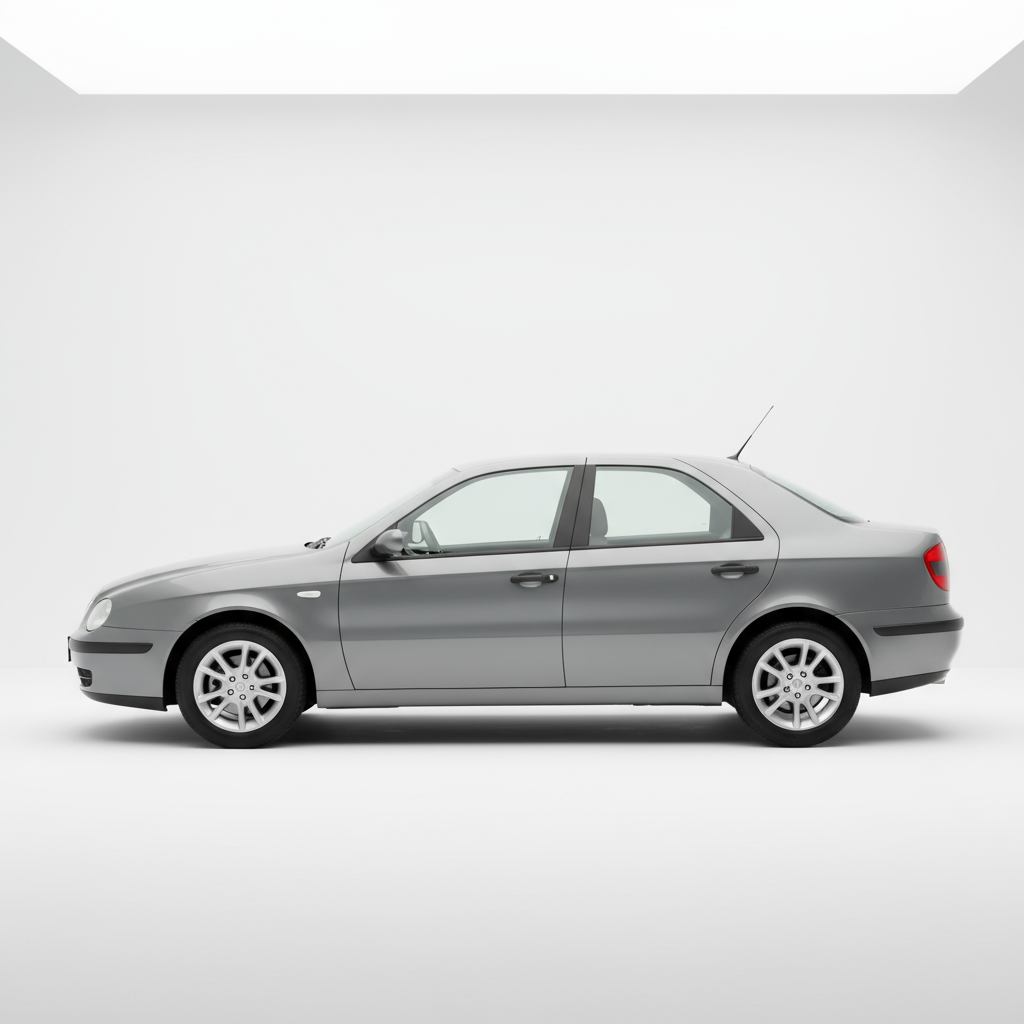
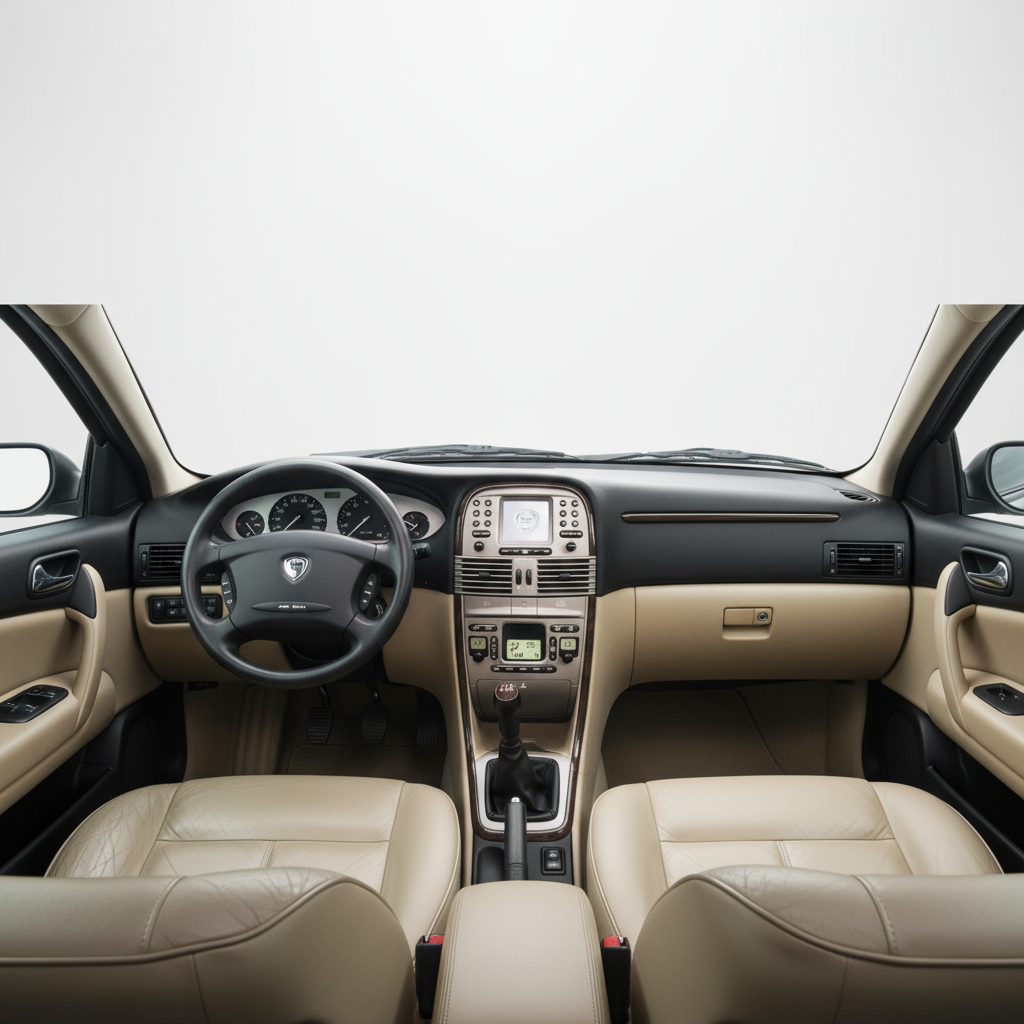
The Lybra's design is pure Italian emotion, a work of art that moves away from straight, predictable lines. Its round headlights and fluid silhouette give it a unique and timeless personality. Inside, the cabin embraces you with noble materials like Alcantara and a classically inspired dashboard that creates a rolling lounge atmosphere, a haven of good taste and quality.
Technology and features
Although rooted in tradition, the Lybra did not renounce innovation. Its sophisticated multi-link rear suspension guaranteed dynamic and comfortable handling. Inside, the integrated infotainment system (ICS) stood out, a color screen that centralized climate control, audio, and the onboard computer, an advanced technological luxury for its segment and era.
Competition
The Lybra bravely faced the titans of its category. It stood up to the precision of the BMW 3 Series, the solidity of the Audi A4, and the elegance of the Mercedes-Benz C-Class. It also competed with its cousin, the sporty Alfa Romeo 156, offering a radically different approach: while the Alfa was passion and adrenaline, the Lybra was comfort, distinction, and serenity.
Conclusion
The Lancia Lybra is more than a car; it is a statement of intent. It represents the pursuit of beauty and well-being over pure performance. It was a brave attempt by Lancia to reclaim its premium essence, a vehicle for drivers who appreciate design, comfort, and unique character. Today, it is a modern classic that reminds us that luxury can also be subtle and emotional.