
Especificaciones y análisis del KIA Sportage
Power
116HP
Torque
260Nm
Consumption
5.3l/100
Emissions
139g/km
0-100 km/h
12.3s
Top Speed
173km/h
Weight
1490kg
Price
20,367€
Technical summary
Gasóleo
Manual 6v
FWD
5 / 5 doors
465 L
55 L
85 kW
Current
Technical specifications
Engine
Capacities
Detailed analysis of the KIA Sportage Concept 1.7 CRDi 115 CV 4x2 (2011-2012)
General description
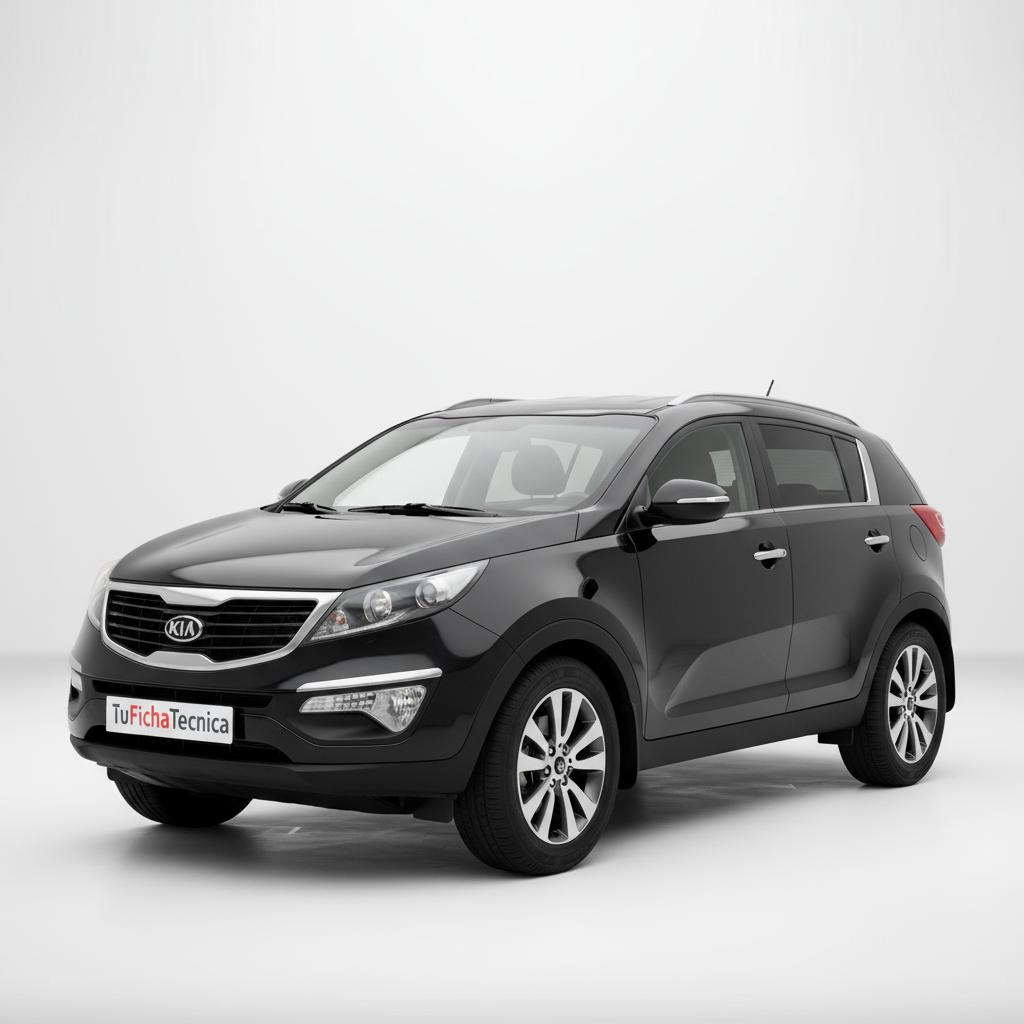
The 2010 KIA Sportage represented a true revolution, a before and after for the Korean brand. It left behind a purely functional image to embrace a bold design and perceived quality that catapulted it into the heart of the competitive compact SUV segment. This model not only changed the perception of KIA but also became an object of desire for thousands of families looking for style, space, and a reasonable price.
Driving experience
Behind the wheel, the 1.7 CRDi 116 HP diesel engine feels willing and surprisingly elastic from low revs, thanks to its 260 Nm of torque available from just 1250 rpm. Although its acceleration won't pin you to your seat, it offers more than enough response for daily use and for traveling with ease. The 6-speed manual gearbox is precise, and its chassis, with a clear focus on comfort, filters out road irregularities well, conveying a pleasant feeling of poise and safety on the road.
Design and aesthetics
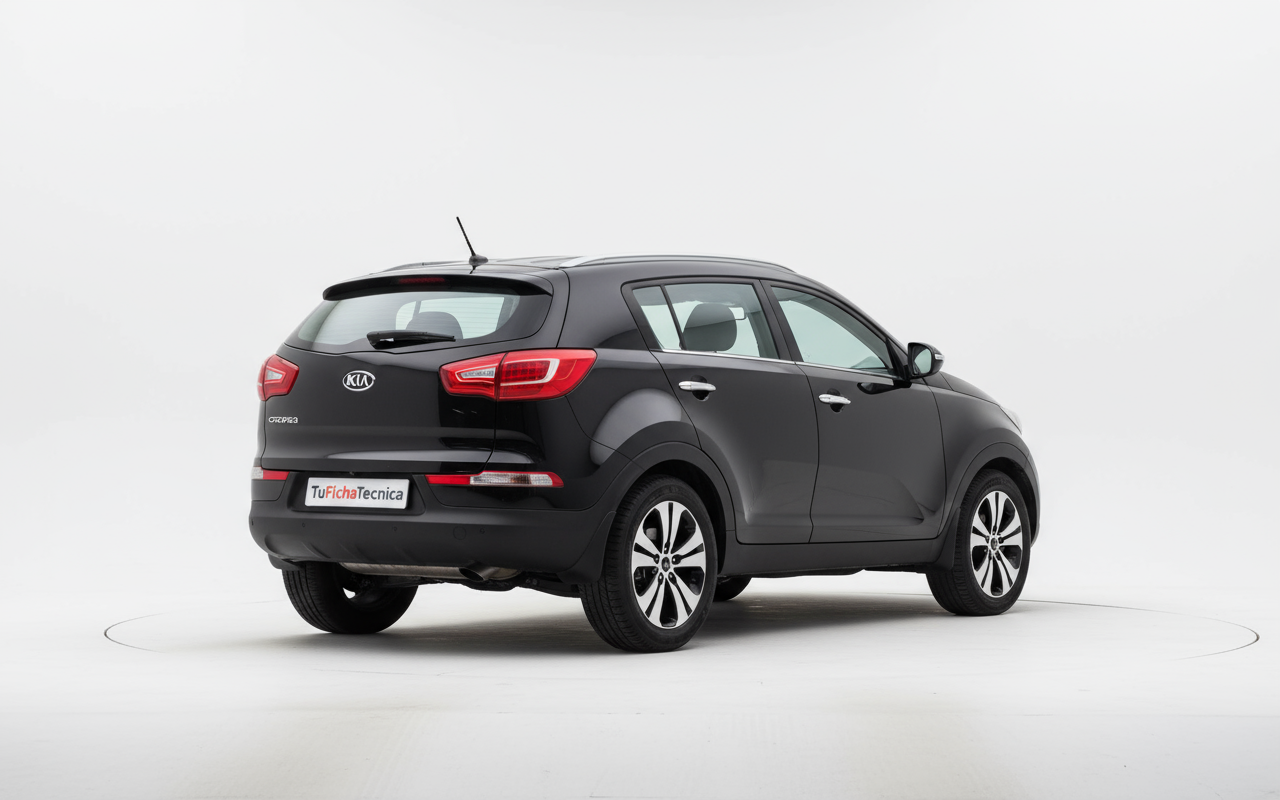
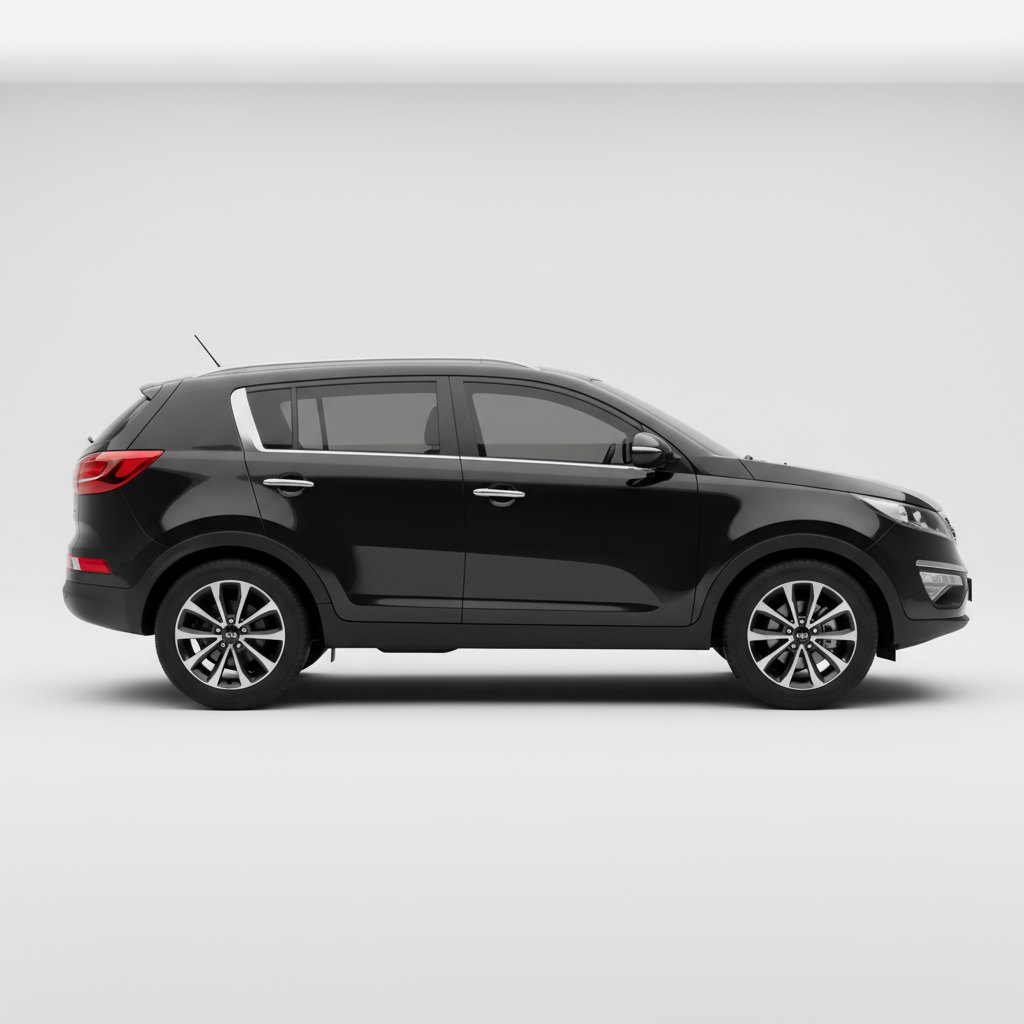
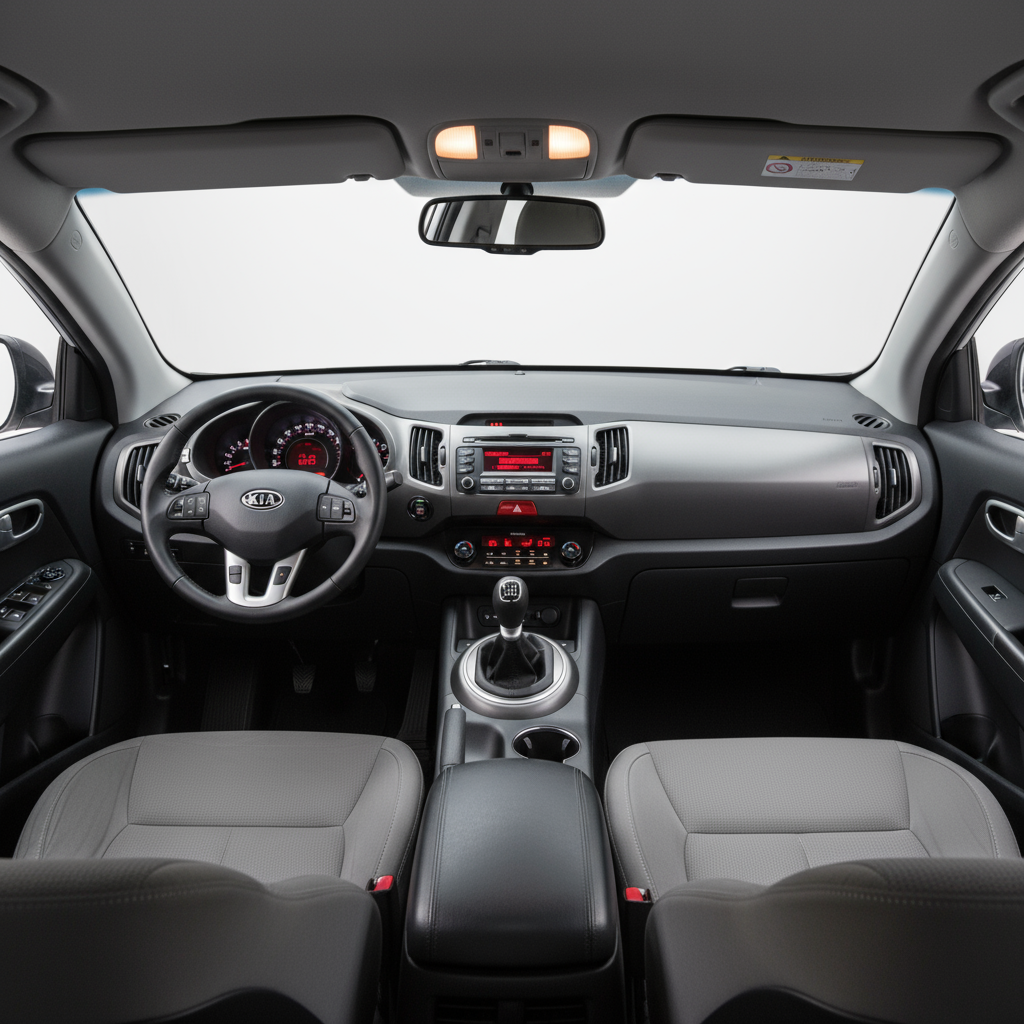
Its aesthetics were its great calling card. With a 'Tiger Nose' grille that would become its hallmark, muscular lines, and a dynamic silhouette, the Sportage radiated an imposing and modern presence that captivated the market. Inside, the qualitative leap was enormous. The assembly is solid, and the driver-oriented dashboard design creates a welcoming and functional atmosphere, with a remarkable sense of spaciousness and a generous 465-liter trunk.
Technology and features
In its 2011 Concept version, the technology focused on efficiency and comfort. It already included features like the Stop & Start system to reduce fuel consumption in the city, electric power steering, and basic connectivity such as Bluetooth and auxiliary inputs. Although it may seem simple today, at the time it offered a proper equipment level that made life on board easier without unnecessary complications, prioritizing functionality over digital displays.
Competition
The Sportage burst onto a battlefield dominated by titans. Its main adversary was the best-selling Nissan Qashqai, the undisputed king of the category. It also competed fiercely with its cousin, the Hyundai ix35, with which it shared a platform and mechanics. Other major rivals in Europe were the Ford Kuga, with its acclaimed dynamism, and the Volkswagen Tiguan, which played the card of quality and refinement at a higher price.
Conclusion
The third-generation KIA Sportage is much more than a car; it is the symbol of a brand's transformation. It managed to combine a head-turning design, a spacious and practical interior, and a reliable and economical diesel engine. It was both a smart and passionate purchase, offering an incredibly complete package that made it a resounding success and a highly recommended option on the second-hand market even today.