
Especificaciones y análisis del KIA Rio
Power
112HP
Torque
146Nm
Consumption
6.1l/100
Emissions
145g/km
0-100 km/h
10.2s
Top Speed
190km/h
Weight
1154kg
Price
11,440€
Technical summary
Gasolina
Manual 5v
FWD
5 / 5 doors
270 L
45 L
82.4 kW
Current
Technical specifications
Engine
Capacities
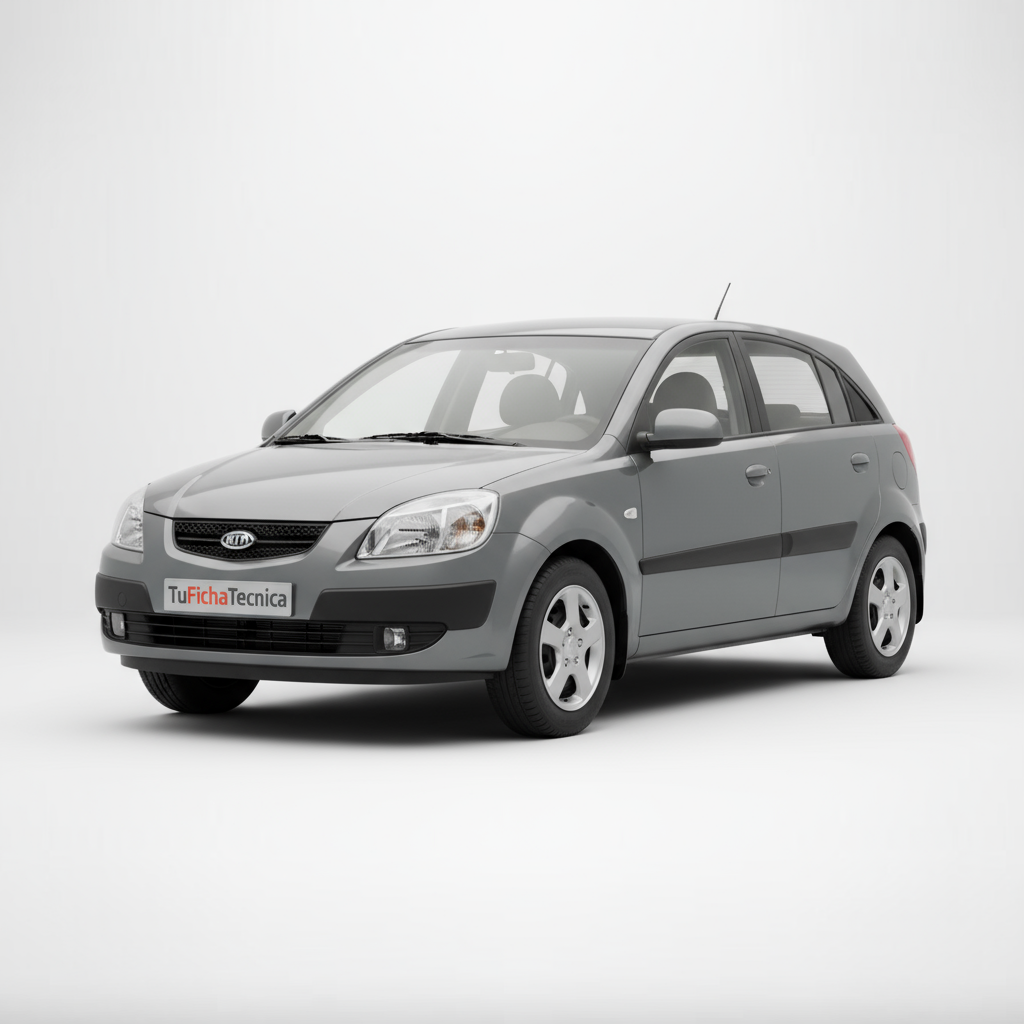
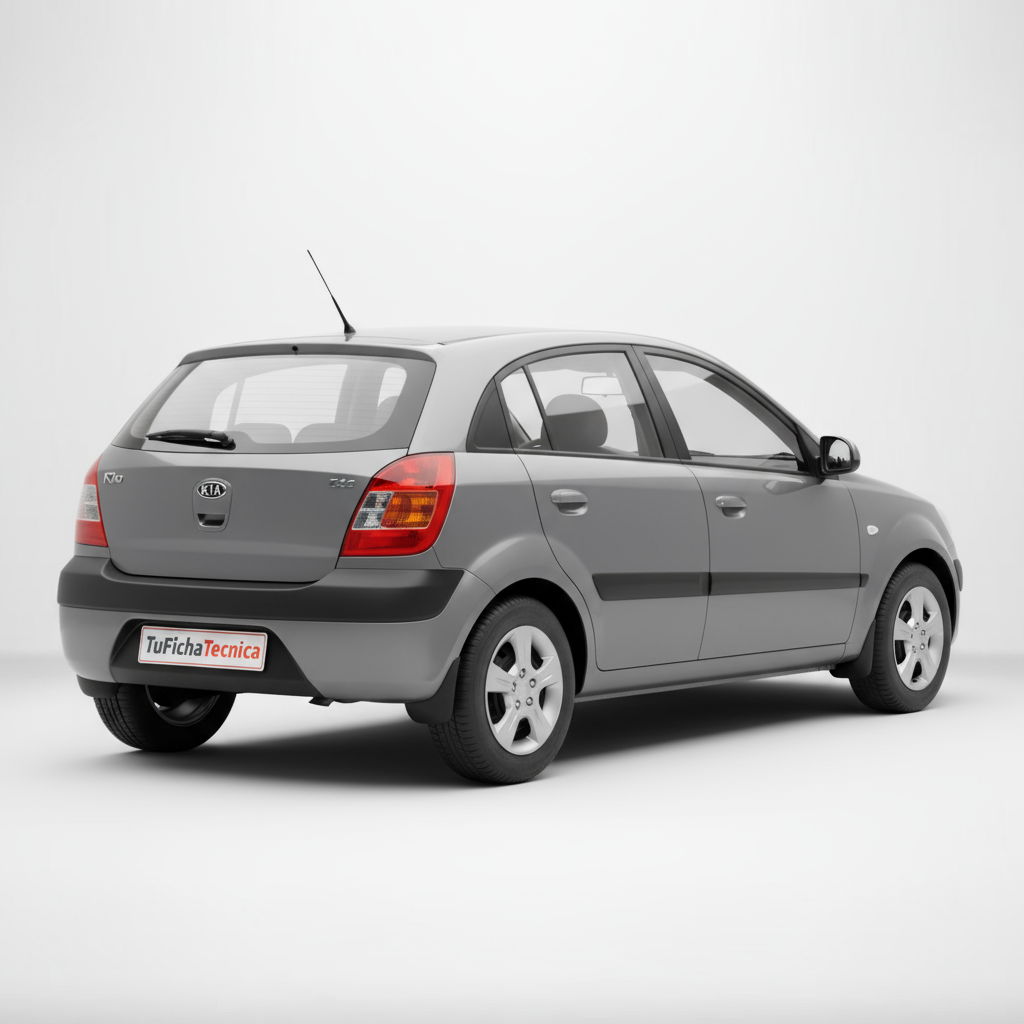
Detailed analysis of the KIA Rio 5p 1.6 Emotion · 112 CV (2008-2010)
General description
The 2005 KIA Rio was much more than just a utility vehicle; it was the bold statement of a brand in full transformation. This car arrived to break prejudices, offering a combination of reliability, equipment, and a price that challenged the European giants. Driving it was discovering that sensibility was not at odds with a pleasant driving experience.
Driving experience
When you got behind the wheel, the Rio gave you an unexpected feeling of agility and energy. Its 1.6-liter, 112-horsepower engine felt lively and willing, especially in the city, moving the car with an ease that brought a smile to your face. The five-speed manual gearbox connected you directly with honest and robust mechanics, transmitting a confidence that invited you to clock up miles without worrying about anything other than enjoying the journey.
Design and aesthetics
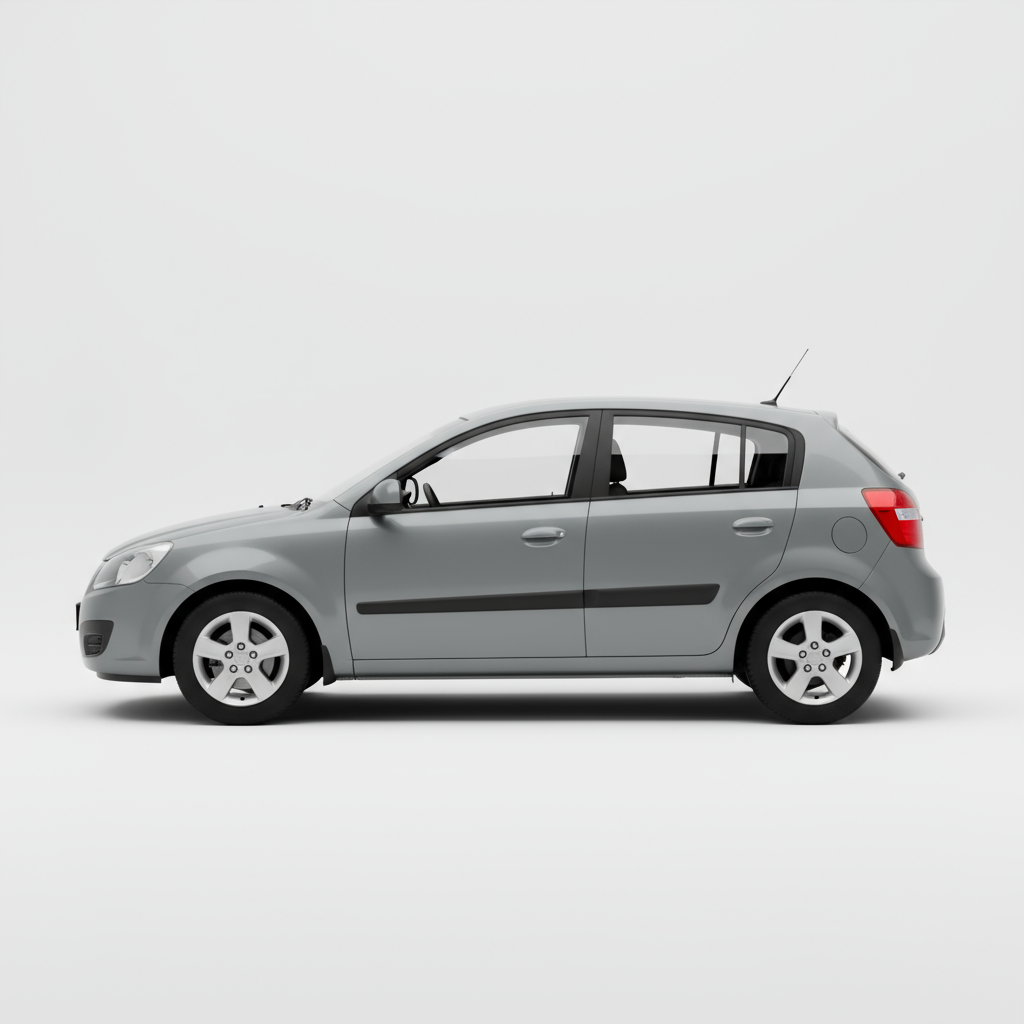
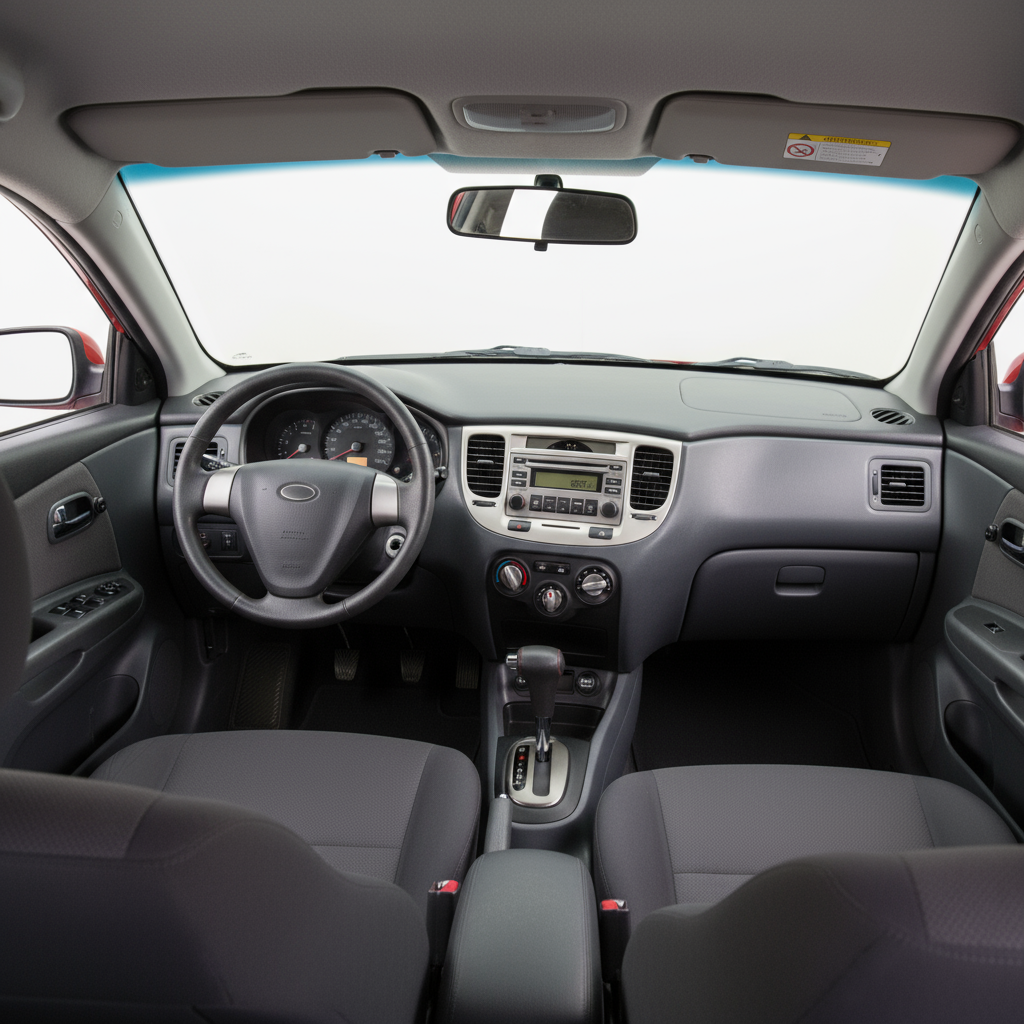
Its design was a quantum leap for KIA. It left behind bland shapes to embrace a European style, with clean and proportionate lines that gave it a modern and friendly look. It didn't seek to be the most striking, but the most balanced. Inside, functionality reigned with a well-organized dashboard and hard but durable plastics, creating a practical and welcoming space that has stood the test of time with dignity.
Technology and features
In an era before touch screens, the Rio's technology focused on the essentials and mechanical reliability. It had what was necessary for a comfortable journey: air conditioning, electric windows, and a radio to provide a soundtrack for your trips. Its true technological feat lay under the hood, with an indirect injection engine that was an example of efficiency and durability, a mechanical heart designed to beat tirelessly.
Competition
This brave Korean fearlessly faced the European royalty of the B-segment, such as the SEAT Ibiza, the Renault Clio, or the Ford Fiesta. While its rivals boasted of pedigree, the Rio counterattacked with a devastating argument: an unbeatable quality-price ratio and a warranty that was a declaration of confidence. It was the smart choice for those who sought more for their money.
Conclusion
The KIA Rio of this generation is not a car you choose with your head and forget with your heart. It is a loyal companion, a vehicle that demonstrated that reliability and functionality could go hand in hand with a pleasant driving experience. It represents the dawn of the KIA we know today, a brand that learned to build honest, durable cars capable of winning your affection kilometer by kilometer.