
Especificaciones y análisis del Jeep Wrangler
Power
118HP
Torque
189Nm
Consumption
10.1l/100
Emissions
-g/km
0-100 km/h
14.8s
Top Speed
148km/h
Weight
1505kg
Price
20,981€
Technical summary
Gasolina
Manual 5v
AWD
4 / 3 doors
315 L
72 L
87 kW
Current
Technical specifications
Engine
Capacities
Detailed analysis of the Jeep Wrangler 2.5 techo duro · 118 CV (1996-2001)
General description
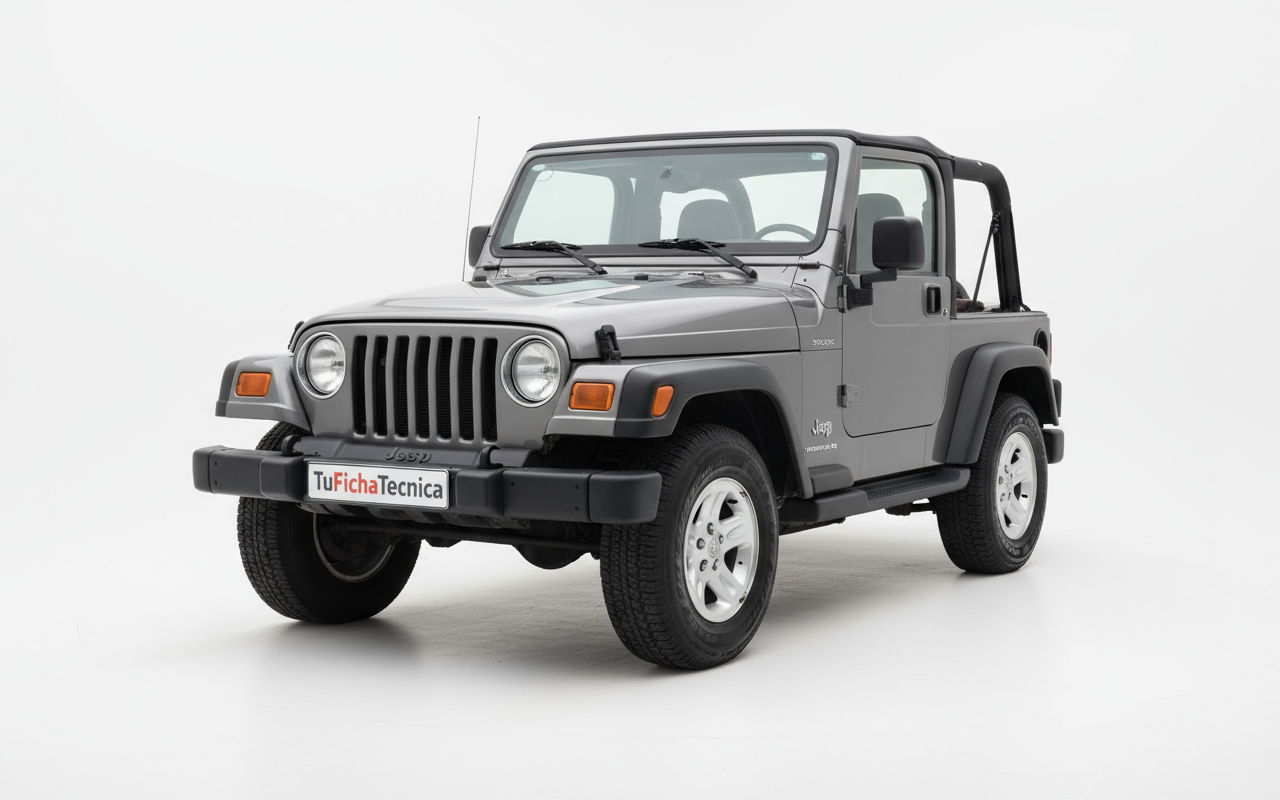
The 1996 Jeep Wrangler is not just a car; it is the embodiment of freedom on wheels. A direct heir to the legendary World War II Willys, this vehicle was born with a clear purpose: to take you where the asphalt ends and the real adventure begins. Driving it is to connect with a history of exploration and rebellion, a promise of limitless horizons.
Driving experience
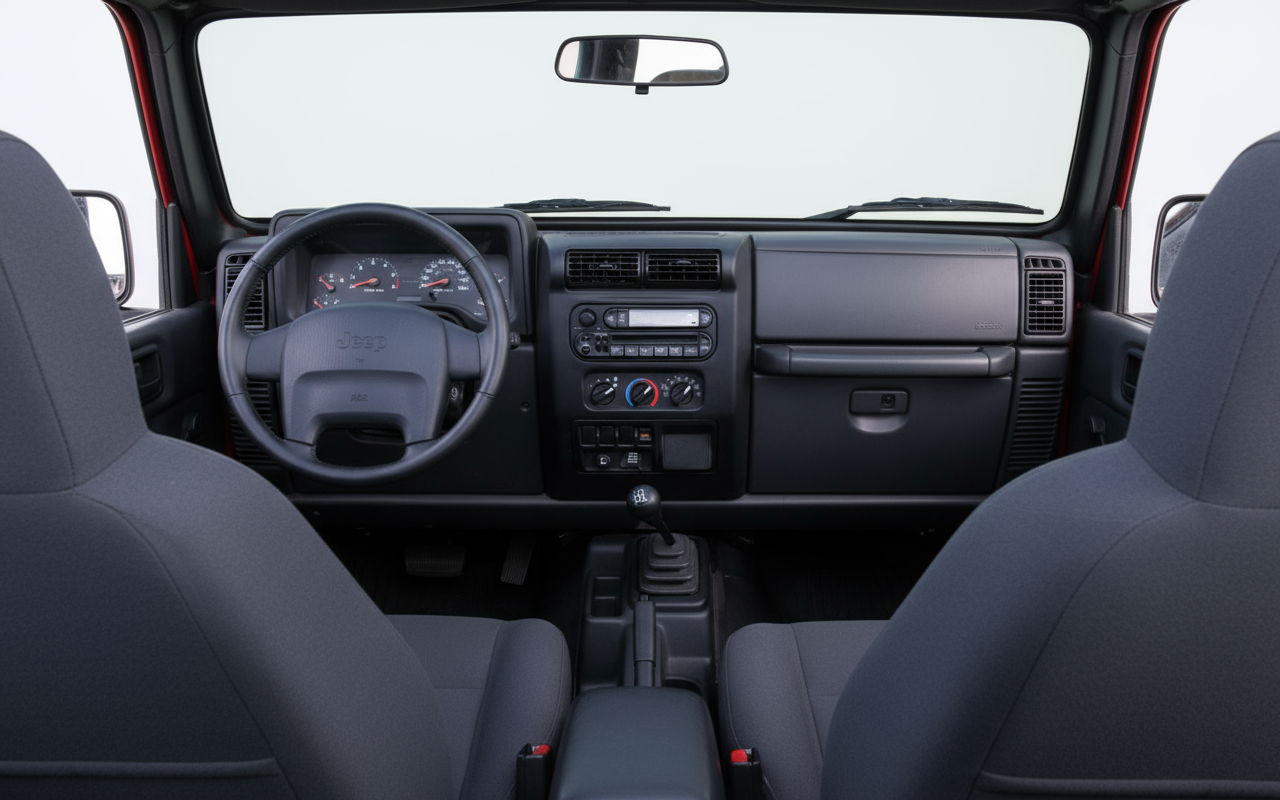
Getting behind the wheel of the Wrangler is a visceral and authentic experience. The 2.5-liter, 118-horsepower engine doesn't seek speed records, but rather to deliver its power honestly through a manual gearbox that makes you a participant in every meter covered. You feel the terrain under the wheels thanks to its solid axles, a setup that shakes you in the city but crowns you king of the mountain. It's the sound of the wind with the top off, the smell of nature, and the certainty that no obstacle is too great.
Design and aesthetics
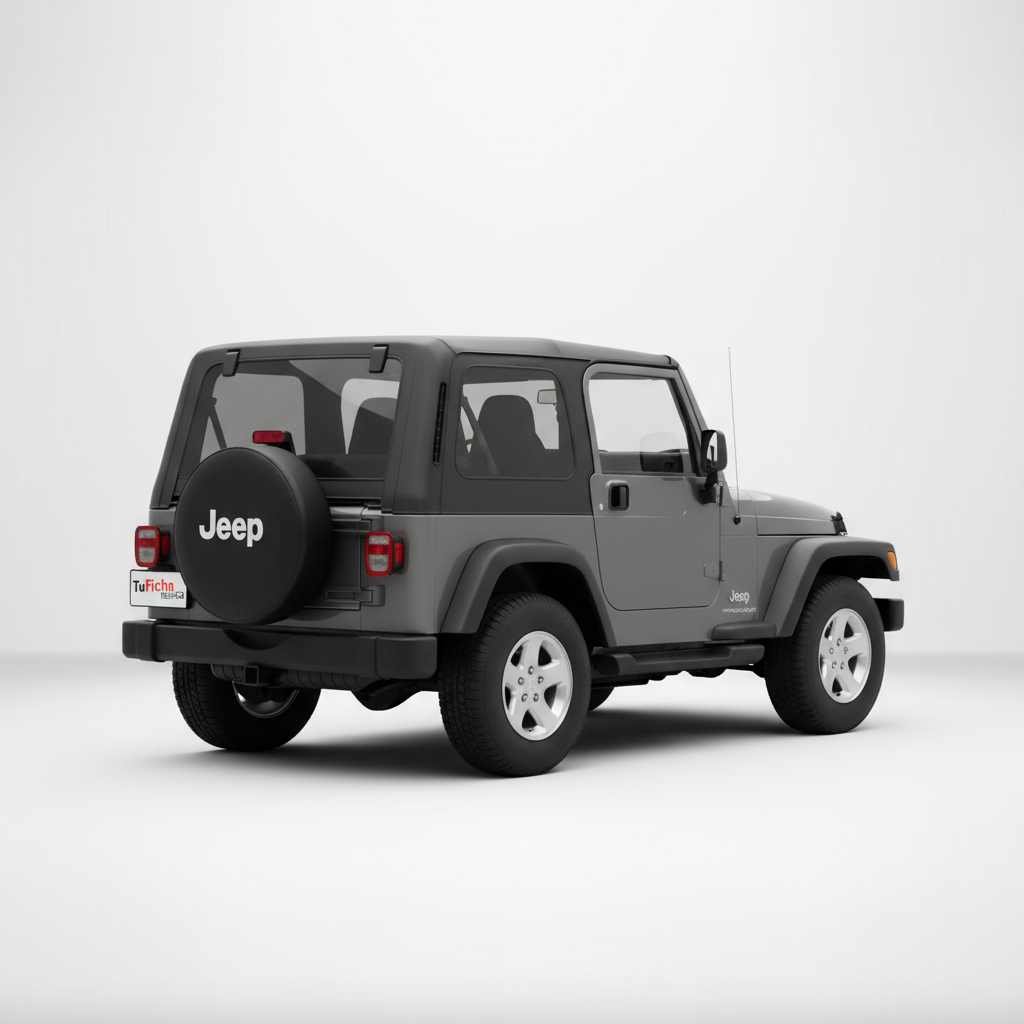
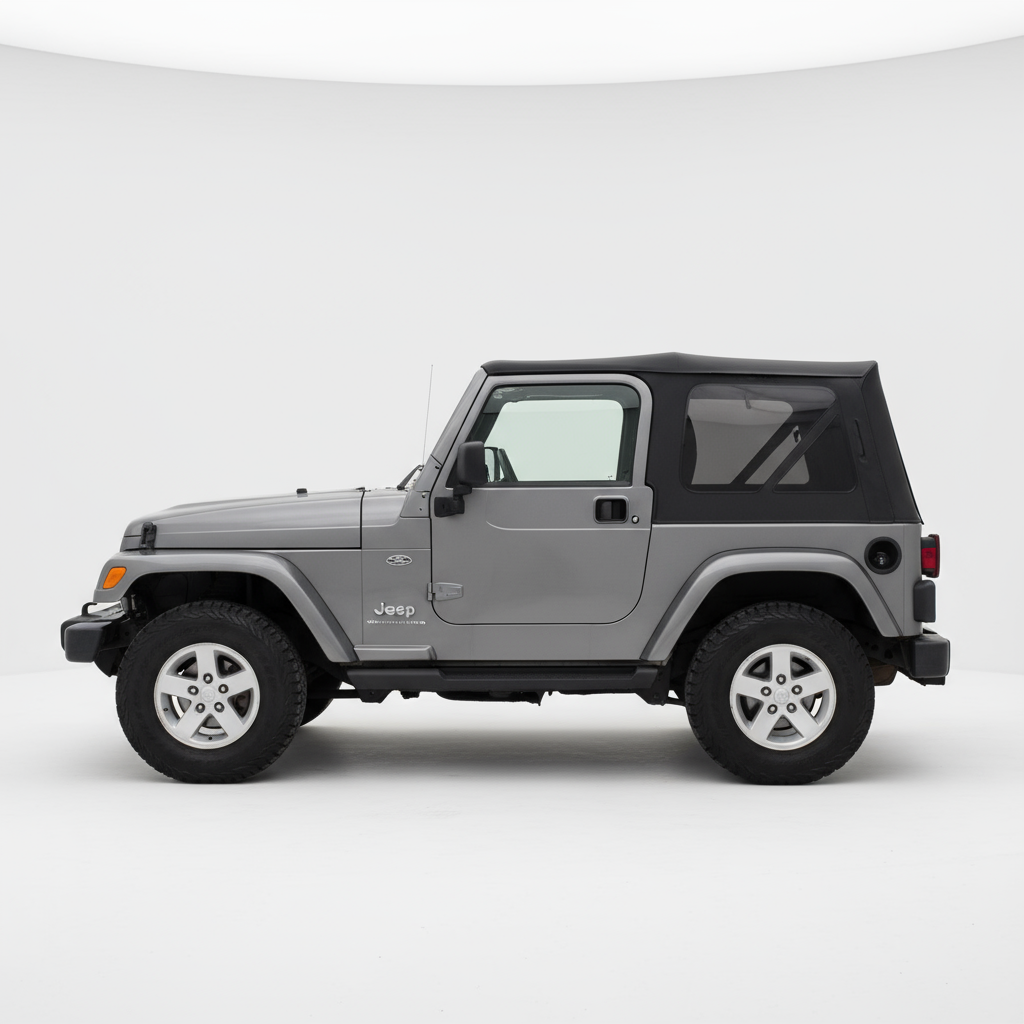
Its design is a statement of intent, an iconic silhouette that has stood the test of time. The round headlights, the seven-slot grille, and the exposed hinges are not ornaments; they are proof of its functionality. Removable doors and roof, a fold-down windshield... everything is designed for total immersion in the environment. It's a rugged, uncompromising aesthetic that prioritizes capability and durability over any passing trend.
Technology and features
The technology of the Wrangler from this era isn't measured in touch screens or driving assistants. Its true innovation lies in its mechanical simplicity and robustness. The Command-Trac four-wheel-drive system, solid axles, and an iron engine designed to withstand anything are its greatest technological feat. It is a machine designed to be reliable and repairable in the most remote places, where complex electronics would be a liability.
Competition
In its time, few vehicles dared to compete on its turf. The Land Rover Defender shared its purist philosophy and its focus on unfiltered off-road capability. Alternatives like the Suzuki Samurai or Vitara offered superior agility in a smaller package, while the Toyota Land Cruiser represented an equally capable option but often with a greater degree of refinement and comfort.
Conclusion
The Jeep Wrangler 2.5 is much more than an off-roader; it's a memory-making machine and a passport to adventure. It demands daily sacrifices, giving up modern comfort in exchange for a capability and a connection to driving that have been lost today. It's not a car for everyone; it's a life choice for those who value freedom and authenticity above all else.