
Especificaciones y análisis del Hyundai Veloster
Power
140HP
Torque
167Nm
Consumption
6.4l/100
Emissions
145g/km
0-100 km/h
10.3s
Top Speed
200km/h
Weight
1295kg
Price
21,040€
Technical summary
Gasolina
Automático 6v
FWD
4 / 4 doors
320 L
50 L
103 kW
Current
Technical specifications
Engine
Capacities
Detailed analysis of the Hyundai Veloster 1.6 GDI Sport DCT · 140 CV (2011-2012)
General description
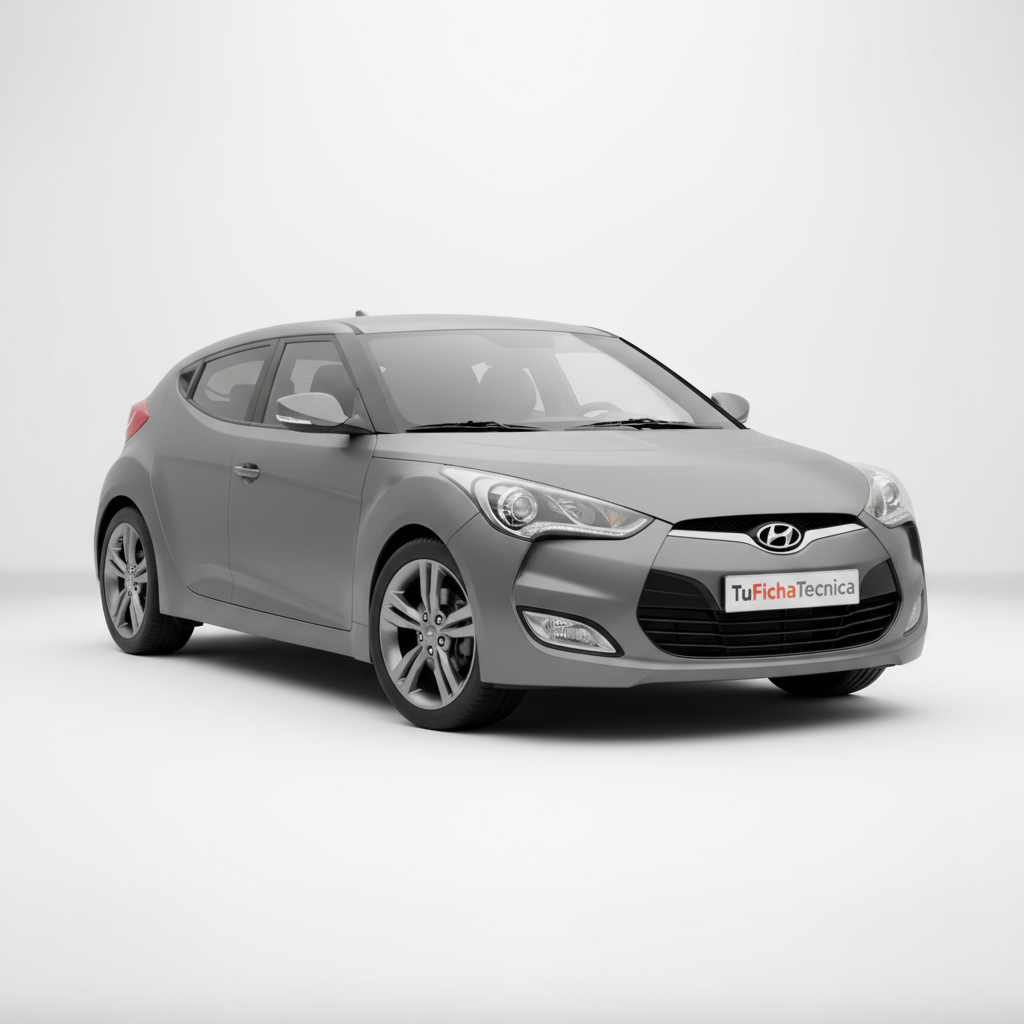
The 2011 Hyundai Veloster burst onto the market like a breath of fresh air, a bold and rebellious statement of intent. It's not just a car; it's an experience that challenges convention from the very first glance, promising a journey as unique as its revolutionary asymmetrical three-door concept.
Driving experience
Behind the wheel, its 140 hp and the DCT dual-clutch automatic transmission offer an agile and lively response, without being explosive. It feels planted on the asphalt, with precise steering that connects you to the road and invites you to enjoy every curve. It's a car that conveys fun and a sense of control that makes you smile, prioritizing driving pleasure over pure performance.
Design and aesthetics
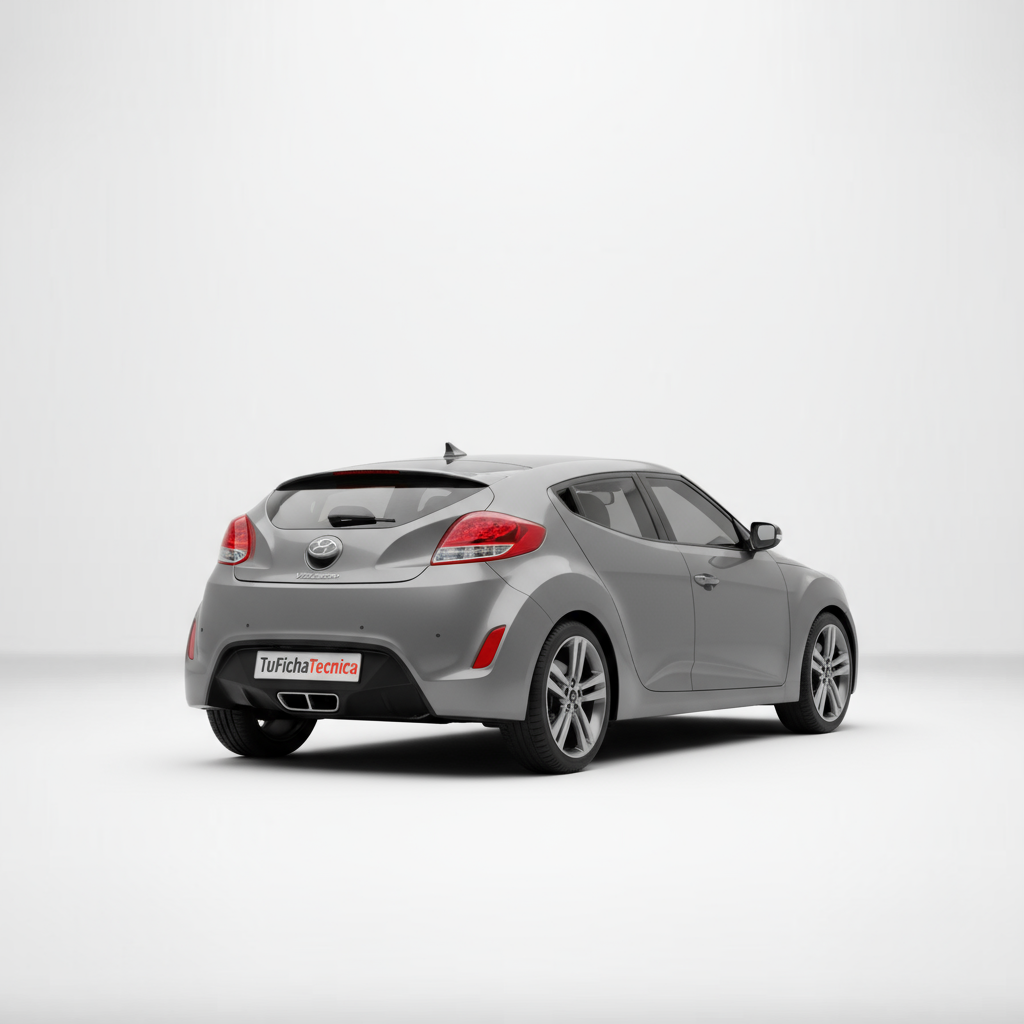
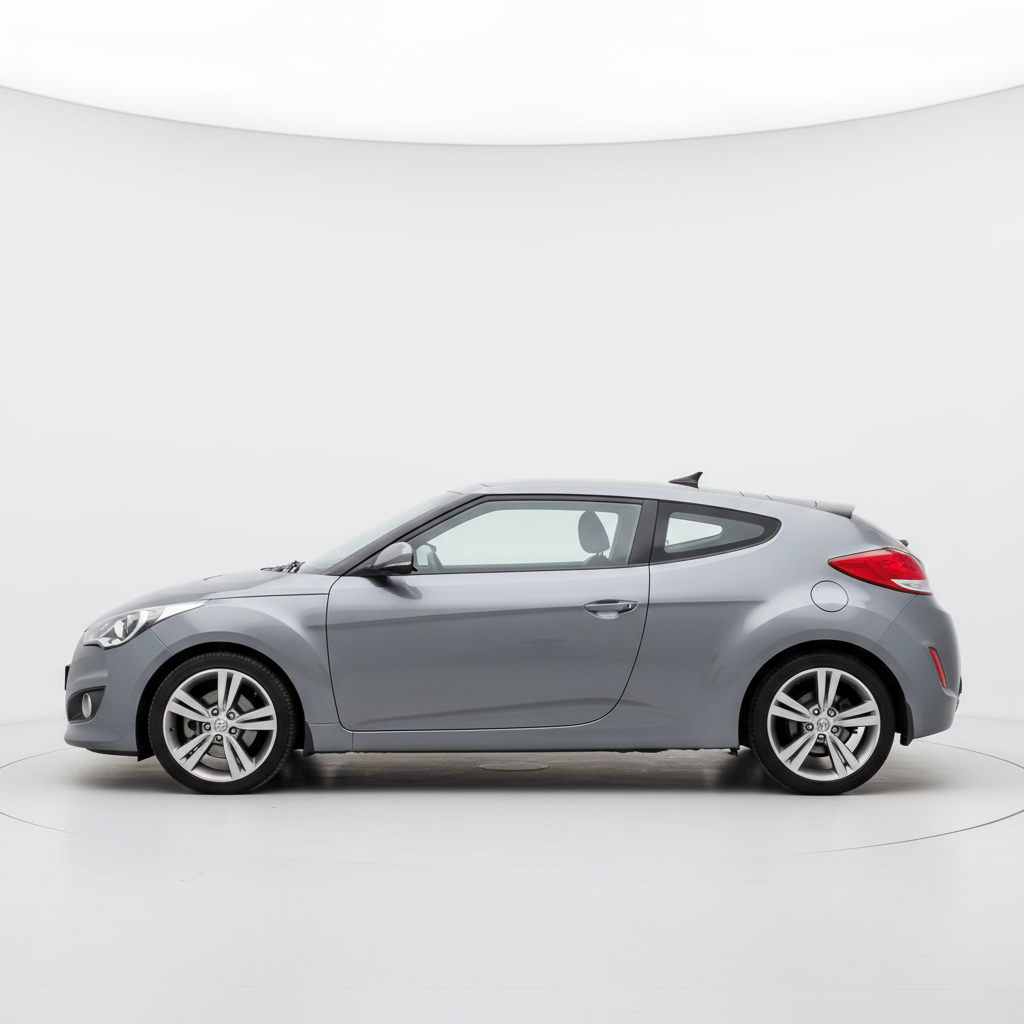
This is where the Veloster becomes a legend. Its sharp, muscular coupe silhouette hides its best-kept secret: a single door on the driver's side and two on the passenger's side. This functional and aesthetic asymmetry is a stroke of genius, a solution as practical as it is visually striking that turns it into an unmistakable rolling sculpture.
Technology and features
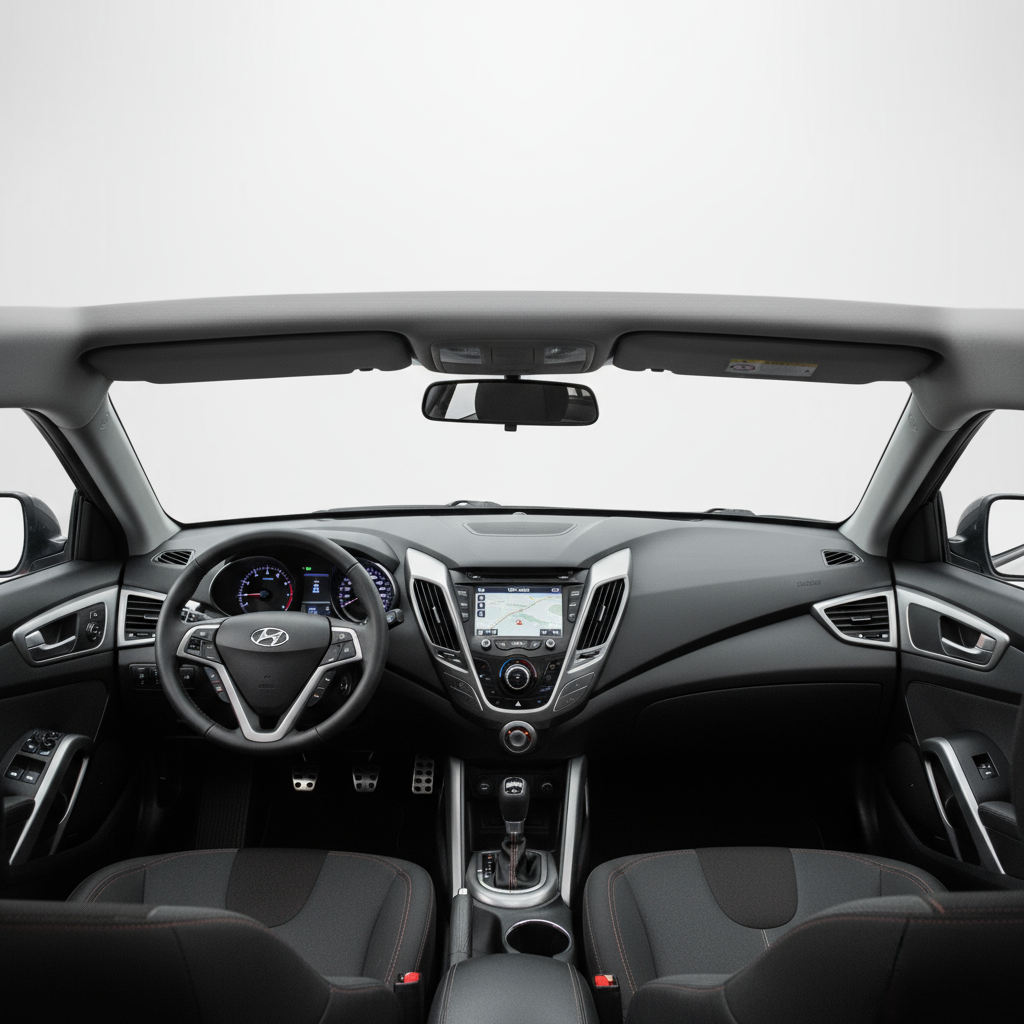
For its time, the Veloster was well-equipped. The GDI direct-injection engine and the dual-clutch transmission were advanced technologies that sought a balance between efficiency and dynamism. Inside, an enveloping cockpit and a driver-focused infotainment system completed a modern and attractive technological proposal.
Competition
It faced established compact coupes like the Volkswagen Scirocco or the Renault Mégane Coupé. However, the Veloster played in its own league. While its rivals bet on tradition, Hyundai took a risk with a unique concept that had no direct competitor, attracting an audience that sought differentiation and originality above all else.
Conclusion
The Hyundai Veloster is much more than a means of transportation; it's a piece of design, a declaration of individuality. It's a car for the heart, for those who value audacity and originality. Although it may not be the fastest, its charisma and unforgettable concept make it a future classic, a car bought with emotion and driven with a smile.