
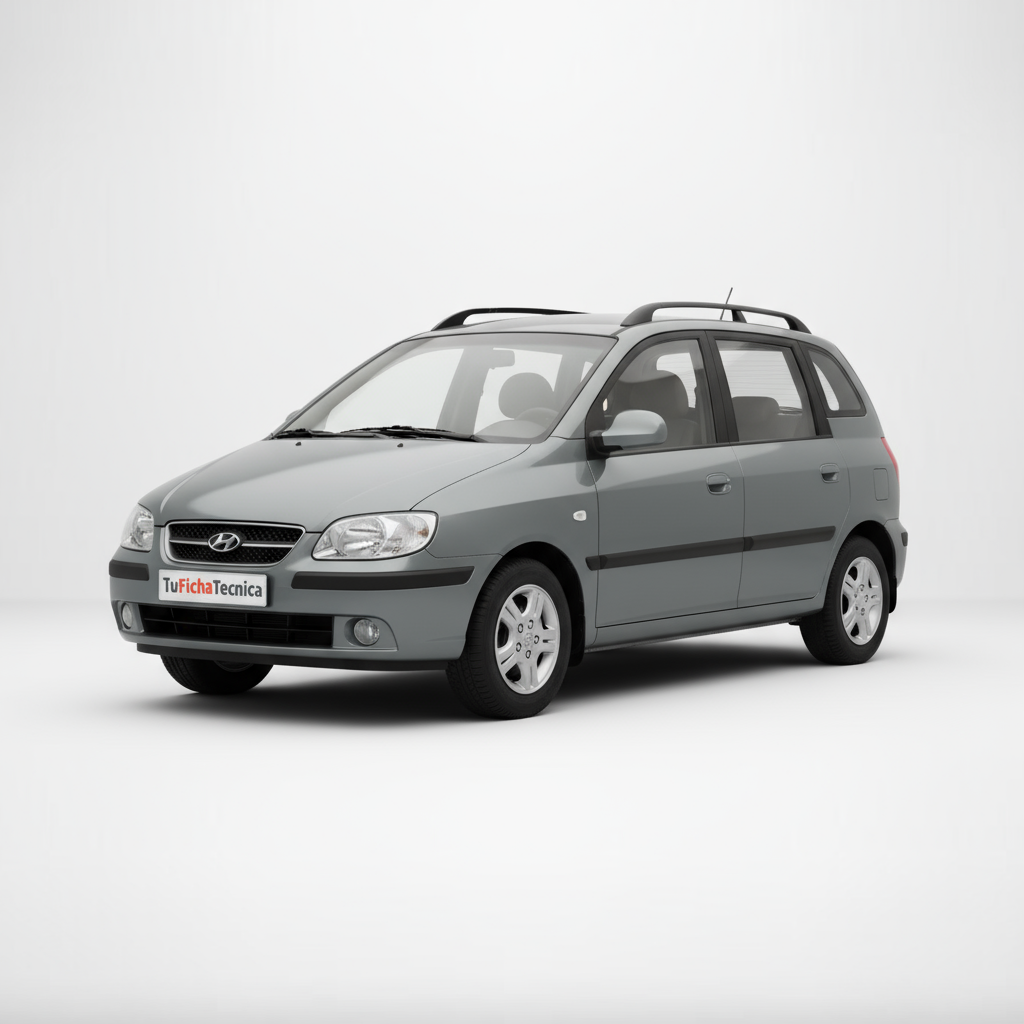
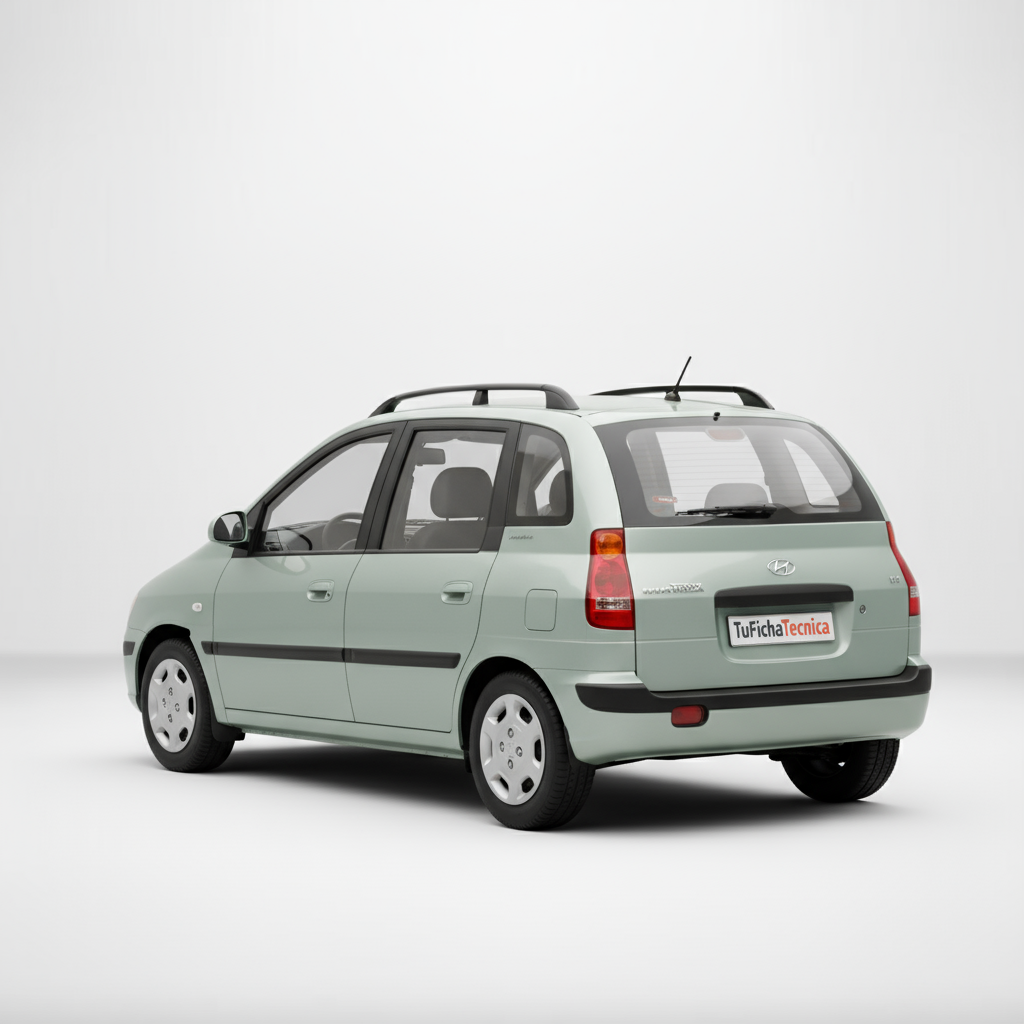
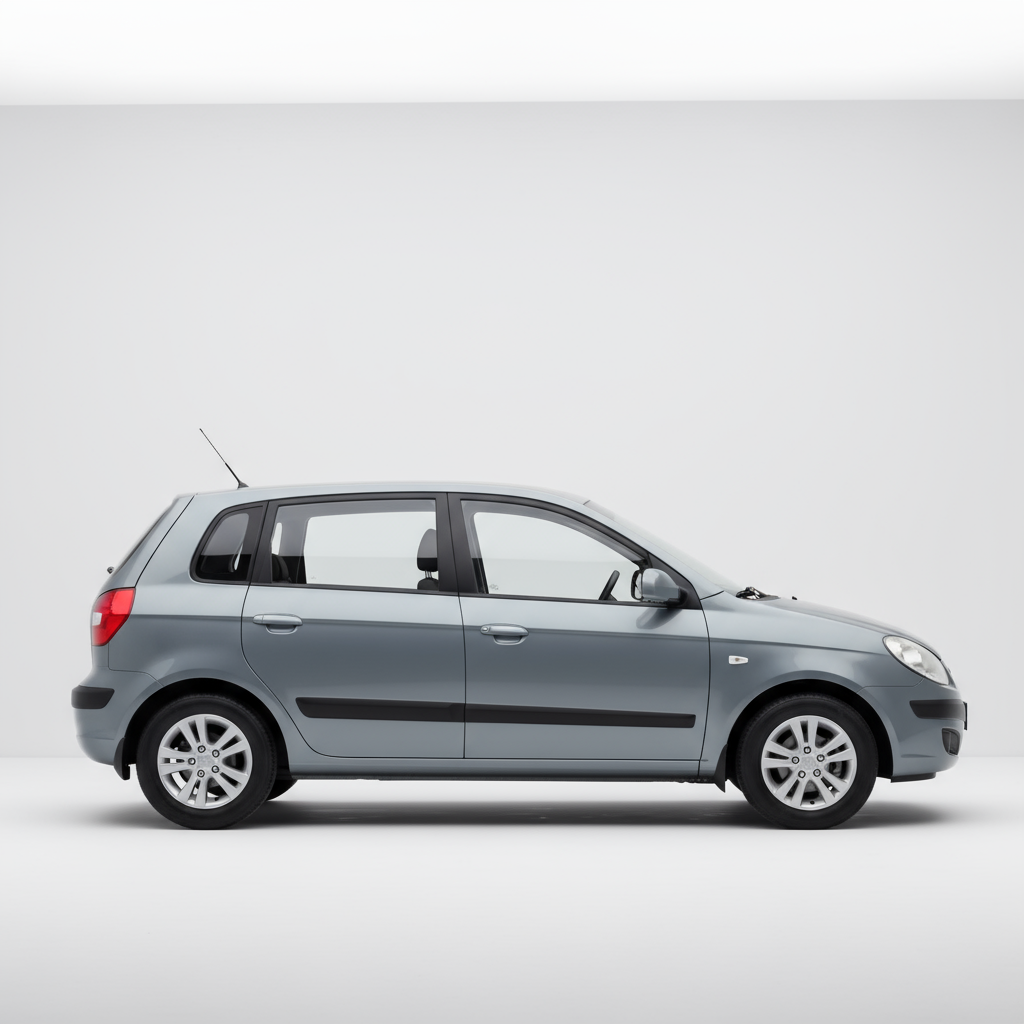
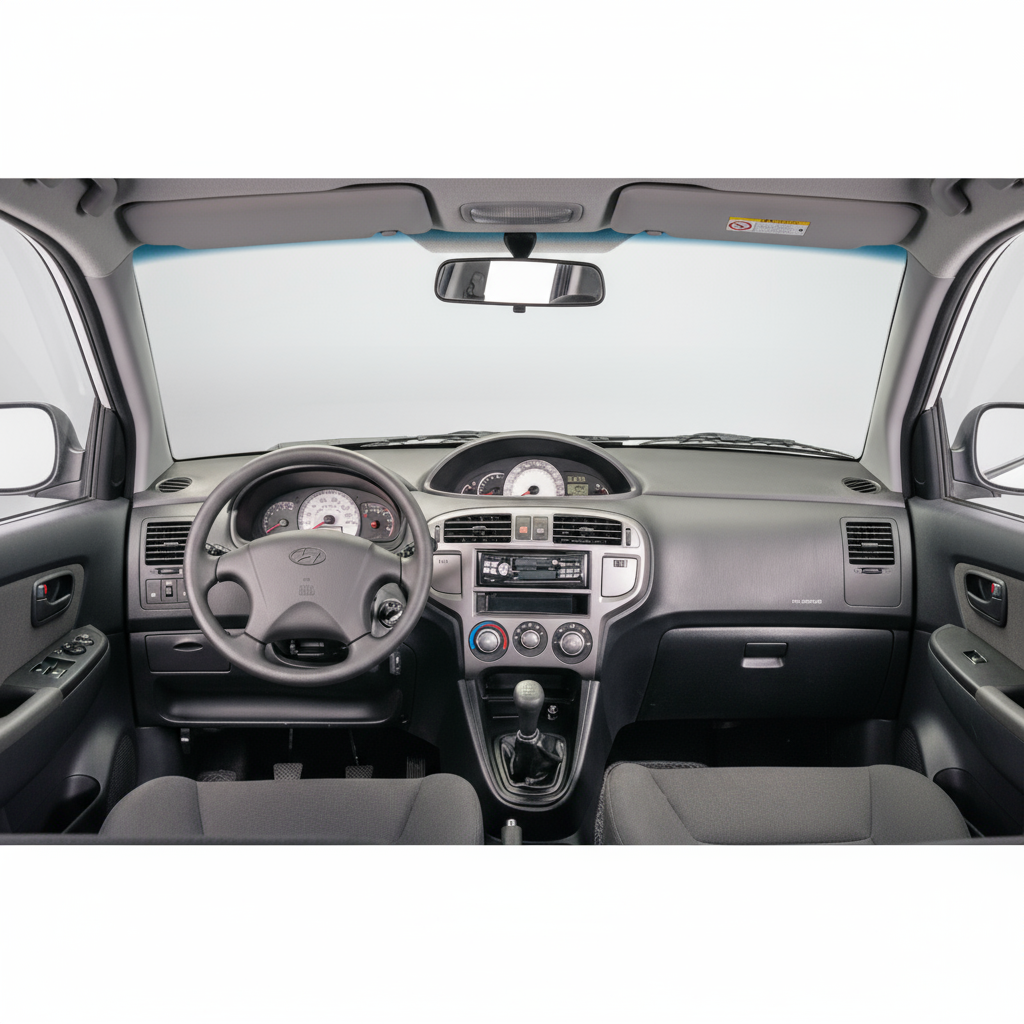
Especificaciones y análisis del Hyundai Matrix
Power
103HP
Torque
141Nm
Consumption
8.3l/100
Emissions
-g/km
0-100 km/h
12.2s
Top Speed
166km/h
Weight
1269kg
Price
15,150€
Technical summary
Gasolina
Automático 4v
FWD
5 / 5 doors
345 L
55 L
76 kW
Current
Technical specifications
Engine
Capacities
Detailed analysis of the Hyundai Matrix 1.6 GLS Full Aut. · 103 CV (2005)
General description
The 2005 Hyundai Matrix burst onto the market as a breath of fresh air for families looking for more than just a car. It was a statement of intent, a compact MPV that promised space, versatility, and a practical spirit, all wrapped in a design that left no one indifferent. It was the ideal companion for daily adventure, a haven of comfort and functionality.
Driving experience
Behind the wheel, the Matrix conveys a sense of calm and control. Its 103-horsepower engine, paired with a smooth 4-speed automatic transmission, doesn't aim for speed records but rather to offer a serene and smooth journey. It's a car that invites you to enjoy the ride, with a comfort-oriented suspension and steering that makes city maneuvering easy. The experience is one of pure functionality, an honest vehicle that fulfills its purpose with pleasant simplicity.
Design and aesthetics
Designed by the legendary Pininfarina studio, the Matrix has a unique aesthetic that prioritizes spatial intelligence over fleeting trends. Its high profile and characteristic stepped window line are not a whim, but a brilliant solution to maximize visibility and the feeling of interior spaciousness. It is a design that speaks of functionality and originality, creating an unmistakable silhouette that has aged with dignity.
Technology and features
The Matrix's technology focuses on reliability and simplicity, two virtues that are appreciated over time. Its indirect injection engine and robust automatic transmission with a torque converter are a testament to proven and durable engineering. You won't find complex screens or overwhelming assistance systems, but rather honest mechanics and components designed to last, ensuring the car is always ready when you need it.
Competition
In a highly competitive segment, the Hyundai Matrix faced giants like the Renault Scénic, the Citroën Xsara Picasso, and the Opel Meriva. Its main weapon was not ostentation, but an unbeatable combination of interior space, a very competitive price, and the growing reputation for reliability of the Korean brand. It offered a smart and rational alternative for those who valued substance over appearance.
Conclusion
The 2005 Hyundai Matrix is much more than a simple MPV; it is a faithful life companion. A vehicle that proved that practicality and intelligence could have a soul. Its legacy is that of an honest, spacious, and durable car that won hearts not with its power, but with its ability to make the daily lives of countless families easier and more enjoyable. A modern classic of functionality.