
Especificaciones y análisis del Hyundai Matrix
Power
103HP
Torque
141Nm
Consumption
7.8l/100
Emissions
-g/km
0-100 km/h
12.7s
Top Speed
170km/h
Weight
1248kg
Price
12,500€
Technical summary
Gasolina
Manual 5v
FWD
5 / 5 doors
345 L
55 L
76 kW
Current
Technical specifications
Engine
Capacities
Detailed analysis of the Hyundai Matrix 1.6 GLS · 103 CV (2001-2005)
General description
The 2002 Hyundai Matrix 1.6 GLS is presented as a practical and functional option, a compact minivan designed for family life. Priced at 12,500 euros at its launch, this vehicle aimed to offer a balance between interior space, comfort, and an accessible cost, positioning itself as a sensible alternative in the family car segment.
Driving experience
Behind the wheel of the Matrix, the experience is that of an honest car with no sporting pretensions. Its 103 HP of power, extracted from a 1.6-liter gasoline engine, offers an adequate response for daily use, with an acceleration from 0 to 100 km/h in 12.7 seconds and a top speed of 170 km/h. The McPherson suspension on both axles, along with the ventilated front disc brakes and rear drum brakes, provide stable and safe driving, albeit without great excitement. The combined consumption of 7.8 l/100km is reasonable for its time and segment, making it a reliable companion for urban journeys and occasional getaways.
Design and aesthetics
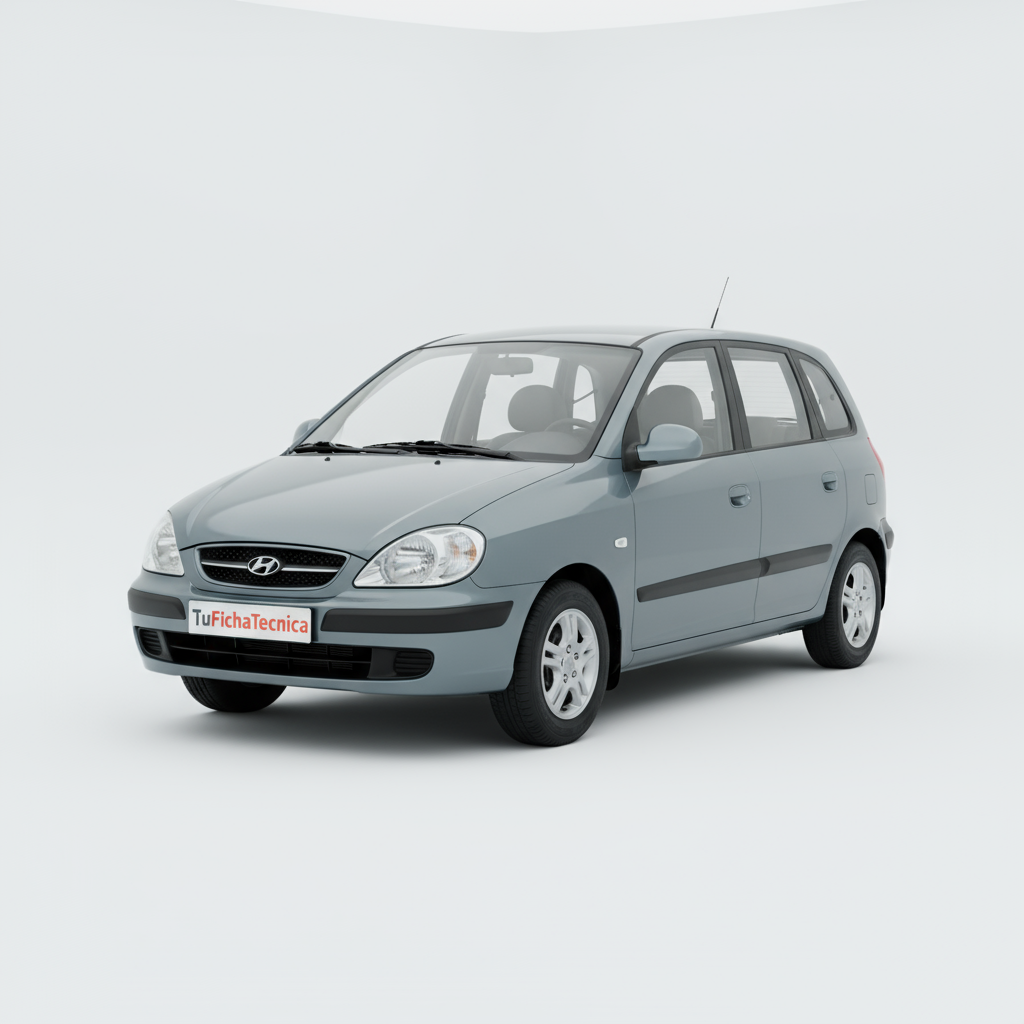
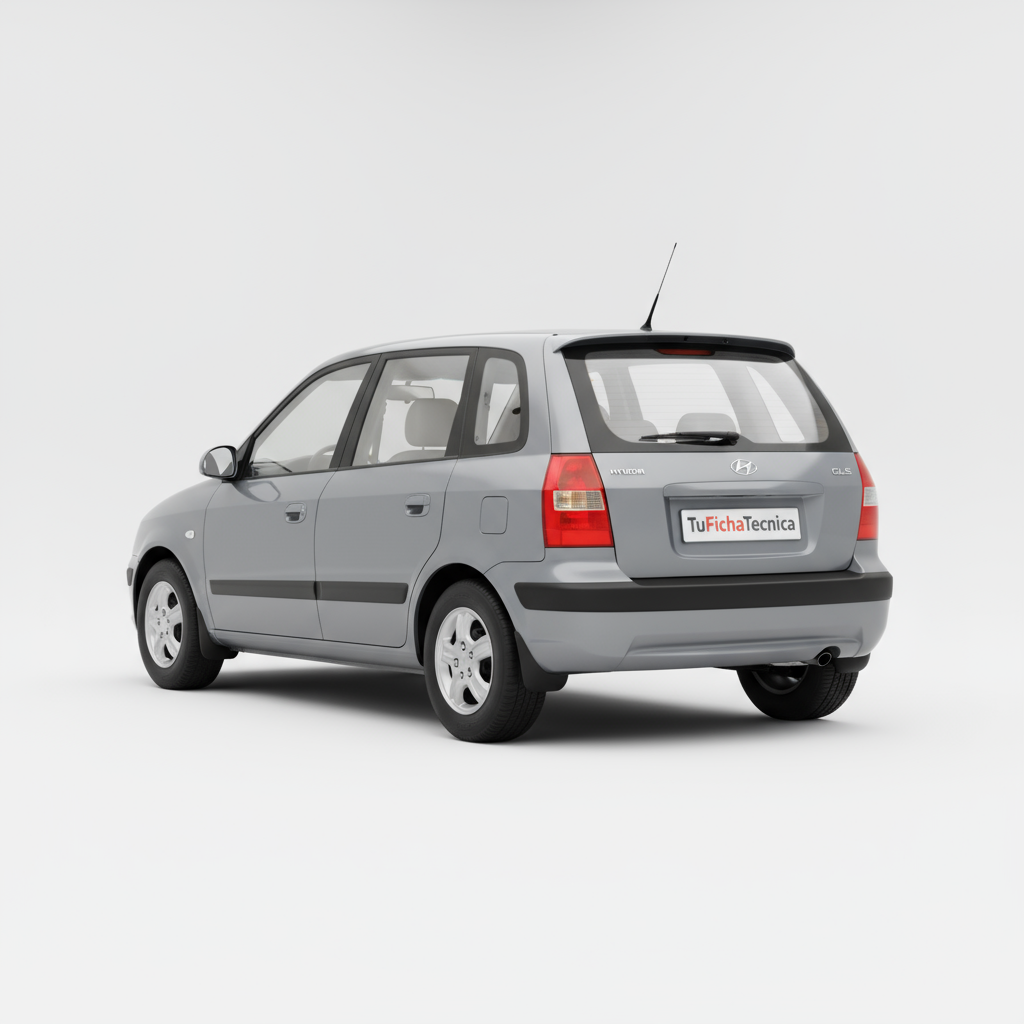
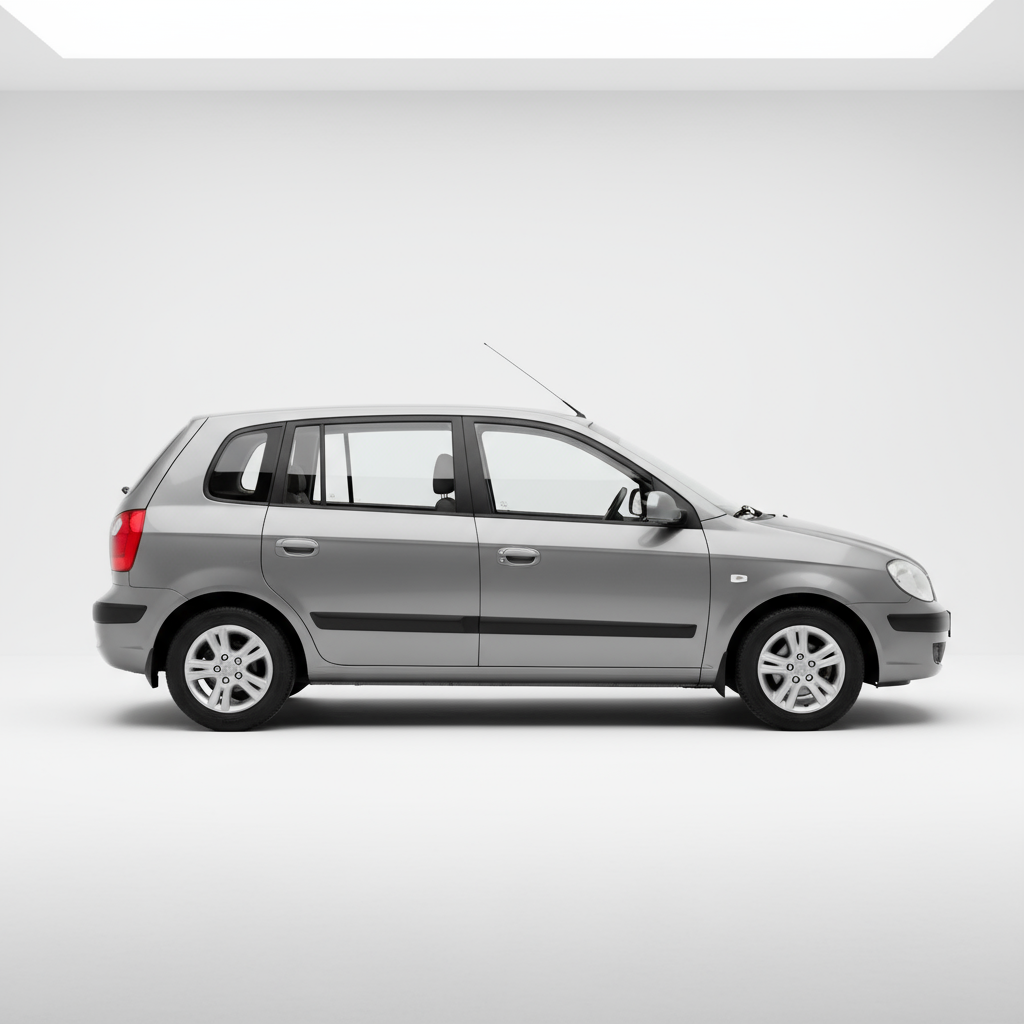
The design of the Hyundai Matrix, although functional, is not its strongest point in terms of aesthetics. Its lines are sober and practical, prioritizing interior space and habitability. With a length of 4,025 mm, a width of 1,740 mm, and a height of 1,635 mm, it offers compact dimensions that facilitate maneuverability in the city, while its 2,600 mm wheelbase contributes to a surprisingly spacious interior. The 345-liter trunk is sufficient for the needs of a small family, and the five doors facilitate access to all seats.
Technology and features
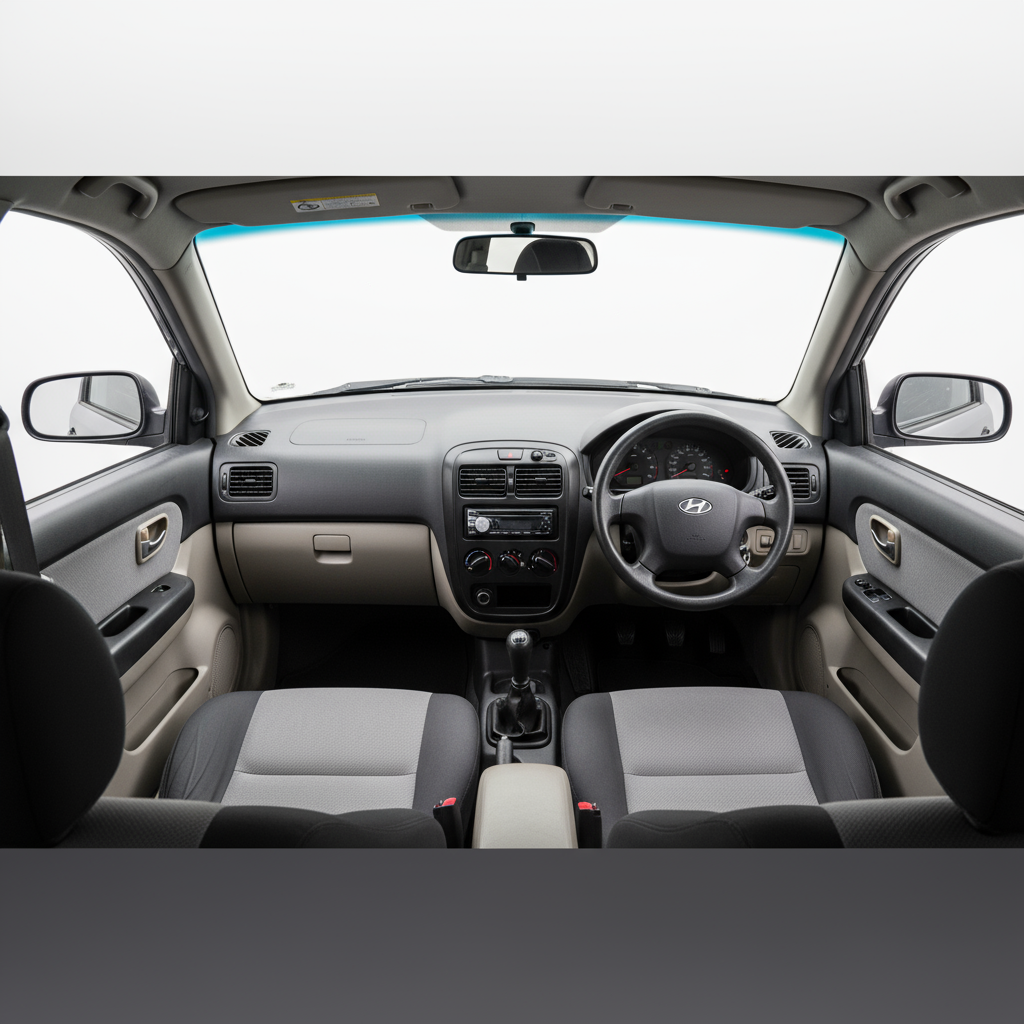
In the technology section, the 2002 Hyundai Matrix 1.6 GLS remains true to simplicity and functionality. Its 1.6-liter gasoline engine with indirect injection and an aluminum cylinder head, along with an iron block, is a robust and proven configuration. The 5-speed manual transmission is precise and easy to use. Although it does not incorporate the latest innovations of the time, its equipment meets the essentials for comfortable and safe driving, without unnecessary distractions. The rack-and-pinion steering offers good response, and the presence of stabilizer bars on both axles improves cornering stability.
Competition
At the time, the Hyundai Matrix competed in a segment with options such as the Opel Zafira, the Renault Scénic, or the Citroën Xsara Picasso. Compared to them, the Matrix positioned itself as a more economical alternative with a more direct focus on practicality and reliability, although perhaps with a less daring design or more basic technological equipment. Its value proposition lay in offering a compact and spacious minivan at a very competitive price.
Conclusion
The 2002 Hyundai Matrix 1.6 GLS is a vehicle that fulfills its purpose: to be a compact, practical, and affordable minivan for the family. It does not seek to dazzle with sporty performance or avant-garde design, but rather to offer reliable and spacious transportation for everyday life. Its honest engine, versatile interior, and adjusted price make it an interesting option for those looking for functionality above all else. It is a car that, despite the years, remains a sensible option for those who value durability and economy of use.