
Especificaciones y análisis del Hyundai i30
Power
135HP
Torque
167Nm
Consumption
5l/100
Emissions
118g/km
0-100 km/h
9.7s
Top Speed
190km/h
Weight
1268kg
Price
16,990€
Technical summary
Gasolina
Manual 6v
FWD
5 / 5 doors
378 L
53 L
99 kW
Current
Technical specifications
Engine
Capacities
Detailed analysis of the Hyundai i30 1.6 GDI 135 CV BlueDrive Style (2012)
General description
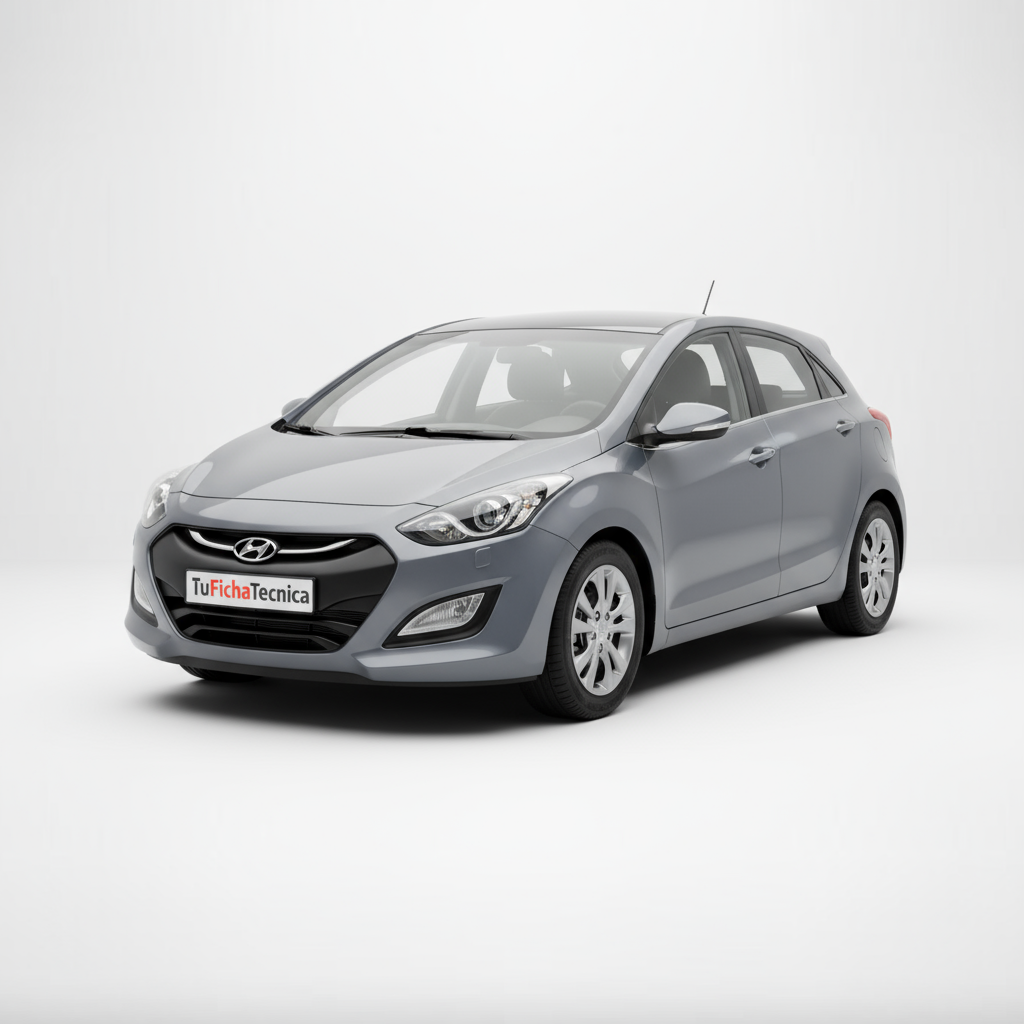
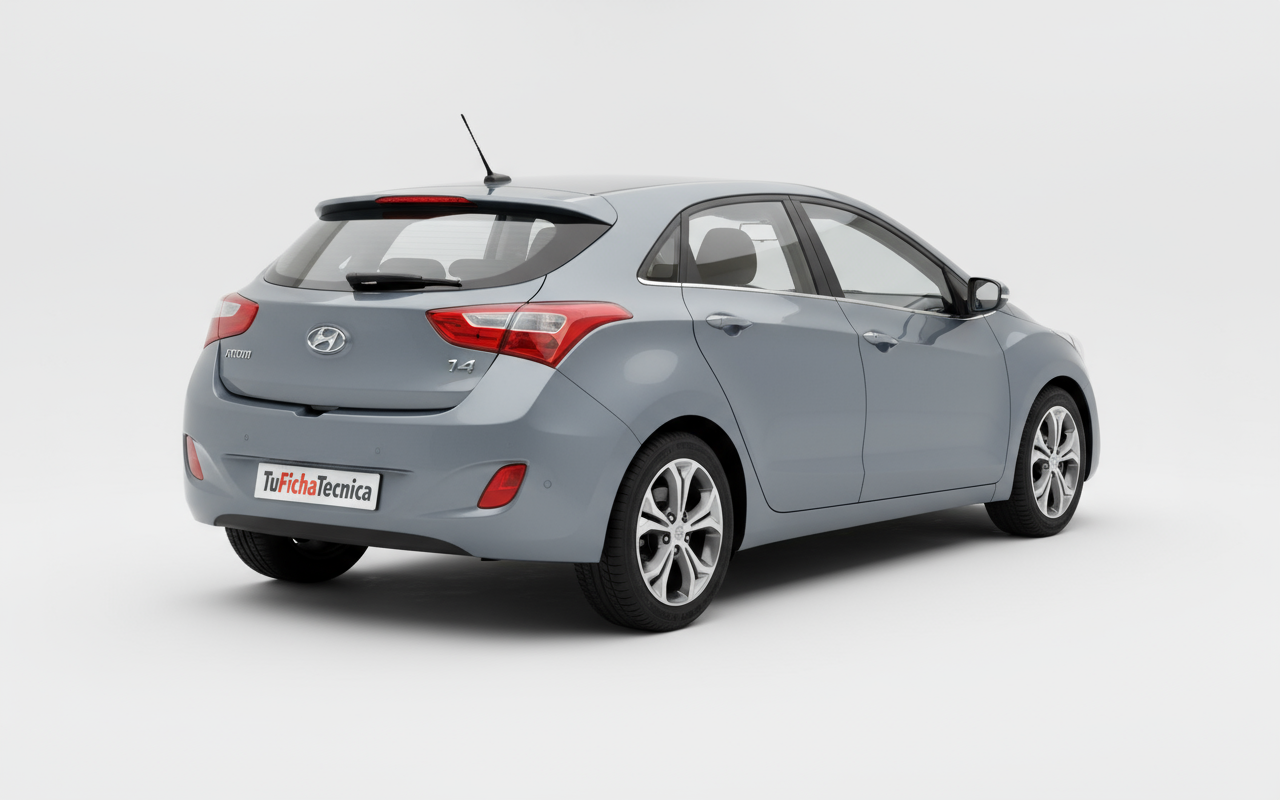
The 2012 Hyundai i30 was not just another car; it was a statement of intent. With this generation, the Korean brand showed the world it could create a compact car capable of going head-to-head with the European kings of the segment. This i30 1.6 GDI reflects an immense qualitative leap, a vehicle that changed the perception of Hyundai forever, combining an attractive design with a quality and reliability that won hearts.
Driving experience
Behind the wheel, the i30 conveys a sense of poise and serenity. Its 135 hp naturally aspirated engine asks you to rev it high to deliver its best, a classic and rewarding driving experience. The six-speed manual gearbox is precise, and the chassis, with its multi-link rear suspension, offers a wonderful balance between daily comfort and an agility that inspires confidence on winding roads. It's not a sports car, but it feels solid, safe, and surprisingly refined for its time.
Design and aesthetics
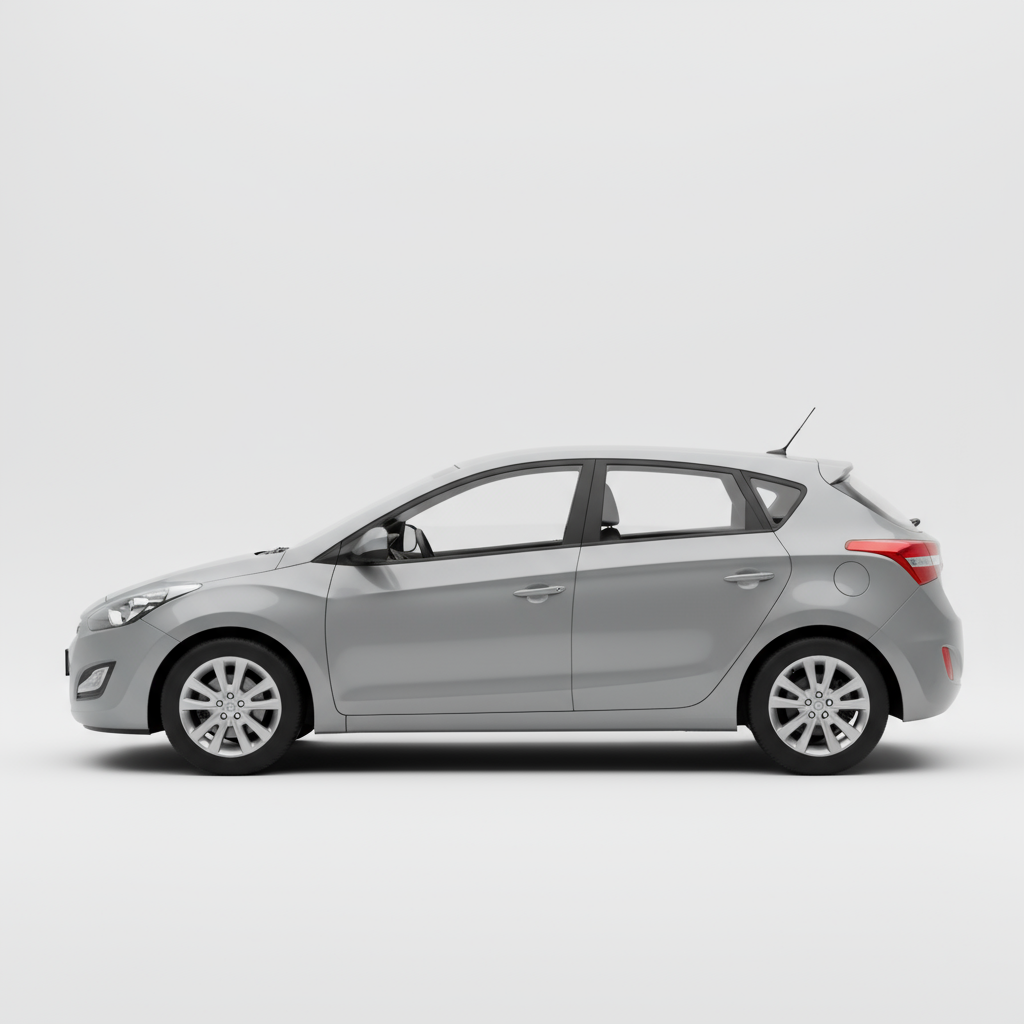
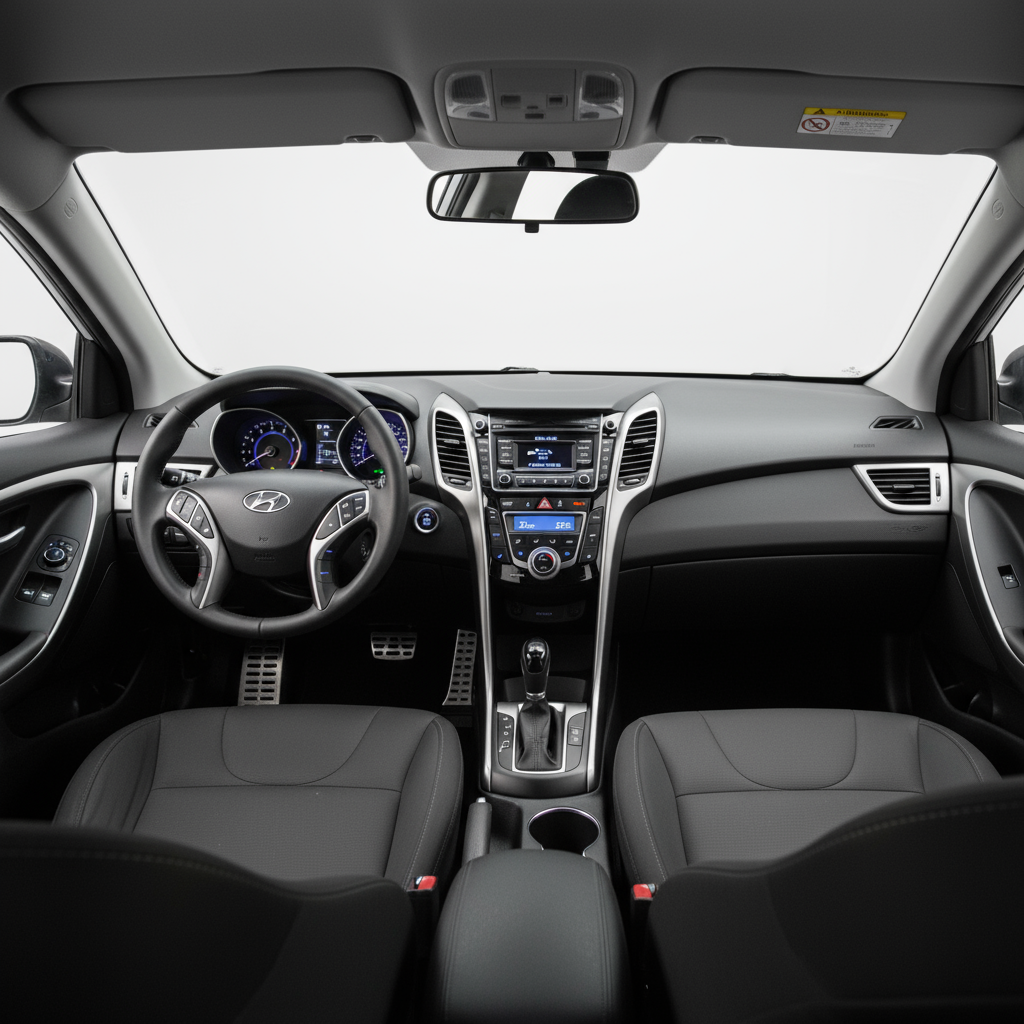
Hyundai's 'Fluidic Sculpture' design language came to life in this i30. Its fluid and organic lines, hexagonal grille, and swept-back headlights gave it a unique personality and a visual appeal that broke with the sobriety of its predecessor. Inside, the leap was just as spectacular, with a modern dashboard, pleasant-to-the-touch materials, and an overall feeling of being in a well-made car built to last. It was a design that made you feel proud.
Technology and features
For a 2012 car, the Style trim came loaded with technology that made life easier. The BlueDrive system with Stop & Start helped curb fuel consumption in the city, while the electric power steering with variable assistance offered comfort when parking and firmness on the highway. It featured elements like dual-zone climate control, Bluetooth connectivity, and a clear and comprehensive instrument cluster, details that brought it closer to models from higher segments.
Competition
This i30 entered a territory dominated by giants like the Volkswagen Golf, Ford Focus, and Opel Astra. Its strategy to compete was brilliant: offer a more emotional design, very generous standard equipment, and the peace of mind of an extensive warranty. It positioned itself as an incredibly smart alternative, proving that you didn't need to spend more to have a complete, reliable, and satisfying car.
Conclusion
The Hyundai i30 1.6 GDI was much more than a rational purchase; it was a smart and emotional choice. It represents the turning point for a brand that learned to build cars that not only work well but also captivate. Today, as a second-hand vehicle, it remains a fantastic option for its reliability, low maintenance cost, and a design that has aged with admirable dignity. It's a car that gives you more than you expect.