
Especificaciones y análisis del Hyundai i30
Power
135HP
Torque
167Nm
Consumption
5l/100
Emissions
118g/km
0-100 km/h
9.7s
Top Speed
190km/h
Weight
1268kg
Price
16,190€
Technical summary
Gasolina
Manual 6v
FWD
5 / 5 doors
378 L
53 L
99 kW
Current
Technical specifications
Engine
Capacities
Detailed analysis of the Hyundai i30 1.6 GDI 135 CV BlueDrive Tecno (2012)
General description
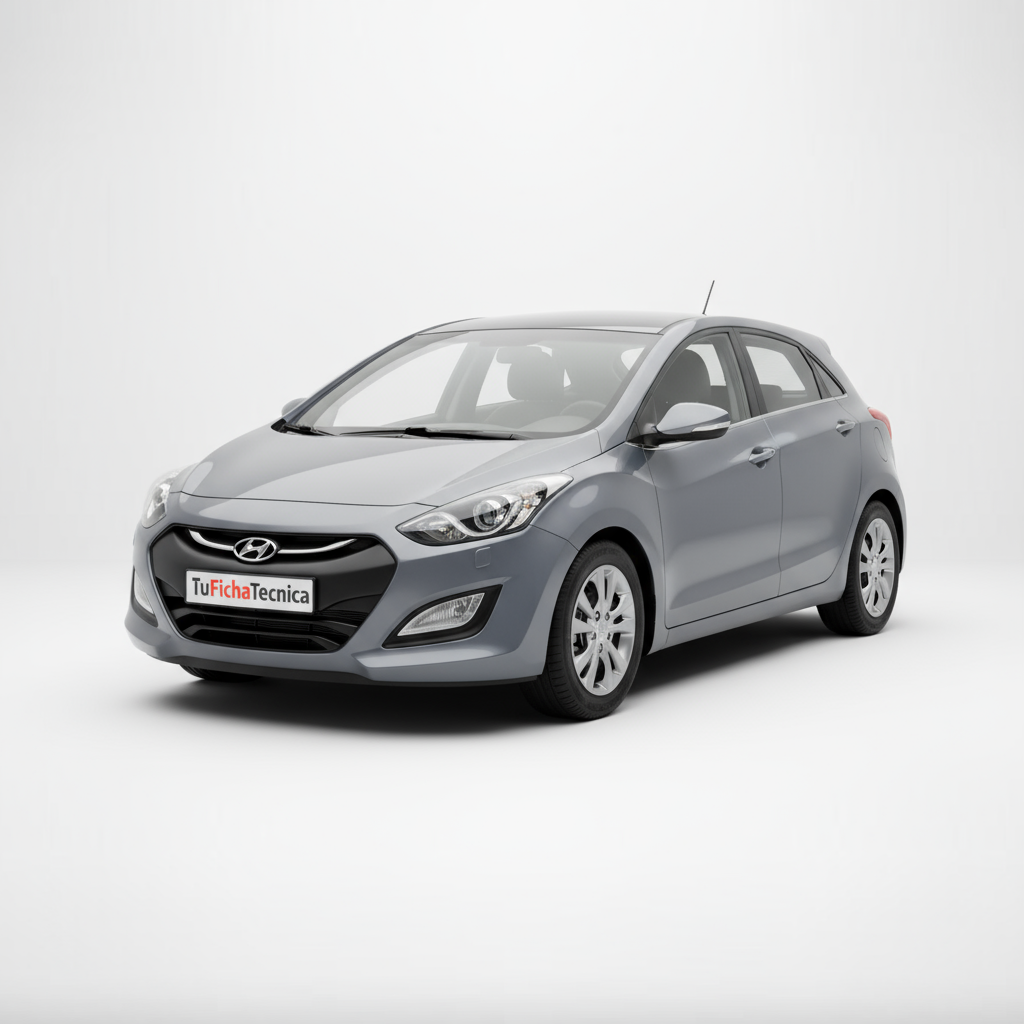
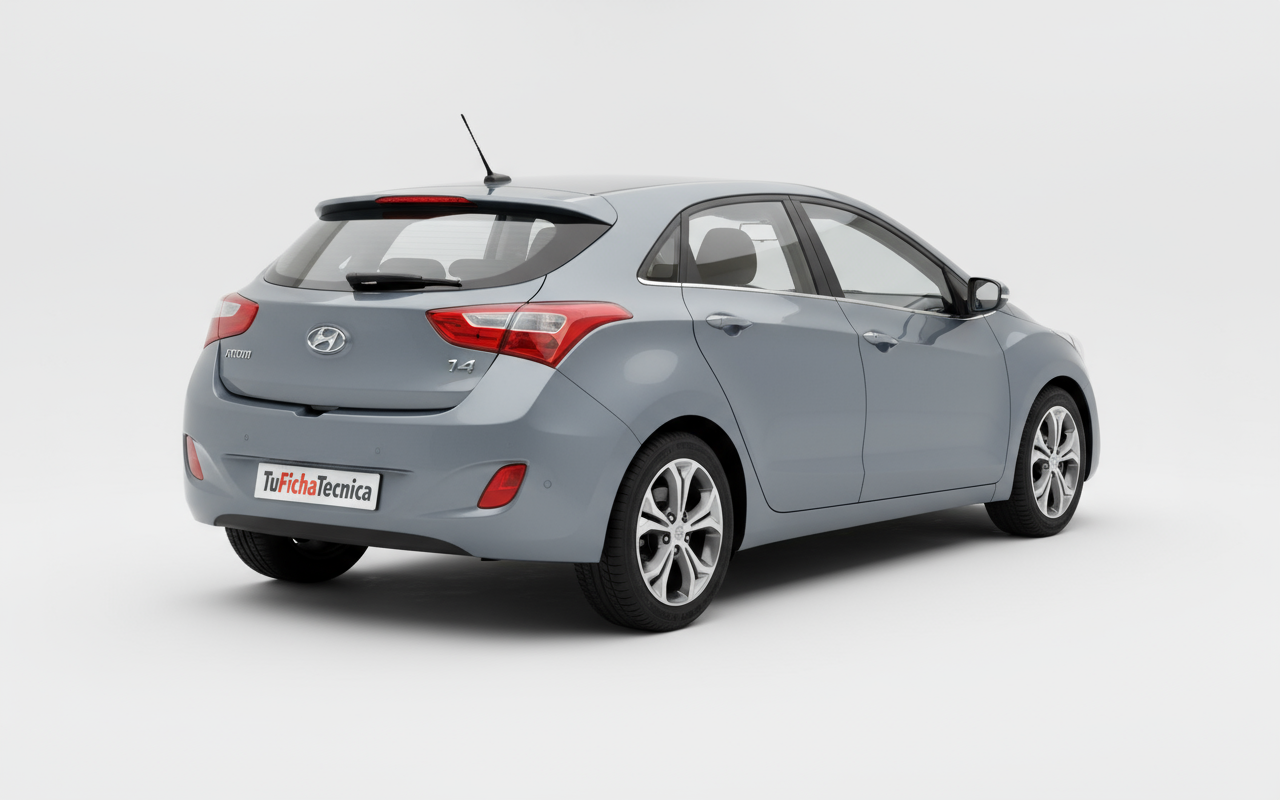
The 2012 Hyundai i30 was not just another car; it was a statement of intent. With this generation, the Korean brand made a strong impact in the competitive European compact segment, presenting a vehicle that radiated confidence, quality, and a design that was love at first sight. It ceased to be an alternative and became a main player.
Driving experience
Getting behind the wheel of the i30 with its 1.6 GDI engine is to rediscover the pleasure of pure and honest driving. Its 135 HP are delivered smoothly and progressively, inviting you to play with its precise six-speed manual gearbox to extract its character. It's not a sports car, but its balanced chassis and multi-link rear suspension convey a sense of poise and security that embraces you in every curve, turning every journey into a serene and rewarding experience.
Design and aesthetics
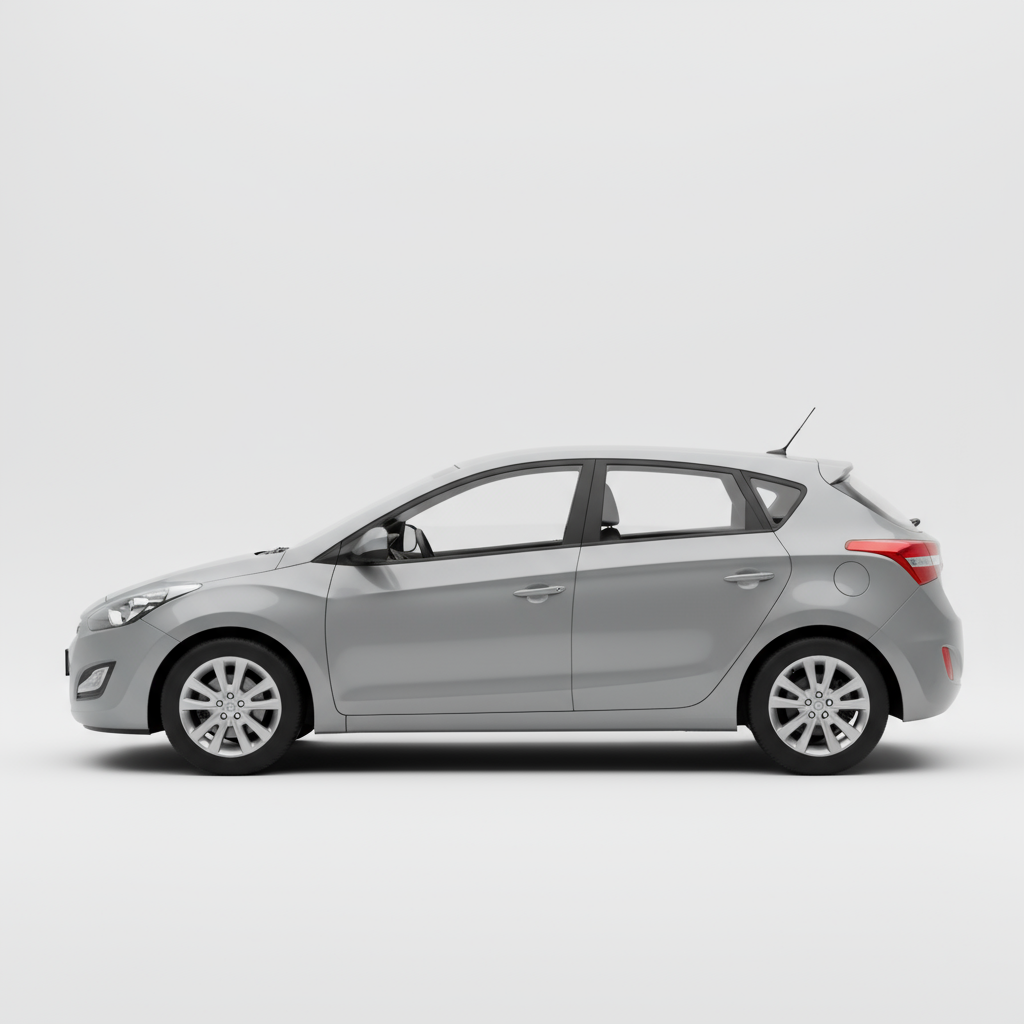
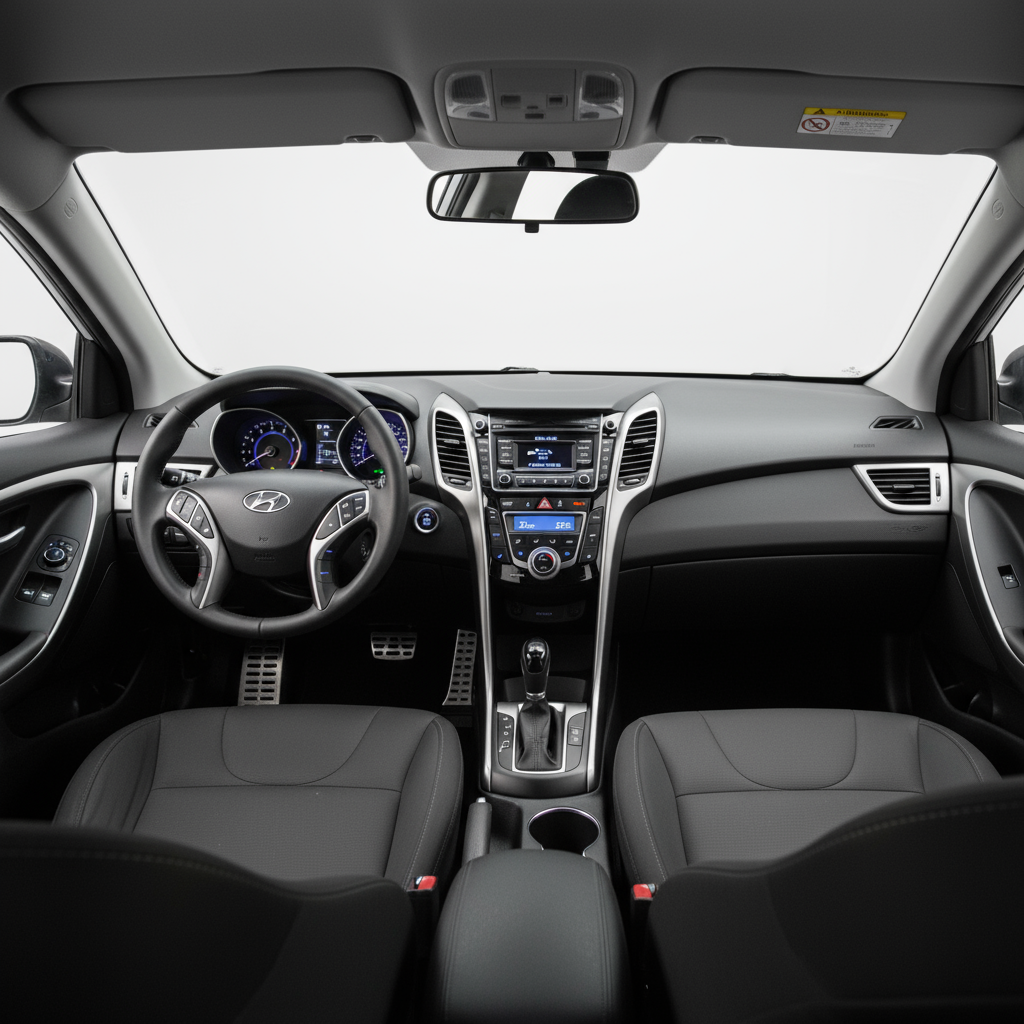
The 'Fluidic Sculpture' design language came to life in this i30, giving it a soul and dynamism that broke with everything before. Its fluid lines, hexagonal grille, and sharp headlights created a silhouette that withstands the test of time with surprising elegance. Inside, the leap was monumental: a welcoming cabin, with pleasant-to-the-touch materials and a dashboard that enveloped you, proving that good taste and ergonomics could go hand in hand.
Technology and features
For its time, the Tecno trim was a technological showcase. Beyond the efficient 'BlueDrive' Stop & Start system, it offered an on-board comfort that many of its rivals envied. It featured elements like climate control, advanced connectivity for music, and a power steering system that allowed you to adjust the feel of the steering wheel. It was proof that technology didn't have to be an unattainable luxury.
Competition
This i30 dared to go head-to-head with the giants of the category. It fearlessly faced the eternal Volkswagen Golf, the dynamic Ford Focus, and the solid Opel Astra. Its strategy was brilliant: to offer more generous equipment, a market-leading warranty, and a surprising perceived quality, all at a price that made you feel you were making the smartest and most passionate decision at the same time.
Conclusion
The 2012 Hyundai i30 is much more than a reliable and well-equipped car; it is the symbol of a transformation. It represents the moment Hyundai proved it could create a well-rounded product, capable of competing on all fronts and winning hearts. It is a car that, even today, feels current, balanced, and deeply satisfying—a master purchase that combines reason and emotion in equal parts.