
Especificaciones y análisis del Hyundai i30
Power
128HP
Torque
260Nm
Consumption
4.3l/100
Emissions
114g/km
0-100 km/h
10.9s
Top Speed
197km/h
Weight
1365kg
Price
26,100€
Technical summary
Gasóleo
Manual 6v
FWD
5 / 5 doors
378 L
53 L
94 kW
Current
Technical specifications
Engine
Capacities
Detailed analysis of the Hyundai i30 5p 1.6 CRDI 128 CV Style S Sport (2013)
General description
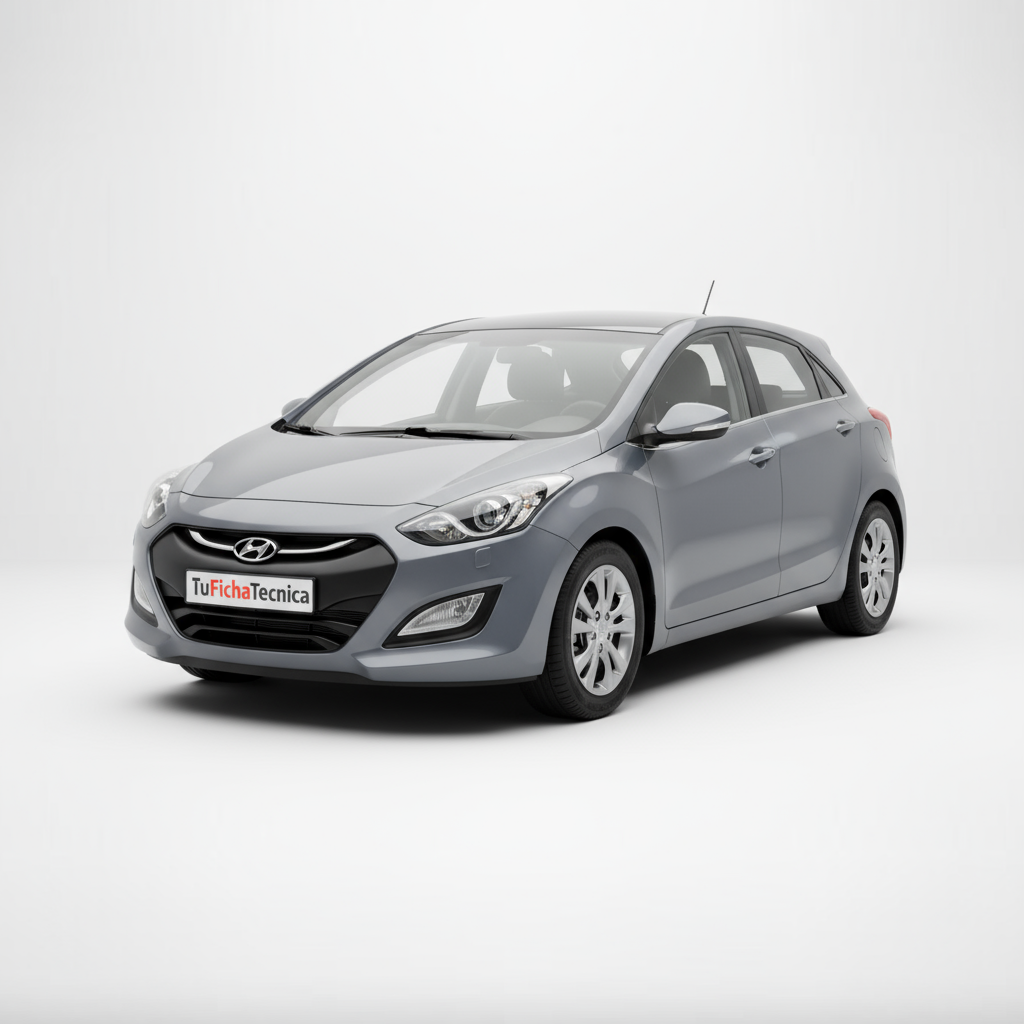
The 2012 Hyundai i30 was not just a car; it was a statement of intent. With this second generation, the Korean brand proved it could compete head-to-head with the European kings of the compact segment. This i30, with its 128-horsepower diesel engine, is the perfect balance between reason and emotion, a travel companion that wins you over kilometer by kilometer.
Driving experience
Behind the wheel, the 1.6 CRDI 128 hp engine feels full of life and surprisingly willing. It's not aiming for speed records, but its generous 260 Nm of torque provides a strong response from low revs, making overtaking and merging a mere formality. The six-speed manual gearbox is precise, and its chassis, with a multi-link rear suspension, conveys a sense of poise and security that invites you to tackle curves with confidence, all while maintaining exceptional ride comfort for daily use.
Design and aesthetics
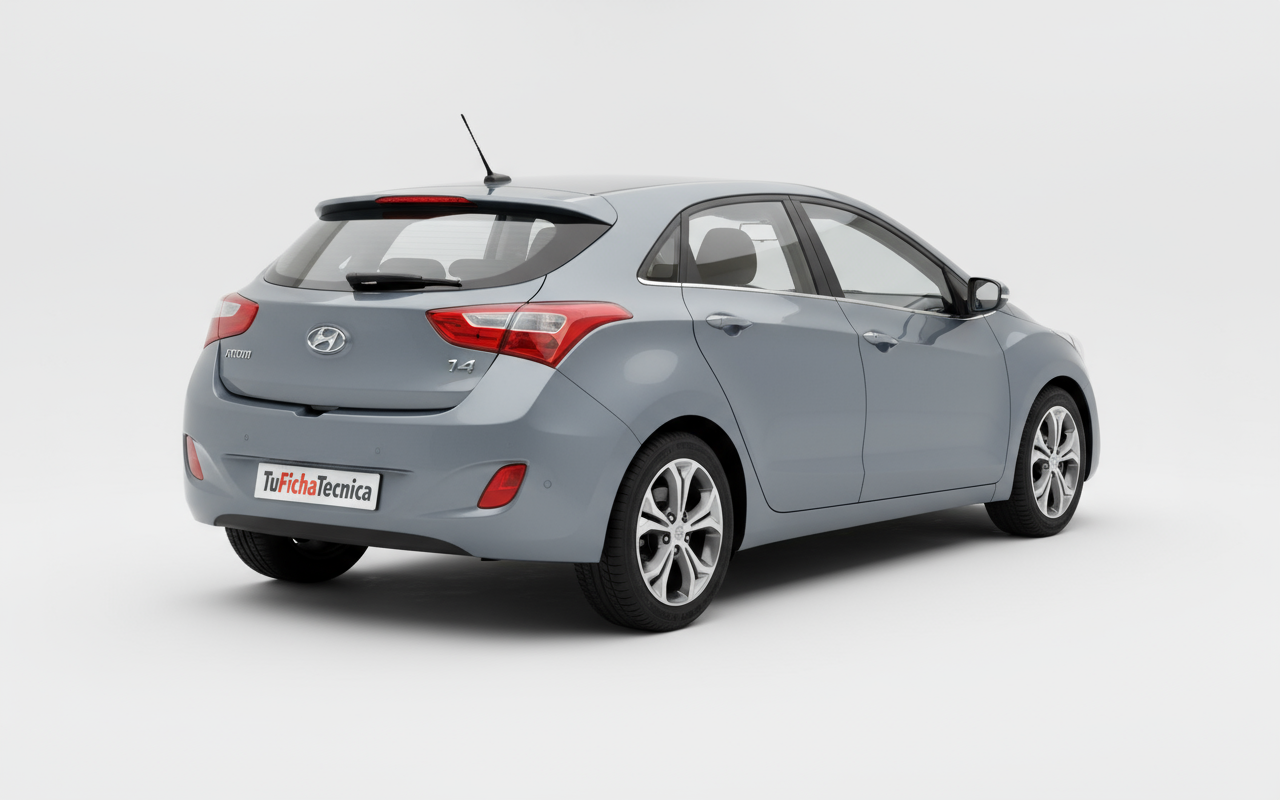
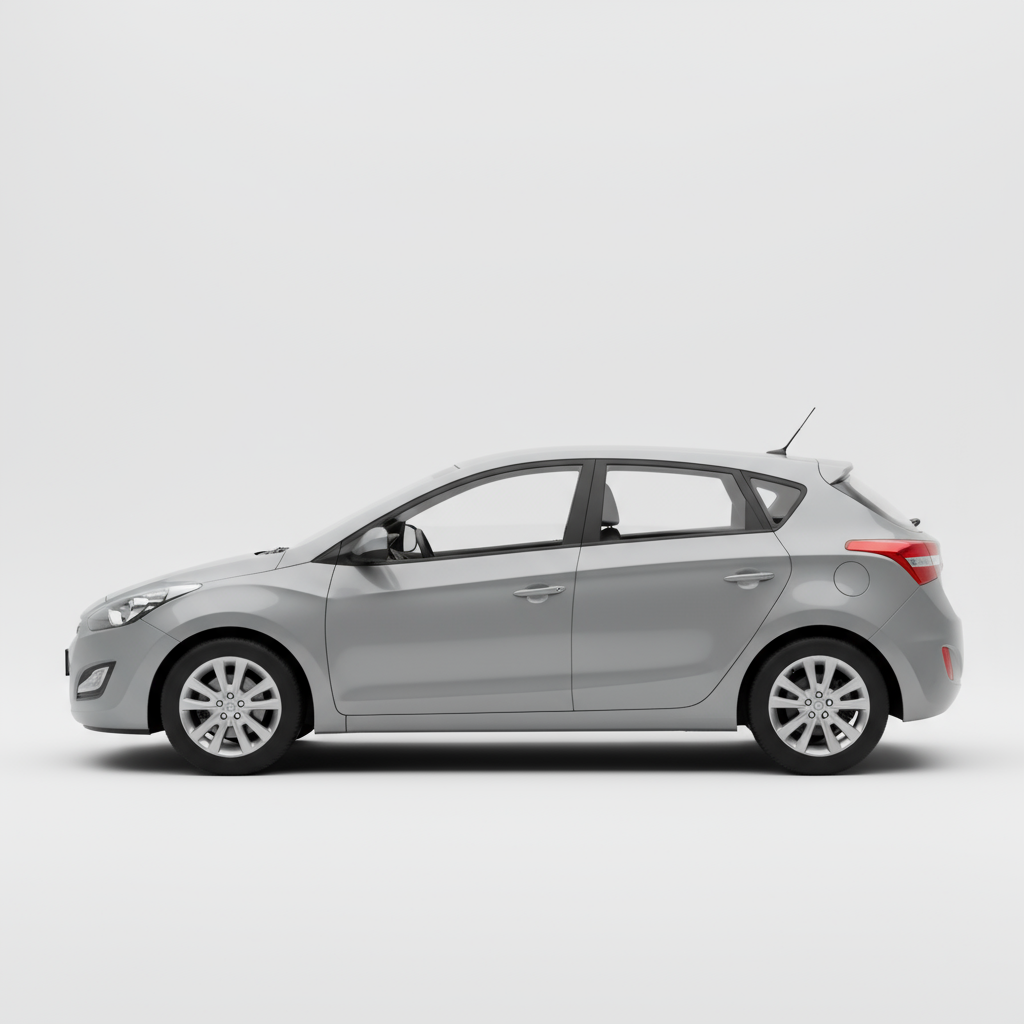
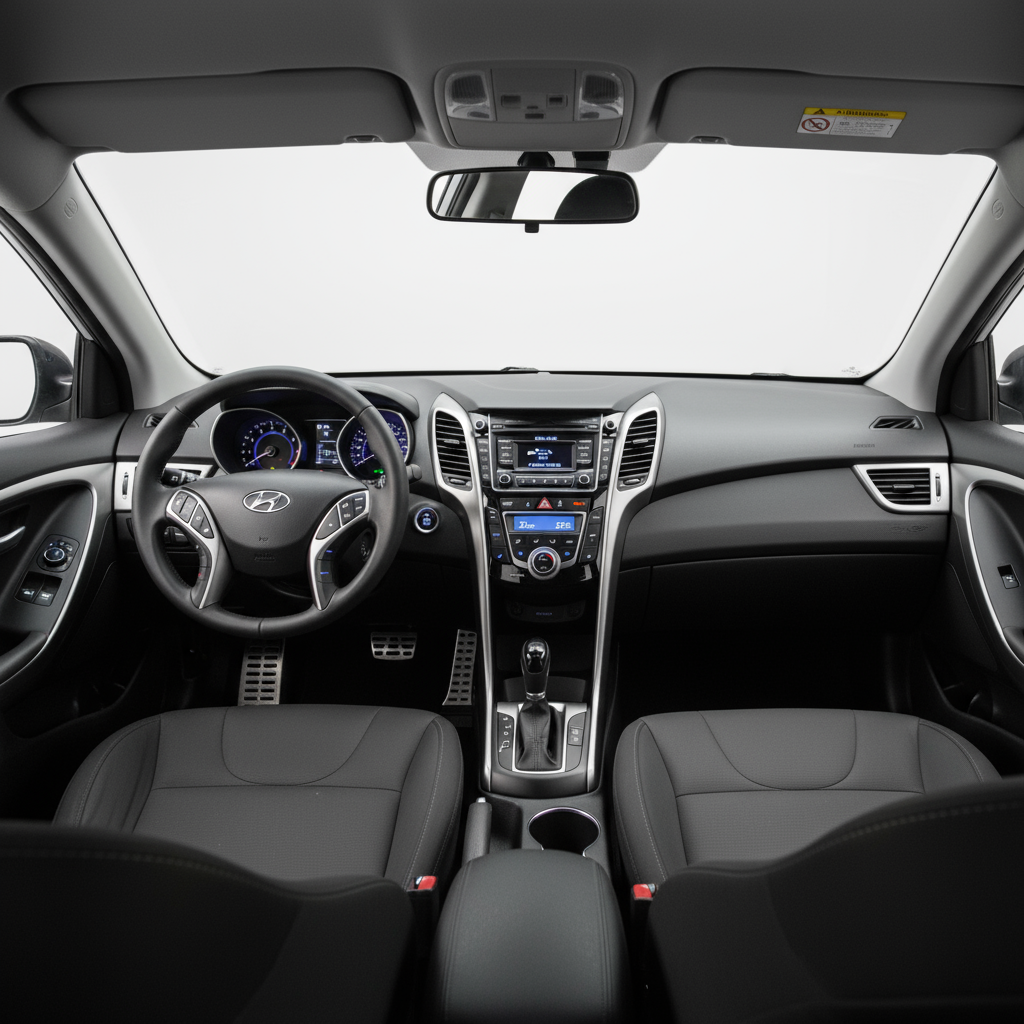
Its design, dubbed 'Fluidic Sculpture', was a true revolution. It left behind conservative lines to embrace a dynamic and organic style that still looks modern and attractive today. The hexagonal grille, swept-back headlights, and the 17-inch wheels of this Sport version give it an overwhelming personality. Inside, the leap in quality is palpable, with pleasant-to-the-touch materials and a dashboard that envelops you, creating the atmosphere of a higher-category car.
Technology and features
For its time, this i30 came loaded with technology designed to make life easier and safer. The Style S Sport trim usually included features like dual-zone climate control, a quality audio system with Bluetooth and USB connectivity, and electric power steering with different stiffness modes. Safety was a priority, with a full set of airbags and stability control, proving that an affordable car didn't have to compromise on protection.
Competition
In the competitive battlefield of compacts, the i30 faced giants like the Volkswagen Golf, the Ford Focus, and the SEAT León. Its strategy was brilliant: to offer a captivating design, very comprehensive equipment from the entry-level versions, bombproof reliability, and the peace of mind of an extensive warranty. It managed to steal hearts and sales from rivals that until then seemed untouchable.
Conclusion
The 2012 Hyundai i30 is much more than a smart buy; it's a satisfying choice. It's a car that does everything well: it's comfortable, safe, fuel-efficient, and has a design that makes you turn your head. It represents the moment Hyundai stopped being an alternative and became a main player, offering a well-rounded product that makes you proud to drive it every day.